
2027 How to Become a Cloud Admin: Education, Salary, and Job Outlook

Co-Founder and Chief Data Scientist
Cloud administrator is a practical career path for people who want to manage the systems that keep modern organizations running: cloud servers, storage, networks, security controls, backups, monitoring, and access. The role matters because companies now rely on cloud platforms for core operations, customer services, analytics, collaboration, and disaster recovery. When cloud environments are misconfigured, underprotected, or poorly monitored, the impact can include downtime, security exposure, rising costs, and failed compliance audits.
This guide is for students, early-career IT workers, systems administrators, help desk professionals, and career changers who are considering cloud administration as a long-term path. It explains the credentials employers commonly look for, the technical and workplace skills you need, typical career progression, salary expectations, internship options, advancement strategies, work settings, challenges, and signs that this role may or may not fit you.
What are the benefits of becoming a cloud admin?
- Cloud admin roles are projected to grow by about 13% through 2025, reflecting increasing demand for cloud infrastructure management across industries.
- Average salaries range from $75,000 to $130,000, varying by location, experience, and certifications, highlighting potential for financial growth but with regional disparities.
- Despite strong job prospects, candidates should weigh evolving technology demands and continuous upskilling to maintain relevance in a competitive, rapidly changing field.
What credentials do you need to become a cloud admin?
Most cloud administrator roles require a mix of education, cloud certifications, and proof that you can manage real systems. A bachelor’s degree in computer science, information technology, cybersecurity, information systems, or a related field is common, but it is not the only path. Some candidates enter through help desk, networking, systems administration, or military IT experience and then add cloud certifications and project work. If you are building your foundation quickly, a top 6 month associate degree program can be a starting point, especially when paired with hands-on labs and entry-level IT experience.
Cloud administrator certification requirements vary by employer, but the most useful credentials usually show that you can operate, secure, monitor, and troubleshoot cloud environments rather than only describe cloud concepts. Platform-specific certifications are especially valuable because most organizations standardize around AWS, Microsoft Azure, Google Cloud Platform, or a combination of providers.
- Bachelor's degree: Commonly expected for many cloud administrator openings, especially at larger employers, regulated organizations, and roles that require broader IT architecture or security knowledge.
- AWS Certified SysOps Administrator: Useful for candidates who want to manage deployments, monitoring, reliability, and operations in Amazon Web Services environments.
- Microsoft Certified: Azure Administrator Associate: Strong fit for organizations that rely on Microsoft Azure, Microsoft 365, Entra ID, Windows Server, and hybrid enterprise infrastructure.
- Professional Cloud Architect (Google Cloud): Helpful for professionals working with Google Cloud Platform, especially when the role includes architecture decisions in addition to administration.
- Certified Cloud Security Professional (CCSP): Relevant for cloud admins who support identity, encryption, governance, compliance, and security controls across cloud environments.
Licensure is usually not required for cloud administrators in the United States. However, compliance training may be necessary in healthcare, finance, government, education, defense, and other regulated sectors. Employers may also require background checks, security clearances, vendor-specific training, or internal security certifications depending on the sensitivity of the systems being managed.
Professional cloud administrator credentials 2025 should be treated as an ongoing requirement, not a one-time milestone. About 70% of IT professionals are expected to hold cloud-related certifications by that year, reflecting how common credentialing has become in cloud roles. The strongest candidates combine certifications with a portfolio of practical work: cloud lab deployments, automation scripts, monitoring dashboards, backup and recovery projects, identity and access management examples, and documented troubleshooting scenarios.
What skills do you need to have as a cloud admin?
A cloud administrator needs enough technical range to keep cloud systems reliable, secure, cost-efficient, and recoverable. The job is not limited to clicking through a cloud console. You may be expected to configure access policies, troubleshoot connectivity, automate deployments, respond to alerts, manage backups, analyze billing, support migrations, and coordinate with developers, security teams, vendors, and business users.
- Cloud platform proficiency: Build working knowledge of AWS, Microsoft Azure, or Google Cloud Platform. Learn the provider your target employers use first, then expand into multi-cloud concepts once you have a strong base.
- Networking fundamentals: Understand virtual private clouds, subnets, routing, DNS, load balancing, firewalls, VPNs, hybrid connectivity, and private endpoints. Many cloud outages and security issues trace back to networking mistakes.
- Security expertise: Know how to manage identity and access controls, encryption, secrets, logging, vulnerability remediation, and compliance requirements such as GDPR and HIPAA. Cloud admins often serve as a first line of defense against misconfiguration and unauthorized access.
- Automation and Infrastructure as Code: Use tools such as Terraform, Ansible, or CloudFormation to make deployments repeatable and reduce manual errors. Employers increasingly expect administrators to automate routine work.
- Containerization: Understand Docker and Kubernetes enough to support containerized workloads, troubleshoot deployments, and coordinate with DevOps or platform engineering teams.
- Scripting and programming: Use Python, Bash, or PowerShell to automate provisioning, reporting, patching, backups, and operational checks.
- Monitoring and cost control: Work with CloudWatch, Azure Monitor, or GCP Operations Suite to track performance, uptime, logs, alerts, and capacity. You should also know how to identify unused resources and reduce unnecessary cloud spend.
- Operating systems administration: Maintain Linux and Windows Server systems, including patching, permissions, services, logs, storage, and basic hardening.
- Backup, recovery, and reliability planning: Understand snapshots, replication, retention policies, disaster recovery objectives, and high-availability design. Cloud administration is partly about preventing small failures from becoming business disruptions.
- Critical thinking and collaboration: Diagnose problems methodically, document changes, communicate risks clearly, and work well with developers, cybersecurity staff, auditors, managers, and vendors.
The best way to build these skills is to combine structured learning with practice. Create a lab account, deploy a small network, configure role-based access, set up monitoring, automate a deployment, break and fix a test environment, and document what you learned. Hiring managers often trust demonstrated troubleshooting ability more than a long list of tools with no project evidence.
What is the typical career progression for a cloud admin?
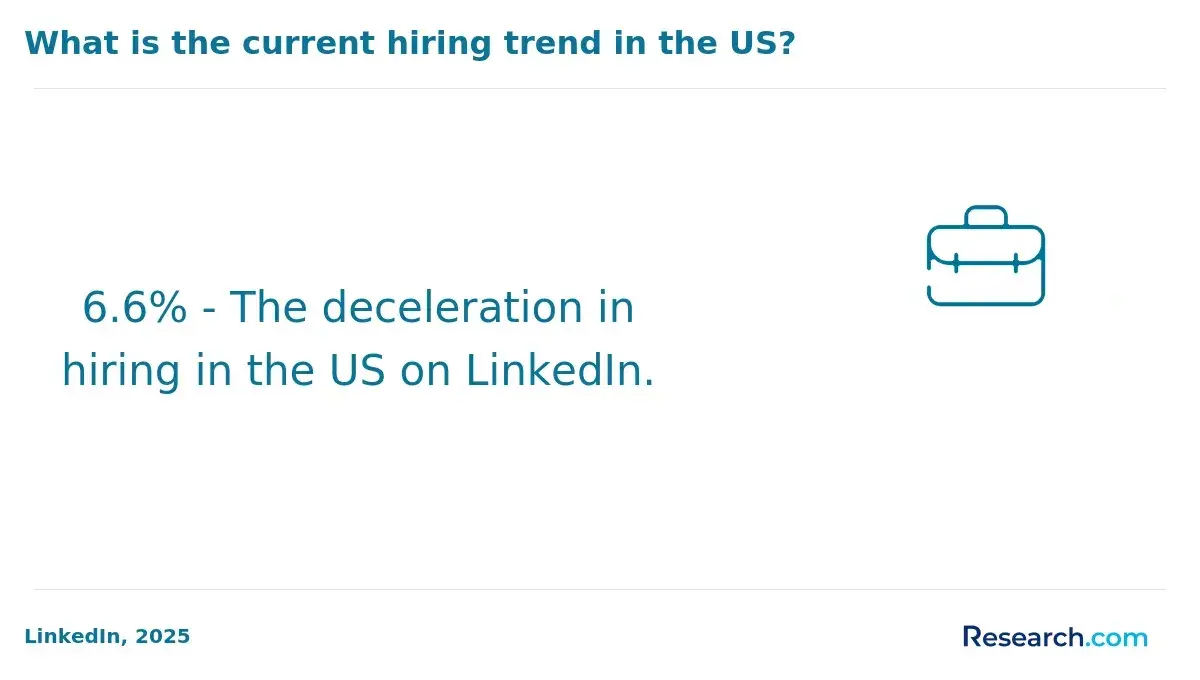
Cloud administration usually begins with support or systems work and expands into operations, automation, security, architecture, or management. The path is flexible: some professionals remain hands-on infrastructure specialists, while others move into DevOps, site reliability engineering, cloud security, cloud architecture, or leadership.
- Entry-level stage: Roles such as Junior Cloud Administrator or Systems Administrator typically involve monitoring systems, responding to tickets, assisting with deployments, managing user access, documenting changes, and escalating complex incidents. A bachelor's degree and certifications in platforms like AWS or Azure are often helpful.
- Two to four years of experience: Cloud admins usually take on more responsibility for infrastructure management, patching, backups, performance tuning, access policies, automation, and cost optimization. This is also when many begin specializing in security, networking, automation, or hybrid cloud.
- Five to seven years of experience: Senior roles such as Systems Administrator Manager or Senior Cloud Administrator may include designing operational standards, leading migrations, mentoring junior staff, managing compliance tasks, and coordinating incident response.
- Beyond eight years: Advanced roles such as Principal Systems Administrator or Cloud Infrastructure Manager often focus on strategy, architecture, governance, vendor management, and cross-department leadership.
- Lateral and adjacent moves: Many cloud admins transition into Cloud Engineer, Cloud Architect, Cloud Security Analyst, DevOps Engineer, Site Reliability Engineer, platform engineering, or technical product management roles.
- Emerging specializations: Multi-cloud management, hybrid environments, security and compliance, automation, Kubernetes operations, and AI-driven cloud operations are increasingly valuable areas for career growth.
A practical career strategy is to avoid becoming only a “console operator.” Cloud admins who learn automation, security, networking, and documentation usually have more mobility than those who only perform routine maintenance. If you want leadership roles, also build skills in incident communication, budgeting, stakeholder management, and risk assessment.
Cloud administrator pay can be strong, but salary estimates vary widely because job titles are not used consistently. Some employers use “cloud administrator” for a junior operations role, while others use it for a senior infrastructure position that includes automation, security, and architecture responsibilities.
How much can you earn as a cloud admin? In general, a typical cloud administrator in the US can expect salaries ranging from $74,700 to $143,180 annually, with most 2025 projections centering between $93,200 and $129,410. Different sources report varying figures; for example, PayScale cites an average base around $67,467, while Salary.com notes a median close to $130,000. These differences arise from survey methods, location, job scope, bonuses, employer size, required certifications, and whether the role includes senior engineering duties.
Your earning potential depends heavily on the value you can prove. Experience with production systems, incident response, security controls, automation, migration projects, and cost optimization can raise your marketability. Location also matters. Average cloud admin earnings in California tend to be higher than many other states because of the concentration of technology employers and the cost of living.
Education and credentials can also influence pay, but they work best when they support real capability. A bachelor’s degree or specialized certifications in platforms like AWS or Azure can strengthen your profile. Advanced degrees may help for research-heavy, leadership, teaching, or highly specialized roles, though a doctorate is not usually required for cloud administration. If you are comparing long-term education options, reviewing an easy PhD resource may help you understand doctoral pathways, but most cloud admins will get more immediate salary value from cloud certifications, security skills, automation experience, and production project work.
Internships can help you move from classroom knowledge to practical cloud operations. The best internship for a future cloud administrator is one that lets you work with real infrastructure tasks: access management, monitoring, documentation, ticket resolution, backup testing, cloud migration support, security reviews, scripting, and cost reporting.
- Amazon Web Services (AWS) Professional Services Internship: This competitive program can expose interns to cloud infrastructure management, automation, customer projects, and operational problem-solving. It is especially relevant for candidates seeking an AWS cloud admin summer internship 2025.
- IT-CNP Government Internship: This type of internship is useful for students interested in public sector cloud administration, cybersecurity, compliance, risk management, and environments where security clearances or strict procedures may matter.
- Healthcare and Educational Institutions: Hospitals, health systems, universities, and schools often need help with cloud migration, identity management, data privacy, backup planning, and compliance. These internships may offer less exposure to massive scale but more exposure to regulated data and operational discipline.
- Remote and Hybrid Internships: These opportunities can be valuable if they include structured mentorship, access to cloud environments, ticketing systems, documentation duties, and measurable projects. Avoid internships that are remote in name only but provide little technical work.
When evaluating internships, ask what tools you will use, whether you will work in AWS, Azure, or Google Cloud Platform, how your work will be supervised, and whether you can document completed projects for a portfolio. A useful internship should leave you with specific examples you can discuss in interviews, such as “configured monitoring alerts,” “automated a backup report,” or “helped migrate test workloads.”
Further education can also support career growth, particularly if you want to move into cloud engineering, cybersecurity, data systems, or IT leadership. Exploring highest paying online master's degrees in related fields can help you compare graduate options, but internships and hands-on work remain especially important for entry-level cloud administration roles.
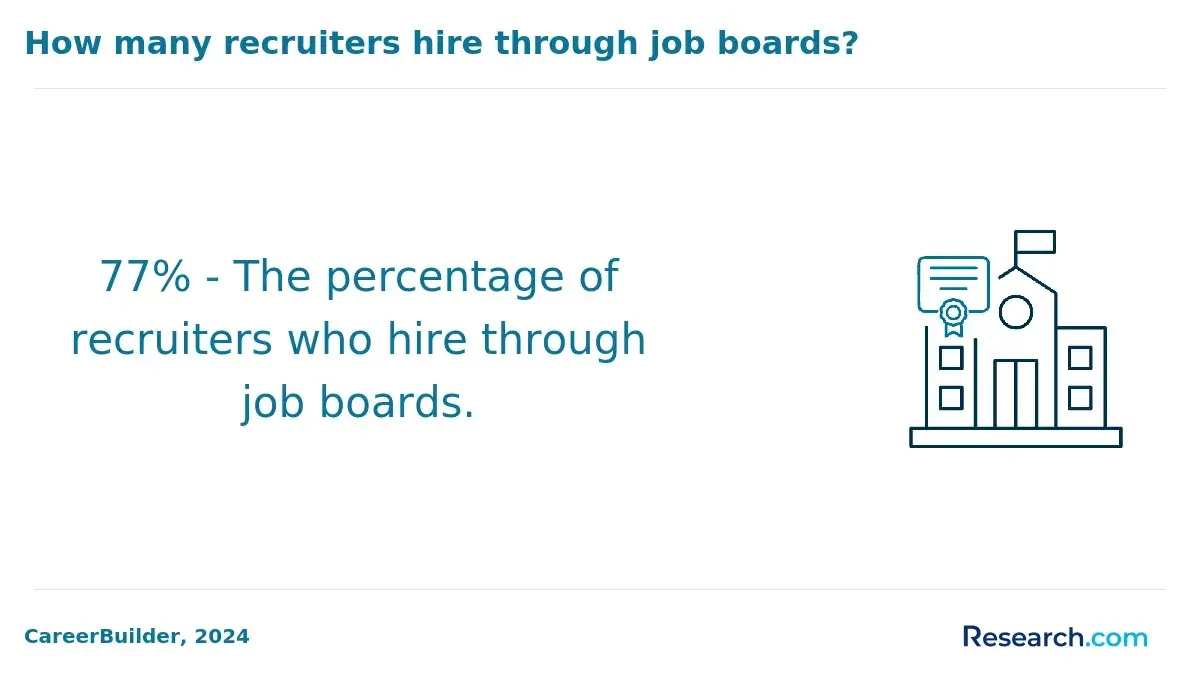
Advancement as a cloud administrator comes from becoming more useful in higher-risk, higher-value work. Routine account management and basic monitoring are entry points. Career growth usually requires stronger skills in automation, reliability, security, compliance, architecture, communication, and leadership.
- Formal Education: Advanced study in computer science, information technology, cybersecurity, data systems, or management can help if you want to qualify for senior technical roles, leadership positions, or specialized work. Structured programs can also fill gaps in networking, systems design, and security theory.
- Practical Skill Development: Build experience through real projects. Automate a deployment, write scripts that reduce manual work, design a backup and recovery process, create cloud cost reports, configure monitoring, and document a secure reference architecture. Employers want evidence that you can improve operations, not only pass exams.
- Industry Certifications: Credentials such as AWS Certified SysOps Administrator, Microsoft Azure Administrator Associate, and Google Professional Cloud Architect can validate your knowledge. They are strongest when paired with production experience, troubleshooting examples, and project documentation.
- Networking and Mentorship: Join professional groups, cloud communities, vendor forums, conferences, and internal communities of practice. Mentors can help you choose certifications, avoid skill gaps, prepare for senior roles, and move into DevOps, site reliability engineering, cloud security, or cloud architecture.
- Business and communication skills: Learn to explain cloud risk, cost, downtime, and trade-offs in plain language. Senior cloud professionals are often judged by how well they help the business make decisions, not only by how well they configure systems.
A strong advancement plan should include one platform specialization, one cross-cutting specialty, and one visible business contribution. For example: Azure administration, infrastructure automation, and reducing unused cloud spend. This combination makes your value easier for employers to recognize.
Cloud administrator career opportunities in Nebraska and across the United States exist in nearly every industry that depends on digital systems. If you are searching for cloud administrator jobs in Omaha NE or a similar regional market, look beyond technology companies. Healthcare systems, banks, schools, manufacturers, government agencies, nonprofits, and consulting firms all need people who can keep cloud environments reliable and secure.
Typical employers in 2025 include:
- Major corporations and technology firms: Large companies like Amazon (AWS), Microsoft (Azure), and Google (Google Cloud) employ cloud admins to manage complex cloud ecosystems. Fortune 500 firms such as JPMorgan Chase, Walmart, and General Electric also hire cloud admins for internal platforms, customer-facing services, and enterprise infrastructure.
- Healthcare systems: Hospitals and networks like Kaiser Permanente and the Cleveland Clinic rely on cloud admins to support uptime, protect patient data, and maintain compliance with regulations like HIPAA. These roles often require careful change management and strong security habits.
- Government agencies: Federal, state, and local entities, including the Department of Defense, use cloud administrators to modernize infrastructure, improve public services, and enforce security and compliance standards. Some roles may require onsite work, citizenship requirements, background checks, or clearance-related processes.
- Educational institutions: Universities and K-12 districts use cloud platforms for research, learning management systems, collaboration, records, and administration. Cloud admins help maintain stability and protect student data. If you are looking for affordable training options before entering the field, the most affordable online colleges that accept FAFSA can be a practical place to compare programs.
- Nonprofits and financial organizations: Banks such as Wells Fargo and many nonprofits hire cloud administrators to manage infrastructure, control costs, support secure access, and improve operational efficiency.
Remote and hybrid roles are common in cloud administration, but they are not guaranteed. Security-sensitive organizations may require onsite work, controlled access environments, or occasional travel to data centers and offices. Regional candidates should also consider managed service providers, consulting firms, local government contractors, and healthcare IT teams, as these employers often provide exposure to multiple cloud environments.
Cloud administration can be rewarding, but it is not a low-pressure role. You may be responsible for systems that affect revenue, patient care, student services, public operations, internal productivity, or customer trust. The work requires accuracy, constant learning, and calm decision-making during incidents.
- Complexities in workload management: Multi-cloud and hybrid environments can be difficult to operate because each platform has different services, billing models, security controls, monitoring tools, and networking patterns. During outages, misconfigurations, or performance issues, cloud admins must identify root causes quickly while minimizing disruption.
- Keeping up with industry evolution and compliance: Cloud providers change services, interfaces, pricing models, and security features frequently. At the same time, regulations such as GDPR and HIPAA require ongoing attention to data protection, access controls, logging, and retention.
- Addressing tightening regulatory demands: Data privacy and security expectations continue to rise. Cloud admins may need to document controls, support audits, enforce least privilege, manage encryption, and prove that systems meet organizational and regulatory standards.
- Bridging the skills gap: The field is competitive because employers need professionals who understand cloud platforms, networking, operating systems, automation, and security. Continuous learning is not optional; it is part of staying employable.
- Managing cost pressure: Cloud resources can become expensive when unused services, oversized instances, poor storage policies, or inefficient architectures go unnoticed. Cloud admins are often expected to help identify waste and support cost controls.
- Handling incident stress: Critical alerts, after-hours incidents, security events, and failed deployments can create pressure. Strong documentation, monitoring, escalation paths, and post-incident reviews help reduce chaos.
The main mistake new cloud admins make is treating cloud work as purely technical. In practice, the role also involves risk management, communication, documentation, financial awareness, and disciplined processes.
To excel as a cloud administrator, focus on becoming dependable in real operating conditions. Employers value people who can prevent problems, respond effectively when systems fail, document their work, automate repetitive tasks, and communicate clearly with both technical and nontechnical teams.
- Develop strong expertise in one major cloud provider such as AWS, Azure, or Google Cloud before trying to learn every platform at once. Depth in one environment is usually more useful than shallow familiarity with several.
- Master automation tools such as Terraform, Ansible, or PowerShell, along with practical Linux and Windows administration. Automation reduces human error and makes your work scalable.
- Use free-tier services, labs, and small personal projects to gain hands-on experience. Build a virtual network, deploy a server, configure identity access, set up monitoring, test backups, and write scripts.
- Pursue certifications such as AWS Certified SysOps Administrator or Microsoft Certified: Azure Administrator Associate to validate your knowledge, but do not rely on credentials alone. Be ready to explain what you have built, fixed, secured, or improved.
- Create a portfolio that includes diagrams, scripts, documentation, screenshots, and short explanations of cloud projects. Focus on automation, security, monitoring, backup, cost control, and troubleshooting.
- Practice clear communication. Cloud admins often need to explain downtime, risk, access issues, or cost increases to managers and users who do not speak in technical terms.
- Document everything important: access changes, network rules, incident timelines, recovery steps, architecture decisions, and recurring issues. Good documentation protects teams during incidents and audits.
- Stay current with provider updates, security advisories, community discussions, and vendor documentation. Cloud platforms change quickly, and outdated habits can create risk.
- Seek mentorship and feedback. A senior engineer, security analyst, or cloud architect can help you identify blind spots and choose better projects for career growth.
Cloud administration may be a good fit if you like technology, troubleshooting, structured problem-solving, and continuous learning. With job growth projected at over 20% by 2025 and competitive salaries, the role attracts many candidates. However, demand alone should not determine your choice. The work can involve pressure, after-hours incidents, complex systems, and constant changes in tools and security expectations.
- Interest in Technology: You should be genuinely curious about how systems connect, scale, fail, recover, and stay secure. Cloud admins must keep learning as platforms and practices change.
- Problem-Solving Skills: The role suits people who enjoy diagnosing unclear issues, reading logs, testing assumptions, and resolving technical problems under time pressure.
- Communication: You need to explain technical problems, risks, and trade-offs to developers, managers, security teams, vendors, and end users. Much of this communication may happen through tickets, chat, documentation, and remote meetings.
- Work Environment Preferences: Cloud administration can be fast-paced and may include after-hours incident response. If you strongly prefer predictable routines and no urgent interruptions, this path may feel stressful.
- Organizational Ability: Managing multiple systems, tickets, alerts, changes, and deadlines requires careful prioritization and documentation.
- Certification Commitment: You should be willing to keep your skills current through certifications, labs, vendor training, and practical projects.
A useful self-test is to build a small cloud lab and maintain it for several weeks. If you enjoy configuring access, fixing errors, reviewing logs, automating tasks, improving security, and documenting your setup, cloud administration may align with your strengths. If you prefer designing software features, analyzing business data, or working mainly with people rather than infrastructure, a related role may be a better fit.
For those exploring cloud administrator career suitability, compare your interests with the demands above and the projected growth figures. If you need a technical foundation before pursuing cloud work, programs from the best vocational schools online may help you build job-ready skills and credentials.
What Professionals Who Work as a Cloud Admin Say About Their Careers
- : "Pursuing a career as a cloud admin has provided me with incredible job stability and a competitive salary that continues to grow. The demand for cloud expertise across industries means I feel confident about my future in this field. — Trace"
- : "The challenges of managing diverse cloud environments keep my work exciting and intellectually stimulating. Every project offers new opportunities to innovate and optimize, making this career truly rewarding. — Sutton"
- : "As a cloud admin, I've had access to continuous professional development and certifications that have accelerated my career growth. The evolving technology landscape encourages lifelong learning, which I find very motivating. — Ezekiel"
Other Things You Should Know About Becoming a Cloud Admin
In 2027, cloud administrators should be familiar with languages like Python, Java, and Go. These languages are crucial for automating cloud tasks, developing cloud-based applications, and managing cloud infrastructure effectively. Mastery of scripting languages like Bash or PowerShell is also beneficial.
In 2027, essential soft skills for a cloud administrator include strong problem-solving abilities, effective communication, and adaptability. These skills are crucial for collaborating with teams, addressing challenges promptly, and navigating the rapidly evolving cloud technology landscape.
Certification plays a significant role in becoming a cloud administrator in 2027 by validating technical skills and industry standards. Popular certifications include AWS Certified Solutions Architect and Microsoft Certified: Azure Administrator, increasing job prospects by demonstrating proficiency with cloud platforms.
- Unveiling the Cloud Administrator Role: Skills, Salary & Certifications | Infosec https://www.infosecinstitute.com/resources/professional-development/what-is-a-cloud-administrator-essential-roles-and-skills/
- Managing the Administrator Credentials for a Database System https://docs.oracle.com/en-us/iaas/Content/postgresql/reset-db-admin-credentials.htm
- What Is Cloud Administration? Understanding the Role and Responsibilities - Techneeds https://www.techneeds.com/2025/03/30/what-is-cloud-administration-understanding-the-role-and-responsibilities/
- How to Become a Cloud Administrator https://www.wgu.edu/career-guide/information-technology/cloud-admin-career.html
- How to Land a Cloud Administrator Role | Must-Have Certifications for 2025 - Web Asha Technologies https://www.webasha.com/blog/how-to-land-a-cloud-administrator-role-must-have-certifications
- 12 Cloud Security Issues: Risks, Threats & Challenges | CrowdStrike https://www.crowdstrike.com/en-us/cybersecurity-101/cloud-security/cloud-security-risks/
- How to Transition from IT Support to a Career in Cloud Administration - StackRoute Learning https://www.stackroutelearning.com/how-to-transition-from-it-support-to-a-career-in-cloud-administration/
- 10 In-Demand Cloud Admin Skills You Should Master in 2021 - Spiceworks https://www.spiceworks.com/tech/cloud/articles/top-cloud-admin-skill/


