2027 Criminal Justice Degrees That Work Best for Public Employees Using Tuition Assistance

Co-Founder and Chief Data Scientist
Public employees pursuing advancement in criminal justice face a critical constraint: how to maximize tuition assistance benefits within rapidly evolving program structures while balancing demanding work schedules. With 61% of adult learners enrolling in at least partially online programs in 2024 according to the National Center for Education Statistics, flexible delivery models have become non-negotiable. However, the growth of online options does not guarantee alignment with workforce requirements, often producing credential inflation without practical skill acquisition.
Navigating these complexities requires strategic selection of degrees that integrate real-world applicability with accessible formats. This article identifies the most effective criminal justice degrees that optimize tuition assistance for career mobility and operational relevance in public service roles.
Key Things You Should Know
- Criminal justice degrees emphasizing forensic technology yield 15% higher mid-career salaries per Georgetown University data, but require costly certification linked to limited tuition assistance coverage.
- Employers in federal agencies prioritize candidates with degrees integrating cybersecurity and legal studies, creating pressure to align curricula with evolving threat landscapes per 2024 Cybersecurity Workforce Report.
- Tuition assistance programs often cap benefits or exclude certificate transitions, delaying degree completion by 1-2 years, forcing employees to balance accelerated timelines against complex academic approvals.
Which criminal justice degrees are most valuable for public employees using tuition assistance?
Public employees leveraging tuition assistance find the most valuable criminal justice degrees are those tightly connected to government roles, emphasizing law enforcement, corrections, cybersecurity, or public administration. Programs focused on criminology and law enforcement administration tend to yield tangible benefits through promotion potential and salary increases, particularly within police, probation, and corrections departments. Prioritizing online bachelor's programs with solid accreditation and practical components, like internships or government partnerships, aligns education with workforce demands.
For public employees seeking specialized federal roles, degrees in forensic science or cybersecurity criminal justice increasingly cater to digital crime and intelligence fields, often commanding higher starting salaries per recent Department of Homeland Security workforce trends. These paths involve extra technical coursework and may prolong time-to-degree, requiring careful assessment against available tuition assistance limits.
Considering the average annual cost of an online bachelor's degree in social sciences is $13,676, as noted by AffordableCollegesOnline, public employees must balance affordability with program length and flexibility. For example, a mid-career city corrections officer using tuition assistance should select programs minimizing credit hours and maximizing transfer credits to avoid unpaid leave or extended costs. Degrees overly centered on theory without credentials often result in poorer returns on investment.
Public employees evaluating the best criminal justice programs for tuition assistance recipients should focus on criminal law, public policy analysis, and management to meet employer expectations favoring practical administrative skills over broad, theoretical study. This orientation better prepares candidates for bureaucratic advancement.
For detailed considerations on how much is criminal justice school and program costs, several resources provide comparative tuition breakdowns aligned with practical workforce outcomes.
How can public employees align criminal justice degrees with promotion and civil service requirements?
Public employees pursuing a criminal justice degree for promotion must navigate complex civil service requirements by aligning their education with agency-specific qualifications. Advancement often hinges on meeting exact credit-hour thresholds in areas like forensic science or public administration, with a police officer seeking a supervisory role needing coursework that integrates recognized management and policy analysis components. Misalignment can result in disqualification from promotion cycles or tuition assistance pitfalls, making it critical to verify degree accreditation and program eligibility early.
Aligning criminal justice education with civil service requirements involves understanding agency mandates on degree accreditation and timing degree completion to match exam schedules. Some public-sector employers require degrees that include embedded practical skills or certifications, such as evidence collection or legal compliance training, which influence promotion eligibility beyond generic degree attainment.
With the Bureau of Labor Statistics projecting 3% employment growth in related fields through 2032, selecting degree specializations geared toward emerging roles like cybersecurity or homeland security can future-proof positions within public agencies. However, degree choice must balance these long-term prospects against immediate promotional criteria and employer policies.
Employees should:
- Consult civil service commission materials to confirm educational requirements.
- Cross-reference degree curriculum with agency promotional criteria.
- Use tuition assistance funds strategically for accredited and policy-compliant courses.
- Plan degree completion to coincide with promotional exam periods.
- Prioritize degrees that integrate practical competencies required by their roles.
Prospective students might also explore online colleges that accept felons if their record influences educational access or employer consideration.
What tuition assistance and employer education benefits are commonly available to public-sector workers?
Tuition assistance programs for public employees are often constrained by strict caps and eligibility conditions that significantly shape educational choices. For instance, the 2025-2026 M/C Tuition Reimbursement Program limits reimbursements to $5,000 per fiscal year per employee, as outlined by the New York State Office of Employee Relations, requiring precise budgeting when pursuing extended or costly programs. These limits disproportionately affect those pursuing public-sector educational benefits for criminal justice degrees, where courses may span multiple years or require specialized certifications that outstrip funding caps.
Employer-funded education benefits generally prioritize degrees aligned with public service roles, such as criminal justice or emergency management, but often exclude newer hires due to tenure requirements and require pre-approval of coursework and proof of passing grades. The administrative complexity and potential delays in reimbursements can be a deterrent, especially for employees balancing shift work or irregular hours. Larger agencies might supplement state aid with scholarships or partnerships, but smaller jurisdictions typically offer only capped reimbursement, forcing out-of-pocket expenses.
Tax implications also distort net benefit value; tuition payments exceeding $5,250 annually may be taxable income, reducing immediate financial advantage. Furthermore, tuition assistance rarely covers expenses like materials, fees, or premium online course costs, which can add up significantly. For students evaluating options, practical attention to these constraints is vital. This includes exploring reputable options like forensic psychology master's programs, which may offer cost-effective pathways complementary to criminal justice educational benefits.
How do online criminal justice programs compare to campus-based options for government employees?
For government employees, online criminal justice degree benefits extend beyond convenience, tangibly influencing job continuity and financial planning. Unlike campus-based programs, which require physical attendance and may clash with shift work or mandatory overtime-common in public sector law enforcement-online curricula offer asynchronous study that fits demanding schedules without sacrificing income or risking leave.
Individuals considering campus-based versus online criminal justice programs for public sector workers must weigh a key tradeoff: campus offerings often integrate hands-on training through labs, local internships, and face-to-face mentorship valued by some agencies for specialized roles. Yet, online programs addressing these through flexible practicum components and community partnerships can bridge experience gaps without relocation.
Cost is a critical differentiator. Western Carolina University's approximately $1,250 annual online tuition illustrates savings that help sustain tuition assistance, an important factor when budgets are limited. Government employees balancing education with service can find these savings vital for long-term upskilling.
Assessing promotional criteria and practical skill demands is essential, especially where local field placements or academy completion are prerequisites. For those exploring career shifts, it's useful to examine pathways informed by workforce realities, including how online learning complements experiential growth versus traditional classroom-based programs.
Additionally, those intrigued by alternative professional routes in public service development might explore whether can you become an architect online applies similarly in flexible learning models.
What accreditation and institutional quality standards should public employees require in a criminal justice program?
Accreditation by recognized bodies like the Council on Criminal Justice Education (ACJS) or regional entities such as the Higher Learning Commission (HLC) directly affects how public sector employers value criminal justice credentials. Without these credentials, programs risk omitting applied lessons essential for operational roles, undermining hiring prospects despite degree completion.
Practical workforce alignment is critical. Programs offering verified graduate employment data, especially from trusted third-party or state reports, provide clearer insight into their true market value. For example, the University of North Texas offers an accredited online criminal justice degree at around $1,500 annually, balancing affordability with meaningful recognition by government agencies.
Key factors influencing a program's utility include:
- Integration of internships with government or law enforcement agencies to expose students to realistic scenarios.
- Curricula focused on applicable legal frameworks and investigative tactics rather than abstract theory.
- Flexible scheduling and recognition of prior experience, vital for working public employees managing education alongside full-time duties.
Neglecting these program components can produce graduates whose qualifications are viewed as insufficient by public employers, squandering tuition assistance and stagnating career mobility. Prospective students should demand comprehensive accreditation documents, outcome reports, and syllabi that reflect contemporary challenges before enrolling.
Which criminal justice degree levels and specializations best support public safety and legal careers?
A bachelor's degree in criminal justice remains the minimum credential for leadership tracks within law enforcement and federal agencies, while master's degrees increasingly cater to specialized roles such as cybercrime investigation or policy development. Officers entering cyber units, for instance, require targeted education in digital evidence and cybersecurity law, which master's programs provide. This specialization aligns with employer demands for skills in data analysis and critical thinking, competencies that advanced degrees emphasize and that correlate with 15-25% higher median salaries in public safety federal jobs.
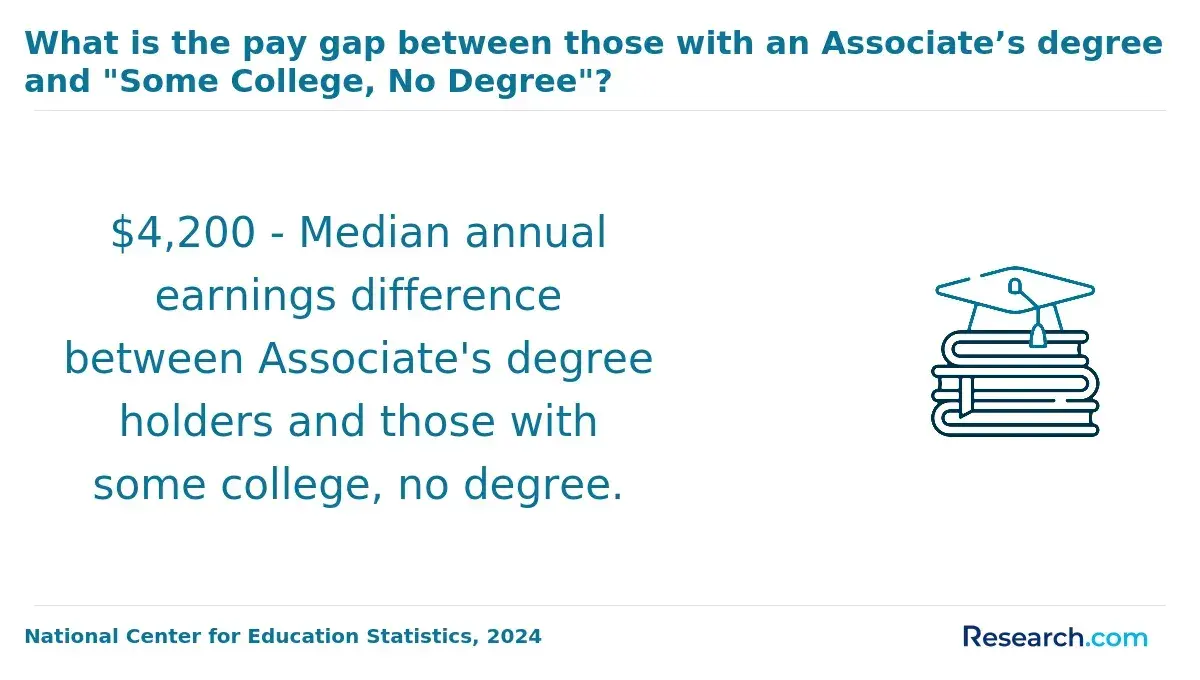
Associate degrees, although sufficient for some entry-level positions, generally limit career progression and salary growth, making them less practical for those seeking long-term advancement. Conversely, specializations like corrections or juvenile justice support roles primarily focused on rehabilitation and probation rather than broader legal functions, which affects career flexibility.
Employers strongly favor degrees accredited by established bodies such as the Academy of Criminal Justice Sciences and those including internships or experiential learning-elements that significantly improve employment outcomes. Candidates using tuition assistance should prioritize programs with direct partnerships targeting law enforcement professionals, exemplified by NYPD's collaboration with Mercy University, which integrates relevant coursework with real-world police work.
What core courses and skills do criminal justice programs teach that transfer to public-sector roles?
Core coursework in criminal justice equips students with critical legal knowledge and analytical skills tailored to public-sector roles, but its true value depends on alignment with specific job functions. For example, conflict resolution and crisis intervention skills are indispensable for officers managing mental health crises, while constitutional law and criminal procedure knowledge are essential for court clerks ensuring procedural compliance.
These programs emphasize practical competencies like report writing and organizational behavior, which are fundamental for supervisory or administrative roles within government agencies. However, students must carefully assess whether curriculum elements directly apply to their intended career path, as public employers increasingly prioritize immediate operational impact over general academic prestige.
Key workforce implications include leveraging evidence-based research methods for policy analysts, who depend on statistical rigor rather than traditional law enforcement training. Additionally, tuition reimbursement programs, such as Delaware's Law Enforcement Officers Education Reimbursement Program, highlight the importance of choosing programs that not only fit job requirements but also maximize financial and time investments.
Decision-makers weighing criminal justice education should consider:
- How coursework translates into daily job responsibilities, particularly in roles demanding specialized knowledge or administrative skills
- The timing and eligibility criteria of employer tuition assistance programs tied to workforce performance benchmarks
- The balance between foundational theory and applied skills to ensure relevance amid evolving legal and public safety environments
What are typical admission, transfer credit, and prior learning assessment policies for working adults?
Admissions policies for working adults in criminal justice programs often prioritize transferable academic credits and relevant professional experience over standardized test scores, reflecting practical recognition of career trajectories. Institutions commonly accept an associate degree or a minimum of 24 credits from accredited colleges and may allow transfer credit up to 75% of bachelor's degree requirements, depending largely on course relevance and accreditation status.
This transferability can significantly decrease time to degree completion, a key factor for working professionals balancing employment. Prior learning assessments (PLA) present critical avenues for public employees-such as law enforcement officers-with extensive job training or military experience. PLA can account for 15 to 30 credits through evaluation of certifications and workplace learning, effectively shortening program length. However, some schools require detailed portfolios or exams, introducing tradeoffs between accelerated progress and administrative complexity.
From an employment perspective, assessing credit transfer and PLA strategically can determine whether a student follows an expedited path or faces extended study periods. Public employees leveraging tuition assistance should confirm eligibility for federal and state grants, as documented by John Jay College of Criminal Justice, to optimize funding. Early engagement with admissions advisors to obtain transfer audits and clarify PLA requirements is essential to align educational planning with agency tuition reimbursement policies and minimize unexpected delays or costs.
Without careful navigation, students risk redundant coursework and misaligned credentials, limiting both workforce agility and recognition of prior expertise.
How much do criminal justice degrees cost, and how can public employees minimize out-of-pocket expenses?
Public employees pursuing a bachelor's degree in criminal justice face a complex cost structure heavily influenced by institution type, residency, and program delivery. While tuition ranges broadly from $15,000 to $45,000, leveraging employer tuition assistance can drastically reduce personal expenses-sometimes covering 50% to 100% of costs. For instance, a municipal police officer benefiting from full tuition reimbursement could effectively lower a $30,000 degree to a fraction of that amount, primarily out-of-pocket fees and materials.
However, such benefits usually require a commitment to continued public service, creating a tradeoff between immediate savings and future job flexibility. Candidates with limited off-the-job time should consider flexible online programs that integrate employer partnerships to maximize funding and minimize indirect costs like lost wages or travel.
The practical outcome of program accreditation cannot be overstated, as it affects eligibility for financial aid and employer tuition help. Choosing accredited in-state public universities often yields significant tuition savings compared to private or out-of-state options.
Additional funding from scholarships and grants aimed at law enforcement professionals aligns with a labor market forecasting 35% growth in security guard employment in New York through 2030. This indicates that investments in criminal justice education tailored to public-sector roles stand a better chance of tangible returns.
What criminal justice careers, salaries, and job outlook can tuition-assisted public employees expect?
Targeting roles such as detectives, criminal investigators, or first-line supervisors is critical for public employees leveraging tuition assistance in criminal justice, as these positions demonstrably offer clear salary growth and demand stability. For instance, detectives and criminal investigators in New York earn median wages around $111,630 yearly, while first-line supervisors earn approximately $122,760, according to CriminalJusticeDegreeSchools referencing BLS data.[15]
However, wage premiums in this sector are closely tied to a blend of formal education and practical experience. Candidates must navigate real workforce expectations that favor leadership capabilities alongside degree credentials. Internships, agency collaborations, and certifications in niche areas like cybercrime or forensic analysis enhance competitiveness significantly.
Choosing to pursue advanced credentials while employed involves weighing opportunity costs carefully. Part-time study may offer flexibility but risks insufficient experiential depth, potentially slowing promotion efforts constrained by public sector assistance budgets.
Many employers require a bachelor's degree paired with proven field performance for advancement. Thus, a hybrid approach balancing on-the-job expertise with strategically selected coursework designed to cultivate investigative skills and leadership is essential for maximizing employability and salary trajectory after graduation.
Other Things You Should Know About Criminal Justice
Tuition assistance often has caps per credit hour and limits on eligible programs, which may exclude some specialized criminal justice concentrations or advanced certifications. Public employees must verify that their tuition benefits cover essential courses without unexpected out-of-pocket expenses for fees or materials common in law enforcement-focused curricula. Programs with straightforward cost structures and transparent benefit use policies reduce administrative burdens and financial surprises.
Public employees must meet specific criteria, including being a full-time employee for at least one year and maintaining satisfactory job performance, to use tuition assistance for criminal justice degrees in 2027. Program availability and amount covered depend on the agency's policy.
Yes. Many agencies require repayment if you resign, are terminated for cause, or fail to complete the course. Common rules use a service agreement tied to 1–3 years of continued employment, and some employers prorate repayment based on unused months of the commitment.
References
- Are Education Programs in Prisons Worth It? https://www.mackinac.org/S2023-01
- Salary Guide for Criminal Justice Professionals in New York https://www.allcriminaljusticeschools.com/criminal-justice/criminal-justice-salaries/new-york/
- Criminal Justice - Diploma https://www.southeastmn.edu/major/Criminal-Justice-Diploma/
- What Jobs Can I Get with a Criminal Justice Degree? https://www.pearsonaccelerated.com/blog/what-jobs-can-i-get-with-a-criminal-justice-degree.html
- Jobs with a degree in Criminal Justice | Monroe University https://www.monroeu.edu/academics/undergraduate-programs/school-criminal-justice/what-can-you-do-criminal
- Policy 1.023 - Credit for Validated Skills Learning and PLA https://www.rpcc.edu/about-us/policies-procedures/policy-prior-learning
- How to Choose a Criminal Justice Specialization | AIU https://www.aiuniv.edu/degrees/criminal-justice/articles/how-to-choose-a-criminal-justice-specialization
- Talent Studies: Investing in employee education benefits everyone https://www.luminafoundation.org/our-work/talent-investments/
- The Strategic Value of Tuition Assistance: Four Essential Questions for Employers https://www.uschamberfoundation.org/workforce/the-strategic-value-of-tuition-assistance-four-essential-questions-for-employers
- Employer-offered educational assistance programs can help pay for college | Internal Revenue Service https://www.irs.gov/newsroom/employer-offered-educational-assistance-programs-can-help-pay-for-college