2027 Online Criminal Justice Degrees That Help Build Court Support Skills

Co-Founder and Chief Data Scientist
When tasked with supporting complex court procedures, many criminal justice professionals face the challenge of acquiring highly specialized skills without interrupting demanding work schedules. The Bureau of Labor Statistics projects a 9% growth in court-related roles through 2032, amplifying competition and the urgency for practical, career-aligned education. Yet, more than 60% of recent adult learners choose online degree programs precisely for their flexibility, reflecting a broader shift toward accessible upskilling that accommodates employment and family responsibilities.
This dynamic compels prospective students to identify programs that genuinely hone court support competencies while fitting real-world constraints. This article examines online criminal justice degrees tailored to court support skills and evaluates how they align with workforce needs and scheduling realities to guide informed enrollment decisions.
Key Things You Should Know
- Online criminal justice degrees offering court support skills deliver a 12% median salary premium but extend time-to-completion by 18% due to rigorous legal practicum requirements, impacting cost-efficiency decisions.
- Employers in 2024 prioritize graduates with specialized e-discovery and case management expertise, recorded in DOJ workforce analyses, heightening competitive advantage for tech-integrated online curricula.
- Public sector hiring projections note a 7% increase in roles requiring verified online certification by 2027, pressuring candidates to balance upfront tuition costs against accelerated credential recognition.
What is an online criminal justice degree focused on court support, and who is it for?
Online criminal justice degree programs for court support careers emphasize applied skills essential to navigating court procedures and legal documentation with precision. These programs prepare students to function as court clerks or judicial support personnel who handle courtroom technologies, evidence management, and legal terminology, which ensures smoother litigation workflows and reduces administrative delays.
Students pursuing court support skills training in online criminal justice degrees often include law enforcement officers seeking to transition into administrative roles, paralegals wanting specialized court expertise, or professionals balancing work and family commitments. For example, a security professional moving toward court administration will find online coursework combined with part-time practicums valuable for building relevant, employable capabilities.
Tradeoffs arise as purely online programs rarely offer the full experiential exposure needed; most require hybrid or in-person practicums to master case management software and simulated court environments. This practical training is frequently a prerequisite for employers aiming to minimize new-hire retraining.
Labor market data from the University of Kansas projects 207,786 annual openings through 2035 in criminal justice and related fields, with median wages around $66,800, validating consistent demand for skilled court support workers. Still, candidates must evaluate online program accreditation and practicum access rigorously to secure employer recognition and valid credentials.
Those assessing costs and investment should consider how much does it cost to get a criminal justice degree as a critical factor affecting program selection and return on investment.
How do online criminal justice programs build practical court support and courtroom administration skills?
Online criminal justice programs emphasize court support skills development through practical, scenario-based training that includes filing motions, managing case schedules, and maintaining evidence logs. A typical example involves navigating virtual simulations replicating strict court deadlines while juggling multiple case files, reflecting the multitasking and procedural precision demanded in real court administration roles.
These programs also integrate practical courtroom administration training in online criminal justice degrees by teaching the use of courtroom technologies like electronic case management systems and digital evidence presentation tools. This technical proficiency is vital for minimizing operational delays and legal errors flagged by employers as significant risks.
Many programs offer internships or practicum opportunities within legal offices or courtrooms, allowing students to apply skills in authentic professional environments. Such hands-on experience deepens understanding of courtroom decorum and formal processes crucial for roles like court clerks or bailiffs, where procedural knowledge directly impacts case outcomes and courtroom efficiency.
From a workforce perspective, cost efficiency is a key consideration. For instance, Purdue Global's online criminal justice tuition is $371 per credit for the standard BS, while the accelerated ExcelTrack BS charges a flat $2,500 per 10-week term. This structure particularly benefits working professionals seeking to acquire practical court administration skills without significant income disruption.
Prospective students with unique circumstances can also explore tailored educational paths through degrees for felons, ensuring accessibility alongside rigorous training in court support skills.

Are online criminal justice degrees for court support roles respected and properly accredited?
Employer hiring standards for court support roles like court clerks, paralegals, and probation officers prioritize degrees from regionally accredited programs with recognized programmatic approval. Institutional accreditation-endorsed by bodies such as the Council for Higher Education Accreditation (CHEA)-is essential to meet federal or state employment requirements, particularly where access to sensitive legal information is concerned.
The reputation of online criminal justice programs for court support roles hinges largely on curriculum relevance. Programs must integrate competencies like legal terminology, court procedures, and ethics to prepare graduates for jurisdiction-specific procedural demands. Candidates enrolling in programs without these focused elements risk meeting employment barriers or needing supplementary training.
Cost is a practical consideration affecting accessibility and career pivot decisions. Concordia University, St. Paul offers a fully online BA in Criminal Justice priced at $17,100 tuition total, which sits below many private online bachelor's programs and can alleviate financial strain for working adults. Such affordability can be decisive when balancing quality against debt.
Prospective students should rigorously verify accreditation, curriculum alignment, and employer expectations in their jurisdiction. Doing so ensures the degree not only facilitates entry into court support roles but supports sustainable advancement.
For professionals interested in broader interdisciplinary opportunities, exploring related fields like forensic psychology master's programs online can complement criminal justice training and expand career pathways.
What types of criminal justice degrees prepare you for court support careers?
Choosing a criminal justice degree with focused court support skills requires balancing theoretical knowledge with practical application. Associate's, bachelor's, and master's programs that concentrate on court procedures, forensic evidence, and legal ethics better position candidates for roles such as court clerks, bailiffs, and legal assistants. A bachelor's degree often represents a strategic midpoint, providing foundational theory alongside proficiency in records management and courtroom protocol, which are frequent employer demands.
Specialized tracks, including legal studies or court administration, equip students with essential competencies like drafting legal documents and navigating evidentiary rules. These applied abilities meet the operational needs of courts that now rely heavily on technology such as e-filing platforms and case management software. Candidates familiar with state and federal court systems gain practical advantages.
Cost remains a decisive factor for many students, especially working professionals. For example, CU Denver charges $403 per credit for residents benefiting from the College Opportunity Fund, versus $623 for non-resident online students-a roughly 55% premium that affects return on investment calculations. Given median salaries in court support roles typically range from $40,000 to $60,000, prospective students must weigh affordability against curriculum relevance carefully.
Practical experience-through internships or simulations in real court settings-is a differentiator employers look for beyond academic credentials. Students without prior legal exposure should consider applied certificates or minors in paralegal studies alongside online criminal justice programs focused on court support skills to enhance job readiness.
Those exploring career pivots in criminal justice may also assess related fields such as being a sport analyst, though the skill sets diverge substantially in content and workplace environment.
What courses and learning experiences typically appear in court support-focused criminal justice programs?
Court support-focused criminal justice programs prioritize practical skills aligned with courtroom operations, preparing students for roles such as court clerks, bailiffs, and legal assistants. The curriculum zeroes in on drafting subpoenas, managing court records, and facilitating communication among law enforcement and judiciary staff-skills that directly translate to entry-level employment.
Experiential learning is a critical differentiator, often combining internships with local courts, simulation exercises, and case studies. These components cultivate proficiency in case file management, rules of evidence, courtroom technology like electronic filing systems, and the ethical standards expected in public safety roles. Students unprepared for these interactive demands risk extended job search periods due to their limited hands-on courtroom exposure.
Prospective students face tradeoffs between program cost and practical return on investment. For instance, Southern New Hampshire University's BS in Criminal Justice online charges $330 per credit, considerably lower than many public competitors charging upwards of $400 to $600 per credit. This pricing advantage matters in a sector where starting salaries for court support positions tend to be moderate.
Deciding among programs should also hinge on alignment with certification or state licensing prerequisites and verified pathways to internships. Maintaining these connections reduces common obstacles in securing meaningful experiential placements. Ultimately, programs balancing structured legal coursework with courtroom practicum offer the clearest pathway to workforce readiness.
How do online criminal justice programs compare to campus options for court support training?
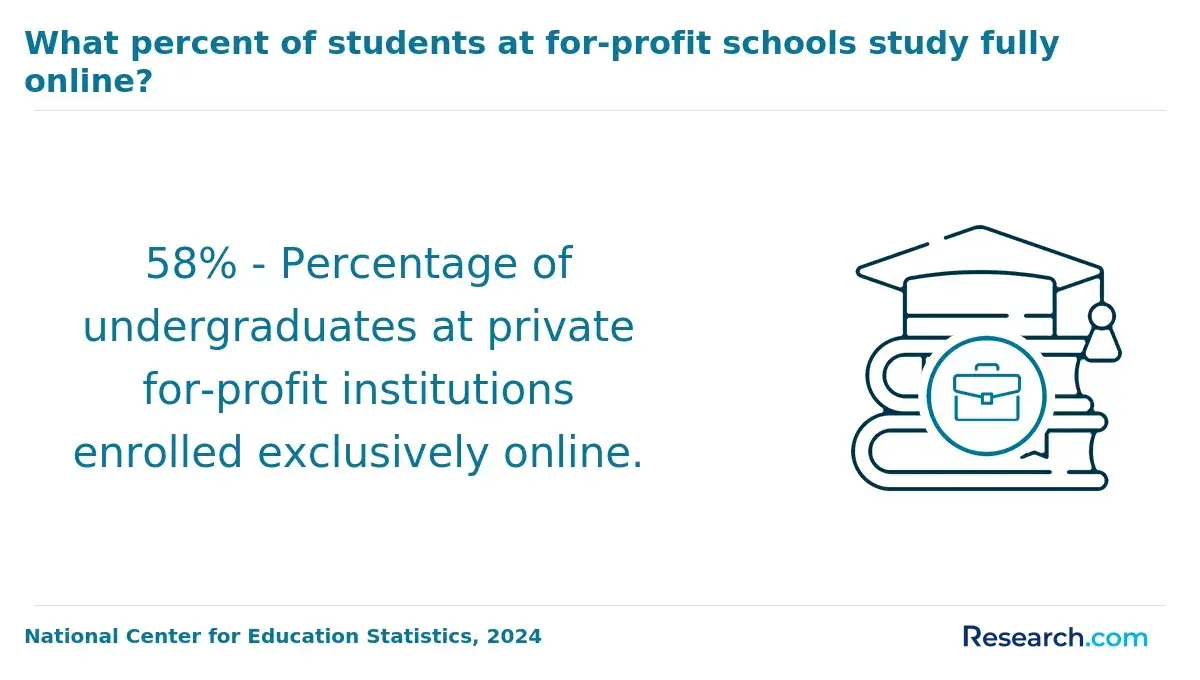
Choosing between campus and online criminal justice programs involves a tradeoff centered on practical courtroom experience versus flexible learning. Campus programs typically embed students in structured settings offering direct access to on-site internships, mock trials, and in-person mentorship. These elements are essential for mastering courtroom dynamics, such as evidence handling and courtroom decorum, especially under pressure.
In contrast, online students often juggle virtual coursework with self-sought local court placements, which can delay hands-on proficiency and complicate scheduling. This creates a logistical barrier for those without easy court access. Although employers increasingly recognize hybrid training models, direct courtroom experience remains a critical differentiator in hiring decisions.
Cost also factors heavily into this equation. Taking the Penn State World Campus online BS in Criminal Justice as an example, tuition can surpass $76,000 due to per-credit rates between $638 and $685 for a 120-credit degree. While campus programs may add living expenses and fees, they often offer integrated networking opportunities that can accelerate early career advancement.
Campus options favor students targeting court clerk or paralegal roles demanding courtroom exposure. Online programs suit working professionals who prioritize flexibility and can navigate delayed experiential learning. Prospective students must evaluate their local court access, financial capacity, and career goals to align program format with employer expectations and realistic skill acquisition timelines.
What are the typical admission requirements for online criminal justice degrees in court support?
Entry into online criminal justice programs focused on court support demands more than a high school diploma; candidates must typically demonstrate steady academic performance with a GPA threshold around 2.0 to 2.5. While standardized tests like the SAT or ACT may still be requested, many programs now waive these requirements if applicants can substantiate relevant work experience or previous college credit, reflecting a shift toward recognizing practical readiness over test scores.
Prior learning assessment (PLA) presents a notable cost and time-saving opportunity. For instance, students with military or law enforcement experience may qualify to earn up to 30 tuition-free credit hours, significantly reducing both expenses and the duration to degree completion. This advantage is vital for those seeking swift workforce reintegration while maintaining financial feasibility.
Obstacle considerations include background checks and professional references to safeguard court-related roles' ethical and legal integrity. Additionally, balancing part-time enrollment with ongoing employment is a practical necessity for many mid-career individuals transitioning into court support. This balancing act shapes the pace and affordability of credential attainment without compromising existing job responsibilities.
Prospective students should weigh these criteria and program-specific variances carefully, as admission thresholds and credit transfer policies directly influence career trajectory and time-to-employment in this specialized field. Informed decisions hinge on understanding how prior experience, academic benchmarks, and compliance with security protocols converge to meet employer expectations in criminal justice environments.
How long do online criminal justice programs take, and what do they cost?
Completing an online criminal justice bachelor's degree often extends beyond the nominal four-year timeline when balancing work or family commitments. While most programs require around 120 credits, actual time to finish can stretch to five or six years for part-time students due to limited course loads. This delay impacts both total cost and opportunity cost, as students weigh tuition alongside lost wages or reduced work hours.
For example, a tuition rate like Texas State University's $405 per credit hour means a full degree can cost over $48,000 before fees. More affordable in-state public universities or community college transfer options can reduce sticker prices but introduce challenges with credit transfer and employer recognition. Employers typically prioritize candidates who have completed their bachelor's degrees rather than those with partial credits, making realistic time and cost planning essential.
Prospective court support professionals must balance program length, cost, and career goals thoughtfully. Accelerated or part-time tracks offer flexibility but may require sacrifices elsewhere. Specialized certificates or associate degrees provide faster skill acquisition but often lack the advancement potential of a full degree. Understanding these tradeoffs helps align education choices with long-term workforce outcomes.
What court support jobs can you get with an online criminal justice degree, and what do they pay?
Employment in court support roles following an online criminal justice degree reveals significant variability in salary and job demands tied to specific positions. Probation officers, for instance, earn roughly $50,000 to $60,000 annually but may face high caseloads and emotional stress that impact job satisfaction and turnover. Parole agents start near $48,000, with potential increases up to $65,000 depending on local policies and experience, yet often require state certification beyond degree completion.
Victim/witness advocates, whose tasks blend counseling with case preparation, usually earn between $38,000 and $52,000, reflecting specialized skill sets that involve direct client interaction and trauma-informed approaches. Crime analysts report median salaries ranging from $60,000 to $70,000, leveraging data interpretation skills essential for law enforcement and court decision-making.
A practical challenge for many working adults pursuing this degree online is balancing the program's flexibility against the extended timeline needed for supervised field experience or certifications, which commonly precede wage increases. For example, probation officers coordinate offender schedules and reports influencing sentencing, requiring both legal knowledge and interpersonal aptitude not fully covered by online coursework alone.
Programs with judicial internships or partnerships strengthen employability by providing early practical exposure and competitive edges in salary negotiations. Those weighing an online criminal justice degree for court support should deliberate tradeoffs between initial wages, role stressors, and certification requirements to align education investments with long-term career objectives.
How is the job outlook for court clerks, bailiffs, and other court support professionals?
Employment growth for court clerks, bailiffs, and related court support roles is projected at 7% nationally through 2034, mirroring average occupational trends but varying by jurisdiction and specialization. Larger courts or those with specialized divisions often demand bailiffs with experience, offering better pay or advancement, particularly at federal or state district levels. Conversely, court clerk positions face automation pressures on routine tasks, shifting employer preferences toward candidates skilled in electronic filing systems and multiagency coordination.
Online criminal justice education programs have expanded access, listing over 90 distance-learning options by 2025, but increased candidate volume intensifies competition-especially for entry-level roles. Many programs focus on theoretical knowledge and general court-support skills, yet employers consistently prioritize hands-on experience with court software and demonstrated organizational capabilities.
Graduates targeting court roles should:
- Choose programs integrating court management software training with theory.
- Pursue internships or part-time court work to gain practical exposure.
- Develop thorough documentation and communication skills valued by courts.
The absence of practical experience often places online degree holders at a disadvantage versus peers with comparable credentials but stronger applied skills. Strategic combinations of formal education and real-world court experience remain essential to meet employer demands and secure sustainable roles within the evolving court support landscape.
Other Things You Should Know About Criminal Justice
Balancing full-time work with an online criminal justice degree is possible but requires careful program selection. Programs with asynchronous formats and flexible deadlines offer better adaptability for working professionals. However, rigorous courses with tight deadlines or frequent live sessions can limit your ability to maintain work performance, making it essential to evaluate each program's workload and scheduling before enrolling.
Online degrees from accredited programs are generally viewed on par with traditional degrees in court support fields, provided they emphasize relevant skills and practical coursework. Employers focus more on demonstrated competencies, internships, and professional experience than delivery mode. Prioritize programs with strong applied learning components and employer partnerships to improve outcomes beyond just the degree format.
Remote students often encounter challenges such as limited access to practical internships, less peer interaction, and the need for strong self-discipline. Lack of hands-on courtroom experience may reduce readiness for some employers, so selecting programs that incorporate virtual simulations or local internship arrangements is critical. Poor time management and insufficient employer networking during study can also hinder job placement success post-graduation.
References
- Online Bachelor’s Degree in Criminal Justice | Warner Pacific https://www.warnerpacific.edu/programs/criminal-justice/
- Court & Legal Clerks https://skillsroad.com.au/careers/industries/legal/court-and-legal-clerks
- What Does a Court Clerk Do? Job Description, Duties, and Key Tools https://www.timesolv.com/resources/blog/what-does-a-court-clerk-do/
- Explore Bachelor's Degree in Criminal Justice | All Criminal Justice Schools https://www.allcriminaljusticeschools.com/criminal-justice/criminal-justice-bachelors-degree/
- What Is Criminal Justice? Core Components, Majors, and Classroom-to-Career Skills https://www.ucumberlands.edu/blog/what-criminal-justice-core-components
- Guide To Criminal Justice Degrees And Majors https://www.criminaljusticedegreeschools.com/degrees/
- What Can You Do With a Degree in Criminal Justice? | UMass Global https://www.umassglobal.edu/blog-news/what-can-you-do-with-a-criminal-justice-degree
- Criminal Justice Associates Degree Online at MSC Southeast https://www.southeastmn.edu/major/Criminal-Justice-AAS/
- How a Criminal Justice Degree Could Support Long-Term Skill Development https://www.aiuniv.edu/degrees/criminal-justice/articles/online-criminal-justice-degree-advancement
- Earning a Criminal Justice Degree Online | University of Bridgeport https://www.bridgeport.edu/news/earning-a-criminal-justice-degree-online/