2027 Best States for Criminal Justice Career Growth

Co-Founder and Chief Data Scientist
Securing a sustainable career in criminal justice demands navigating high competition and evolving workforce demands while balancing education accessibility and real-world experience requirements.
Approximately 60% of criminal justice students in 2024 enrolled part-time or sought online options, reflecting a broader shift in adult learners prioritizing flexibility amid work and family commitments, according to the National Center for Education Statistics. This trend complicates decisions around when and where to study, as program structure heavily influences employability and advancement opportunities.
This article identifies the best states for criminal justice career growth, analyzing regional job markets, educational accessibility, and pathways that optimize strategic career progression for prospective students and professionals.
Key Things You Should Know
- States with above-average wage growth in criminal justice roles, like Texas and Florida, face talent shortages due to limited advanced training programs, forcing candidates to weigh rapid employment against career ceiling risks.
- Employers in California and New York increasingly prefer candidates with interdisciplinary cybersecurity certifications, signaling a shift toward hybrid skill sets over traditional criminal justice degrees alone.
- Midwestern states offer lower tuition but slower job market expansion, requiring candidates to balance education affordability against delayed entry into high-demand urban criminal justice sectors.
Which states offer the strongest criminal justice career growth?
California stands out as the prime state for criminal justice career growth due to its broad range of police officer opportunities supported by competitive salaries and advanced professional development. The size and complexity of its metropolitan departments—especially in Los Angeles and San Francisco—accelerate career progression by offering early exposure to specialized units and leadership roles.
This is part of what makes California one of the best states for criminal justice job opportunities, although candidates must weigh this against higher living costs and stringent certification demands.
In contrast, states with lower rankings, such as Hawaii, face notable structural barriers, including fewer openings, limited funding, and slower promotion pipelines. These constraints extend hiring timelines and reduce the variety of roles available, which can stall advancement despite stable employment.
Evaluating top states with the fastest criminal justice career growth requires attention to factors beyond surface-level statistics. Investment in community policing, interagency cooperation, and technological tools directly influences workforce outcomes, favoring jurisdictions that integrate these elements.
Prospective professionals should prepare by attaining accredited credentials aligned with such expectations, including skills in data analysis and cultural competency.
Those seeking specialized roles, like an FBI profiler, will find state-specific factors critical to timing and training pathways. Practical realities often dictate career acceleration more than mere general workforce demand.
What criminal justice jobs are growing fastest in each state?
Positions in correctional and security fields are expanding fastest in several states due to shifts in incarceration practices and facility management. Texas exemplifies this trend with probation officer growth stemming from reforms favoring supervision over imprisonment, placing a premium on skills in risk assessment and client relations.
North Carolina holds the top spot nationwide for employment concentration in criminal justice roles at 0.43 per 1,000 residents, expanding beyond traditional positions into forensic science technicians and cybercrime specialists who need advanced certifications.
California's rising need for cybercrime analysts, shaped by its tech sector's digital vulnerabilities, demands expertise in data analysis tools and legal knowledge about digital evidence.
In contrast, New York's urban police departments prioritize detectives and criminal investigators whose value lies in investigative experience and courtroom proficiency over purely technical skills. These geographic variations reveal how criminal justice career opportunities in each state depend heavily on local industry demands and sectoral focus.
Federal criminal justice growth centers on homeland security and intelligence roles requiring stringent vetting and frequent recertifications, implying long-term commitment in these careers. Florida and Washington State illustrate how practical entry requirements differ: Florida favors interpersonal skills and crisis management, while Washington demands scientific degrees and laboratory experience.
Job seekers must weigh education costs and timelines carefully, prioritizing certifications in specialties like digital forensics in North Carolina or probation management in Texas to align with the fastest-growing criminal justice jobs by state.
Those exploring forensic pathways can review detailed forensic career paths and salary data to better assess educational investment versus workforce demand.
Which states pay the highest criminal justice salaries?
California leads the nation in offering the highest criminal justice salaries, largely due to robust budget allocations and a higher cost of living. Its top ranking in WalletHub's analysis, scoring 63.76 points, illustrates a balance of competitive pay and demanding work environments.
Entry-level officers in high-paying states like California can earn over $80,000 annually, while top-tier roles surpass $100,000. This salary scale sharply contrasts with states such as Mississippi or Arkansas, where starting wages often fail to reach $40,000, influencing workforce quality and retention challenges.
Graduates targeting police careers must weigh these salary differences alongside living expenses and training availability. For example, a criminal justice graduate seeking work in California may encounter a more costly lifestyle but benefits from broader education access and career mobility.
Conversely, professionals in economically constrained states often face financial strains, sometimes requiring supplemental jobs or relocation to sustain advancement prospects.
States including California, Texas, and New York, recognized as top-paying states for criminal justice careers, combine competitive salaries with operational complexity that boosts skill development, particularly at senior or federal levels. Candidates should carefully evaluate employer expectations, training prerequisites, and cost-of-living factors to optimize long-term outcomes in these regions.
For those pursuing educational advancement, exploring online degrees in Spanish may offer flexible pathways that complement career goals in criminal justice through interdisciplinary skills and enhanced employability.
What degree do you need for criminal justice careers?
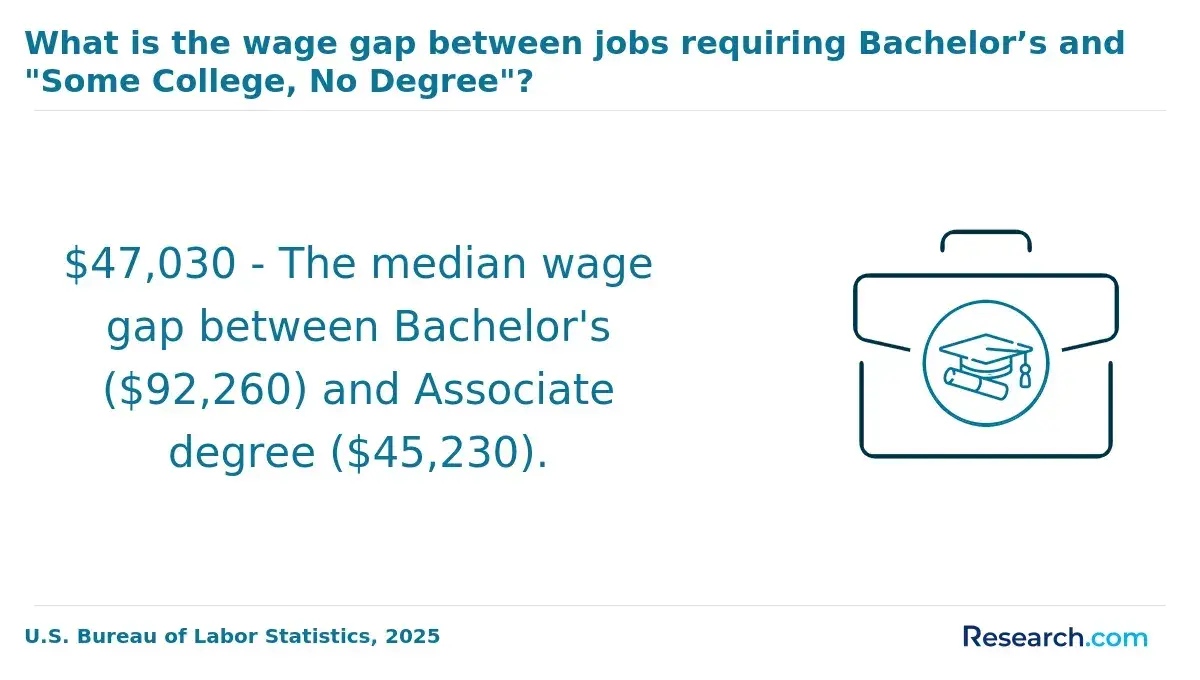
Entry into criminal justice roles demands varying education levels depending on the position, with a baseline often starting at an associate degree or certification for roles such as corrections officers or aides. However, employers in leading states now emphasize a bachelor's degree for federal law enforcement, probation, and specialized investigative jobs, directly influencing salary scales and promotional opportunities.
This dynamic highlights the significant difference in hiring expectations across jurisdictions, which prospective students should assess when considering criminal justice degree requirements in top states.
Corrections officers typically begin with a high school diploma, but states like Texas—recognized as the best state for corrections officers by Corrections1's 2024 poll—illustrate how an associate degree can improve recruitment prospects and career mobility.
Urban versus rural hiring practices further complicate pathways: where rural areas may prioritize practical experience or on-the-job training, urban centers often mandate formal education upfront.
Advanced careers such as forensic analysts or criminal psychologists almost always require graduate degrees paired with relevant licensure. Additional certifications in niches like cybercrime or forensic accounting bolster competitiveness but do not replace formal degrees.
Students should consider workforce entry speed versus long-term flexibility while tailoring their degree path. For those interested in specialized technical roles, resources like portals that teach how to become an autopsy technician offer further insight into niche career tracks.
Prioritizing a bachelor of science or arts degree, with coursework aligned to law, psychology, or forensic science, remains the most practical approach for advancing in criminal justice careers across diverse agencies. Evaluating best degrees for criminal justice careers in leading states requires balancing cost, employability, and licensing requirements to support meaningful career pivots rather than superficial credentialing.
Are online criminal justice programs as credible as campus programs?
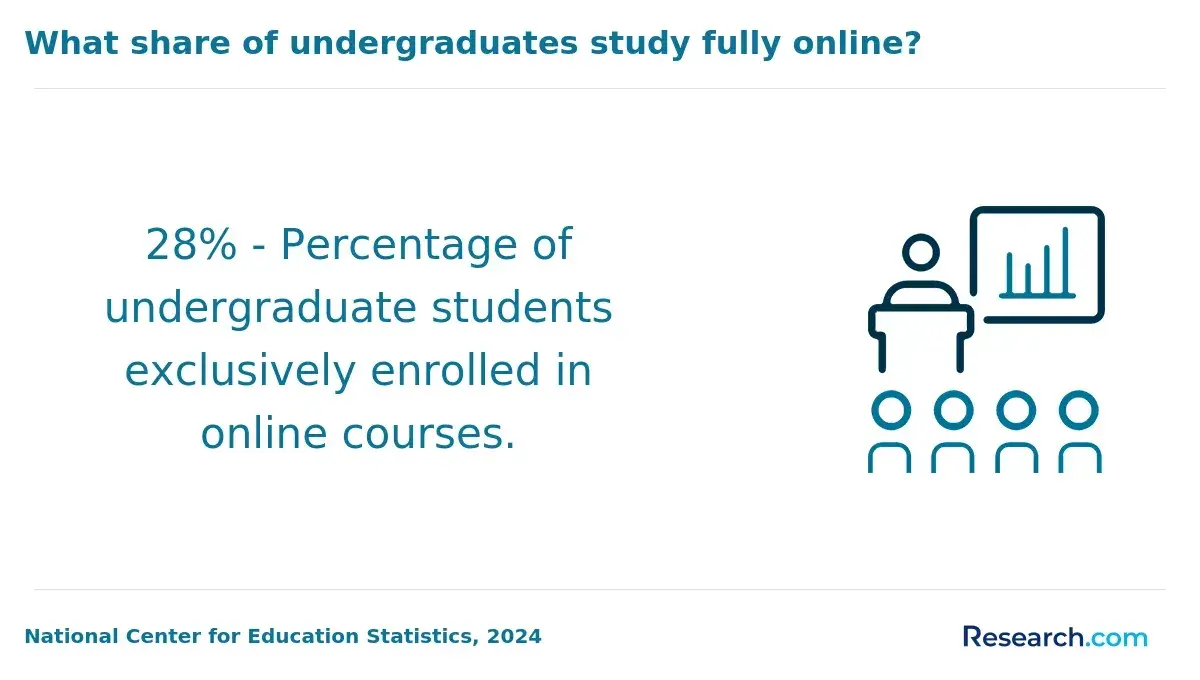
Employers in law enforcement and corrections prioritize accredited credentials and demonstrable experience rather than the instructional format-online or campus-based. Graduates from regionally accredited online programs who supplement their education with internships or fieldwork compete directly with traditional on-campus candidates.
Yet, online students must often take extra initiative to connect with practical opportunities outside the virtual environment, while campus students benefit from integrated hands-on experiences and direct faculty mentorship, which can accelerate early career placement.
Licensing bodies and state certifications focus on accredited completion and relevant coursework without distinguishing delivery method, placing equal weight on degrees whether earned online or in person. According to the U.S. Bureau of Labor Statistics, the median annual wage for postsecondary criminal justice and law enforcement educators was $76,510 as of May 2023, underscoring the monetary value of recognized academic achievement in this sector.
For online graduates entering the workforce, it is critical to augment their degrees with certifications, agency-affiliated projects, or volunteer work to offset potential employer preferences for campus networks.
Prospective students should realistically balance the flexibility and cost benefits of online programs against the need for proactive experience-building to meet employer expectations and advance their careers effectively.
What accreditation should a criminal justice program have?
Selecting a criminal justice program without regional and specialized accreditation imposes significant barriers in employment and educational continuity. Regional accreditation is a baseline requirement for federal financial aid and credit transfer, but it does not guarantee alignment with professional standards critical to law enforcement and policy roles.
Programs accredited by the Academy of Criminal Justice Sciences (ACJS) clearly demonstrate curriculum relevance to current legal and operational realities, which employers increasingly prioritize.
For instance, police departments anticipating a 4% hiring growth from 2023 to 2033—the U.S. Bureau of Labor Statistics projection—favor ACJS-accredited graduates because their training reflects statutory requirements and practical competencies. This translates into advantages in hiring, certification eligibility, and promotion opportunities.
Students in non-accredited or nationally accredited programs often face restricted access to placement exams and limited credit transferability, complicating advancement into federal roles or specialized certifications. Failure to verify both institutional and ACJS accreditation can lead to wasted time, extra costs for remedial training, and missed entry requirements for positions like detective or federal agent.
Prospective students must consider these accreditation layers as strategic filters to mitigate risks and enhance career stability within criminal justice professions.
What courses are in a criminal justice degree?
Criminal justice degrees demand a balance between foundational knowledge and applied skills to meet employer expectations in complex public safety roles. Core coursework covers criminology theories, criminal law, juvenile justice, and ethics—essential for understanding legal frameworks but insufficient alone without practical experience.
Specialized training in investigations, forensics, and victimology translates theory into actionable competency, a clear advantage in roles like probation officers, who also require case management and behavioral assessment skills.
Median salaries near $64,520 for probation officers and correctional treatment specialists reflect how these competencies align with labor market value. Programs lacking internships or fieldwork risk producing graduates who struggle with workplace readiness, since on-the-ground exposure is critical to bridging theory and practice. This practical gap influences employability and career trajectory more than credential prestige.
Advanced electives such as cybercrime, forensic psychology, or homeland security allow students to target emerging fields, but these must be weighed against robust training in administrative management and evidence-based policy analysis. Research methods and statistics are increasingly necessary as data-driven decision-making becomes standard in criminal justice agencies.
Students should critically assess course offerings for their relevance to intended roles and real-world skill requirements rather than academic breadth alone, understanding that strategic course selection and applied learning components are decisive factors in successfully entering or advancing within this sector.
How long does a criminal justice degree take?
Choosing a criminal justice degree length directly affects both career timing and earning potential in meaningful ways. A bachelor's degree, typically requiring four years, remains the baseline credential for most entry roles. Accelerated programs can shorten this to three years but demand sustained intensity and may not suit working adults juggling jobs or family responsibilities. Associate degrees, while faster at around two years, often restrict advancement and salary growth, limiting long-term competitiveness.
Graduate-level education is increasingly necessary for specialized or leadership positions such as federal agents or corrections managers. A master's degree adds 1.5 to 2 years and is a strategic investment for those aiming beyond entry-level roles.
For context, careers adjacent to criminal justice, like law, require even greater time commitment—three years of law school post-bachelor's plus bar passage, totaling at least seven years before practicing and commanding median salaries above $120,000.
Practical tradeoffs include balancing coursework, internships, and employment. Internships and academy experience are often prerequisites employers value, enhancing job prospects but potentially extending overall completion time. Part-time and online options offer flexibility yet can prolong graduation while supporting continued income.
What certifications help criminal justice graduates?
Employer demand for certifications like the Certified Protection Professional (CPP) and Certified Criminal Justice Professional (CCJP) centers on clear operational competencies rather than academic credentials alone. For individuals targeting security management, the CPP serves as verification of applied knowledge in risk assessment and ethical conduct, while the CCJP signals readiness for specialized law enforcement or probation roles.
Those pursuing corrections or rehabilitation careers find certifications such as the Certified Correctional Officer (CCO) or credentials from the American Probation and Parole Association (APPA) often carry more influence than degree completion. These certifications demonstrate practical skills and compliance with regulatory standards essential for promotion and agency requirements.
A critical consideration involves alignment with specific state standards and agency expectations. For example, law enforcement professionals seeking federal or state employment frequently need Peace Officer Standards and Training (POST) certification or Federal Law Enforcement Training Accreditation (FLETA), which can determine eligibility and job mobility.
From a financial angle, pursuing a criminal justice bachelor's degree from Western Governors University at about $3,755 per six-month term offers a cost-efficient foundation before incurring certification expenses and renewal fees. Candidates must weigh certification ROI carefully, since employers integrate degree attainment with credentialed operational ability when assessing potential hires.
Strategic credentialing requires avoiding redundant certifications and focusing on those with demonstrable impact on career opportunities and legal prerequisites. Prioritizing the right certifications relative to intended roles accelerates professional growth and earning potential.
How do you choose a reputable criminal justice school?
Selecting a criminal justice program demands focus on measurable outcomes rather than institutional prestige alone. Prioritize metrics such as graduate employment rates, starting salaries, and debt burden to gauge real-world value. For instance, a program delivering 85% employment within six months alongside average debt under $25,000 offers a more viable pathway to stable work than a highly ranked but expensive alternative.
Accreditation status heavily influences both academic quality and eligibility for federal aid, alongside employer recognition. Regional or specialized accreditation affects hiring, especially within law enforcement and public agencies. Confirm whether the curriculum prepares students for necessary state certification or licensing, a critical consideration for roles requiring official approval.
Practical experience through internships or partnerships with police departments and courts is another differentiator. A candidate targeting corrections in an urban setting gains a strategic advantage from programs with direct institutional ties, which also enhance networking and applicable skills.
Cost must be weighed against long-term return on investment. Higher tuition programs with stronger placement and lower loan default rates can yield better net outcomes. Notably, federal agencies increasingly prefer candidates with competencies in data analysis and cybersecurity, shifting demand away from programs focused solely on traditional law enforcement coursework.
Other Things You Should Know About Criminal Justice
In 2027, states like Texas, California, and Florida are expected to see significant growth in criminal justice careers. This growth is fueled by increased investments in law enforcement, technology advancements, and ongoing public safety initiatives, making these states promising for individuals pursuing a career in this field.
Criminal justice jobs frequently involve irregular hours, high stress, and exposure to traumatic events, affecting long-term job satisfaction and retention. Candidates should assess their resilience and willingness to manage these pressures before committing to specific roles. Understanding the demands can guide selecting positions with more predictable schedules, such as administrative or analytical roles, which may offer greater work-life balance but require different skill sets and training.
Opting for a broad educational foundation first is more practical given the fluidity of criminal justice job markets and the diversity of roles available. Early specialization may limit adaptability and employability if market demands shift. It is advisable to gain exposure to multiple areas-law enforcement, corrections, policy analysis-before specializing based on field experience and evolving interests to improve long-term career flexibility.
Public sector employers typically expect formal certifications, clearances, and compliance with government procedures, while private sector roles may prioritize technical skills and flexibility but have less standardized credential requirements. Candidates should evaluate which environment aligns with their qualification profile and career goals. Tailoring education to meet specific sector demands-such as emphasizing criminal justice policy for public roles or cybersecurity aspects for private security-optimizes hiring prospects.
References
- Top 10 Highest Paying Criminal Justice Careers - Best Colleges Online https://www.bestcollegesonline.org/highest-paying-jobs/top-10-criminal-justice-careers/
- Search Criminal Justice Schools by State https://www.criminaljusticeprograms.com/programs-by-state/
- Find Top Online Bachelor's In Criminal Justice Programs https://www.accreditedschoolsonline.org/criminal-justice/bachelors/
- Explore Bachelor's Degree in Criminal Justice | All Criminal Justice Schools https://www.allcriminaljusticeschools.com/criminal-justice/criminal-justice-bachelors-degree/
- Criminal Justice Salary Guide: What Every Career Actually Pays in 2026 https://policeofficer.org/criminal-justice-salary/
- Free Online Criminal Justice Courses https://www.onlinecourses.com/criminal-justice/
- Online Bachelor’s Degree in Criminal Justice | Warner Pacific https://www.warnerpacific.edu/programs/criminal-justice/
- How Long to Complete MA in Criminal Justice | University of Bridgeport https://www.bridgeport.edu/news/how-long-to-complete-masters-in-criminal-justice/
- Guide To Criminal Justice Degrees And Majors https://www.criminaljusticedegreeschools.com/degrees/
- Accredited Colleges Offering Criminal Justice Degrees https://www.collegesanddegrees.com/programs/criminal-justice