2027 Online Criminal Justice Degrees for Students Who Want Public Safety Administrator Roles

Co-Founder and Chief Data Scientist
Public safety administrators frequently confront urgent staffing shortages and complex jurisdictional demands that require nimble, well-prepared leadership. Yet many aspiring professionals find that traditional degree programs lack flexible scheduling or tailored curricula, impeding mid-career advancement.
Recent data from the National Center for Education Statistics reveals a 35% increase in adult learners enrolling in online criminal justice programs since 2022, signalling a shift toward accessible, outcome-focused education for working professionals. This evolving enrollment pattern reflects growing demand for credentials that align with real-time career pivots and operational realities within public safety agencies.
This article evaluates online criminal justice degrees designed for students targeting public safety administration roles, helping to identify programs that balance flexibility, rigor, and employer relevance.
Key Things You Should Know
- Criminal Justice degrees completed online in 2026 average 24 months, but student loan debt tops $29,000 nationally, pressuring candidates to prioritize programs with high employer-ranked skill certification to reduce time-to-hire friction.
- Federal workforce data shows 38% of public safety administrator openings require advanced analytics or cybercrime credentials, signaling critical curriculum gaps in many online Criminal Justice offerings that slow career progression.
- Regional hiring disparities persist: 46% of public safety roles concentrate in metropolitan hubs where online degrees from non-local institutions face admission skepticism, affecting graduates' initial salary benchmarks by up to 15%.
What is an online criminal justice degree for aspiring public safety administrators?
Online criminal justice degree programs for public safety administrators demand a focus beyond traditional law enforcement skill sets, centering on leadership, policy analysis, and emergency response coordination. These programs prioritize competencies in incident command, resource allocation, and legal frameworks essential for managing complex agencies and community safety initiatives.
The employment landscape emphasizes this expertise; for instance, emergency management directors in state governments report a median salary of $106,410, notably higher than the general median wage of $87,450. This gap reflects employer expectations that graduates possess advanced administrative abilities, analytical decision-making faculties, and crisis communication skills.
Prospective students exploring public safety administration careers with an online criminal justice degree should assess programs blending theoretical foundations with practical exercises such as disaster mitigation simulations and multi-agency coordination projects. Programs that incorporate practicum or capstone experiences better prepare candidates to handle real-world public safety challenges.
Because these programs are typically fully remote, successful candidates must exhibit rigorous self-discipline and effective time management, especially when balancing coursework with existing professional responsibilities. Immediate application of learned concepts in workplace scenarios remains key to mastering the skills needed for administrative roles.
For those considering this pathway, consulting resources on the best online associates in criminal justice can inform program selection and alignment with career goals.
What public safety administrator roles can a criminal justice degree prepare you for?
Pursuing a criminal justice degree is often essential for gaining access to specific public safety administrator career paths in online criminal justice programs that emphasize leadership combined with operational oversight.
Positions such as police chiefs, public safety directors, and emergency management coordinators demand expertise beyond frontline law enforcement, including budget management, legal frameworks, and community relations. For example, police chiefs manage complex daily operations while fostering interagency collaboration, which requires both investigative acumen and administrative skill.
Criminal justice degree roles in public safety management extend to overseeing multi-agency safety initiatives. Public safety directors coordinate police, fire, and emergency services across jurisdictions, while emergency management coordinators develop disaster response strategies in increasingly volatile environments.
These roles typically command higher salaries; according to the U.S. Bureau of Labor Statistics, detectives and criminal investigators earned a median annual wage of $90,270, compared to $72,280 for police officers, reflecting a premium tied to advanced supervisory or investigative functions.
However, important practical challenges for candidates include securing internships and gaining real-world experience, which employers prioritize alongside academic credentials. Advancing often requires additional certifications in crisis management or public policy, signaling that the educational pathway involves a strategic balance of theory and applied skills.
Students assessing this field should also consult resources addressing what can a felon go to college for, to understand available options for overcoming barriers linked to criminal records.
How do online and campus-based criminal justice programs compare for public safety careers?
Cost disparities between online and campus-based criminal justice programs create practical tradeoffs that influence public safety career trajectories. National University's 2026 criminal justice education report highlights an average bachelor's degree cost around $50,400, whereas some online programs charge as little as $6,000.
This gap affects accessibility, especially for working professionals balancing income and education. Yet, these savings often come with reduced structured opportunities for experiential learning, a key factor in employer evaluations within public safety roles.
Campus-based degrees typically integrate direct field experiences like ride-alongs, internships with local agencies, and face-to-face mentoring, which are vital for understanding law enforcement culture and command protocols. In contrast, online versus campus-based criminal justice programs for public safety careers diverge mainly in practical components. Online options usually rely on virtual simulations, project-based work, or self-arranged internships. This places more responsibility on the learner to secure meaningful local experiences.
From a workforce perspective, agencies prioritize candidates demonstrating applied skills alongside academic credentials. Professionals seeking career pivots without employment disruption might opt for online degrees due to flexible scheduling and cost benefits, but they must proactively network and pursue supplementary fieldwork to remain competitive. For newcomers, campus programs may provide indispensable access to placements and mentorship necessary for initial career entry.
When evaluating differences between online and traditional criminal justice degrees in public safety administration, students should weigh tuition costs against employer expectations and their current career status. Assessing local internship availability and practical training delivery methods can be decisive.
Those interested in balancing affordable education with viable outcomes might also consider the cheapest online marketing degree for comparative context on affordable program options in adjacent fields.
What accreditation should online criminal justice programs have for public safety administration?
The decision to pursue accredited online criminal justice programs for public safety administration directly affects both immediate employability and long-term career flexibility. Regional accreditation recognized by the U.S. Department of Education or CHEA serves as a baseline for educational legitimacy and access to federal financial aid.
However, public safety employers typically value specialized accreditation, such as that from the Academy of Criminal Justice Sciences (ACJS), because it certifies curriculum alignment with real-world administrative demands including policy development, organizational management, and data-driven decision-making.
For instance, a law enforcement agency hiring a mid-level public safety administrator will often require evidence that the candidate's degree covered experiential components dealing with budgeting constraints, interagency coordination, and incident command systems. These are standard in best accredited online criminal justice programs for public safety administration. Without such credentials, credits may not transfer easily, and opportunities for promotion or certification in government roles can be significantly constrained.
Given that about 34.5% of criminal justice professionals hold a bachelor's degree, formal education remains a key gateway to supervisory roles. Students should also weigh whether online programs incorporate applied learning or agency partnerships, which offer practical exposure beyond theoretical knowledge.
Those evaluating options may benefit from comparing costs and offerings with related fields, such as the best online animal science degree, to understand value and investment across disciplines.
What courses and concentrations are typical in public safety-focused criminal justice programs?
Programs focused on public safety criminal justice must equip students with technical skills that align directly with evolving job market demands, particularly in forensic science and cybersecurity. Core courses like emergency management, ethical decision-making, and criminal law form the operational backbone, but real differentiation depends on focused concentrations and applied training.
For example, forensic science tracks, covering crime scene investigation and evidence handling, address employment projections that exceed typical criminal justice roles by a significant margin. The U.S. Bureau of Labor Statistics anticipates a 14% growth for forensic science technicians, indicating technical specializations can improve labor market positioning.
Practical components, such as incident command simulations and budgeting workshops, respond to employer calls for professionals who can manage limited resources while coordinating across agencies. However, students must weigh program flexibility and currency of training tools, since public safety roles increasingly rely on updated technology and strategic communication skills.
Those seeking public safety administration roles will face additional demands to navigate intergovernmental relations and data-driven decision-making. Part-time or working learners benefit from asynchronous online curricula paired with internships or field labs, supporting continuous employment without sacrificing experiential learning.
What admission requirements and prior experience do these online programs usually expect?
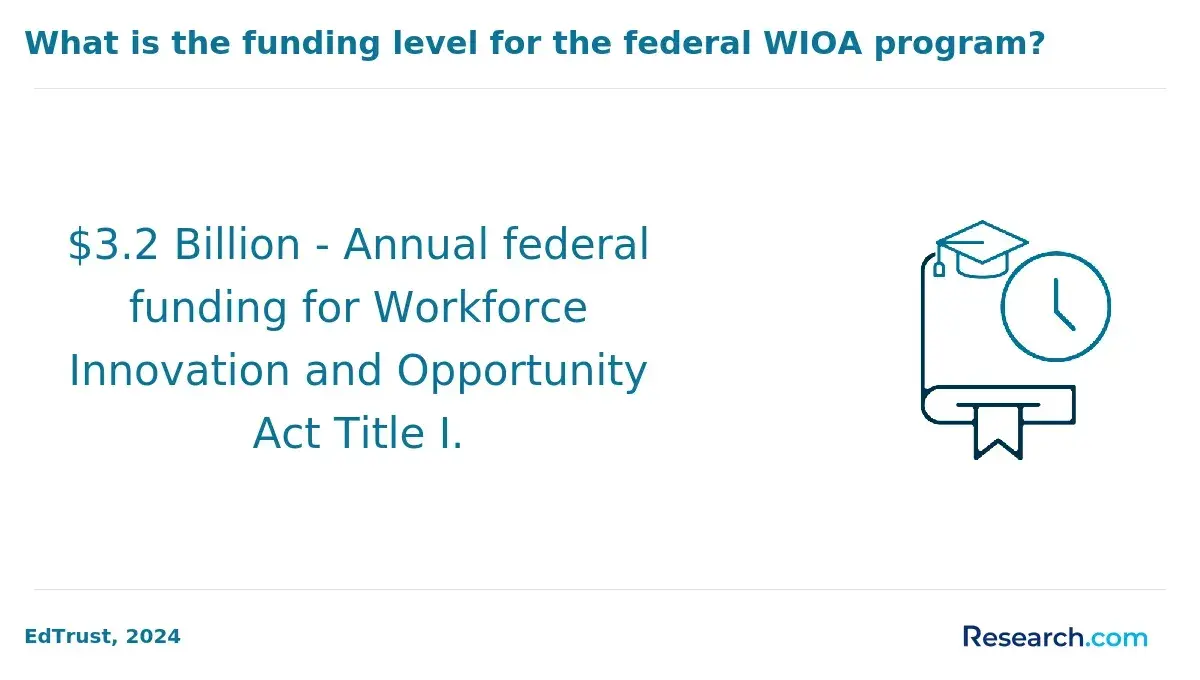
Entry into online criminal justice degree programs for public safety administration reflects a pragmatic balance between academic credentials and operational experience. Programs typically mandate a bachelor's degree or equivalent for advanced study, with official transcripts verifying foundational education.
For bachelor's tracks, completion of general education or an associate degree is standard, while master's programs expect an undergraduate degree relevant to criminal justice or related social sciences.
Work experience requirements vary notably, distinguishing early-career pathways from executive or accelerated tracks. Many accept candidates with 1-3 years in law enforcement or emergency services, but leadership-focused programs often ask for 3-5+ years of substantive field experience. Minimum GPA thresholds usually fall between 2.5 and 3.0, and standardized test waivers are increasingly common for applicants with robust professional backgrounds.
Consider a candidate aiming for a supervisory role within a large urban police department: employers now prefer or require bachelor's credentials aligned with policy and ethics alongside relevant experience. This dynamic pushes many to prioritize formal education before leadership opportunities, as on-the-job advancement alone becomes insufficient for upward mobility.
In addition to transcripts, applications often demand letters of recommendation, personal statements emphasizing leadership potential, and sometimes background checks to meet public safety standards.
How long do online criminal justice degrees take, and what do they cost?
Choosing an online criminal justice degree requires balancing program length, cost, and real employment outcomes. Associate degrees, typically lasting two years, offer quicker entry but fewer advancement opportunities compared to bachelor's degrees, which generally require four years and deeper specialization. Accelerated and part-time options affect timelines but may impact overall costs and learning depth.
Financially, online tuition varies widely. Public institutions tend to charge between $5,000 and $15,000 annually for in-state students, while private colleges often exceed $20,000 per year. Over four years, these differences can sum to tens of thousands of dollars, with additional costs for textbooks, fees, and certification exams.
Data-driven roles in criminal justice, such as crime analysts, are projected to grow by 6% through 2031, reflecting increased emphasis on analytics in public safety. This shifts value toward programs emphasizing law enforcement administration, policy, and data skills.
Working students juggling jobs and family face pressure extending degree completion beyond standard terms. Programs with flexible pacing and credit transfer help mitigate this, but competitive positions like public safety administrator demand accredited credentials and practicum experience to meet employer expectations.
What are the salary expectations for public safety administrators with criminal justice degrees?
Public safety administration salaries for individuals holding criminal justice degrees vary significantly based on agency size, experience, and geographic location. Entry-level roles in smaller local governments often start near $60,000 annually, while leadership positions in larger or specialized agencies can exceed $100,000. Positions that involve oversight of emergency management or multi-jurisdictional coordination tend to offer higher pay due to increased responsibility and risk.
A mid-career law enforcement officer transitioning into public safety administration with a bachelor's degree in criminal justice may initially see only modest salary improvements, around 10% above field officer pay, if they lack management experience or advanced certifications. However, the combination of degree credentials with targeted professional development such as executive leadership or emergency management certification can accelerate salary growth and expand opportunities.
The Bureau of Labor Statistics data supporting Warner Pacific University's 2023-2033 outlook highlights a 4% employment growth for police and detectives, with approximately 63,000 openings annually. While stable demand exists, salary progression depends heavily on seniority, additional credentials, and whether agencies prioritize formal graduate education or operational leadership experience.
What is the job outlook and promotion pathway for public safety administration careers?
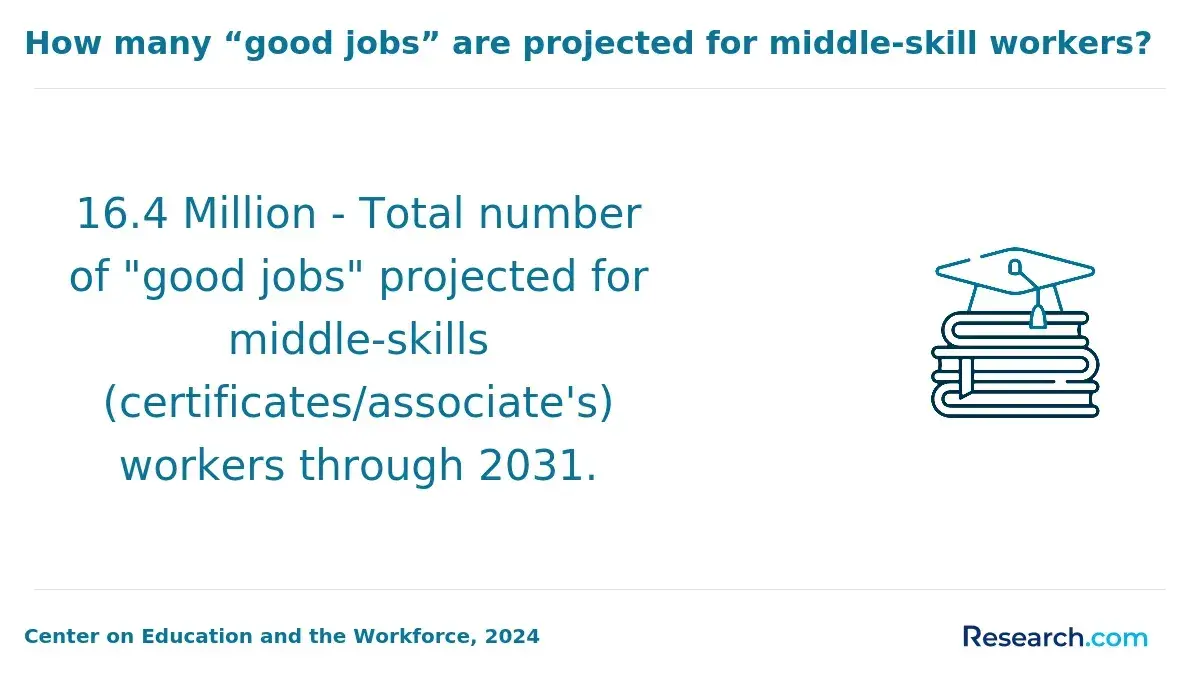
Stepping into public safety administration demands more than basic credentials; it requires strategic education aligned with evolving workforce dynamics and regional growth nuances. California's Criminal Justice job market, expected to expand by 12% by 2026, embodies this trajectory, where leadership vacancies increasingly favor candidates merging field experience with advanced degrees and targeted certifications.
Initial roles like department supervisor serve as critical proving grounds. For example, a police department operations manager in California who attains a relevant graduate degree and certifications can realistically anticipate ascending to regional command within 5-7 years. Without these, professionals often stagnate at mid-level management.
Employers in both public and private sectors emphasize measurable leadership capabilities combined with fiscal and data analytic proficiency. Budget pressures and community engagement initiatives push administrative roles toward multifaceted skill sets, requiring fluency in interagency collaboration and strategic resource allocation.
Key workforce considerations include:
- Advanced education (bachelor's or master's) as a baseline for upward mobility
- Certifications in leadership or emergency management accelerating promotional prospects
- Private sector pathways typically more fragmented, necessitating formal credentials to stand out
Those weighing educational investments must realistically map program outcomes against jurisdictional growth patterns and employer expectations to avoid stalled career trajectories.
How can students evaluate and choose a reputable online criminal justice program?
Regional accreditation and specialized program accreditation from bodies like CALEA or the Academy of Criminal Justice Sciences directly influence hiring outcomes and salary trajectories in public safety administration. Employers prioritize graduates from accredited programs, which underscores the importance of verifying this credential rigorously before committing to an online criminal justice degree.
Programs closely aligned with leadership, organizational management, policy analysis, and risk assessment better prepare candidates for roles requiring practical skills, such as crisis management or interagency coordination, over purely theoretical criminal justice study. For instance, a police department recruiting a public safety director values actionable competencies rather than abstract theory.
Cost considerations require measuring tuition against realistic ROI. The University of San Diego's MS in Law Enforcement and Public Safety Leadership charges $22,599 total for its 31-unit online program, serving as a benchmark. Prospective students must weigh this against starting salaries and promotion potential within their targeted agencies.
Graduation rates, time-to-completion, and faculty accessibility with direct public safety leadership experience significantly impact program value. Flexibility via asynchronous coursework enables working professionals to maintain employment while pursuing the degree.
Technological infrastructure and tailored career counseling are critical because inadequate support can delay key certifications and licensure essential for advancement. Programs incorporating certificate pathways or specialized training foster continuous professional development, a factor increasingly demanded by hiring agencies.
Other Things You Should Know About Criminal Justice Degrees
Many online criminal justice programs accept students without prior work experience; however, having relevant experience enhances understanding and application of coursework. Programs designed for working professionals often integrate practical case studies and leadership principles that assume some background in public safety roles. If you lack experience, select programs with strong foundational modules and opportunities for simulated or internship components. Prioritizing programs that blend theory with applied practice improves readiness for administrative responsibilities post-graduation.
Online criminal justice degrees geared toward public safety administration typically require 10-15 hours per week, balancing asynchronous coursework and synchronous sessions. Working professionals should expect periods of intensive study during major projects or exams that demand front-loading time management. Programs with flexible deadlines and modular course designs offer better compatibility with irregular work schedules. Candidates must realistically assess their time commitment capacity to avoid burnout and ensure meaningful engagement with leadership training.
Specialized programs focus deeply on management, policy, and organizational dynamics relevant to public safety agencies but may limit exposure to broader criminal justice topics like criminology or law enforcement tactics. Broader programs provide a wide lens but can dilute leadership-specific content, potentially requiring supplemental training for administrative career paths. Students targeting public safety administration roles should prioritize programs with dedicated leadership concentrations and practical administrative scenarios to directly align education with employer expectations.
References
- St. Petersburg College https://www.spcollege.edu/future-students/degrees-training/public-safety-public-policy-and-legal-studies/public-safety/public-safety-administration-bas-degree
- Careers With a Criminal Justice Degree (Requirements & FAQ) https://www.allcriminaljusticeschools.com/criminal-justice/criminal-justice-careers/
- Top 10 Careers in Public Safety Administration https://learn.neumann.edu/neuperspectives/top-10-careers-in-public-safety-administration
- Most Affordable Online Criminal Justice Degrees https://www.affordablecollegesonline.org/degrees/criminal-justice-programs/
- Top Online Criminal Justice Degrees https://www.criminaljusticeprograms.com/online-criminal-justice-degrees/
- Criminal Justice Salary Guide: What Every Career Actually Pays in 2026 https://policeofficer.org/criminal-justice-salary/
- Guide To Criminal Justice Degrees And Majors https://www.criminaljusticedegreeschools.com/degrees/
- Answering 8 Common Questions About Grad School Requirements https://www.umassglobal.edu/blog-news/answering-8-common-questions-grad-school-requirements
- Online MPA Programs in Criminal Justice & Administration https://www.onlinempaprograms.com/specializations/criminal-justice
- Online Criminal Justice Degree & Career Information https://www.criminaljustice.com/online-degrees/