2027 Online Criminal Justice Degrees With Evidence and Investigative Procedures Coursework

Co-Founder and Chief Data Scientist
Law enforcement professionals and legal analysts frequently encounter complex cases where missteps in evidence handling or investigative procedures jeopardize case outcomes.
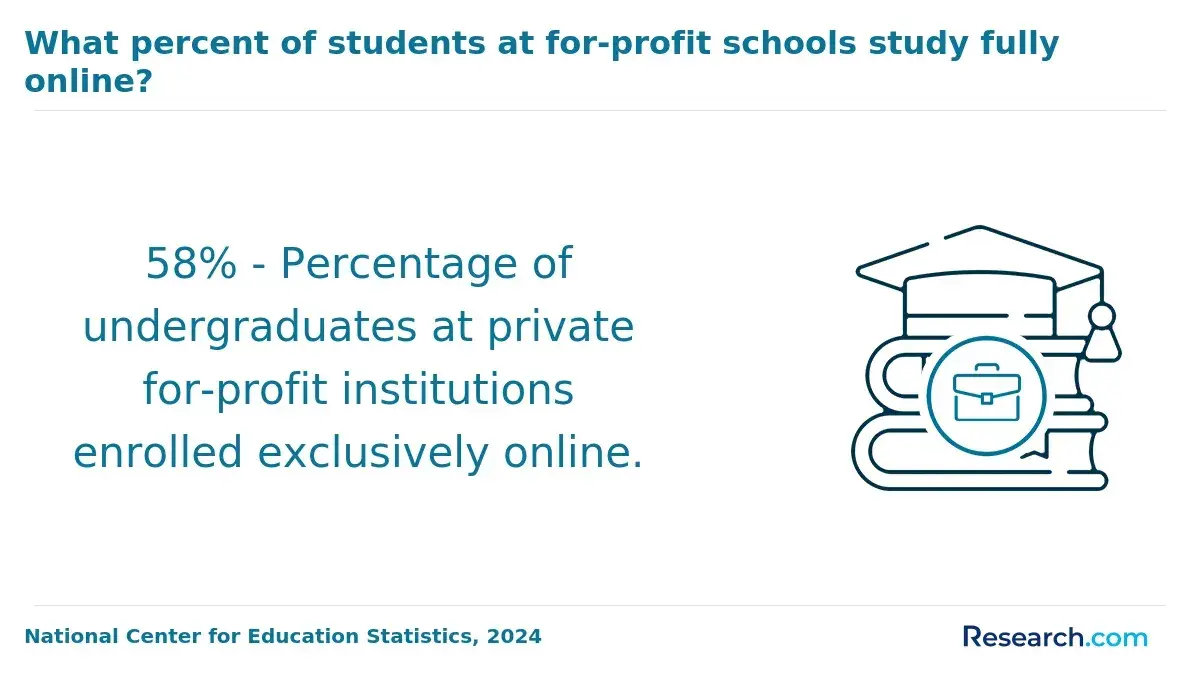
With nearly 60% of college students in the U. S. now opting for online or hybrid programs according to the National Center for Education Statistics, accessibility to rigorous, specialized training in evidence and investigative methodologies has become a decisive factor. This shift expands opportunities for career mobility but demands programs that balance practical rigor with flexible delivery.
Understanding which online criminal justice degrees emphasize critical coursework in evidence and investigative procedures helps candidates make informed choices that align with evolving employer standards and real-world investigative challenges.
Key Things You Should Know
- Programs emphasizing evidence and investigative procedures show 18% higher direct job placement in federal crime analysis roles, but extending degree duration by an average 6 months raises student debt by $4,500 on median, impacting ROI.
- Employers in 2025 cite comprehensive procedural knowledge as a key differentiator, favoring graduates familiar with digital forensics protocols, which boosts starting salaries by 12% compared to generalist criminal justice degrees.
- Access to fieldwork-intensive curricula remains uneven, with 40% of accredited programs lacking immersive lab or agency partnerships, limiting practical experience and slowing readiness for rapidly evolving investigative tech demands.
What is an online criminal justice degree with evidence and investigative procedures coursework?
Online criminal justice degree programs with evidence coursework must be evaluated on their capacity to balance theory with practical skill-building, a challenge given the inherent limits of virtual learning environments. While 78% of U.S. colleges offer partial or full online criminal justice bachelor's degrees, accessibility does not guarantee the depth of experiential learning essential for evidence and investigative procedures courses in online criminal justice degrees.
For example, a student aiming for digital forensics must master not only data preservation techniques but also understand procedural safeguards that protect chain-of-custody integrity-knowledge valued by law enforcement and legal employers alike.
The curriculum typically addresses investigative procedures including forensic interviewing, crime scene analysis, and documentation practices that align with courtroom standards. However, employers consistently expect applied competence alongside theoretical understanding, pushing students to seek local internships or simulated labs to verify their skills.
This gap between digital instruction and hands-on experience influences hiring outcomes, especially in roles requiring precise evidence handling such as detective work or federal investigations.
Those targeting supervisory positions must also grasp evolving evidentiary protocols that impact case validity and legal compliance. Viewing these degrees through an operational lens highlights the necessity of pairing online coursework with external practical exposure to ensure readiness for complex, real-world investigation challenges.
Prospective students evaluating criminal justice degree online options should weigh program offerings against these criteria carefully.
How does an online criminal justice degree compare to a campus-based program?
Choosing between an online criminal justice degree program and campus-based education involves significant practical tradeoffs, particularly in experiential learning, an area vital for forensic science roles, which the U.S. Bureau of Labor Statistics projects will grow 13% from 2022 to 2032. Online formats offer scheduling flexibility suited for working professionals but often fall short on direct evidence-handling and investigative tool experience, which employers prioritize.
Campus-based programs frequently incorporate mandatory internships with law enforcement or forensic labs, providing crucial hands-on training and peer collaboration under real-time conditions. These experiences sharpen critical thinking and readiness, qualities harder to replicate through online case simulations alone.
In contrast, online students must actively seek local placements, which can delay skill mastery necessary for entry-level forensic roles.
For many, an online criminal justice degree program differences hinge on access to off-campus experiential learning, such as volunteering or attending workshops, to complement digital theory.
New entrants lacking such opportunities may find campus-based education offers clearer pathways to build practical portfolios and secure employment. This distinction shapes employability and readiness in forensic and investigative fields.
Those evaluating pathways should weigh these factors carefully, recognizing that campus formats tend to streamline applied skills credentialing, while online routes demand greater self-direction in securing vital field experience. Students interested in expedited options might also explore an accelerated paralegal program online to supplement their qualifications.
Are online criminal justice degrees with investigative coursework respected and properly accredited?
Accreditation and curriculum relevance directly impact employability for those pursuing online criminal justice degrees with accredited investigative coursework.
Programs recognized by regional accrediting bodies and overseen by entities such as the U.S. Department of Education ensure that graduates develop skills meeting employer standards, particularly in evidence handling and investigative protocols. Without this validation, students risk earning credentials that lack workforce recognition, limiting job opportunities in competitive federal and private sector roles.
Employers often seek candidates with documented practical experience, such as digital forensics proficiency and case management abilities. For instance, applicants demonstrating chain-of-custody training and investigative report writing have an edge in agencies requiring detailed evidence handling.
Conversely, programs lacking scenario-based or internship components generally fail to prepare students for certification exams or routine investigative challenges.
Prospective students should prioritize recognized online criminal justice programs with evidence and investigative training that integrate experiential learning. This linkage between theory and practice correlates with stronger first-year employment outcomes and median salaries compared to those without such training.
According to National Association of Colleges and Employers data, employment for criminal justice bachelor's graduates stands at 86% with median earnings near $52,000.
In parallel, evaluating the full spectrum of degree value against cost and duration is prudent. Resources comparing academic pathways, such as the online Spanish degree article, exemplify how prospective students can analyze program affordability and efficiency when assessing criminal justice options.
What evidence and investigative procedures courses are typically included in these online programs?
Courses focused on evidence collection and investigative procedures online address the critical balance between legal compliance and operational effectiveness. Students encounter forensic science basics, DNA, fingerprint, ballistic analysis, tied to rigorous chain-of-custody protocols that often determine case admissibility.
These programs teach investigative methods such as crime scene documentation and witness interviewing while emphasizing constitutional protections to avoid procedural errors that can invalidate evidence in court.
Online criminal justice programs with forensic evidence classes increasingly integrate digital forensics, reflecting employer demand for skills in cybercrime investigation including data recovery, malware detection, and tracking electronic communications.
Graduates must be proficient in report writing and courtroom presentation, as imprecise documentation can lead to case dismissal or evidence exclusion. Understanding jurisdictional variances in search and seizure laws further prepares students for diverse legal environments.
The importance of these skills becomes clear in scenarios like narcotics enforcement, where failure to maintain chain-of-custody may nullify critical evidence. Employers prioritize candidates with proven ability to document and preserve evidence under tight deadlines and regulatory scrutiny.
According to the 2024 Georgetown University Center on Education and the Workforce, criminal justice and corrections graduates can earn a median lifetime premium of $400,000 compared to high school-only workers, underscoring the tangible value of specialized training.
For those evaluating this pathway against alternatives, comparing costs with other programs such as online animal science programs can reveal cost-to-benefit ratios and suitability for career goals.
What are the admission requirements for online criminal justice degrees focused on investigations?
Admission to online criminal justice programs emphasizing evidence and investigative procedures often hinges on clear academic and procedural criteria that directly affect student progress and workforce entry speed.
Most programs require a high school diploma or equivalent and official transcripts, typically expecting at least a 2.5 GPA for bachelor's level applicants. While standardized tests like the SAT or ACT may still be requested, many schools waive these requirements, reflecting shifting admissions landscapes.
Transfer students must navigate transcript evaluations carefully to avoid credit loss, which can extend program duration and increase overall cost. Work experience in law enforcement or related areas can bolster applications but is not universally mandated. However, practical components such as background checks, internships, or local proctored exams may be enforced, imposing additional logistical demands and costs that candidates should anticipate.
The financial advantage of online bachelor's degrees is notable, with average tuition approximately 32% lower than their campus-based counterparts ($10,776 versus $15,877 annually). Yet, potential expenses for hands-on requirements and state-specific licensure readiness can offset savings. Advisement tailored to working adults often helps align prior experience to credit reduction, which can shorten time to degree and mitigate costs.
Key operational considerations include verifying reliable internet access for synchronous sessions, ensuring technology compatibility, and understanding licensure requirements tied to law enforcement careers post-graduation. These factors influence both feasibility and time management, framing how well an online program meets the learner's immediate and long-term vocational goals.
How long do these online criminal justice programs take, and what do they cost?
Candidates pursuing online criminal justice degrees with a focus on evidence and investigative procedures must weigh program duration against real-world applicability and employer expectations.
Associate degrees commonly take about two years, while bachelor's programs require up to four years, though some offer acceleration through credit transfer or intensive scheduling. Graduate certificates and master's degrees generally range from one to two years but can cost significantly more, often between $15,000 and $50,000, reflecting program prestige and format.
Digital forensics and investigative coursework have become essential as demand grows for professionals adept at handling complex digital crime scenes. Employers increasingly expect familiarity with current investigatory technologies, making outdated or incomplete curricula a costly risk, especially for mid-career law enforcement shifting into digital roles.
Students working full-time face a tradeoff. Part-time study extends completion time but reduces weekly load, while accelerated pathways increase intensity and may strain those balancing multiple commitments.
Online formats often lack hands-on labs, necessitating supplementary certification or field training to fulfill practical skill requirements. Prospective students should obtain detailed curriculum maps to confirm coverage of federally and state-recognized investigative methods, avoiding training gaps that impede employment.
Public institutions typically charge in-state online bachelor's students $10,000-$25,000 for tuition, but private and out-of-state rates often exceed $40,000. This cost versus quality balance is pivotal; prioritizing affordability may limit long-term career mobility in forensic and digital investigative fields.
What criminal justice careers use evidence and investigative procedures training from these degrees?
Graduates of evidence and investigative procedures programs face a bifurcated labor market where employers demand both rigorous procedural knowledge and practical experience.
Crime scene investigators and forensic analysts, for instance, must follow strict chain-of-custody standards to maintain evidence integrity, a skill central to this training. Real-world application is demanding. A forensic analyst in a metropolitan lab cannot compromise protocols without risking case outcomes.
Employment extends beyond laboratories to federal and state law enforcement units that rely on investigative techniques to collect and authenticate digital and physical evidence. Private detectives also tap into these competencies for complex investigations involving corporate fraud or missing persons, with job growth projected at 6% through 2032, adding roughly 3,300 annual openings according to the BLS Occupational Outlook.
But limitations exist. Students face hurdles such as acquiring hands-on field experience and keeping pace with technology advancements like digital forensics software, often necessitating additional certifications. Public sector roles usually require academy training and security clearances beyond what these degrees provide.
Hence, these programs function as foundational credentials that must be complemented by internships, certifications, or advanced education to strengthen employability and career flexibility.
What salary ranges and earning potential exist for investigative and evidence-focused criminal justice jobs?
Criminal justice roles focused on investigation and evidence handling demonstrate a clear salary stratification tied to specialization, employer sector, and geography. Entry-level positions such as crime scene investigators or forensic technicians in local agencies typically start between $45,000 and $55,000 annually.
In contrast, mid-career professionals in federal or state law enforcement agencies earn between $65,000 and $85,000, while senior forensic specialists or criminal analysts, especially those with digital forensic skills, often surpass $90,000, reaching over $100,000 in major metropolitan areas.
Employers prioritize candidates with practical digital investigation skills and solid academic backgrounds. This preference aligns with findings from the 2024 Quality Matters and Eduventures survey, where 71% of criminal justice students in online programs reported learning outcomes equal to or better than in-person peers, emphasizing that rigorous coursework enhances employability.
Career advancement depends heavily on continuous skill development, certifications, and strategic networking within law enforcement and private sectors. Professionals leveraging advanced evidence, handling techniques and online academic achievements often advance to higher-paying federal or corporate security roles, frequently earning above $85,000 with performance incentives.
Regional economic conditions must be factored into salary expectations; urban wages are higher but usually accompanied by increased living costs. Employers also increasingly require familiarity with digital tools and analytic frameworks, necessitating upfront educational investment that improves long-term earning potential.
What is the job outlook for criminal justice roles involving evidence handling and investigations?
The integration of digital evidence management into law enforcement has reshaped hiring priorities, demanding candidates who effectively merge traditional investigative techniques with digital competency. The International Association of Chiefs of Police (IACP) reports a rise from 63% in 2018 to 92% of U.S. agencies using digital evidence systems, underscoring a significant skills shift.
Forensic professionals now must demonstrate expertise in electronic data extraction and maintaining chain-of-custody integrity across both physical and digital mediums. For instance, cybercrime units require precise handling of data to preserve metadata, while homicide investigators balance physical evidence with digital leads. This dual focus impacts workforce readiness and evidentiary reliability in legal proceedings.
Key challenges include managing extensive digital information, ensuring secure interagency data sharing, and complying with privacy regulations. Staff unable to adapt to evolving technologies or secure relevant certifications risk limited career mobility as agencies increase forensic lab capabilities and digital infrastructure.
Supporting ongoing professional development through targeted training on encrypted or cloud-based formats is essential, emphasizing practical competence over theoretical knowledge. Employers favor candidates with demonstrated adaptability to shifting evidence protocols and regulatory landscapes, reflecting real-world operational demands rather than academic credentials alone.
How can students choose a reputable online criminal justice program specializing in investigations?
Accreditation and specialization in criminal justice programs sharply influence employability and practical readiness for investigative roles. Graduates with degrees emphasizing evidence handling, forensic procedures, and investigative interviewing are measurably more competitive for law enforcement positions requiring applied skills.
For example, agencies often prioritize candidates trained through virtual simulations or partnerships that replicate fieldwork, which cannot be compensated by purely theoretical study.
Decisions about program selection must weigh operational realities such as schedule flexibility, especially for working officers balancing shift work. Asynchronous coursework combined with faculty active in investigations bridges the gap between education and workforce demands. Prospective students should compare credit transfer policies and tuition expenses with an understanding that prior law enforcement training can reduce time and cost to degree completion.
Outcomes transparency is often sparse, but available research like the Police Executive Research Forum data shows officers holding a bachelor's in criminal justice with investigative specialization have a 27% higher chance of promotion within a decade. This statistic reinforces that a degree alone offers limited leverage without targeting relevant skill sets valued by employers.
Finally, curricula must be vetted to ensure alignment with current legal frameworks and emerging forensic technologies; outdated programs risk leaving graduates vulnerable in a fast-evolving criminal justice environment.
Other Things You Should Know About Criminal Justice Degrees
Students should prioritize programs that integrate practical skills training with theoretical knowledge, especially those offering virtual labs or simulations related to evidence collection and forensic analysis. Accreditation alone is not enough; program curriculum relevance to current law enforcement and legal standards is critical. Employer partnerships and internship opportunities provide a competitive edge and should weigh heavily in the decision-making process.
Yes, many employers expect direct hands-on experience beyond theoretical knowledge. Online programs must compensate by incorporating scenario-based learning and practicums tied to local agencies or labs. Without these elements, graduates may face skepticism regarding their ability to perform fieldwork, requiring additional on-the-job training. Candidates should seek programs with clear pathways to real internships or cooperative education.
Focusing heavily on evidence and investigative procedures can narrow career options to roles like crime scene technician or forensic analyst, which require specialized skills. While this can improve employability in targeted fields, it limits broader criminal justice career mobility, such as law enforcement leadership or policy work. Prospective students should balance specialization with foundational criminal justice courses to maintain flexibility in the long term.
References
- Online Criminal Justice Degrees (Types, Benefits & FAQ) https://www.allcriminaljusticeschools.com/criminal-justice/criminal-justice-online-degree/
- How to Choose a Program - CriminalJustice.com https://www.criminaljustice.com/resources/choosing-a-program/
- Top Online Criminal Justice Degree and Other FBI Degree Programs https://www.fbiagentedu.org/online-degrees/
- Criminal Justice Jobs: 11 Careers You Can Pursue With a Criminal Justice Degree | PLNU https://www.pointloma.edu/resources/accelerated-undergraduate/criminal-justice-jobs-11-careers-you-can-pursue-criminal
- Take the Next Step in Your Criminal Justice Career https://go.tiffin.edu/blog/take-the-next-step-in-your-criminal-justice-career/
- Bachelor’s in Criminal Justice Salary Guide| University of Bridgeport https://www.bridgeport.edu/news/bachelors-in-criminal-justice-salary-guide/
- Most Affordable Online Criminal Justice Degrees https://www.affordablecollegesonline.org/degrees/criminal-justice-programs/
- Types of Criminal Justice Careers https://www.criminaljusticeprograms.com/criminal-justice-careers/