2027 Online Criminal Justice Degrees for Students Who Want Police Promotion Paths

Co-Founder and Chief Data Scientist
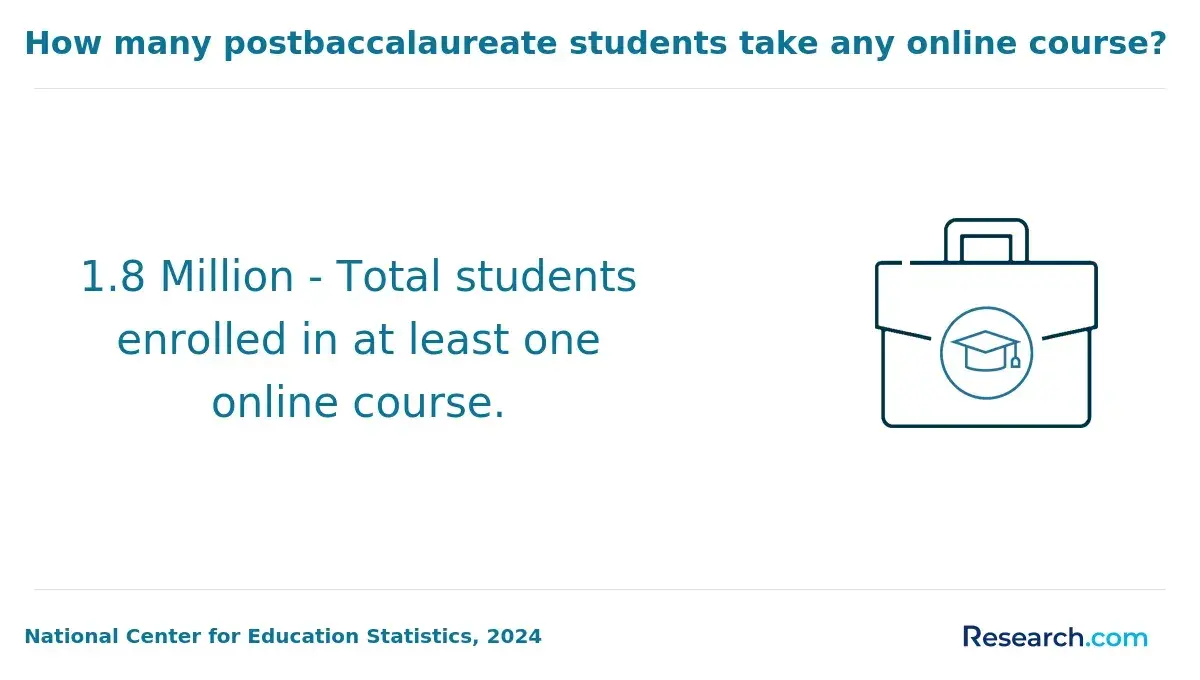
Mid-career police officers face a critical bottleneck: advancing ranks often hinges on having a degree tailored to law enforcement leadership, yet traditional programs rarely accommodate shift work or family obligations. Evidence from the National Center for Education Statistics shows that over 40% of online postsecondary enrollments as of 2024 come from adults balancing employment, highlighting a growing demand for flexible credentials aligned with career advancement.
This shift challenges officers to identify programs that not only fit their schedules but also carry departmental credibility and practical relevance for promotion. This article evaluates online criminal justice degree options that address these constraints and support upward mobility within law enforcement ranks.
Key Things You Should Know
- FBI occupational data shows police promotional candidates with bachelor's degrees in criminal justice advance 15% faster but face a 20% longer average program completion time versus law enforcement-specific certifications, impacting career timing.
- State law enforcement agencies increasingly require demonstrated analytical skills measurable through research-intensive criminal justice degrees, shifting promotion criteria toward data-driven decision-making over tenure-based models.
- Department budgets prioritize degrees from regionally accredited institutions with practical coursework; unaccredited online programs can limit eligibility for federal task forces, affecting long-term career trajectories.
How can an online criminal justice degree support promotion within police departments?
Officers seeking promotion within police departments increasingly face formalized criteria that prioritize advanced education, especially graduate-level degrees. Those holding a master's degree in criminal justice can expect a measurable salary increase; for instance, the Houston Police Department offers an additional $6,240 annually for officers with relevant master's credentials.
This aligns with data showing officers with such degrees earn 5 to 7.49% more than those with only a bachelor's, showcasing the market's tangible valuation of advanced academic preparation.
Promotion boards assess candidates beyond tenure, focusing on strategic thinking, policy comprehension, and management skills-competencies developed through coursework in leadership, ethics, and criminal law.
An officer aiming to advance to sergeant or lieutenant strengthens their eligibility by demonstrating mastery of these areas, which online criminal justice degrees for police promotion conveniently address through flexible, self-paced study options that accommodate shift work and ongoing job demands.
This flexibility reduces barriers commonly found in traditional education delivery, enabling officers to balance continuing education with operational responsibilities without income disruption.
Deviating from generic career advancement rhetoric, the real-world advantage lies in how an online criminal justice degree distinguishes candidates by evidencing analytical skills and a commitment to leadership preparedness. This differentiation influences hiring decisions, pay scales, and role expansion in competitive internal promotion pools.
Prospective students weighing these programs should carefully evaluate the criminal justice degree cost against potential financial returns and career outcomes, ensuring alignment with their specific advancement goals and departmental expectations for advancing law enforcement careers with an online criminal justice degree.
What types of online criminal justice degrees are best for current law enforcement officers?
Promotion in law enforcement increasingly depends on targeted educational credentials that align with operational needs and department priorities. Online criminal justice degrees for police promotion should emphasize leadership competencies and specialized skills such as community policing or forensic analysis to effectively support mid- to upper-level career transitions.
For instance, officers aiming for detective or sergeant roles benefit from bachelor's programs focused on administration and policing strategies, while master's degrees in criminal justice management or public administration provide advanced expertise in budgeting and personnel oversight for command-level positions.
The balance between cost, flexibility, and practical application is crucial when evaluating the best online criminal justice programs for law enforcement officers.
Online degree programs tend to decrease financial strain, with costs ranging from $6,000 to $36,000, compared to in-person alternatives that can exceed $100,000. This affordability often coincides with scheduling adaptability, allowing officers to maintain their shifts without interrupting active service.
Practical, scenario-driven coursework combined with internships or practicum experiences approved by supervising officers help bridge gaps in on-the-job application, which is a common evaluator criterion for promotion boards. Officers should confirm that online programs meet their agency's minimum educational requirements and align with specialized departmental roles, such as cybercrime or evidence management.
Additionally, those seeking diverse educational pathways might consider the best associate degrees for felons as a reference point for understanding accessible program structures and career reintegration opportunities within the criminal justice field.
How do online and campus-based criminal justice programs compare for police career advancement?
The choice between online vs campus-based criminal justice programs for police promotion hinges on how effectively each pathway integrates practical experience with academic credentials.
While online programs offer the flexibility necessary for working officers to continue their shifts uninterrupted, they often lack embedded hands-on training or local law enforcement partnerships crucial for real-world skill development. This tradeoff can impede advancement in agencies prioritizing demonstrated field competencies.
Campus-based criminal justice programs for police promotion more frequently provide direct access to internships, ride-alongs, and local networking opportunities, enabling candidates to fulfill both educational and experiential criteria valued in competitive promotion tracks. Larger agencies-where over 30% require some college credits for new officers-typically favor applicants who couple these academic achievements with applied skills.
Officers leveraging online criminal justice degrees for law enforcement career advancement must therefore seek supplementary field experiences independently to mitigate potential isolation and practical gaps. Such strategic supplementation might include off-campus internships or community policing programs aligned with agency promotion standards.
For those exploring related pathways, reviewing forensic psychology master's programs online reveals comparable challenges in balancing academic rigor with applicable training, underscoring the broader need for intentional alignment between study modality and professional goals.
What accreditation should online criminal justice programs have to be respected by agencies?
Regional accreditation remains the nonnegotiable baseline for online criminal justice degree programs for law enforcement if the objective is to gain genuine employer recognition and avoid career stagnation.
Agencies systematically verify whether educational credentials come from programs holding recognized criminal justice program accreditation for police agencies; without it, officers risk disqualification from promotion or specialized roles regardless of curriculum content.
The practical effect is exclusion from assignments where higher ranks or competitive salaries are involved, resulting in stalled advancement despite adequate skills.
Programmatic accreditation from the Academy of Criminal Justice Sciences (ACJS) further distinguishes degrees by aligning curriculum with up-to-date professional standards, impacting certification pathways and specialized job eligibility.
For example, officers targeting detective supervisor positions-roles with median wages near $93,100-gain a measurable advantage through degrees demonstrating this level of rigor and relevance recognized by employers.
Understanding these accreditation layers is especially important when balancing factors like cost, time, and program flexibility. Officers should assess how well a program's credentials will be accepted in their agency's promotion protocols and whether credits will transfer for future education.
Those weighing educational options might also consider efficient degree completion timelines; for insights relevant to other fields, it is useful to review how long does it take to study architecture, which discusses accelerated program structures.
Since regional and programmatic accreditation substantively affect long-term employability and credential acceptance, thorough vetting is essential before enrollment to avoid investing time and money in programs that hold limited practical value for law enforcement career trajectories.
What courses and skills do online criminal justice programs emphasize for promotion readiness?
Promotion within law enforcement increasingly demands a blend of management acumen and advanced investigative proficiency. Officers targeting detective or supervisory roles must navigate complex organizational behavior, ethics, and legal frameworks, while also honing forensic science and criminal profiling skills. This combination addresses operational challenges supervisors face when balancing personnel oversight with case-critical responsibilities.
Communication and cultural competency are integral as mid-level managers mediate internal conflicts and community interactions. Budgeting and resource planning are no longer peripheral but essential skills for handling grant applications and operational expenses, particularly in larger agencies where financial oversight impacts unit effectiveness.
Scenario-based training embedded in coursework bridges street-level duties with administrative tasks. For example, an officer transitioning to a detective role benefits from advanced investigative report writing, ensuring evidentiary compliance crucial for court proceedings. Such practical readiness directly influences promotion viability and job performance.
With a median annual wage of $72,280 and expected job growth of 3% from 2024 to 2034, the field increasingly requires bachelor's degrees not only for entry but for advancement eligibility. This shift compels candidates to integrate academic credentials with applied leadership skills amid competitive promotion landscapes.
Technological fluency, including crime analysis software and cybersecurity basics, further distinguishes candidates vying for specialized roles. The evolving demands highlight an operational tradeoff: investing in academic and technical training to meet employer expectations or risking stagnation in rank and role.
What are typical admission requirements for online criminal justice degrees for working adults?
Admission to online criminal justice degree programs for working adults frequently hinges on practical criteria that recognize professional experience alongside formal education.
Many programs require an accredited high school diploma or equivalent with official transcripts, but standardized tests such as the SAT or ACT are often waived for candidates with relevant work history. This reflects a tradeoff between academic benchmarks and occupational competence.
For active law enforcement officers or personnel pursuing promotion, documented service, typically two to five years, can substitute for portions of the curriculum, notably general education credits, accelerating degree completion and lowering cost. However, stringent background checks remain universal to maintain professional integrity consistent with public safety roles.
Beyond admission, technological proficiency is a gatekeeping factor. Candidates must demonstrate reliable internet access and comfort with learning management systems; some institutions mandate orientation to confirm digital readiness, which can challenge older or less tech-savvy students.
Employers increasingly prioritize officers with four-year criminal justice degrees, associating these credentials with fewer citizen complaints and disciplinary issues. This shapes hiring and promotion policies, placing a premium on degree attainment balanced against workforce demands.
How long do online criminal justice degrees take, and what do they cost?
Completion timelines for online criminal justice bachelor's degrees strongly influence return on investment and professional viability. Full-time pathways average 3 to 4 years, while part-time schedules extend to 4-5 years, allowing working officers to balance coursework with duty.
Accelerated formats condense programs into 2 to 3 years but often require intense weekly workloads that many in law enforcement find impractical. Choosing a pacing strategy requires weighing job demands against educational intensity.
Financial considerations matter beyond sticker price. The average tuition alone approximates $50,400, per National University data, excluding ancillary costs like fees or materials.
However, salary enhancements linked to bachelor's degree-based promotions-often exceeding $10,000 annually-typically offset this expense within five years. Officers must analyze these figures alongside their department's promotion trajectories to gauge net benefit.
Prior learning credit transfers for military or academy training can substantially shorten degree duration, lowering total costs and hastening eligibility for salary improvements. Conversely, degree completion timelines exceeding five years risk reducing competitiveness by signaling delayed readiness to employers.
Effective decisions combine realistic scheduling with financial leverage and employer expectations. Early evaluation of financial aid, credit transfer policies, and the interplay of time-to-degree and career timing will better align education choices with pragmatic workforce advancement.
What police and criminal justice roles become more accessible with an online degree?
Online degrees in criminal justice increasingly function as practical credentials that officers leverage to meet evolving minimum requirements for supervisory roles, such as sergeant or lieutenant. Many U.S. law enforcement agencies now regard regionally accredited online degrees as equivalent to traditional on-campus qualifications, enabling full-time personnel to pursue advancement without career interruptions.
For officers in geographically isolated or resource-limited departments, online programs provide essential access to necessary education while maintaining active duty. Additionally, federal agencies like the FBI and DEA increasingly expect formal criminal justice education, positioning online degrees as strategic tools for those targeting transfer or specialized task force assignments.
Tradeoffs are notable: reduced direct interaction limits networking opportunities and hands-on skill development valued in some hiring or promotion contexts. Prospective students should prioritize programs with hybrid formats incorporating field internships to offset this gap.
Key operational insights include:
- Online degrees align with promotional requirements for mid-level ranks where bachelor's degrees are mandated.
- Flexibility facilitates continuous employment alongside education, especially in understaffed or rural settings.
- Reputation within law enforcement circles affects the perceived legitimacy of online credentials during competitive selection panels.
- Candidates must weigh practical training limitations against scheduling convenience and credit recognition.
Overall, pursuing an online criminal justice degree can be a decisive pathway for officers balancing career continuity and educational advancement while navigating institutional expectations and evolving role qualifications.
What salary impact and promotion potential can a criminal justice degree provide in policing?
Holding a criminal justice degree significantly reshapes an officer's career trajectory by opening doors to specialized and supervisory roles that patrol experience alone rarely secures.
Federal law enforcement agencies, including the FBI and DEA, generally require a bachelor's degree for special agent entry, with salaries starting between GS-10 and GS-14 pay grades-often exceeding $100,000 annually. This contrasts sharply with many patrol positions, where earning potential typically caps below $70,000 without advanced credentials.
Promotion within local departments-from sergeant to lieutenant or investigative units-frequently hinges on possessing a relevant degree. Agencies competing for federal grants and interagency assignments prioritize candidates who combine field experience with academic qualifications, raising the value placed on formal education.
Practical considerations include juggling full-time work with tuition expenses and scheduling challenges. Departments vary widely in tuition reimbursement and salary incentives, affecting the financial viability of pursuing a degree while employed.
Officers must weigh immediate income from overtime against longer-term gains from degree-qualified federal positions, which offer accelerated advancement and higher salaries.
Ultimately, a criminal justice degree functions not merely as a credential but as a strategic lever that enhances eligibility for elite positions and federal task forces, making it a critical factor for those aiming to break beyond standard patrol roles.
How can officers evaluate and choose a reputable online criminal justice program?
Verification of accreditation by recognized bodies such as the Council for Higher Education Accreditation or the U.S. Department of Education is essential for ensuring that an online criminal justice degree is respected by employers.
Beyond accreditation, officers must demand transparent metrics like graduation rates and employment outcomes specific to law enforcement roles, helping to assess a program's tangible value against increasingly competitive promotion environments. Between 2010 and 2019, a 56% surge in bachelor's graduates aged 25-29 in criminal justice and fire protection intensified this dynamic, raising the stakes for degree differentiation.
The practical relevance of curriculum content is non-negotiable; programs emphasizing leadership, ethics, investigative techniques, and current legal standards align most closely with agency promotion criteria. Flexibility in scheduling should not come at the expense of real-time application opportunities, which enable officers to integrate new skills directly into their daily responsibilities instead of merely accumulating credits.
Programs led by faculty with active law enforcement experience or those offering internships and practicums can provide crucial networking advantages and enhance peer credibility. Financial clarity around fees, per-credit costs, and eligibility for tuition assistance or departmental reimbursements must be confirmed at the outset to avoid unexpected funding shortfalls during multi-year commitments.
For instance, a patrol officer aiming for sergeant should prioritize degrees tailored to justice system supervisory skills, ensuring alignment with agency promotion boards' evaluation standards and measurable career advancement.
Other Things You Should Know About Criminal Justice
Online criminal justice programs often match the academic rigor of campus-based degrees but require strong self-discipline and time management. Without the structured environment of a classroom, students must proactively engage with coursework and networking opportunities to gain the same depth of understanding and practical insights. Employers know online degrees can vary in quality, so students should prioritize programs with regular live interaction, applied projects, and strong faculty engagement to ensure comparable preparation.
For most officers seeking promotion into supervisory roles, a bachelor's degree provides essential foundational knowledge and meets minimum eligibility requirements. However, a master's degree is increasingly favored for higher-level leadership and administrative positions, particularly in larger agencies. Officers should weigh the immediate promotion criteria of their department against the long-term career benefits of advanced degrees, balancing time and cost investments with targeted career goals.
Online criminal justice degrees in 2027 offer significant flexibility, allowing students to study at their own pace and schedule. This flexibility supports working officers seeking promotion paths, as they can balance shifts and study time effectively. Many programs offer asynchronous classes, eliminating the need for live attendance, accommodating diverse work schedules.
Employers generally value specialized concentrations-like forensic science, homeland security, or cybercrime-if they align with agency needs and current crime trends. However, practical applicability and demonstrated skills during the hiring or promotion process outweigh nominal specialization. Candidates should focus on concentrations that offer applied learning and certifications recognized in their departments rather than marketing-heavy tracks with limited operational relevance.
References
- Is Criminal Justice a Good Major? https://www.warnerpacific.edu/blog/is-criminal-justice-a-good-major/
- Prepping Police: How Tailored Competency-Based Programming Can Support Career Growth - The EvoLLLution https://evolllution.com/revenue-streams/professional_development/prepping-police-how-tailored-competency-based-programming-can-support-career-growth
- Beyond the badge: Expanding criminal justice career paths https://www.police1.com/police-products/training-education/beyond-the-badge-expanding-criminal-justice-career-paths
- Online Bachelor's Degree: Criminal Justice (Law Enforcement Track) https://www.umgc.edu/online-degrees/bachelors/criminal-justice-law-enforcement
- Preparing for a Criminal Justice Career | University of Bridgeport https://www.bridgeport.edu/news/criminal-justice-career-preparation/
- BS in Criminal Justice | Online Bachelor's Degree | NMU https://online.nmu.edu/bachelors-criminal-justice/
- Online Criminal Justice Degrees: Find the Right Program https://www.degreesforgood.org/online-degrees/criminal-justice-programs/
- Online Criminal Justice Degrees (Types, Benefits & FAQ) https://www.allcriminaljusticeschools.com/criminal-justice/criminal-justice-online-degree/
- Find Top Online Bachelor's In Criminal Justice Programs https://www.accreditedschoolsonline.org/criminal-justice/bachelors/
- Online Bachelor’s Degree in Criminal Justice https://www.monroeu.edu/academics/undergraduate-programs/school-criminal-justice/online-bachelors-degree-criminal-justice