2027 Best Online Criminal Justice Degrees for Juvenile Justice Careers

Co-Founder and Chief Data Scientist
Caseworkers and juvenile probation officers face escalating caseloads and complex challenges adapting interventions for diverse youth populations amid evolving legal frameworks. This forces candidates seeking advancement to prioritize flexible education paths that accommodate full-time work and personal commitments. The National Center for Education Statistics reports a 12% rise in adult enrollment in online degree programs within the last year, reinforcing a shift toward accessible, asynchronous learning.
Those pursuing juvenile justice careers must navigate this landscape strategically, balancing program rigor with immediate employability and licensure considerations. This article evaluates the best online criminal justice degrees designed to optimize education-to-career outcomes specifically for juvenile justice professionals.
Key Things You Should Know
- Juvenile justice degrees with embedded experiential learning reduce graduation-to-employment gaps from 18% to 7%, yet programs emphasizing theory over practice risk longer job searches despite similar accreditation levels by 2024 NCES data.
- Employers prioritize candidates from programs offering state-specific legal curricula, as 62% of juvenile justice roles require nuanced understanding of local statutes, impacting graduate placement rates reported by the Bureau of Labor Statistics.
- Online degree costs vary 45% by institution, with accelerated 12-18 month tracks lowering opportunity costs but producing 23% higher early career turnover, reflecting critical tradeoffs between affordability and job retention per recent Georgetown CEW analysis.
What is juvenile justice and how does it fit within a criminal justice degree?
Choosing a juvenile justice focus within criminal justice degrees implies a commitment to understanding legal frameworks that diverge sharply from adult systems by prioritizing rehabilitation for offenders under 18. This specialization demands familiarity with developmental psychology, family dynamics, and social interventions, which complicates case management but also improves prospects for reducing recidivism. Employers increasingly seek graduates who can effectively balance legal mandates with therapeutic approaches-a tension well-illustrated by juvenile probation officers overseeing youth diversion programs.
Practical career paths in juvenile justice within criminal justice programs include roles like juvenile probation officers, case managers, and counselors embedded in multidisciplinary settings involving schools, courts, and social services. This track requires competencies in crisis intervention, ethical decision-making specific to youths, and communication skills tailored to adolescent populations.
Students evaluating programs should weigh the availability of internships in juvenile facilities and curriculum depth in juvenile law, alongside real-world training in conflict resolution. Reported employment data indicate about 35,400 probation officer and correctional treatment specialist positions with steady growth and a median wage of $60,250 for juvenile correctional officers, reflecting viable economic prospects in this niche. Those seeking a path aligned with youth offender rehabilitation might also consider pursuing an accredited online criminal justice associate degree as a foundational step.
Which online criminal justice degrees are best for pursuing juvenile justice careers?
Employers in juvenile justice increasingly seek candidates who combine law enforcement basics with juvenile-specific expertise, particularly those coming from online criminal justice degrees for juvenile justice careers that emphasize this focus. Programs that lack targeted juvenile content leave graduates ill-prepared for roles requiring applied skills in settings such as probation or youth detention. For instance, a bachelor's degree with a juvenile justice specialization offers direct engagement with adolescent psychology, rehabilitation methods, and juvenile law-advantageous in reducing youth recidivism and meeting workforce demands.
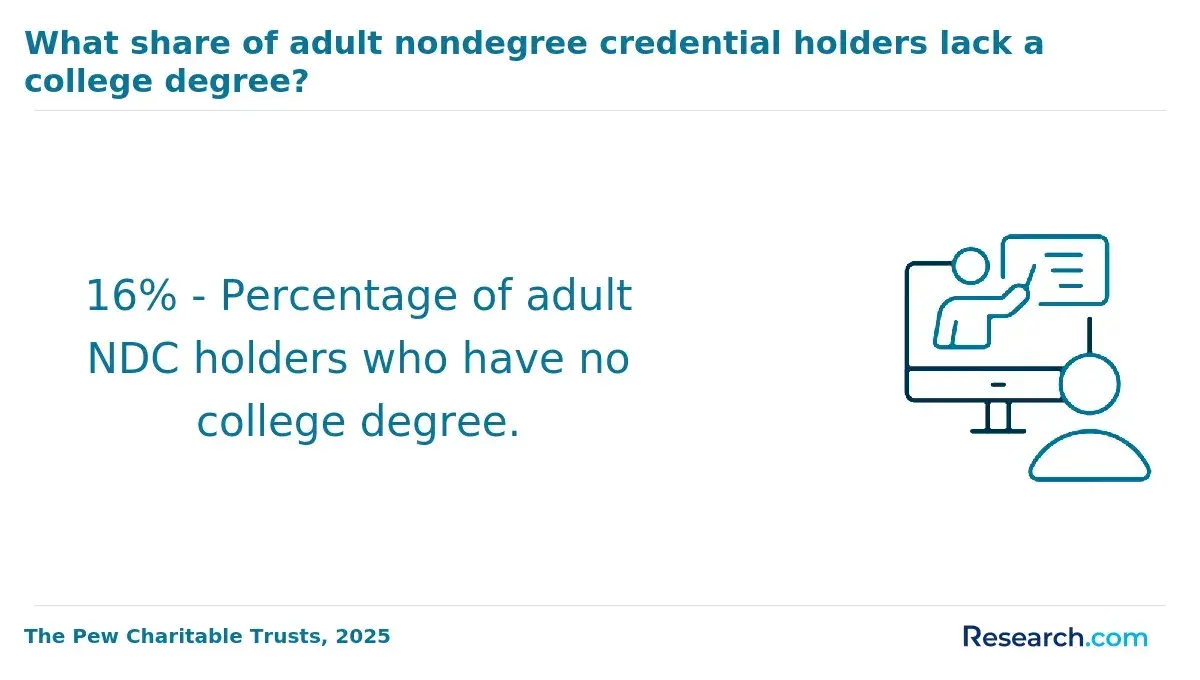
Practical experience remains a key differentiator: candidates with internships or practicum placements within juvenile agencies are markedly more competitive. This hands-on training bridges the gap between theoretical knowledge and operational realities, where trauma-informed care and trust-building are essential. Notably, data indicate a 13 percentage point drop in recidivism after participation in education programs, underscoring the value of integrating quantitative skills focused on youth justice outcomes.
Those evaluating programs should consider tradeoffs between broader criminal justice tracks and juvenile justice concentrated degrees. The former often omit critical juvenile-specific content and quantitative methodologies necessary for effective intervention and analysis. Online delivery formats must also support synchronous sessions or local practicums to avoid diminishing employability.
For working professionals also considering adjacent fields, exploring options like the best online paralegal programs can supplement understanding of the legal frameworks impacting juvenile justice.
Ultimately, prioritizing programs aligned with juvenile justice specialization ensures relevance to evolving employer expectations and practical challenges within this workforce segment.
How do online criminal justice programs for juvenile justice compare to campus-based options?
Choosing between online juvenile justice degree programs vs campus-based options involves weighing convenience against hands-on experience critical for employer demand. Working professionals might favor online programs for scheduling flexibility, but they often lack structured fieldwork found in traditional education. Probation officers, for instance, usually must demonstrate hands-on hours obtained more easily through in-person practicum or internships embedded within campus degrees, impacting time-to-employment.
Employers seek candidates with applied experience, which traditional programs facilitate by partnering with local juvenile justice agencies. Online students must independently secure externships, sometimes extending their degree timeline or requiring relocation. This challenge affects those targeting roles in probation supervision or treatment planning more than administrative or advocacy positions, where online curricula may suffice.
The 10.2% wage increase for probation officers and correctional treatment specialists from 2019 to 2023 reflects rising demand for advanced skills and experience. Campus-based programs can integrate practical skill development directly into coursework, enhancing readiness, while online learners might need supplemental training or self-motivated practice to compete effectively.
Students comparing the differences between online and traditional juvenile justice education should consider workforce expectations and potential career trajectories carefully. Roles demanding direct court liaison work or intensive rehabilitation skills typically align better with campus-based training frameworks.
Complementing juvenile justice studies with a forensic psychology major can further enhance understanding of youth behavior and legal processes, bolstering employability in this specialized field.
What accreditation should an online criminal justice program have for juvenile justice work?
Choosing an online criminal justice program accreditation for juvenile justice careers is a decisive factor that directly affects employability and licensure eligibility. In this field, regional accreditation from agencies recognized by the U.S. Department of Education or CHEA is non-negotiable, as it ensures degrees meet rigorous standards that juvenile justice employers and licensing boards rigorously evaluate. For instance, state probation departments often require candidates to graduate from regionally accredited criminal justice degrees for juvenile justice work to meet legal and certification mandates.
Programs without regional accreditation may present lower tuition costs or more flexible formats, but they frequently lead to credential rejection by employers or hinder professional certification. A practical illustration is the stark price difference between accredited programs: Southern New Hampshire University's online BS in Criminal Justice costs about $41,040 total ($342/credit), whereas Kennesaw State University offers a similar accredited degree for roughly $22,800 total ($190/credit), demonstrating cost-effective accredited options exist.
Prioritize verifying accreditation through official accrediting bodies rather than school claims. Also consider specialized accreditation, like that from ACJS, which adds value but rarely substitutes for regional standards. Align these accreditation factors with your career goals, as workforce contexts in juvenile justice agencies favor credentials with strict ethical and legal training.
For those evaluating compensation and career trajectories that intersect with criminal justice credentials, related data such as sports analytics salary research can provide comparative labor market insights informing broader decisions.
What courses and concentrations focus specifically on juvenile justice in these degrees?
Juvenile justice education requires targeted coursework that differs substantially from adult criminal justice. Students must master juvenile law, adolescent psychology, and rehabilitation techniques addressing developmental factors unique to youth. This specialization prepares graduates for roles prioritizing rehabilitation and system navigation tailored to minors, rather than punishment models common in adult corrections.
For example, juvenile probation officers handle case management with youth-specific interventions, a skill set not interchangeable with adult probation roles. Programs focusing solely on adult criminal justice often leave graduates underprepared for these juvenile-specific legal standards and service frameworks, creating friction in career transitions.
Practical training frequently involves scenario-based exercises simulating court referrals, family dynamics, and collaboration with schools and social services. Employers in the juvenile justice sector expect graduates to be proficient in multidisciplinary decision-making and community-based program coordination.
Financially, regional program options such as Kennesaw State University's online degree-with tuition near $11,400 for 60 credits-offer rapid return on investment, considering median salaries around $59,900 for probation and correctional treatment specialists. This aligns educational cost with workforce demand and sector growth outlined by U.S. Bureau of Labor Statistics data.
What are the admission requirements and typical program length for online juvenile justice degrees?
Admission criteria for online juvenile justice degrees balance academic benchmarks with professional relevance, often requiring at least a high school diploma or GED and official transcripts. Programs typically expect a 2.0 to 2.5 GPA minimum, supplemented by letters of recommendation and a personal statement outlining specific career objectives within juvenile justice. For experienced professionals shifting careers, standardized tests like the SAT or ACT are frequently waived in favor of practical work history, acknowledging the field's employment realities.
Duration varies depending on enrollment status and transfer credits: bachelor's degrees generally take four years full-time, but those with associate degrees can often finish in two to three years. Part-time and accelerated formats accommodate working adults but extend completion up to six years or demand rigorous self-discipline with intensive modules.
Cost per credit directly affects feasibility, especially for career changers financing education independently. Fort Hays State University, for example, offers a nationally competitive flat rate of $203.73 per credit for its online criminal justice degree in 2025-26, delivering affordability without the geographic constraints of campus attendance.
Students must also account for mandated background checks and onsite requirements for internships or practicum components, which may limit flexibility and require planning around field placement logistics. Programs providing robust support for these transitions better align with workforce readiness in juvenile justice roles.
How much do online criminal justice degrees for juvenile justice cost, and what aid is available?
Opting for an online criminal justice degree with substantial transfer credits can sharply reduce tuition costs and time to workforce entry. For example, Southern New Hampshire University permits transfer of up to 90 credits plus 12 credits from law enforcement academy training, cutting required online coursework to as few as 18 credits. This approach benefits professionals with prior training or associate degrees seeking targeted specialization without redundant expenses.
Without significant credit transfers, many students face programs exceeding $30,000, which risks accumulating debt disproportionate to typical juvenile justice entry salaries between $35,000 and $50,000 annually. Maximizing transfer credits from community colleges or police academies effectively lowers financial burdens and accelerates career progression.
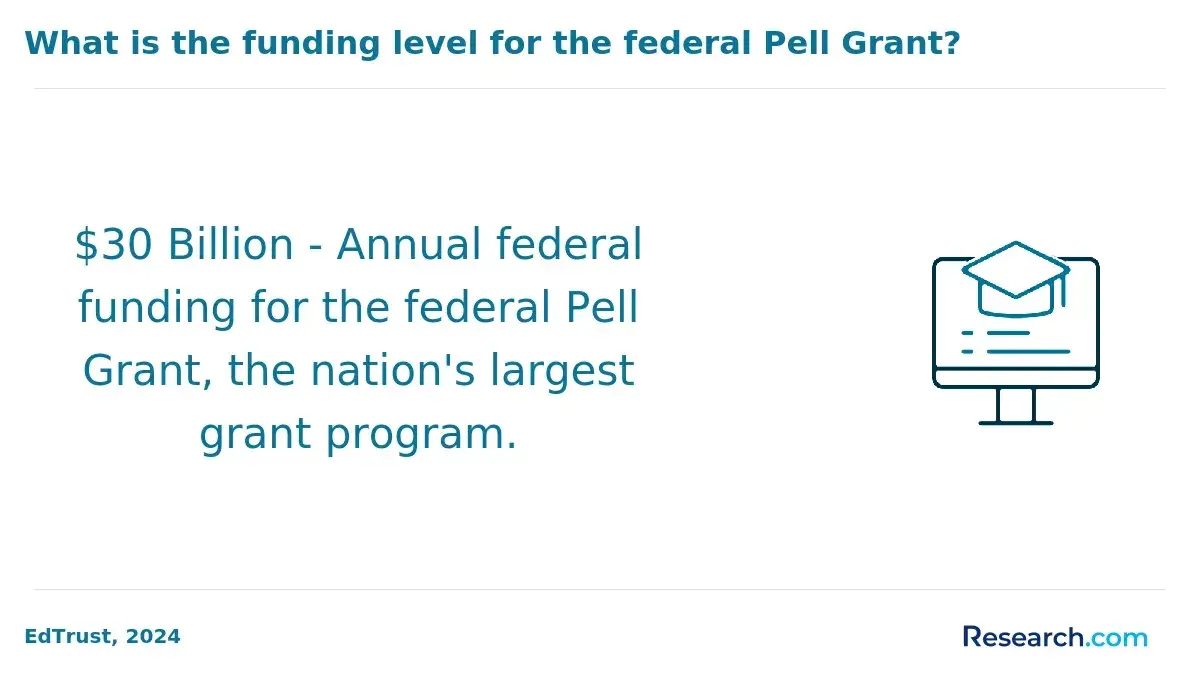
Financial aid options like Pell Grants, state programs, and institutional scholarships exist but require FAFSA completion and vary widely in availability. Employer tuition reimbursement is common but often inaccessible to newer employees due to strict tenure or grade prerequisites, making it an underutilized resource. Federal student loans remain a fallback yet must be weighed against earnings potential and long-term debt.
Students should plan pathways that minimize costly overlap and leverage prior credentials for financial efficiency and competitive positioning in juvenile justice roles where budget constraints and relevant experience weigh heavily in hiring decisions.
What juvenile justice careers can you pursue with an online criminal justice degree?
Choosing an online criminal justice degree demands weighing immediate entry points against long-term specialization benefits. Roles like juvenile probation officer or youth correctional counselor predominantly require a bachelor's degree and place employees in local government or nonprofit settings, where 55% of these professionals work. These positions focus on managing rehabilitation plans and coordinating closely with courts and probation departments to prevent recidivism, often involving emotionally charged environments that require resilience and conflict resolution skills.
Graduates will frequently face employer preferences for applicants who have completed internships or practicums in juvenile environments, reflecting field experience as a significant hiring factor. Additionally, certifications in juvenile justice or counseling can improve marketability but entail further training beyond the degree. Unlike adult corrections, juvenile justice careers emphasize rehabilitation over punishment, necessitating knowledge in behavioral sciences and legal frameworks specifically tailored to minors.
The workforce divides between operational juvenile roles demanding a bachelor's degree and supervisory or policy positions that commonly require a master's degree plus specialized credentials. Collaboration with social workers, law enforcement, and mental health professionals is routine, underscoring the degree's multidisciplinary demands. Career progression often hinges on graduate education in areas like juvenile justice policy or forensic psychology, making the decision to pursue advanced degrees pivotal depending on whether one aims for frontline service or administrative leadership.
What is the salary outlook and job demand for juvenile justice professionals in the U.S.?
Juvenile justice roles in the U.S. present a salary progression tied closely to education, experience, and agency resources. Entry-level positions like probation officers start between $40,000 and $55,000 annually, but advancing into supervisory or managerial roles-often requiring a bachelor's or master's degree in criminal justice, social work, or related fields-can push salaries into the $60,000-$75,000 range. The tradeoff lies in the education and training investment needed to move beyond frontline work, where pay and retention challenges are more pronounced.
Job growth data confirms a sustained demand for social and community service managers, a common trajectory for juvenile justice professionals, with a 24% increase over the past decade and an expected additional 9% growth over the next ten years. This growth signals increasing reliance on leadership roles that blend administrative oversight with client-focused program delivery.
Professionals shifting from direct casework to roles like social service managers face operational complexities: managing budgets, coordinating staff, and adapting to shifting juvenile policy frameworks. Success in these roles often depends on developing leadership capabilities through targeted graduate education or certifications. Programs with embedded internships and agency partnerships provide crucial pathways to higher-paying, stable employment; without these, candidates may encounter slower job placement and limited upward mobility.
How can students evaluate and choose a reputable online juvenile justice degree program?
Selecting an online juvenile justice degree requires prioritizing accreditation and cost to avoid pitfalls that delay career entry. Regional accreditation is essential for degree validity and transfer options; for instance, Kennesaw State University offers a competitively low rate at $190 per credit, cutting potential debt versus programs charging over twice that. This financial distinction matters for students balancing budgets against professional ambitions.
Curriculum alignment with job requirements significantly influences employability. Core courses should cover juvenile law, social work foundations, rehabilitation methods, and applied research to build specialized skills needed for roles in probation or youth services. Programs lacking targeted juvenile justice content risk leaving graduates underprepared for field realities.
Working professionals need asynchronous formats and practicum arrangements compatible with busy schedules. Providers that facilitate internship placements with juvenile agencies improve networking and practical experience, a factor valued by hiring managers in youth correctional and probation departments.
Consider these operational factors when evaluating programs:Transfer credit policies that accelerate completion for experienced studentsTransparent total cost including fees, textbooks, and technologyGraduate employment rates tied to local employer partnershipsThese elements collectively shape the degree's return on investment amid ongoing demand for probation officers and rehabilitation counselors forecasted by the Bureau of Labor Statistics through 2024.
Other Things You Should Know About Criminal Justice
A degree specialized in juvenile justice offers targeted knowledge and may appeal to employers within youth services, probation, or rehabilitation sectors. However, broader criminal justice degrees provide flexibility to pivot across multiple career paths if initial plans change. Prospective students should weigh immediate career goals against long-term adaptability and select programs accordingly, with specialization favored when career clarity and focused skill development are primary concerns.
Employers increasingly accept accredited online criminal justice degrees but remain attentive to the program's rigor and reputation. Degrees from well-established institutions with strong practical components, such as fieldwork or networking opportunities, hold more weight. For juvenile justice roles, demonstrated hands-on experience supplements the degree's value, so candidates lacking in-person training or internships may encounter hiring disadvantages.
Online programs require disciplined self-management, especially as criminal justice coursework often involves complex case studies and legal research. Working professionals should prioritize programs with flexible pacing but must be prepared for significant reading and project deadlines that demand consistent weekly effort. Balancing work, study, and any required field practicum calls for realistic scheduling; underestimating these demands risks delayed graduation or burnout.
References
- Online Criminal Justice Degrees (Types, Benefits & FAQ) https://www.allcriminaljusticeschools.com/criminal-justice/criminal-justice-online-degree/
- 15 Best Online Bachelor's In Criminal Justice https://www.criminaljusticedegreeschools.com/rankings/best-online-bachelors/
- Shippensburg University - Administration of Juvenile Justice, MS https://www.ship.edu/programs/administration-of-juvenile-justice-ms/
- Find Top Online Bachelor's In Criminal Justice Programs https://www.accreditedschoolsonline.org/criminal-justice/bachelors/
- Top Online Criminal Justice Degrees https://www.criminaljusticeprograms.com/online-criminal-justice-degrees/
- Juvenile Justice Careers | NC DPS https://www.ncdps.gov/careers/juvenile-justice-careers
- Best Online Associate Degrees in Criminal Justice: A Comprehensive US Guide https://lakewood.edu/best-online-associate-degrees-in-criminal-justice-a-comprehensive-us-guide/
- Jobs with a degree in Criminal Justice | Monroe University https://www.monroeu.edu/academics/undergraduate-programs/school-criminal-justice/what-can-you-do-criminal
- Earn An Online Criminal Justice Degree | OEDb.org https://www.oedb.org/rankings/online-criminal-justice-programs/
- Juvenile Justice https://youth.gov/youth-topics/juvenile-justice