2027 Online Criminal Justice Degrees for Students Who Want Fraud Investigator Roles

Co-Founder and Chief Data Scientist
Cybercrime cases surge relentlessly, and fraud investigators face immense pressure to outpace increasingly sophisticated schemes with limited real-time expertise. As employers demand specialized skills alongside flexible credentials, professionals juggling full-time roles struggle to find criminal justice programs that align with their schedules and provide applicable, up-to-date training.
The National Center for Education Statistics reports a 12% growth in online higher education enrollment among adults 25 and older in 2024, signaling a shift toward accessible, career-focused learning models that accommodate workforce demands.
This article will analyze online criminal justice degree options tailored for aspiring fraud investigators, emphasizing factors that optimize employability and practical readiness.
Key Things You Should Know
- Fraud investigator roles increasingly prioritize certification and practical experience over degree prestige, with the U.S. Bureau of Labor Statistics forecasting only 8% job growth through 2032, pressuring students toward cost-effective programs.
- Employers in federal agencies and financial firms demand data analytics and cybersecurity coursework within criminal justice degrees, with 62% of fraud investigators reporting advanced technical skills as a hiring prerequisite per a 2024 ACFE workforce survey.
- Accelerated online criminal justice degrees reduce time-to-hire by 30%, but average tuition remains 15-25% higher than standard programs, presenting a critical timing versus cost tradeoff for career switchers.
What criminal justice degree do you need to become a fraud investigator online?
A bachelor's degree in criminal justice with a concentration in fraud examination, forensic accounting, or financial crimes remains the most viable entry point for fraud investigators, especially those pursuing an online criminal justice degree for fraud investigation careers. Employers seek graduates equipped with skills in data analysis, investigative methods, and compliance frameworks due to the complexity of modern fraud schemes impacting sectors like banking and government oversight.
Practical experience through internships or practicum components significantly enhances employability, as many law enforcement and accounting professionals pivot into fraud investigation roles. Program flexibility—such as part-time or asynchronous study formats—can ease the transition while maintaining current employment. While associate degrees may offer limited entry, a bachelor's degree is generally expected for roles involving deeper investigative responsibilities.
The median annual wage for detectives and criminal investigators, comparable positions to fraud investigators, was $90,270, according to the U.S. Bureau of Labor Statistics, highlighting the financial incentives of this path.
Students should prioritize programs with comprehensive fraud detection coverage and verified accreditation to meet employer expectations in a field increasingly reliant on technology. Online programs incorporating real-world case studies and digital forensics training are crucial to handling sophisticated cyberfraud trends.
Evaluating the best online criminal justice programs for fraud investigator roles requires balancing curriculum depth, practical exposure, and flexibility. For deeper insights into investigative roles and compensation, review the FBI criminal profiler salary data as a valuable point of comparison.
Are online criminal justice degrees respected for fraud investigation careers?
Employers hiring fraud investigators weigh online criminal justice degrees primarily on accreditation and hands-on rigor rather than modality alone. Degrees that incorporate financial crimes, forensic accounting, and ethics curricula with real-world case studies and supervised internships are more likely to be recognized.
Without these practical components, candidates risk appearing underprepared compared to those possessing traditional experience or hybrid learning backgrounds. For instance, a financial institution faced with complex scams prioritizes applicants who demonstrate applied investigative skills over those with purely theoretical online credentials.
Employment trends reflect growing demand; financial examiners, integral to fraud investigation, are projected to see 21% job growth from 2023 to 2033, surpassing average labor market expansion. This underscores the necessity for prospective fraud investigators to secure both analytical grounding and applied expertise within evolving regulatory environments.
Online criminal justice degrees valued by fraud investigation employers tend to offer more than coursework; they facilitate networking with professional bodies, mentorships, and expert-led webinars. Omitting these connections can hamper a candidate's career momentum by limiting access to industry insights and hiring pathways.
Practical experience remains decisive. Candidates relying solely on theory without internships or relevant certifications struggle against peers with demonstrated capability in complex fraud detection. Working professionals aiming for fraud investigation roles should pursue programs integrating rigorous experiential learning—even in virtual settings.
For those balancing career pivots or legal backgrounds, exploring the best associate degrees for felons can provide aligned options that consider credential recognition and employability in fraud investigation fields.
What types of online criminal justice programs prepare you for fraud investigator roles?
Programs labeled simply as criminal justice degrees often lack the targeted technical skills employers expect for fraud investigator roles, especially where financial crime expertise is critical. To meet the demands of fraud investigation, specialized concentrations in fraud examination, forensic accounting, or white-collar crime prove more effective than general curricula.
For example, fraud investigators working in banking must interpret anti-money laundering regulations and detect suspicious financial transactions, competencies typically cultivated through focused coursework in these areas.
An effective education for aspiring fraud investigators integrates hands-on training such as case studies, real-world simulations, and the use of investigative software, which aligns with what employers prioritize. Practical experience, including internships or cooperative programs with regulatory agencies, financial institutions, or law enforcement, substantially improves job readiness and competitive positioning.
It is crucial to consider which online criminal justice degree programs for fraud investigation provide this blend of theory and practice, as this directly influences employability and long-term salary potential.
According to wage data, fraud investigators with backgrounds in criminal justice earn around $72,480 annually on average, with top performers making up to $112,140. Choosing programs aligned with evolving fraud tactics enhances career resilience, particularly in corporate and cybersecurity fraud spheres.
Those seeking advanced credentials may also explore an online masters degree in forensic psychology to supplement investigative skills. Evaluating the best online criminal justice courses for aspiring fraud investigators requires balancing curriculum rigor, practical exposure, and sector-specific insights to ensure preparedness for a technology-driven fraud landscape.
How does accreditation impact online criminal justice degrees for fraud investigators?
Employers filling one of the 5,470 active fraud investigator positions in 2025 prioritize candidates holding accredited online criminal justice degrees for fraud investigation, underscoring the non-negotiable value of recognized accreditation.
Programs lacking accreditation from agencies approved by the U.S. Department of Education or the Council for Higher Education Accreditation often result in automatic disqualification despite individual capability, since accreditation affirms rigorous curricula aligned with industry realities.
The importance of accreditation in online criminal justice programs for fraud investigators becomes evident in specialized content delivery tailored to sector-specific needs. For instance, finance fraud roles require expertise in regulatory compliance and auditing techniques, whereas healthcare fraud investigators must grasp legal frameworks and medical billing nuances. Accredited programs minimize gaps that compromise readiness for such diverse applications.
Additional workforce implications include eligibility for federal financial aid and credit transfer, vital for working professionals managing time and expenses. Employers frequently establish preferred recruitment from accredited institutions, reflecting their investment in reliable graduate competence. Moreover, certifications and advanced pathways often mandate degrees from accredited programs, creating tangible barriers for non-accredited graduates.
Students evaluating educational pathways should also consider differences in program pacing, comparing to guidelines like the architect course duration as a parallel reference for accelerated options. Early and thorough verification of accreditation status guards against non-transferable credits or lost licensing opportunities, mitigating risks of career delays in this competitive job market segment.
What courses and skills do online criminal justice programs teach for fraud investigation?
Fraud investigator roles within criminal justice demand targeted expertise that integrates financial analytics, legal protocols, and digital forensics. The essential curriculum often includes white-collar crime analysis, forensic accounting, cybercrime investigation, and ethics, enabling professionals to decode complex financial documents and preserve evidence integrity through established chain-of-custody procedures.
For instance, healthcare fraud investigators must navigate HIPAA regulations while uncovering billing fraud - an operational reality addressed in specialized coursework.
Skill acquisition centers on proficiency in data analysis tools such as Excel, SQL, and newer forensic software, which streamline investigations and improve accuracy. Emphasis on report writing and courtroom testimony preparation reflects employer expectations of clarity and precision under pressure. Simulation exercises mimic real-case conditions, cultivating decision-making agility when handling voluminous financial data.
Online criminal justice degrees offer a notable cost advantage, averaging $50,400 versus higher expenses of traditional programs, thereby increasing accessibility for working adults. Yet this format requires heightened self-discipline and time management to succeed without on-campus support.
Employers prioritize demonstrable skills and certifications over the degree's delivery mode, so online graduates must validate their competencies through practical experience to maintain competitiveness.
How do online and campus criminal justice programs compare for aspiring fraud investigators?
Choosing between online and campus criminal justice programs for fraud investigation hinges on access to practical experience and networking opportunities, which significantly shape employability. Campus programs offer immersive, hands-on settings where students use forensic accounting software and participate in direct faculty-led simulations reflecting active investigative work.
These environments often integrate internships or cooperative placements within law enforcement or corporate fraud divisions, crucial for developing technical skills and entry into specialized roles.
In contrast, online options provide flexibility for working professionals but require greater self-direction to secure meaningful internships or certifications. While virtual labs and asynchronous case studies simulate investigative scenarios, they lack the immediacy of on-site mentorship and peer collaboration.
For example, a campus student might engage directly with a university-affiliated financial crime unit, easing transition into complex data analysis roles, whereas an online learner must rely on external networks and associations to build a comparable profile.
Employers prioritize demonstrable investigative expertise supported by real-world experience, making program choice a strategic decision based on current work commitments, learning style, and access to targeted internships. The tradeoff involves balancing the structured, social immersion of campus settings against the autonomy and convenience of online study, which directly affects readiness for financial fraud detection roles.
What are the admission requirements for online criminal justice degrees in fraud investigation?
Admission to online criminal justice degrees with a focus on fraud investigation typically requires more than just a high school diploma; institutions expect demonstrated academic readiness and relevant preparatory steps tailored to investigative roles. Applicants must supply official transcripts reflecting secondary education completion, often with a minimum GPA of 2.0 to 3.0, which serves as a preliminary filter of academic capability.
Prior college credits in criminology, accounting, or cybersecurity can accelerate admission and better prepare students for the intellectual demands of complex fraud schemes in law enforcement or corporate environments.
Beyond academic credentials, programs frequently request a personal statement outlining specific interests in fraud investigation and professional objectives. Letters of recommendation that attest to analytical skills and ethical rigor also play a strategic role, given the sensitive nature of fraud work. Background checks are sometimes mandated, reflecting the operational realities of criminal justice professions.
Applicants without prior relevant experience face the dual challenge of proving technical competence—often through assessments of online learning skills and database use—and finding programs offering internships or applied projects bridging theory and practice. For example, those entering government fraud units must quickly translate foundational coursework into real-world investigative competencies.
Employer demand remains steady, as seen in the 2019 civilian unemployment rate near 1.8% for criminal justice and fire protection fields, indicating competitive selection. Prospective students should prioritize quantifiable achievements and relevant experience to distinguish themselves in this tightly contested admissions environment.
How long do online criminal justice degrees take and what do they cost?
Fraud investigator roles increasingly mandate a bachelor's degree in criminal justice, requiring about 120 semester credits over four years full-time. Choosing between full-time, accelerated, or part-time enrollment significantly affects both total time-to-employment and accumulated costs. For example, a working professional switching careers might extend their program duration through part-time study to maintain income, incurring higher overall tuition and ancillary expenses.
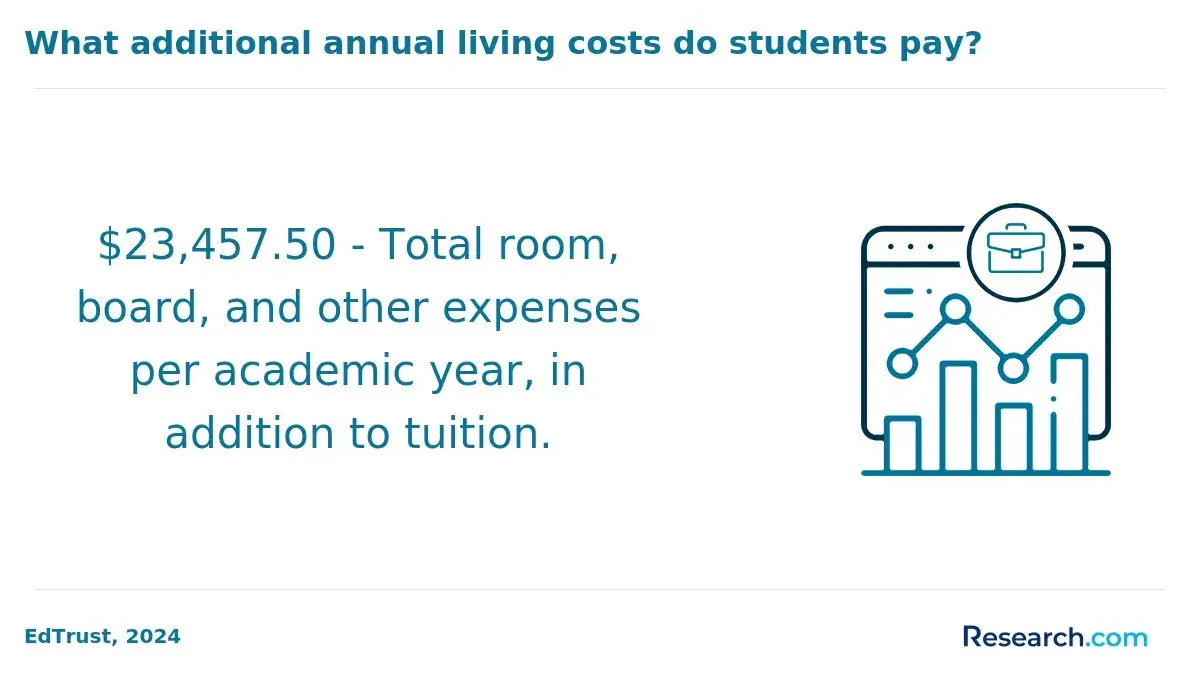
Annual tuition for fully online bachelor's programs generally ranges from $7,000 to $15,000, with total costs spanning roughly $28,000 to $60,000, excluding $1,000 to $2,000 a year for fees and materials. This financial commitment should be balanced against alternative fraud investigator pathways like certifications or on-the-job training, which lower initial expenses but often lack comparable long-term salary prospects.
Labor market data from the U.S. Census and Bureau of Labor Statistics, cited by National University, show median annual earnings around $45,410 for 25- to 29-year-olds holding bachelor's degrees in criminal justice and fire protection. Employers frequently expect candidates to demonstrate analytical skills honed through capstone projects or dissertations embedded in degree programs.
However, arranging remote internships or hands-on coursework poses logistical challenges that can extend program length or complicate scheduling.
What salary can fraud investigators earn and how does education affect pay?
Fraud investigators with a bachelor's degree in criminal justice or a related field typically earn 15% to 25% more than those with only a high school diploma or associate degree, reflecting market demand for advanced knowledge and technical skills. In urban corporate settings, investigators with these credentials can expect salaries near the upper quartile of the $50,000 to $90,000 range, driven by industry complexity and higher living costs. Conversely, government roles often compensate less but offer greater job stability and benefits.
Hiring managers prioritize candidates who combine theoretical understanding with practical investigative proficiency, particularly in areas such as digital fraud and regulatory compliance. Specialized certifications further enhance earning potential, especially in the financial services sector where cases demand nuanced expertise.
The criminal justice field projects 7.6% growth from 2016 to 2026, emphasizing the value of degree completion despite the time and expense involved. Online programs can provide flexibility but vary widely in how effectively they integrate fraud detection, financial crime analysis, and data analytics into their curriculum. Students and professionals must balance these factors against their career goals and local job market realities.
Are certifications or licenses required for fraud investigators, and how do degrees help?
Fraud investigation roles routinely demand more than just a degree; certifications like Certified Fraud Examiner (CFE) are often mandatory, particularly within government agencies and financial institutions.
A criminal justice degree establishes essential grounding in investigative methodologies, ethics, and legal frameworks, enabling candidates to qualify for these specialized certifications. Without this, candidates risk disqualification from licensing exams or lack the critical skills necessary for complex fraud detection scenarios.
Employers typically combine degree and certification requirements to ensure candidates have both foundational knowledge and validated expertise. For example, a financial institution may require a bachelor's degree to complement fraud-specific credentials, emphasizing familiarity with regulatory environments. This combination also facilitates internal mobility, allowing professionals to transition into related roles such as forensic analyst or compliance officer rather than being confined solely to fraud investigation.
The labor market reflects this dynamic: fraud investigator salaries have increased by approximately 6% over five years, including a 2.6% rise from 2024 to 2025, signaling growing demand for formally qualified experts. Candidates holding both a criminal justice degree and credentials like the CFE leverage higher earning potential and broader career prospects in fraud-related sectors where rigorous oversight and regulatory compliance matter most.
Other Things You Should Know About Criminal Justice
No prior work experience is necessary to enroll in online criminal justice degrees for fraud investigation in 2027. However, relevant experience may enhance understanding and career prospects. Programs often accommodate students from diverse backgrounds, tailoring coursework to build foundational and advanced skills in fraud investigation.
Internships and fieldwork remain critical in criminal justice training, especially for fraud investigation roles where real-world analytical and investigative skills matter most. Online programs that do not offer or require on-site placements may limit hands-on experience, which impacts job readiness. Prioritize programs that either have relationships with local agencies or arrange supervised practical components to meet employer expectations and regulatory standards.
Specializing early in fraud investigation sharpens your expertise but can limit your options in broader criminal justice fields like policing or corrections. Unless you are certain of the fraud investigator career path, consider a program that blends core criminal justice skills with fraud-specific training to maintain adaptability. This dual approach increases employment opportunities while still meeting the demands of specialized roles.
Part-time and self-paced options offer flexibility but can extend time to degree completion, delaying career advancement. The extra time also risks skill stagnation in an evolving fraud environment that increasingly demands up-to-date knowledge of financial systems and investigative technology. Working professionals should balance flexibility with program rigor and timely completion, prioritizing programs with structured milestones and employer-recognized credentials.
References
- NCA Officer Development Programme (ODP) https://www.nationalcrimeagency.gov.uk/what-we-do/crime-threats/money-laundering-and-illicit-finance
- Getting a Criminal Justice Degree Online | University of Bridgeport https://www.bridgeport.edu/news/can-you-get-a-criminal-justice-degree-online/
- How to become a fraud analyst | edX https://www.edx.org/become/how-to-become-a-fraud-analyst
- Top Online Criminal Justice Degrees https://www.criminaljusticeprograms.com/online-criminal-justice-degrees/
- How Do I Become a Fraud Investigator - Requirements & Steps https://www.forensicscolleges.com/blog/htb/how-to-become-a-fraud-investigator
- Online Bachelor’s Degree in Criminal Justice | Warner Pacific https://www.warnerpacific.edu/programs/criminal-justice/
- How a Criminal Justice Degree Could Support Long-Term Skill Development https://www.aiuniv.edu/degrees/criminal-justice/articles/online-criminal-justice-degree-advancement
- Careers - Vault https://vault.com/professions/fraud-examiners-investigators-and-analysts/requirements
- Jobs with a degree in Criminal Justice | Monroe University https://www.monroeu.edu/academics/undergraduate-programs/school-criminal-justice/what-can-you-do-criminal
- How To Become A Fraud Investigator: Career And Salary Information https://www.criminaljusticedegreeschools.com/careers/fraud-investigator/