2027 Online Criminal Justice Degrees With Criminal Justice Administration Coursework

Co-Founder and Chief Data Scientist
Professionals aiming to advance in criminal justice administration often confront the dilemma of balancing rigorous career demands with educational aspirations, where traditional campus-based programs rarely accommodate variable schedules or geographic constraints.
This friction disproportionately impacts working adults, a group that grew to represent over 40% of all postsecondary enrollment by 2024, according to the National Center for Education Statistics, signaling a clear shift toward flexible, accessible learning models. Such demographic and logistical realities reshape the calculus for those weighing online degrees, especially with employer expectations for practical administrative skills coupled with academic rigor.
This article examines online criminal justice degrees featuring criminal justice administration coursework, focusing on how these programs address real-world challenges around timing, relevance, and career mobility to guide informed educational choices.
Key Things You Should Know
- Online criminal justice degrees with administration coursework reduce time-to-degree by 20% compared to traditional paths, but may limit face-to-face networking essential for supervisory role placement, per National Center for Education Statistics 2024.
- Employers increasingly demand competencies in data analytics and policy implementation within criminal justice administration, making programs without integrated analytics courses 15% less likely to yield competitive candidates according to a 2024 Bureau of Labor Statistics workforce survey.
- While average tuition for online criminal justice administration tracks dropped 8% in 2024, limited access to practicum opportunities creates a cost-benefit tension for prospective students balancing affordability against essential field experience prerequisites noted by the Council on Criminal Justice Education.
What is an online criminal justice degree with criminal justice administration coursework?
Programs offering an online criminal justice degree with administration coursework cater specifically to those balancing workforce demands with practical skill acquisition critical for leadership roles.
Unlike theoretical degrees, these programs prioritize competencies such as strategic planning, human resource management, and ethical governance, which directly correspond to operational responsibilities in agencies like law enforcement and corrections. For example, a mid-career police officer preparing for supervisory duties would find coursework on labor relations and budget management essential for navigating departmental resource challenges.
Graduates face constraints such as limited hands-on experience and asynchronous study formats requiring disciplined time management. Employers increasingly value candidates who combine field knowledge with administrative skills, often gauged through internships or practicum opportunities.
Entry into mid-level management or support roles typically depends on demonstrated administrative aptitude as much as technical knowledge, with long-term progression frequently contingent on supplemental certifications or graduate-level education.
Programs promising relevant online criminal justice degree programs with administration coursework must also address accreditation, career services, and incorporation of data analytics tools and legal compliance standards, reflecting evolving employer expectations. Navigating these factors enables informed decisions about educational pathways amid a landscape where more than 60% of over 1.2 million students in criminal justice fields opt for online options.
Those evaluating program options should consider exploring criminal justice associate programs online as an accessible entry point integrating foundational and administrative knowledge.
How does an online criminal justice administration degree compare to a campus program?
Employers in law enforcement and legal administration often weigh the practical experiences affiliated with campus programs more heavily than the equivalent theoretical coursework found in an online criminal justice administration degree. Campus students benefit from direct access to internships, face-to-face mentorship, and local agency partnerships.
Those pursuing online degrees must proactively secure these experiential opportunities independently, which can slow progress without familiarity with local institutional networks or jurisdictions. This distinction matters especially for candidates aiming at federal or urban agencies, where entrenched employer connections typically drive hiring decisions.
Conversely, online criminal justice administration degree benefits compared to campus programs include flexible pacing and geographic freedom, making them a pragmatic choice for mid-career professionals balancing work and family. However, the lack of in-person peer collaboration and spontaneous problem-solving exercises integral to traditional courses can hinder development of teamwork skills crucial in many criminal justice roles.
The shift to a majority female student body, reaching 55% in criminal justice degree programs in 2024, up from 52%, impacts both delivery modes and mirrors broader workforce diversification trends.
Practical career outcomes hinge on students demonstrating hands-on skills regardless of program format. Securing relevant internships or practicum placements remains a universal imperative. Those evaluating degree options should consider how their target roles and local employment landscapes align with the specific advantages or challenges each modality presents. For more context on financial outcomes in related fields, see the paralegal salary associate's degree analysis.

What accreditation should online criminal justice administration programs have in the United States?
Regional accreditation for online criminal justice administration programs is fundamental but often insufficient when viewed through the lens of employer expectations and workforce mobility.
US criminal justice administration program accreditation standards extend beyond regional recognition, emphasizing the need for programmatic accreditation, especially from the Academy of Criminal Justice Sciences (ACJS). This additional layer verifies that curricula are closely aligned with prevalent law enforcement and public safety standards, which can be decisive in hiring and promotion, particularly within federal and state agencies.
Consider a mid-level police officer aiming to shift into management. Degrees lacking ACJS endorsement, even if regionally accredited, may prompt skepticism about the program's capacity to equip graduates with practical leadership and policy skills. Conversely, ACJS-accredited programs validate applied research abilities and ethical frameworks that supervisors must demonstrate, facilitating advancement without unnecessary career friction.
Beyond hiring, accreditation affects financial aid eligibility, credit transfer, and acceptance of prior learning, which are critical for professionals balancing education with work. With criminal justice enrollment rising by 15%, according to The Badge Report citing Research.com, the choice of accredited programs directly influences long-term career trajectories and employability.
Students considering multidisciplinary aspects might also evaluate related fields like a forensic psychology degree, which intersects with criminal justice administration in applied research and behavioral analysis.
What core criminal justice administration courses can students expect in these programs?
Core criminal justice administration courses online prioritize operational competencies essential for mid-level leadership roles in law enforcement, corrections, and judicial systems. Graduates must navigate complex organizational behavior and resource constraints, making budgeting and financial management crucial for effective agency operations.
Practical understanding of legal and ethical frameworks supports compliance and mitigates risks tied to civil rights and policy enforcement, directly influencing frontline decision-making. Key elements of a criminal justice administration degree curriculum include program evaluation and performance measurement, which foster data-driven oversight within agencies prioritizing accountability.
Supplemental training in human resource management aligns with employer expectations for supervisors charged with diverse team leadership amidst evolving workforce challenges. Risk management coursework addresses the increasing scrutiny agencies face, equipping students to identify vulnerabilities and proactively mitigate liabilities.
For example, a candidate proficient in financial management paired with program evaluation skills can strategically allocate limited funds while demonstrating measurable outcomes to justify expenditures, an ability valuable for roles managing community corrections or police department divisions. More than 80% of graduates found employment within six months, reflecting alignment between course relevance and labor market demands reported by Criminal Justice University Statistics 2024.
Students should evaluate whether programs integrate current technology training such as criminal justice information systems, an often overlooked but operationally significant component. Additionally, knowledge of local government structures and policy analysis enhances adaptability across federal, state, and municipal contexts.
Those interested in intersecting fields may explore the best military friendly online cybersecurity degrees as a complementary pathway, particularly where information security intersects with criminal justice administration challenges.
What are typical admission requirements for online criminal justice administration degrees?
Admission to online criminal justice administration programs often reflects employer expectations rather than purely academic thresholds. Candidates typically present a high school diploma or equivalent, along with official transcripts verifying prior education. While submission of SAT or ACT scores remains common, numerous programs have adopted test-optional policies, reflecting a shift toward evaluating broader readiness. For bachelor's admission, a GPA between 2.5 and 3.0 is a baseline that signals the ability to manage demanding coursework.
Transfer applicants face the practical consideration of aligning previous credits with program requirements, affecting both time to completion and financial investment. Programs assess foundational competencies like written communication and mathematics, which can be demonstrated through standardized placement tests or relevant coursework. Work experience in law enforcement or public administration sometimes replaces academic components, accommodating nontraditional candidates.
Applicants must also submit personal statements to reveal motivation and relevant skills, a critical factor since letters of recommendation are infrequently required outside advanced tracks. The reliance on online delivery demands candidates' technological readiness and self-directed learning capabilities, factors that directly influence retention and success.
Graduates entering policing roles can anticipate median salaries around $76,250 nationally, per Affordable Colleges Online citing BLS data. This wage premium aligns with the rigor of program standards and practical preparation, underscoring the importance of matching admission criteria with realistic workforce outcomes.
How long do online criminal justice administration degrees take and what do they cost?
Choosing the length and format of a criminal justice administration degree demands careful balancing of career timing, financial costs, and workload capacity. Traditional four-year programs align with standard bachelor's degree expectations but may stall income growth or career shifts if pursued full time without employer support.
Accelerated options can compress study into two or three years, which suits professionals ready to absorb an intense course load to achieve faster advancement, yet this approach risks burnout and may reduce on-the-job earnings during study.
Part-time pathways, often extending beyond five years, allow students to maintain employment but delay credential completion and likely career progression. Tuition varies notably, from about $10,000 to $40,000 annually, heavily influenced by residency status and institution type, with out-of-state online fees narrowing typical public university cost advantages and private colleges sitting near the higher range.
Proactive use of financial aid and employer reimbursement programs mitigates expenses but requires advance planning and eligibility alignment.
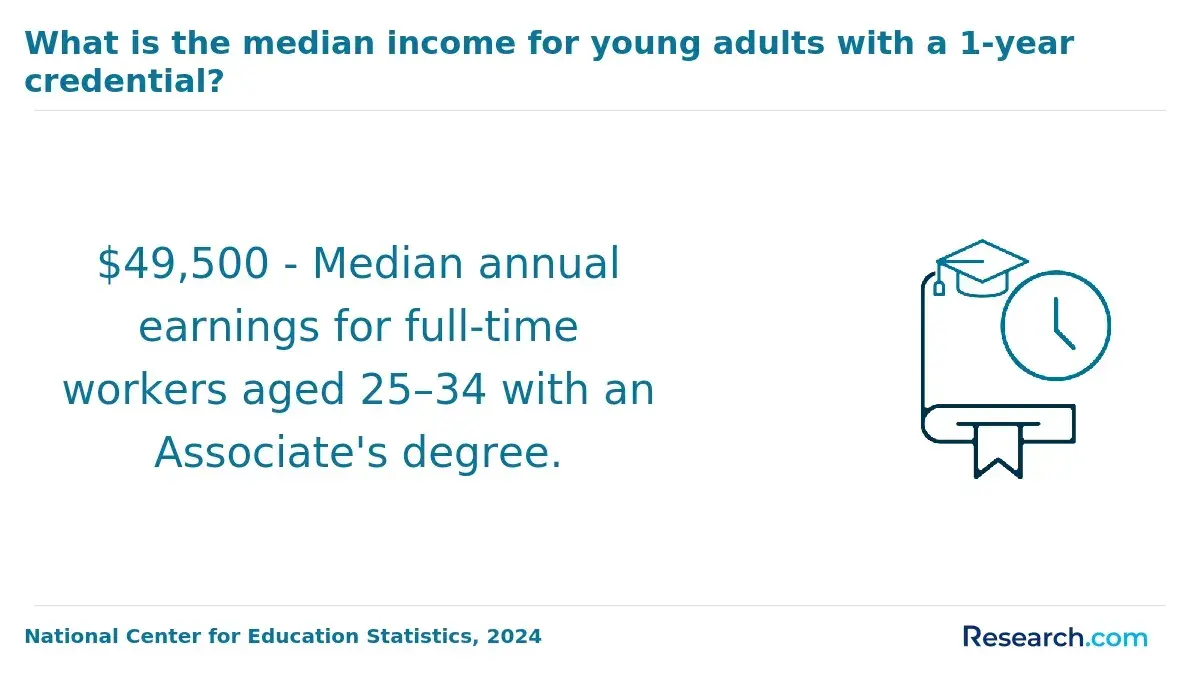
Market data for early-career bachelor's graduates in criminal justice and fire protection shows median annual earnings around $45,410 with low civilian unemployment at 1.8%, reflecting steady workforce demand. For a law enforcement officer aiming at mid-management, the decision to reduce work hours must weigh near-term income loss against the longer-term salary increase associated with administrative roles.
Ultimately, individuals must assess whether accelerated or part-time pathways best fit their employment situation, financial capacity, and career timing.
What criminal justice administration careers can these online degrees prepare you for?
Online degrees with administration coursework in criminal justice open pathways for leadership roles that extend well beyond frontline enforcement. Such programs prepare students to work as probation officers, crime analysts, or court administrators—positions demanding competencies in policy application, systemic oversight, and managerial acumen. These roles require fluency in complex enforcement protocols paired with practical organizational management.
A common professional trajectory involves moving from entry-level enforcement to a public safety director role. This shift brings increased responsibility for budgeting, coordinating across agencies, and supervising personnel. The lower cost and accessibility of online programs, averaging $13,676 annually versus $50,400 for traditional tuition, offer working adults the chance to develop these skills without sacrificing income or relocating.
Graduates targeting supervisory roles in corrections or juvenile justice must also navigate regulatory compliance and rehabilitative objectives, requiring expertise in legal frameworks and case management technology. Employers increasingly value candidates who combine technical knowledge with leadership ethics, organizational behavior, and policy insight.
However, candidates must anticipate challenges such as adapting to evolving criminal statutes, resource allocation disputes, and interdepartmental coordination complexities. Selecting programs with robust coursework in these areas can improve outcomes but does not eliminate the operational friction inherent in criminal justice administration careers.
What salary ranges and earning potential are common in criminal justice administration roles?
Salary trajectories in criminal justice administration reflect clear operational and geographic dynamics rather than uniform progressions. Entry-level administrative salaries often start around $45,000 in local agencies, but competent mid-career professionals managing divisions within state or metropolitan organizations generally earn between $65,000 and $80,000.
Federal or large metropolitan senior administrators frequently exceed $85,000 annually. These ranges align with a median wage near $73,000 as reported by the U.S. Bureau of Labor Statistics 2024 for administrative managers in this field.
Cost considerations significantly influence educational choices in this sector. Online programs priced between $6,000 and $36,000 can sharply reduce debt burdens and allow quicker entry into the workforce, compared with traditional in-person programs ranging from $10,000 to $100,000, as seen at institutions like National University. This tradeoff affects both financial flexibility and the timing of obtaining supervisory roles.
Employers expect a bachelor's degree focused on administration, supplemented by demonstrated leadership and relevant certifications. For example, a state police department officer moving into administration could realize a 30% to 50% salary increase over five to seven years, contingent on credentials and job performance. Geographic disparities must be factored in: urban roles offer higher pay but entail increased competition and operational complexity.
This salary and education balance is essential for realistic career planning, emphasizing the importance of aligning degree expenses with achievable roles and pay scales in criminal justice administration.
What is the job outlook for criminal justice administration professionals in the United States?
The criminal justice administration field demands more than foundational knowledge; employers prioritize advanced managerial capabilities, especially in budgeting, policy compliance, and interagency coordination. A rise of 56% in bachelor's degree holders aged 25-29 from 2010 to 2019, according to National University citing NCES, has increased competition, signaling that candidates must differentiate themselves through specialized coursework and leadership experience.
For example, a graduate pursuing a mid-level management position within a municipal police department will face rigorous promotion evaluations requiring supervisory training and proven practical administration skills. The shift towards data-driven decision-making and technology integration means operational expertise alone no longer suffices.
Geographic and sectoral choices further influence career trajectories. Urban agencies and private security firms tend to offer more dynamic roles managing compliance and risk, while rural or smaller jurisdictions generally afford slower advancement and fewer openings. Students should weigh these variables carefully against their willingness to relocate or specialize.
Key considerations for prospective entrants include:
- Investing in certifications or leadership experience beyond a degree to meet employer expectations
- Preparing for complex promotion processes in public safety contexts
- Recognizing sector-specific growth patterns when targeting roles
- Developing data fluency and technological competencies to remain competitive
Such a nuanced approach better equips candidates to navigate the evolving employment landscape within criminal justice administration.
How can students evaluate and choose a reputable online criminal justice administration program?
Choosing an online criminal justice administration program requires balancing accreditation, curriculum relevance, and tangible workforce outcomes. Accreditation from recognized agencies ensures the program meets standards employers respect, affecting job eligibility and credential acceptance. Programs lacking this can leave students ineligible for funding and limit mobility in a competitive labor market.
Graduation rates and job placement statistics are critical metrics. For example, roles such as private detectives and social workers are expected to grow by 6.0% and 6.6%, respectively, according to BLS. Selecting programs connected to such expanding sectors improves return on investment.
Effective curricula emphasize administration with applied case studies, management skills, and contemporary law enforcement technologies. A candidate focusing on social services should prioritize coursework blending social work principles with criminal justice foundations rather than policing basics exclusively.
Logistical factors like flexibility and student support, including career counseling and internship placement, directly influence a working professional's ability to progress without sacrificing employment. Accelerated paths may shorten completion times but often increase stress and financial burden.
Employer expectations vary by region and sector, often requiring prior relevant experience or coursework in ethical standards. Engaging with alumni or industry professionals can illuminate a program's reputation and hiring outcomes, informing a practical educational choice.
Other Things You Should Know About Criminal Justice Degrees
The rigor of online criminal justice administration programs depends heavily on the institution's curriculum design and faculty involvement. Many accredited online programs maintain the same core requirements and assessments as their campus counterparts, ensuring comparable academic challenge. However, prospective students should prioritize programs with structured synchronous interaction and experiential learning components to simulate real-world scenarios and maintain accountability, which employers value. Programs lacking these features risk producing graduates with weaker critical thinking and less practical readiness.
Internships and practical experiences remain critical despite the online format, as criminal justice administration is inherently applied. Programs that integrate mandatory fieldwork or guided internships provide students with direct workplace exposure and networking opportunities, which significantly improve employability. Students should therefore prioritize programs with established partnerships for internships rather than those offering purely theoretical coursework, as practical experience is often the differentiator in hiring decisions and career advancement.
Accelerated online degrees can shorten time-to-completion but often compress coursework intensity, reducing opportunities for deep learning and reflection. Students pursuing accelerated paths must manage heavier weekly workloads, which can compromise mastery of complex topics like organizational leadership and criminal justice ethics. Those prioritizing comprehensive understanding and networking should favor traditional pacing, while career returnees with existing experience might accept tradeoffs for speed. Therefore, balancing program length against content depth directly impacts professional preparedness and long-term career growth.
References
- Top Online Criminal Justice Degrees https://www.criminaljusticeprograms.com/online-criminal-justice-degrees/
- Online Criminal Justice Degrees (Types, Benefits & FAQ) https://www.allcriminaljusticeschools.com/criminal-justice/criminal-justice-online-degree/
- Criminal Justice Administration https://www.mercyhurst.edu/academics/grad/criminal-justice-administration
- Criminal Justice Administration Bachelor’s Degree | University of Phoenix https://www.phoenix.edu/online-criminal-justice-degrees/criminal-justice-administration-bachelors-degree.html
- Criminal Justice Careers | Law Enforcement and Legal Careers https://www.criminaljusticeprofiles.org/careers.html
- Find Top Online Bachelor's In Criminal Justice Programs https://www.accreditedschoolsonline.org/criminal-justice/bachelors/
- Preparing for a Criminal Justice Career | University of Bridgeport https://www.bridgeport.edu/news/criminal-justice-career-preparation/
- Online Bachelor's Degree Criminal Justice https://www.umgc.edu/online-degrees/bachelors/criminal-justice
- WVU Potomac State College | Academics | Criminal Justice (BAS) Online https://academics.potomacstatecollege.edu/majors/four-year-programs/criminal-justice-bas-online
- Criminal Justice Administration Degree https://ct-test-web.taftcollege.edu/academics/programs/criminal-justice-administration-program.php