2027 Best Online Criminal Justice Degrees for Corrections Careers

Co-Founder and Chief Data Scientist
Corrections professionals often face the urgent need to balance full-time employment with advancing their education to keep pace with evolving standards and responsibilities. The Bureau of Labor Statistics projects a 6% growth in correctional officer and probation officer roles over the next decade, amplifying competition for promotions and specialized positions.
Meanwhile, recent data from the National Center for Education Statistics reveals a 27% increase in adult enrollment in online degree programs since 2022, reflecting a shift toward flexible learning models designed to accommodate working students. This intersection of rising workforce demand and education accessibility shapes pivotal decisions for career advancement.
This article evaluates the best online criminal justice degrees tailored for corrections careers, focusing on program flexibility, curriculum relevance, and career outcomes to help students select pathways that optimize professional mobility and timing.
Key Things You Should Know
- Programs with practicum hours under 300 limit correctional facility eligibility, as DOJ data shows 65% of employers require extensive field experience, forcing candidates to pursue costly supplemental certifications.
- Employers increasingly prioritize graduates with knowledge in data analytics and mental health interventions; BLS 2024 reports roles requiring these skills grow 12% faster, shifting hiring toward interdisciplinary curricula.
- Median tuition disparities exceeding 150% between public and private online degrees widen access gaps; NSC findings identify a 22-month average completion delay for lower-income students delaying workforce re-entry.
What is an online criminal justice degree for corrections careers and how does it work?
Obtaining an online criminal justice degree programs for corrections careers directly influences promotion potential and wage growth within correctional systems. The shift from correctional officer to supervisory roles yields an average of 32% higher salary, moving from a median $49,610 to $65,410 annually. Employers increasingly require or prefer candidates with formal degrees for positions that involve oversight, strategic facility management, and rehabilitation leadership.
Online programs structured with asynchronous coursework enable working professionals to integrate study with demanding schedules yet expect disciplined time management and reliable technology.
Practical learning focuses on case studies, policy interpretation, and correctional ethics, often foregoing traditional labs in favor of applied problem-solving scenarios. Some curricula might necessitate localized internships to satisfy accreditation and expose students to operational realities.
Key considerations when selecting an online criminal justice degree include accreditation that aligns with local and federal correctional policies and access to career support services facilitating entry into competitive job markets. The pathway entails concrete tradeoffs: bypassing formal education may confine personnel to frontline roles with limited growth and earning capacity.
To explore options that balance cost and quality, consider the cheapest online criminal justice degree, which can significantly reduce financial strain during credential attainment.
Which types of online criminal justice degrees best prepare you for corrections roles?
Degrees focused on corrections within online criminal justice programs must prioritize applied skills such as offender rehabilitation, case management, and community supervision rather than broad theoretical knowledge. Employers look for candidates holding bachelor's or associate degrees with corrections-related electives or certifications, indicating a practical grasp of correctional operations and treatment program frameworks.
For example, case managers in community supervision agencies require proficiency in evidence-based practices designed to lower recidivism, a specialization often missing from general criminal justice curricula.
The best online criminal justice programs for corrections integrate opportunities for internships or practicum experiences, which are essential given the projected 4% job growth for probation officers and correctional treatment specialists and approximately 6,800 annual openings, according to the U.S. Bureau of Labor Statistics. Without real-world exposure, candidates often fall short when measured against employer standards for probation or correctional roles.
Key curricular components should balance criminology theory with compliance mandates, mental health strategies, and rehabilitation methodologies. Those lacking corrections-specific content risk producing graduates unprepared to manage the day-to-day complexities of prison or community settings, including conflict resolution and legal documentation requirements.
Prospective students should consider how these programs equip them with skills aligned to actual corrections roles rather than abstract criminal justice knowledge. For those exploring related pathways, careers in forensics offer complementary insights into the criminal justice discipline's broader ecosystem through practical scientific applications.
How do online criminal justice programs for corrections compare to campus-based options?
Online criminal justice programs for corrections offer similar academic rigor to campus-based degrees but require students to manage their time and maintain discipline without direct supervision. The differences between online and traditional criminal justice education for corrections careers become apparent in practical fieldwork.
Campus programs generally provide structured practicum placements through established partnerships, while online students need to secure their own sites, potentially delaying critical hands-on experience. Employers in probation and correctional treatment increasingly accept online degrees if program quality and accreditation are solid, which helps working professionals balance coursework with job demands in a sector marked by high turnover and fluctuating schedules.
For adult learners transitioning into corrections, combining online study with part-time, related employment allows timely application of skills. This approach can be advantageous for advancement to leadership roles, where the highest earners in probation and correctional treatment exceed $98,410 annually.
However, online students face limitations in networking since they miss immersive exposure to the criminal justice culture and mentorship found in campus programs, which often accelerate job placement.
Key decision factors include access to dependable technology, self-structured study habits, and ensuring credentials meet employer expectations. Prospective students should choose programs with proven graduate outcomes and institutional connections in corrections. Those evaluating educational options may also consider related areas such as forensic psychology graduate programs online as a complementary or alternative focus.
What accreditation should online criminal justice programs for corrections have?
Choosing accredited online criminal justice degrees for corrections careers requires prioritizing both regional and specialized programmatic accreditation to avoid stagnation in career progression. Regional accreditation, such as from the Middle States Commission on Higher Education or the Higher Learning Commission, ensures institutional legitimacy and credit transferability, which is essential when seeking supervisory or specialized roles in corrections.
Beyond institutional accreditation, the best regional accreditation for online criminal justice programs specifically tailored to corrections involves specialized bodies like the Academy of Criminal Justice Sciences (ACJS). ACJS accreditation signals that the curriculum addresses practical corrections competencies including offender rehabilitation, security protocols, and legal compliance—skills valued by employers and civil service credentialing boards. Without this, candidates risk their degrees being perceived as too theoretical and less applicable in operational settings.
For example, a corrections officer aiming for promotion must present education credentials recognized by both regional accreditors and ACJS to meet agency advancement criteria. Degrees without proper accreditation often limit eligibility for certain certifications and wage increases, undermining the investment.
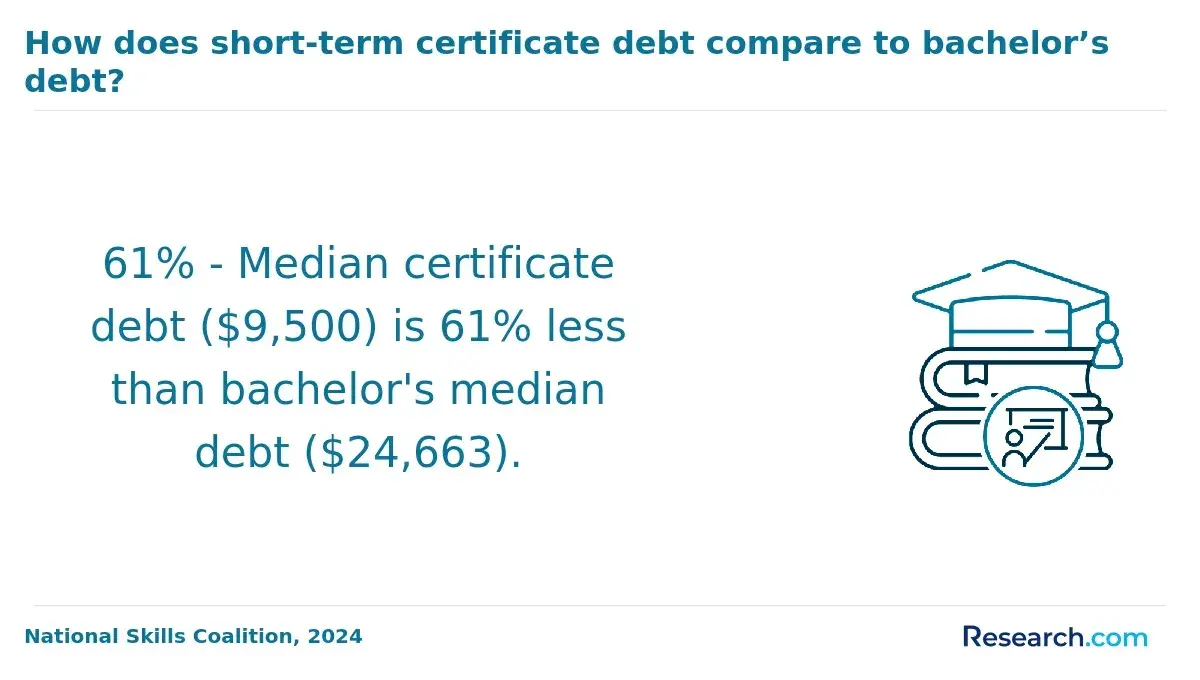
Given that average tuition hovers around $9,910 for an online bachelor's in criminal justice, verifying accreditation safeguards this financial and professional stake.
Additionally, understanding workforce realities is crucial. Criminal justice educators earn a median of $74,620 annually, reflecting the value of accredited education. Candidates should also assess other criminal justice pathways based on robust labor market data, such as resources detailing how to become an autopsy technician, to align education decisions with tangible career outcomes.
What coursework and skills do online corrections-focused criminal justice degrees cover?
Online corrections-focused criminal justice degrees prioritize operational competencies and legal literacy essential for work in correctional environments, where managing complex inmate populations demands more than basic protocol knowledge. Graduates often confront rapid decision-making situations, such as de-escalating volatile incidents or conducting precise risk assessments, where cognitive behavioral skills and conflict resolution directly affect facility safety and outcomes.
For correctional officers advancing to supervisory roles, coursework in leadership and staff management addresses endemic personnel turnover and safety challenges intrinsic to correctional facilities. Additionally, training in criminal law and constitutional rights equips students to mitigate litigation risks, a critical concern for agencies penalized for compliance failures.
Analytical skills like incident data evaluation and report writing are taught to produce documentation influencing parole boards and institutional policies. The availability of over 100 fully online bachelor's programs, as noted on educations.com, offers working professionals crucial flexibility without compromising the rigorous preparation needed for high-stakes corrections roles.
Scenario-based learning and virtual simulations replicate the emotional and institutional pressures of corrections careers, emphasizing adaptability and resilience. Employers value candidates who blend theoretical knowledge with applied skills to reduce liability and enhance operational safety metrics.
What are typical admission requirements for online criminal justice corrections programs?
Admission to online criminal justice corrections programs demands more than baseline academic credentials, reflecting the operational and ethical complexities of correctional roles. Candidates without a bachelor's degree typically submit official transcripts alongside a minimum GPA around 2.0 to 2.5.
While standardized testing requirements have relaxed in many cases, aspirants must still demonstrate readiness through personal statements articulating their motivation and relevant experience, often supplemented by letters of recommendation.
Work experience in law enforcement or social services can be a strategic advantage, sometimes offsetting traditional prerequisites or fulfilling experiential criteria. Background checks and drug screenings are non-negotiable, aligning admissions with employer and regulatory standards focused on trustworthiness.
Given workforce projections from the U.S. Bureau of Labor Statistics showing approximately 3,600 yearly openings for first-line correctional supervisors, selection processes emphasize leadership potential as much as academic qualifications. Prospective students should consider this when evaluating program fit and admissions policies.
Technological readiness also factors heavily. Successful navigation of online platforms requires reliable internet access and digital communication skills. Failing to meet these logistical demands risks delays or withdrawal.
Employer Confidence in Online vs. In-Person Degree Skills, Global 2024

How long do online criminal justice degrees for corrections take and what do they cost?
A bachelor's degree in criminal justice for corrections typically requires four years of full-time study but can extend to five or six years for part-time students balancing work and family commitments.
Accelerated programs offer a faster pathway, often completing in three years through year-round courses, which may better suit working professionals aiming to upskill swiftly. Associate degrees, while quicker and cheaper, mainly prepare candidates for entry-level roles with limited advancement prospects unless supplemented by further education.
Cost considerations weigh heavily in decision-making. Total tuition for a four-year online bachelor's degree generally stays under $40,000, varying based on institution type and residency status. This price point is substantially lower than traditional campus-based programs because it excludes commuting and other campus fees.
However, prospective students should factor in expenses beyond tuition, including textbooks and technology, and confirm eligibility for financial aid or employer tuition reimbursement to minimize out-of-pocket costs.
From a workforce perspective, the investment in a bachelor's degree translates to significantly improved earning potential and employment stability. For example, the median annual salary for probation officers and correctional treatment specialists was approximately $63,290, leading to over $630,000 in earnings across a decade compared with under $40,000 spent on tuition. This wage-to-cost ratio demonstrates meaningful long-term value, supporting transitions into supervisory or specialized correctional roles that typically require a bachelor's credential.
What corrections careers can you pursue with an online criminal justice degree?
Online criminal justice degrees often serve as a gateway to specialized corrections roles beyond the baseline prison officer positions, but this shift carries important workforce and salary implications. Graduates who pursue jobs such as probation officers, parole specialists, or reentry case managers engage in oversight that balances public safety with rehabilitation outside traditional incarceration settings.
These positions demand expertise in community corrections approaches, familiarity with offender management data, and skills in rehabilitative program coordination. Professionals in these roles can earn up to $111,500 annually, considerably more than entry-level correctional officers, reflecting the premium employers place on specialized knowledge.
Advancing beyond basic supervision means acquiring competencies in counseling techniques, legal policy, and ethical decision-making, often through targeted coursework or certifications. For instance, reentry coordinators develop tailored support plans linking released inmates with housing and employment, a task requiring nuanced understanding of systemic barriers and resource networks.
This trajectory, however, is not straightforward for those lacking prior law enforcement experience. Practical exposure via internships or additional credentials frequently becomes necessary to bridge that gap. Candidates must weigh the time and effort invested in these qualifications against the tangible pay and responsibility differential.
Key operational considerations include:
- Mastery of community-based corrections strategies rather than custodial control
- Ability to interpret and apply data-driven corrections policies
- Strong interpersonal skills for coordinating diverse support services
Employers increasingly prioritize candidates who demonstrate practical knowledge of evolving correctional frameworks and technology tools, underscoring that a criminal justice degree's value depends on its relevance to applied correctional demands.
What salary ranges and job outlook can corrections professionals expect?
Corrections professionals in the U.S. face a wage range typically spanning $35,000 to $62,000 annually, with a median near $47,000 according to 2024 Bureau of Labor Statistics data. Entry-level officers usually earn on the lower end, while supervisors or advanced roles push pay higher. Key determinants of salary include agency jurisdiction, size, and location, with federal and state roles generally offering superior compensation and benefits compared to local positions.
The projected 7% job growth through 2034 matches average national expansion but conceals regional workforce pressures and evolving correctional program demands. Professionals aiming to increase earnings or secure stability must often pursue formal education beyond basic training.
For instance, obtaining a bachelor's degree in Criminal Justice can open routes to probation, parole, administrative, or specialized management jobs, which pay approximately 15-30% more.
However, balancing demanding shift schedules with academic commitments remains challenging. Flexible, asynchronous, or hybrid formats that minimize operational conflicts are essential, especially since employers increasingly prioritize formal credentials during hiring and promotion. Low-cost programs, such as those charging around $190 per credit, offer a practical investment for working adults seeking advancement without excessive tuition burdens.
How can you choose a reputable online criminal justice program for a corrections career?
Accreditation from recognized bodies like the Higher Learning Commission remains the most reliable signal of quality for online criminal justice programs targeting corrections careers. Employers expect graduates to demonstrate knowledge of correctional theories, rehabilitation methods, and key elements of administrative law.
Programs that incorporate practical learning through scenario-based instruction or partnerships with correctional agencies tend to produce candidates better prepared for real-world challenges and more attractive to hiring managers.
Choosing programs that offer clear pathways from bachelor's to master's degrees can be critical for long-term advancement. For instance, probation and correctional treatment specialists earn a median wage of $63,290, while social and community service managers, roles often requiring a master's, earn $77,030, according to U.S. Bureau of Labor Statistics data for 2024.
A corrections officer aiming to move into rehabilitation program management benefits from programs focused on both leadership competencies and applied criminal justice knowledge.
Evaluating graduate outcomes is vital; published employment rates and alumni career progressions reveal programs that either facilitate or hinder job placement. Full-time workers should prioritize programs with flexible, asynchronous formats but remain cautious of expedited courses that compromise engagement and depth.
Finally, cost considerations should account for return on investment, favoring programs with higher tuition only if they deliver access to competitive roles and recognized certifications that align with corrections specialties.
Other Things You Should Know About Criminal Justice Degrees
Online criminal justice degrees provide foundational knowledge, but most corrections employers require hands-on experience to assess applicants' ability to manage real-world situations. Candidates who lack internships, practicum placements, or work in related public safety roles may face challenges securing entry-level positions despite strong academic credentials. Prioritizing programs that integrate or facilitate access to supervised fieldwork will improve job-readiness and hiring prospects.
The level of degree directly influences job eligibility and advancement opportunities in corrections. Entry-level roles often require at least an associate or bachelor's degree, while supervisory and specialized positions demand a master's credential. Candidates should weigh immediate access to roles versus long-term career goals; investing in a bachelor's or master's degree typically offers better return through higher starting salaries and promotion potential compared to an associate degree alone.
Fully asynchronous courses offer maximum scheduling flexibility, which benefits working adults balancing shifts in law enforcement and corrections. However, they may limit real-time interaction with instructors and peers, reducing opportunities to develop communication skills critical for corrections work. Synchronous formats better simulate teamwork and decision-making scenarios, which some employers prioritize. Prospective students should select formats aligned with their current commitments and preferred learning style while considering the value of instructor engagement.
Online criminal justice degree programs for corrections often integrate courses on psychology and conflict resolution to prepare graduates for the emotional demands. They may also include simulations and virtual scenarios to enhance learning. However, real-world training and practical experience are crucial to fully meet the physical requirements of the corrections field.
References
- Top Online Criminal Justice Degrees https://www.criminaljusticeprograms.com/online-criminal-justice-degrees/
- Criminal Justice Programs | Choose The Right One For You https://online.aurora.edu/program-resources/choosing-the-right-online-criminal-justice-program/
- Earn An Online Criminal Justice Degree | OEDb.org https://www.oedb.org/rankings/online-criminal-justice-programs/
- Jobs with a degree in Criminal Justice | Monroe University https://www.monroeu.edu/academics/undergraduate-programs/school-criminal-justice/what-can-you-do-criminal
- Best Online Associate Degree In Criminal Justice https://www.criminaljusticedegreeschools.com/rankings/best-online-associates/
- Preparing for a Criminal Justice Career | University of Bridgeport https://www.bridgeport.edu/news/criminal-justice-career-preparation/
- What Can You Do With a Degree in Criminal Justice? | UMass Global https://www.umassglobal.edu/blog-news/what-can-you-do-with-a-criminal-justice-degree
- Criminal Justice Degree Program Courses & Skills https://www.aiuniv.edu/degrees/criminal-justice/articles/courses-to-take-and-skills-to-study-in-a-criminal-justice-degree-program