2027 How to Choose the Right Criminal Justice Specialization Online

Co-Founder and Chief Data Scientist
Choosing a criminal justice specialization online poses a critical challenge when balancing workforce demands against program accessibility and relevance. Professionals report difficulty aligning program focus with evolving employer expectations, especially as 63% of adult learners in 2024 opt for flexible, accredited online programs according to the National Center for Education Statistics.
This signals a broader move toward education models that accommodate current job responsibilities without sacrificing depth or quality. Nontraditional students risk selecting specializations that lack transferability or practical value in high-demand sectors.
This article examines key specialization options, enrollment strategies, and career outcomes to guide readers toward informed decisions aligned with real-world advancement trajectories.
Key Things You Should Know
- Specializations like cybercrime and forensic psychology show 12% projected growth through 2032 but require costly certifications beyond a degree, impacting total investment and delaying workforce entry.
- Employers in law enforcement increasingly prioritize candidates with specialized analytical skills, with 68% of agencies favoring candidates holding focused academic tracks or practical experience, limiting generalist graduates' opportunities.
- Completion time varies: intensive corrections or probation studies often enable faster credentialing than homeland security, affecting salary growth timing and access to federal roles requiring security clearances.
What criminal justice specialization should you choose online?
Choosing online criminal justice specializations aligned to career goals is critical to avoid misalignment with employer needs and labor market realities. For example, law enforcement roles increasingly demand expertise in policing, cybercrime, or forensic investigation, which filled over 30% of relevant new jobs in 2024.
Conversely, roles in legal or correctional administration require specialized knowledge in criminal law, correctional counseling, or juvenile justice to navigate regulatory frameworks effectively.
Online criminal justice degree specializations for online students must balance theoretical frameworks with hands-on, practical training. Specializations in forensics and cybercrime benefit notably from virtual internships or simulations, since direct experience with network defense tools and incident response is a baseline employer expectation.
Programs lacking these practical components tend to produce graduates who struggle to demonstrate job readiness in demanding technical roles.
Those pursuing research, advocacy, or federal agency careers should consider criminology or criminal justice policy tracks, which necessitate advanced critical thinking and statistical analysis. However, the intensely competitive online student environment—where over 60% of 1.2 million criminal justice enrollees choose remote formats—means specialization must provide distinctive, measurable skills to stand out.
Working professionals must weigh program length and credential recognition. Specializations offering licensure or certification aligned with state and federal standards typically enhance career longevity more than broad criminal justice degrees, which risk diluting crucial skill development. For a practical evaluation of options suited to such strategic considerations, see criminal justice degree online.
Is the online criminal justice program properly accredited?
Enrollment in a non-accredited online criminal justice program can severely limit career prospects. Regional accreditation—recognized by bodies like the U.S. Department of Education or the Council for Higher Education Accreditation (CHEA)—ensures that credits transfer and employers recognize the degree's legitimacy.
Without this, graduates risk outright rejection or stalled progression. For instance, a candidate applying for corrections officer certification in some states could become ineligible solely due to education from a non-accredited institution.
Specialized accreditation from organizations such as the Academy of Criminal Justice Sciences (ACJS) adds a layer of relevance, confirming that curriculum aligns with specific sectors like law enforcement or cybersecurity. This sector-specific validation matters especially in cybersecurity within criminal justice, where technical currency affects one's ability to demonstrate competence in protecting digital assets.
Key considerations for students evaluating these pathways include:
- Verification of accreditation status through official databases before enrollment
- How accreditation influences eligibility for federal financial aid and professional licensing exams
- The impact on internship access and networking opportunities, vital for employment placement in competitive specializations
With over 80% of criminal justice graduates employed within six months (CJGSU, 2024), choosing a program that meets rigorous online criminal justice program accreditation standards aligns with real market demand rather than just ease of entry.
Understanding the differences in regional accreditation for criminal justice degrees is a practical necessity rather than an optional step. For additional context on related legal career tracks, see the different types of paralegals and how their education pathways and compensation compare.
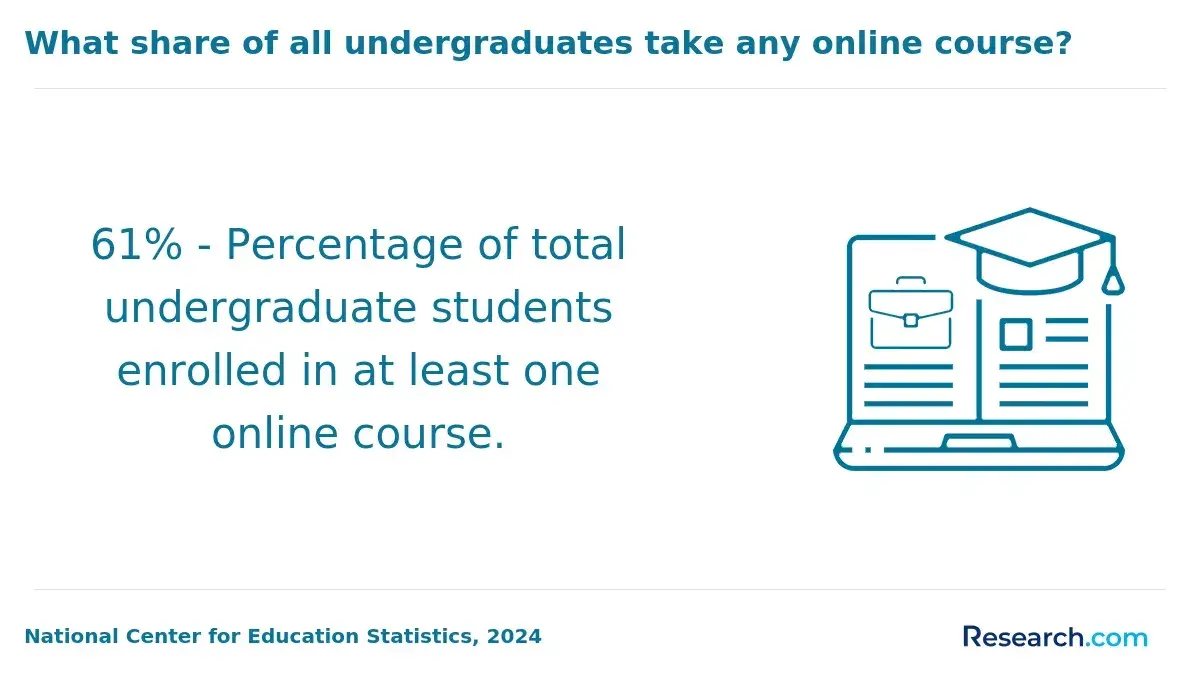
How do online and campus criminal justice programs compare?
Choosing between online criminal justice programs and campus programs hinges largely on the nature of required practical training and career focus. Campus programs offer direct access to specialized labs, simulations, and mandatory in-person internships, essential for law enforcement roles where hands-on experience—such as firearms training or ride-alongs—is typically non-negotiable.
Conversely, some students opt for online criminal justice programs to accommodate work schedules or geographic constraints, yet these often necessitate hybrid coursework or coordinated local fieldwork to fulfill experiential requirements.
Employers in fields like corrections and patrol emphasize physical engagement, while areas such as cybersecurity within criminal justice increasingly benefit from online theoretical instruction supported by virtual labs. This shapes workforce preparation: online programs suit those targeting cyber roles with flexible pacing, whereas traditional campus routes better serve candidates needing regulatory-compliant certifications and tangible field exposure.
The differences between online and traditional criminal justice degrees become evident when aligning modality with specialization and accreditation standards.
Students pursuing higher-level federal positions typically gain from the networking opportunities and career fairs available on campus, whereas those working in local or state roles might effectively combine online study with existing employment. This dynamic requires proactive scheduling to integrate internships effectively.
Additionally, students interested in related credentials such as a forensic psychology degree should consider how modality impacts access to faculty and experiential resources.
The criminal justice and corrections discipline ranks as the 7th most popular major nationally, awarding 113,121 degrees in 2020-2021, underscoring strong labor demand. Prospective students evaluating how online criminal justice programs compare to campus programs must realistically assess hands-on training needs, workforce expectations, and logistical trade-offs tied to their long-term goals.
What courses are included in each criminal justice specialization?
Specializations within criminal justice shape career trajectories by imposing distinct educational demands and workforce realities. Those pursuing a cybersecurity or information security focus face a curriculum dense with network security, digital forensics, cybersecurity law, and ethical hacking—skills linked to median salaries near $102,470, according to National University's 2026 criminal justice statistics summary. This track requires ongoing technical certification beyond graduation to remain competitive amid evolving threats.
Conversely, law enforcement leadership has a fundamentally different emphasis. Courses in criminal law, police administration, ethics, and investigative techniques develop supervisory competencies crucial for roles commanding approximately $93,100 annually. Success here blends academic grounding with extensive field experience, as rising through ranks demands operational command and crisis management capabilities.
Other specializations, such as corrections or forensic psychology, prioritize practical application—penology, rehabilitation practices, behavioral analysis, and evidence-based methods—preparing graduates for careers in correctional settings or behavioral consultancy.
The variability in course requirements within an online criminal justice specialization curriculum means students must evaluate alignment with their professional objectives and readiness to meet field-specific demands. One operational consideration is the higher need for continuous learning in technical tracks versus the experiential prerequisites typical of leadership paths.
Those veterans or working professionals evaluating technical fields within criminal justice may also find value in reviewing military friendly online electrical engineering degree programs for comparative insight into disciplined, technology-focused education pathways.
What admissions requirements do online criminal justice programs usually require?
Admissions criteria for online criminal justice programs reflect a balance between academic readiness and practical experience, especially for working adults. While a high school diploma or GED remains the baseline, schools often require transcripts and a minimum GPA around 2.0 to 2.5.
However, some institutions waive standardized tests like the SAT or ACT to emphasize relevant professional backgrounds, which can better signal maturity and applied skills to employers.
Proof of U.S. residency or citizenship may be mandatory to access federal financial aid or fulfill internship requirements tied to local law enforcement. Background checks are uncommon in admissions but standard before program completion, particularly when credentials lead to roles demanding security clearance.
Specialized areas such as forensic science or corrections often attach prerequisites like biology or psychology coursework, and professional portfolios or recommendations serve as crucial evidence of practical competence. Accelerated tracks typically expect stronger academic performance and research capabilities.
Cost presents a clear tradeoff: the average annual tuition for an online criminal justice bachelor's degree was around $9,910, notably less than the social sciences average of $13,676. For working professionals, flexible admissions policies—such as rolling deadlines and transfer credit acceptance—can mean the difference between advancing one's career without disrupting employment and facing delays or extra costs.
How long does an online criminal justice degree take to finish?
Bachelor's degrees in criminal justice often serve as a gating factor for meaningful advancement in law enforcement, corrections, and federal agencies, making degree completion time a key consideration for career planning. While associate degrees typically require two years of full-time study, bachelor's degrees take about four years, though accelerated options and transfer credits may reduce this to around three years.
Enrollment data shows a 15% increase in four-year criminal justice programs, signaling employer preference for bachelor-level credentials in workforce readiness. In contrast, community college criminal justice programs face declining enrollment, suggesting limited upward mobility for those who stop at an associate degree.
Practical decision-making for students often involves balancing pacing with professional demands. For example, law enforcement officers aiming for promotion or specialization must align degree completion within four years or less to meet agency requirements and maintain competitiveness.
Conversely, those targeting roles in corrections or security management may find an associate degree adequate but should note the narrower advancement paths that come with this choice.
Key factors to evaluate include:
- Full-time vs. part-time enrollment and its impact on completion speed
- The possibility of accelerated programs and transfer credits
- Employer expectations within specific sectors of the criminal justice field
Understanding these variables helps shape a strategic education investment that supports practical career outcomes rather than defaulting to time or cost alone.
How much does an online criminal justice specialization cost?
Costs for online criminal justice specializations vary widely between $5,000 and $20,000, reflecting differences in institutional prestige, credit requirements, and delivery models. Public universities, especially for in-state students, typically charge $300 to $600 per credit hour, with programs requiring 15 to 30 credits. Private institutions generally charge more, impacting the total investment significantly.
Professionals aiming for federal regulatory roles or private security positions must weigh not only tuition but also program alignment with relevant federal curriculum standards or industry certifications. For instance, a public safety analyst role at the state level may require less specialized, lower-cost training, while advanced federal specialist positions demand comprehensive coursework that entails higher expenses.
Additional costs often include technology fees, exam proctoring, and course materials. While employer tuition assistance or federal financial aid can alleviate some of these expenses, careful evaluation of the credit load, program focus, and practical applicability to public safety, federal law enforcement, or private security sectors remains critical.
The 12% projected growth in criminal justice jobs in California highlights the value of investing in specialized programs that deliver relevant experiential learning and recognized credentials aligned with workforce demands.
Which criminal justice jobs match each specialization?
Selecting a specialization in criminal justice significantly influences employability and career trajectory by aligning skillsets with distinct operational demands. For example, choosing forensic science suits candidates prepared for technical roles such as crime scene investigators or lab technicians who must maintain precision under scrutiny.
Meanwhile, corrections-focused pathways prioritize expertise in rehabilitation management and institutional policy enforcement, fitting roles like probation officers or prison administrators.
Law enforcement specializations demand physical readiness and rapid decision-making, fitting police officers and federal agents, whereas forensic psychology requires nuanced skills in behavioral assessment relevant to offender profiling or victim support. Cybersecurity and digital forensics are rapidly expanding fields driven by increasing cyber threats; however, these paths necessitate continual skill updates and professional certifications reflective of evolving technologies.
Legal studies route graduates toward paralegal or legal assistant positions, where comprehensive knowledge of courtroom procedure is mandatory. Criminology emphasizes data analysis and policy advising, demanding strong analytical capabilities rather than direct field intervention.
Employers increasingly weigh regional job market nuances; urban centers favor law enforcement and cybercrime specialists, while rural areas show greater need for corrections professionals. Workforce diversity metrics reveal shifts—female enrollment exceeds 50%, and Hispanic and Black students represent nearly a third of candidates—impacting recruitment approaches across specializations.
What salaries can criminal justice specializations lead to?
Salary outcomes in criminal justice vary widely depending on specialization, education, and geography. Forensic science bachelor's degree holders typically earn median annual salaries near $65,000, while probation or correctional officers start closer to $40,000-$45,000. Specialties such as cybersecurity intersecting IT and law enforcement push earnings beyond $90,000, reflecting market demand for technical expertise within criminal justice roles.
Education cost differences influence net financial outcomes. Accredited online bachelor's programs range from $6,000 to $36,000, significantly lower than traditional in-person options that can exceed $100,000. Choosing an affordable online pathway can reduce debt burden while enabling entry into higher-paying specializations, a key consideration for career pivots or working professionals balancing income and schooling.
Advancing beyond entry-level roles often requires certifications or graduate education, particularly for positions like law enforcement management or legal analysis, where salaries can surpass $80,000. Employers expect practical experience alongside credentials, meaning candidates must plan for ongoing education and licensure expenses.
Urban centers offer increased salaries but also higher living costs, complicating geographic decisions. For instance, professionals moving into criminal investigation roles may see starting salary increases of 15-20% yet must navigate licensing and continuous training requirements to maintain progression.
Do criminal justice careers require licenses or certifications?
Licensing and certification are non-negotiable gatekeepers in many criminal justice careers. For example, aspiring law enforcement officers must complete accredited police academy training and state certification before agencies consider them. Without these credentials, candidates—even with degrees—often cannot compete, especially for public sector roles.
Beyond entry, specialized fields like forensic analysis or cybercrime investigation demand recognized certifications such as those from the American Board of Criminalistics or certified digital forensic examiners. These credentials not only open doors to advanced laboratory or technical positions but also influence salary and career trajectory. Employers view certification as validation of practical competence, making it a critical investment for workers seeking meaningful progression.
Choosing an online program without embedded certification preparation can delay employment, add unexpected costs, and weaken job prospects. Working professionals shifting careers or targeting supervisory roles must prioritize programs aligned with state licensing and industry standards to avoid credentialing gaps that can stall advancement.
Practical planning includes:
- Verifying state-specific licensing requirements early
- Seeking accredited programs with integrated exam preparation
- Budgeting for exam fees and ongoing credential renewals
The U.S. Bureau of Labor Statistics anticipates 7.6% job growth in the field through 2026, notably faster in specialized areas like cybercrime, which require technical certifications. Navigating these requirements effectively is essential for timely workforce entry and long-term sustainability.
Other Things You Should Know About Criminal Justice
Practical experience remains a critical factor despite the online format. Programs lacking structured internships or fieldwork components can limit direct exposure to real-world criminal justice environments, reducing employability in fields that prioritize hands-on skills. When choosing an online specialization, prioritize those that integrate supervised practicums or offer partnerships with local agencies to gain applicable insights and build professional networks.
Some online specializations emphasize theory over leadership training, which can hinder advancement into supervisory or management roles. For candidates targeting leadership, selecting a program with courses in organizational behavior, policy development, and ethics is essential. Programs offering case studies, scenario analysis, or capstone projects tied to decision-making best equip graduates to meet employer expectations for leadership competencies.
Employers often weigh the reputation and rigor of online programs differently, with preference toward well-known and regionally accredited institutions. Graduates from less established or purely online-only providers may face skepticism, particularly in law enforcement and federal agencies. Prioritizing programs with strong alumni outcomes and employer connections can enhance credibility and overcome potential hiring barriers.
In 2027, accreditation remains crucial when selecting an online criminal justice specialization. It ensures that the program meets established education standards, which can enhance the degree's credibility and recognition by employers, potentially impacting career opportunities positively.
References
- Criminal Justice Salary Guide | All Criminal Justice Schools https://www.allcriminaljusticeschools.com/criminal-justice/criminal-justice-salaries/
- What Can You Do With a Degree in Criminal Justice? | UMass Global https://www.umassglobal.edu/blog-news/what-can-you-do-with-a-criminal-justice-degree
- Online Criminal Justice Degrees: Find the Right Program https://www.degreesforgood.org/online-degrees/criminal-justice-programs/
- Explore Careers And Jobs That Require A Professional License https://www.accreditedschoolsonline.org/resources/jobs-requiring-professional-license/
- Criminal Justice Certifications- Secrets You Need to Know https://lakewood.edu/criminal-justice-certifications/
- Criminal Justice Programs https://www.corrections1.com/criminal-justice-programs-for-corrections/
- 25 Jobs You Can Get With A Criminal Justice Degree https://www.criminaljusticedegreeschools.com/careers/best-criminal-justice-jobs/
- Online Bachelor’s in Criminal Justice | DeVry University https://www.devry.edu/online-programs/bachelors-degrees/business/criminal-justice-specialization.html
- Top Online Criminal Justice Degrees https://www.criminaljusticeprograms.com/online-criminal-justice-degrees/
- Online Bachelor's Degree Criminal Justice https://www.umgc.edu/online-degrees/bachelors/criminal-justice