2027 Criminal Justice Skills Employers Want More

Co-Founder and Chief Data Scientist
Facing a shift in employer demands, many Criminal Justice professionals encounter a widening skills gap that undermines both hiring prospects and career progression. Agencies now prioritize analytical reasoning and digital literacy alongside traditional enforcement competencies, yet nearly 60% of Criminal Justice graduates lack training in emerging technologies, according to a 2024 National Center for Education Statistics report.
This gap reflects the broader challenge of adapting curricula to workforce needs amid rising adult learner enrollment in flexible, hybrid programs. Understanding which competencies command employer preferences allows students and professionals to target education that maximizes career mobility and job security. This article outlines the specific Criminal Justice skills currently favored by employers and how to strategically develop them to overcome market barriers and advance professionally.
Key Things You Should Know
- Employers increasingly require proficiency in digital forensics and data analytics; 62% of law enforcement agencies prioritize these over traditional patrolling skills, compelling candidates to invest in specialized certifications that extend training duration and costs.
- The sector faces a staffing crunch linked to retention gaps; a 2024 Bureau of Labor Statistics report indicates that skills in community-based conflict resolution improve rehiring rates by 18%, influencing agencies to favor candidates with targeted social competencies alongside enforcement capabilities.
- Public budget constraints reduce funding for advanced training programs, delaying workforce skill upgrades by up to 24 months, which forces aspiring professionals to weigh immediate employment against long-term qualification investments.
What criminal justice skills do employers want most?
Data-driven decision-making now weighs heaviest among the criminal justice skills employers seek most, with median advertised wages rising from $56,000 to $76,000 between 2021 and 2024 per UPCEA/Lightcast. This wage trend signals a shift toward candidates who can interpret complex datasets to support resource allocation, case trend management, and operational efficiencies.
For example, crime analysts applying geographic and demographic data enable law enforcement to deploy personnel where response times can significantly improve community safety.
Technical proficiency also extends to digital forensic tools, crucial for extracting and verifying electronic evidence in cybercrime and fraud investigations. Accuracy in these skills impacts case outcomes directly, making this a non-negotiable qualification for many roles. Employers also prioritize risk assessment and critical thinking, notably in parole or bail decisions where empirical evidence must balance public safety and rehabilitation.
Communication remains another key competency, emphasizing clear, concise reporting for both legal experts and general audiences. Practical pathways must incorporate certification or coursework in platforms like SQL databases or crime-mapping software to align with the top criminal justice abilities preferred by employers.
Those evaluating how to become a criminal profiler will find these demands typical across law enforcement specialties, integrating behavioral science with statistical models for nuanced judgment. More details can be explored through how to become a criminal profiler.
Which criminal justice jobs need these skills?
Positions within criminal justice that demand advanced technology skills are primarily found in law enforcement, forensic analysis, cybersecurity, and corrections management. By 2034, law enforcement jobs augmented by automation are projected to grow 5%, surpassing one million roles, reflecting the sector's reliance on digital tools like predictive analytics, body-worn cameras, and automated record systems.
This shift imposes a baseline requirement for IT proficiency; for example, patrol officers routinely use mobile data terminals, making such skills mandatory rather than optional. This reality illustrates critical workforce implications for individuals seeking criminal justice careers requiring key skills beyond traditional fieldwork.
Forensic technicians must now combine knowledge of evidence extraction with specialized software skills for digital device analysis. Cybersecurity roles in criminal justice focus on network defense and encrypted communications, linking law enforcement aims with IT strategies.
Corrections officers managing digital inmate records highlight how automation changes operational workflows and training needs. These developments emphasize the importance of in-demand criminal justice job abilities that integrate digital literacy with core field knowledge.
These technological demands split roles into task-enabling positions-such as patrol officers-and data-intensive ones like forensic examiners and cybercrime specialists. Students or professionals evaluating educational paths need programs that merge criminal justice theory with applied technology training aligned to specific responsibilities.
Without developing these competencies, employability narrows as automation spreads across the sector. Those seeking practical options might consider reviewing degrees felons can get to navigate barriers and understand realistic educational pathways.
What degrees prepare you for criminal justice careers?
Degrees in criminal justice administration, sociology, psychology, and public administration prepare candidates with distinct skill sets, yet their real-world value depends on how well graduates align with employer expectations beyond theory.
Criminal justice degrees focus on legal frameworks, law enforcement, and corrections, but employers emphasizing roles like probation or parole demand strong communication and community engagement skills, often undervalued in typical curricula.
For instance, a graduate with limited experience in conflict resolution may struggle in community supervision positions where negotiation and trust-building are essential.
Over 70% of justice-sector employers prioritize interpersonal communication with justice-involved individuals and community partners. These preferences affect practical employability, as even candidates with solid academic credentials encounter barriers without relevant social skills training. Programs integrating internships or certificates in mediation and restorative justice offer graduates a competitive edge.
Public administration degrees build proficiency in management and policy essential for justice agencies' admin roles, while sociology and psychology enhance understanding of social behavior and mental health-critical for rehabilitation and victim advocacy functions.
Working professionals seeking a pivot into criminal justice should consider supplementing their education with targeted communication and social service courses. Additionally, those interested in specialized fields might explore options like a forensic science online degree to broaden technical expertise within criminal justice pathways.
Do online criminal justice programs carry the same value?
Online criminal justice degrees value comparison hinges largely on the integration of practical skill development and employer recognition rather than the modality of delivery alone. Employers increasingly demand evidence of experiential learning-such as internships, supervised fieldwork, or simulated scenarios-to verify competency, especially in cultural competency and engagement with diverse populations. Programs lacking these applied components often see diminished credibility despite accreditation.
For example, agencies emphasizing direct community interaction may reject purely online educational paths that omit in-person practicums, placing candidates without real-world exposure at a disadvantage. Working professionals shifting careers face a tradeoff between the flexibility of accelerated online programs and the limited networking, mentorship, and hands-on experience those programs sometimes entail.
Key workforce trends show "second-chance" hiring initiatives enhance diversity and emphasize skills in navigating varied backgrounds, including justice-involved individuals, underscoring the necessity for targeted applied training beyond theory. This practical emphasis influences employer perceptions of online criminal justice education when evaluating candidate readiness.
Students evaluating online offerings should prioritize programs demonstrating partnerships with local agencies or robust applied learning elements. Failure to meet these standards risks weaker employment outcomes.
Candidates targeting specialized roles may also benefit from understanding related fields, such as a forensic autopsy technician, which melds technical expertise with practical application.
How do you verify a criminal justice program's accreditation?
Employers in law enforcement increasingly reject candidates with degrees from unaccredited programs, especially those lacking endorsement from specialized bodies like the Academy of Criminal Justice Sciences (ACJS). Accreditation is more than bureaucratic formality; it reflects whether a criminal justice program demonstrates rigor, aligns with industry expectations, and incorporates essential ethics and integrity training.
This alignment matters because a recent multi-state law enforcement workforce study found over 60% of agency leaders noting ethical shortcomings in recruits, highlighting a significant skills gap employers actively seek to address.
To verify a program's legitimacy and practical relevance, candidates must confirm whether the institution holds recognition from the U.S. Department of Education or the Council for Higher Education Accreditation and if the curriculum meets standards set by criminal justice-specific accreditors like ACJS. Neglecting this due diligence risks wasted time and resources on credentials that may not transfer or be valued by employers prioritizing verified competencies.
Practical verification steps include:
- Consulting the U.S. Department of Education's accreditation database for institutional standing.
- Ensuring the presence of ACJS or similar subject-specific accreditation.
- Requesting official accreditation documents from admissions.
- Assessing curriculum coverage of competency gaps, particularly in ethics and decision-making.
This approach helps students avoid dead ends and increases their odds for meaningful employment within agencies that emphasize professionalism and verified qualifications.
What coursework builds the most job-ready criminal justice skills?
Prioritizing coursework in trauma-informed practice and de-escalation techniques addresses immediate operational challenges faced by criminal justice professionals. With mental health counselors' employment projected to grow 16.8%, frontline workers who understand behavioral health dynamics become critical collaborators in crisis intervention and reentry.
For instance, officers trained in trauma-informed interviewing can better identify relapse triggers, enabling supervision plans that lower recidivism. This approach reduces reliance on force and elevates officer and community safety.
Core curriculum elements-behavioral psychology, conflict resolution, and crisis intervention-must be accompanied by applied experiences such as simulations or labs to build tangible communication strategies under stress.
Addressing substance abuse and co-occurring disorders remains indispensable given their prevalence in justice-involved populations. While technical skills like data analysis enhance adaptability, they offer less direct impact on fieldwork compared to trauma-informed de-escalation.
Programs incorporating internships or practicum placements with law enforcement or social service agencies yield graduates aligned with employer expectations and current workforce needs. Additionally, electives centered on interagency collaboration develop capacity for multidisciplinary teamwork critical in complex justice environments.
What admissions requirements do criminal justice programs usually ask for?
Admission standards for criminal justice programs vary by degree, but practical considerations often weigh heavier than formal requirements. Undergraduate entry typically needs a high school diploma or equivalent, with competitive programs demanding a GPA between 2.5 and 3.0.
Associate degrees require proof of secondary education completion, while bachelor's applicants must submit transcripts and sometimes standardized test scores, though many schools now offer test-optional policies. Graduate programs mandate a bachelor's degree-usually in criminal justice or a related discipline-alongside a minimum GPA near 3.0, recommendation letters, and statements of purpose reflecting clearly defined career objectives.
The rising emphasis on data-driven roles within the field means quantitatively adept applicants stand out. Employers increasingly seek graduates proficient in evidence-based methods, pushing programs to integrate quantitative assessments like prior coursework or practical experience into admissions.
Institutions often balance access and rigor by conditionally admitting nontraditional students-especially those switching careers-provided they complete foundational statistics or research methods courses.
For example, a social services professional transitioning into criminal justice policy analysis must demonstrate quantitative aptitude either upfront or concurrently with enrollment to keep career pivot delays minimal. Neglecting this can result in program rejections or extended timelines that hamper strategic advancement.
• Undergraduate GPA thresholds from 2.5 to 3.0 dominate selective admissions.
• Test-optional policies reduce standardized testing barriers but vary by program.
• Graduate applicants face stronger GPA, recommendation, and purpose statement requirements.
• Analytical competencies increasingly influence admissions amid workforce demand growth.
How long do criminal justice programs take, and what do they cost?
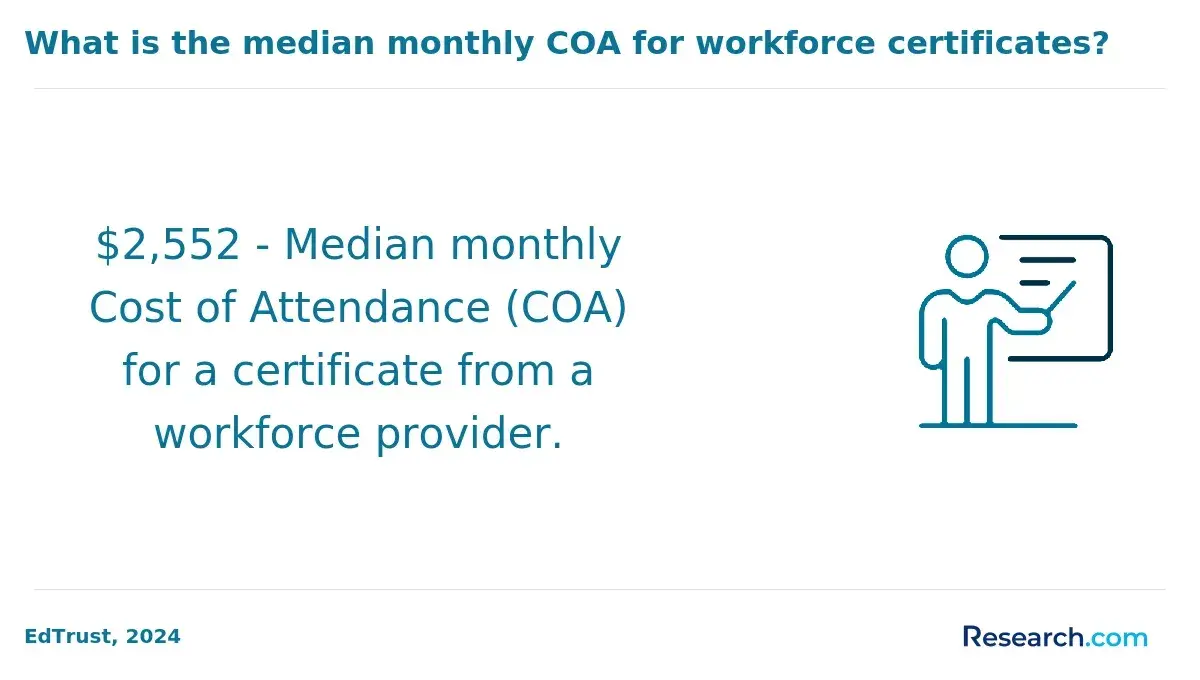
Selecting a criminal justice educational path requires balancing duration, cost, and market relevance, as each credential offers distinct workforce implications. Associate degrees typically take around two years, costing $6,000 to $15,000, suited for entry-level roles but often limiting upward mobility without additional management training.
Bachelor's degrees extend to four years, with tuition ranging from $40,000 to over $100,000, offering stronger positioning for supervisory roles due to more comprehensive curricula.
Certificate programs lasting 6 to 12 months provide rapid entry or skill enhancement at $2,000 to $8,000 but risk limited recognition from some employers. A key hiring trend is the demand for candidates with leadership and supervisory skills; data from the Nebraska Center for Justice Research reveal gaps in frontline supervision among justice-sector employers.
Programs incorporating leadership, team management, and accountability coursework align more effectively with employer expectations and enhance competitiveness beyond purely operational functions. For working professionals, part-time or hybrid formats that extend study beyond two years can offer a balanced approach, integrating supervisory competencies without full-time disruption.
Which certifications strengthen a criminal justice resume?
Certifications in criminal justice must be chosen with precise alignment to job functions and employer priorities, as their practical impact varies sharply by sector. For instance, certification as a Certified Protection Officer (CPO) supports roles emphasizing corrections security, while Crisis Intervention Training (CIT) is critical for agencies handling mental health incidents.
Data from the U.S. Chamber Foundation shows that 39% of employers, and 45% in non-customer-facing roles, are open to hiring individuals with criminal records, highlighting the growing importance of Second-Chance Hiring and Reentry Specialist certifications for candidates bridging justice system involvement and workforce reintegration.
Job seekers should evaluate certifications not only on name recognition but on embedded experiential requirements, such as internships or fieldwork, which strongly influence placement and retention. Law enforcement career pathways benefit more from forensic technology or cybercrime credentials, whereas social service roles require trauma-informed care and substance abuse counseling certifications.
Cost and time investment questions are navigated best through strategic credential stacking. Entry-level candidates may prioritize shorter, broadly accepted certifications for immediate employment, whereas those aiming at supervisory or specialized positions should pursue layered credentials demonstrating progressive expertise.
Without attention to these differences, candidates risk accumulating non-transferable or superficial certifications that fail to advance real workforce outcomes.
What salary and job outlook can criminal justice graduates expect?
Graduates with a bachelor's degree in criminal justice entering the workforce at ages 25 to 29 typically earn a median annual salary near $45,410, though this figure masks important disparities based on role, location, and agency.
For instance, entry-level law enforcement officers in urban settings often earn at or slightly above this median, while specialized positions like forensic analysts or probation officers may access salary increments aligned with certifications and accrued experience. This variation impacts financial planning and career trajectory significantly.
Employment growth for criminal justice fields is projected between 3% and 7% through 2028 according to the Bureau of Labor Statistics, particularly in policing, forensic science, and probation roles.
However, prospective candidates must anticipate intense competition for public-sector jobs characterized by exhaustive background checks and mandatory training academies, which can delay employment start dates and initial paychecks. In contrast, private security roles may offer higher early salaries but typically provide less structured advancement opportunities.
Key considerations include managing unpaid internships or volunteer commitments frequently required before formal employment, which suppress short-term earnings. To enhance employability and earning potential, targeting supplemental skills like cybercrime investigation or data analysis is increasingly necessary. These competencies meet evolving employer demands and correlate with higher salary brackets and job stability.
Other Things You Should Know About Criminal Justice
A criminal justice degree offers foundational knowledge and practical skills that improve hiring chances, but it does not guarantee employment in a crowded market. Employers increasingly value hands-on experience and specialized competencies alongside a degree. Prioritizing programs with strong internship or fieldwork components is essential to gain real-world exposure and differentiate yourself from other graduates.
Applied skills programs tend to align better with employer expectations by providing direct training in investigative techniques, data analysis, or legal procedures. Theory-heavy programs may add academic depth but often require supplementary practical experience to remain competitive. For career readiness, prioritize programs that integrate scenario-based learning and practicums, as these produce job-ready candidates more consistently.
Criminal justice programs often involve intensive reading, research projects, and case studies, which can limit flexibility for working students. Part-time or evening cohorts can mitigate this but may extend graduation timelines and delay entry into full-time roles. Prospective students must weigh program pacing against their current professional and personal responsibilities to avoid burnout and ensure quality learning.
In 2027, employers in the criminal justice field prioritize skills such as data analysis, cybersecurity expertise, effective communication, and crisis management. A strong understanding of digital forensics and ethical practice is also highly valued, reflecting the industry's evolution towards technology-driven solutions and ethical considerations.
References
- How Much Do Criminal Justice Programs Cost? https://criminaljusticecareernow.com/articles/how-much-do-criminal-justice-programs-cost
- Criminal Justice Jobs, Criminal Justice Salary Outlook | HCU https://hc.edu/articles/criminal-justice-salary-and-job-outlook/
- 10 skills you need to work in Criminal Justice | Service Care Solutions https://www.servicecare.org.uk/career-advice/10-skills-you-need-to-work-in-criminal-justice/
- What Can You Do With a Degree in Criminal Justice? | UMass Global https://www.umassglobal.edu/blog-news/what-can-you-do-with-a-criminal-justice-degree
- How Long is a Master's in Criminal Justice (MSCJ) Program? https://www.forensicscolleges.com/blog/resources/how-long-to-earn-masters-in-cj
- Criminal Justice - Bachelor of (Post-Diploma) | Lethbridge Polytechnic https://lethpolytech.ca/programs-and-courses/criminal-justice-bachelor-post-diploma
- Accreditation for Criminal Justice Colleges and Universities https://criminaljusticeonlineblog.com/10/accreditation-for-criminal-justice-colleges-and-universities/
- Criminal Justice Degree Requirements | University of Bridgeport https://www.bridgeport.edu/news/criminal-justice-degree-requirements/
- Criminal Justice Skills That Employers Value | Maryville Online https://online.maryville.edu/online-bachelors-degrees/criminal-justice/resources/criminal-justice-skills/
- What Technology Skills Do I Need to Work in Criminal Justice? https://www.allcriminaljusticeschools.com/blog/essential-tech-skills-for-todays-criminal-justice-professionals/