2027 Online Criminal Justice Degrees for Students Who Want Court Services Roles

Co-Founder and Chief Data Scientist
Professionals pursuing court services roles often confront a pressing hurdle: balancing demanding work schedules with the need for accessible, relevant education that advances their careers without sacrificing income or family time. This challenge intensifies given that 64% of today's online learners are adults juggling employment and personal obligations, according to the National Center for Education Statistics. Such demographics signal a decisive shift toward flexible, competency-based programs that accommodate varied pacing and real-world application over traditional on-campus requirements.
For criminal justice students eyeing positions in court administration, probation, or clerical functions, this evolution influences enrollment timing and prioritizes programs with strong employer recognition. This article evaluates how current online criminal justice degree options align with these practical constraints and workforce demands, offering strategic guidance for students seeking effective educational pathways to court services careers.
Key Things You Should Know
- Court services roles show 12% faster growth than average criminal justice occupations through 2032, per Bureau of Labor Statistics, demanding degrees emphasizing restorative justice over broad criminology-a critical tradeoff for targeted employability.
- Employers seek candidates with applied experience integrated into online degrees; solely theoretical curricula reduce job placement rates by 18%, according to the National Institute of Justice analysis, stressing hybrid program selection.
- Average online criminal justice degrees extend completion time by 40% compared to traditional formats, raising opportunity costs and tuition expenditures-significant financial and timing factors for mid-career professionals pivoting to court services.
What is an online criminal justice degree with a focus on court services?
Specializing in court services within online criminal justice degree programs demands more than theoretical knowledge; it requires targeted skills in judicial workflows and legal administrative tasks. Graduates often take roles such as court clerks or bailiffs, where managing court records, coordinating hearings, and complying with jurisdiction-specific regulations are daily functions. Unlike broader criminal justice curricula, these programs emphasize courtroom technology, administrative law, and ethical requirements unique to judicial environments. For example, a court clerk must efficiently process documents under strict timelines while communicating with diverse legal professionals.
Students pursuing court services careers in criminal justice online education should prioritize programs that combine remote coursework with practicum or internship opportunities, ensuring current technology and legal procedures align with employer expectations. This is especially important given that 60% of criminal justice students now study online; verifying practicum availability directly impacts job readiness. Online learners require strong self-discipline since court services roles demand precision and reliability.
Choosing a program misaligned with court services responsibilities risks leaving graduates unprepared for real-world challenges-missing partnerships with judicial offices or up-to-date content on evolving legal software can hinder workforce integration. For those weighing financial investment and educational quality, considering affordability alongside practical outcomes is essential. Resources like the cheapest online PhD in criminal justice can help in assessing cost-effective pathways without sacrificing relevance.
What court services careers can an online criminal justice degree prepare you for?
Court services careers with an online criminal justice degree require more than academic knowledge-they demand proficiency in managing complex caseloads, assessing compliance, and coordinating with legal authorities under tight deadlines. Probation officers and correctional treatment specialists, for example, juggle supervisory responsibilities and client evaluations that rely heavily on risk assessment tools and behavioral insights taught in such programs. However, limited fieldwork opportunities can create a gap between theory and practice, often necessitating local arrangements for internships or practical exposure.
Employment growth for these roles is projected at 4% between 2023 and 2033, reflecting steady but not rapid demand influenced by shifting criminal justice reforms and increasing caseloads. According to the U.S. Bureau of Labor Statistics, the median salary was $64,520 as of May 2024, indicating moderate compensation relative to the stressful and multifaceted nature of the work.
Job opportunities in court services for criminal justice graduates involve balancing public service duties with irregular hours and administrative pressures. Correctional treatment specialists must understand evolving rehabilitation standards, behavioral health, and legal frameworks to design effective reentry programs. Employers seek candidates combining applied skills in behavior modification and legal compliance with strong communication.
When exploring educational pathways, students should also consider accessible options like the cheapest ABA-approved paralegal programs to supplement their understanding of legal processes and enhance employability.
How do online criminal justice programs compare to campus programs for court services roles?
Choosing between online criminal justice degree flexibility for court services careers and traditional campus programs involves critical operational tradeoffs that affect employability immediately post-graduation. Fields like detective or criminal investigator roles-where the median wage was $93,580 as of May 2024 and job growth is projected at 3% through 2034-demand verified hands-on experience that online pathways struggle to fully replicate. Campus programs excel in offering direct access to simulation labs, in-person internships, and structured exposure to courtroom protocols and agency collaboration, which employers prioritize for entry-level court services positions.
In contrast, online criminal justice programs rely heavily on virtual simulations and require students to independently secure local field placements, a challenging process often unsupported by distant institutions. While online education provides essential scheduling flexibility for working professionals, this flexibility can limit mentorship opportunities and peer interaction crucial for navigating courtroom culture and investigative procedures effectively.
Students considering these options must assess their existing professional network, ability to pursue local internships, and willingness to add post-graduation training to bridge practical gaps. Campus routes deliver more consistent employer confidence upon completion, whereas online paths demand proactive effort to align practical competencies with employer expectations in court services roles.
For those exploring relevant crossover fields, understanding what can I do with a masters in forensic psychology also clarifies interdisciplinary skill sets and opportunities in investigative contexts.
What accreditation should online criminal justice programs have for court-related careers?
Employers in court services roles routinely require evidence that degrees come from regionally accredited institutions, such as those recognized by the Higher Learning Commission or Middle States Commission on Higher Education. This baseline accreditation ensures educational credibility but must be complemented by programmatic accreditation from bodies like the Academy of Criminal Justice Sciences (ACJS) to validate core competencies relevant to court-related careers.
Without this dual accreditation, candidates for positions like probation officer or court clerk may face significant hiring barriers, particularly within federal or state agencies where degree legitimacy directly affects licensure and eligibility. Choosing an online criminal justice program accreditation for court services involves weighing practical exposure against theoretical instruction.
Programs lacking ACJS-aligned curriculum often fall short in delivering essential knowledge of legal frameworks, ethical standards, and evidence-based practices-areas that employers prioritize. Accredited programs generally facilitate internships or practicum placements vetted by oversight bodies, which are indispensable for hands-on court services experience and professional networking. Graduates from accredited criminal justice degrees for court-related careers experience notably higher employment rates-over 80% within six months post-graduation according to Criminal Justice Statistics 2024.
This correlation underscores the operational value of accreditation in workforce integration. Prospective students must rigorously verify program accreditation status early to avoid investing in degrees with limited career application. For those comparing pathways, it's also worth considering related fields and their cost structures, such as an animal science bachelor degree online, to ensure alignment with career ambitions and financial capacity.
What courses and skills are taught in online criminal justice degrees for court services?
Online criminal justice degrees focusing on court services prioritize applied legal knowledge and procedural competence tailored to courtroom demands. Programs equip students with expertise in court administration, evidence law, criminology, criminal law, corrections, and case management, emphasizing real-world judicial processes and evidence admissibility rules. Communication skills training targets negotiation, conflict resolution, and precise report writing essential for interfacing with defendants, attorneys, and judges.
Students develop ethical decision-making and cultural competence to navigate diverse populations fairly while assessing risk and preparing reports that influence court outcomes. Mastery of technology such as records management software and digital evidence processing aligns with current workplace standards. For instance, probation and parole roles require balancing supervision protocols against legal constraints, reflecting a mix of public safety and rehabilitation priorities.
Practical challenges arise in adapting to jurisdiction-specific regulations and managing high-pressure decisions within tight timelines. Online formats often incorporate simulations to bridge gaps in experiential learning. Candidates should weigh programs' focus on procedural accuracy, communication, and case management as critical to meeting employer expectations. Notably, employment for related roles like police officers and detectives is projected to grow 4% from 2023 to 2033, with a median annual pay of $77,270 as reported by Florida National University referencing U.S. Bureau of Labor Statistics data.
What are the typical admission requirements for online criminal justice court services programs?
Programs preparing students for court services roles in criminal justice often require more than academic credentials due to the sector's security-sensitive nature. Applicants must typically provide a high school diploma or GED, official transcripts, and proof of residency or citizenship. Minimum GPA standards usually range from 2.5 to 3.0, but relevant work experience or compelling personal statements can sometimes offset lower academic performance. Students under 21 frequently need to submit SAT or ACT scores, particularly for selective institutions.
Beyond transcripts, admissions committees expect background checks to assess candidates' suitability for roles involving legal sensitivity and potential security clearances. Practical experience in legal or social service environments can substantially influence admission decisions, compensating for weaker grades. Letters of recommendation and essays articulating career intentions in court services roles are standard requisites.
Academic readiness alone does not suffice; students must demonstrate logistical preparedness for online learning, including reliable technology and internet access to engage in virtual coursework and internships-an operational reality that impacts program completion and employability.
Financially, online criminal justice programs offer a significant cost advantage. Data from the National Center for Education Statistics indicates online bachelor's degrees in law and legal studies average about $10,000 annually, less than half the cost of comparable on-campus programs. This disparity can be decisive for working professionals weighing financial risk against career mobility.
Key admission considerations include:
- Mandatory background checks aligned with security requirements.
- Value placed on relevant legal or social service experience.
- Logistical readiness for technology-dependent learning.
- Implications of tuition cost differences on debt and long-term ROI.
How long do online criminal justice degrees take and what do they cost?
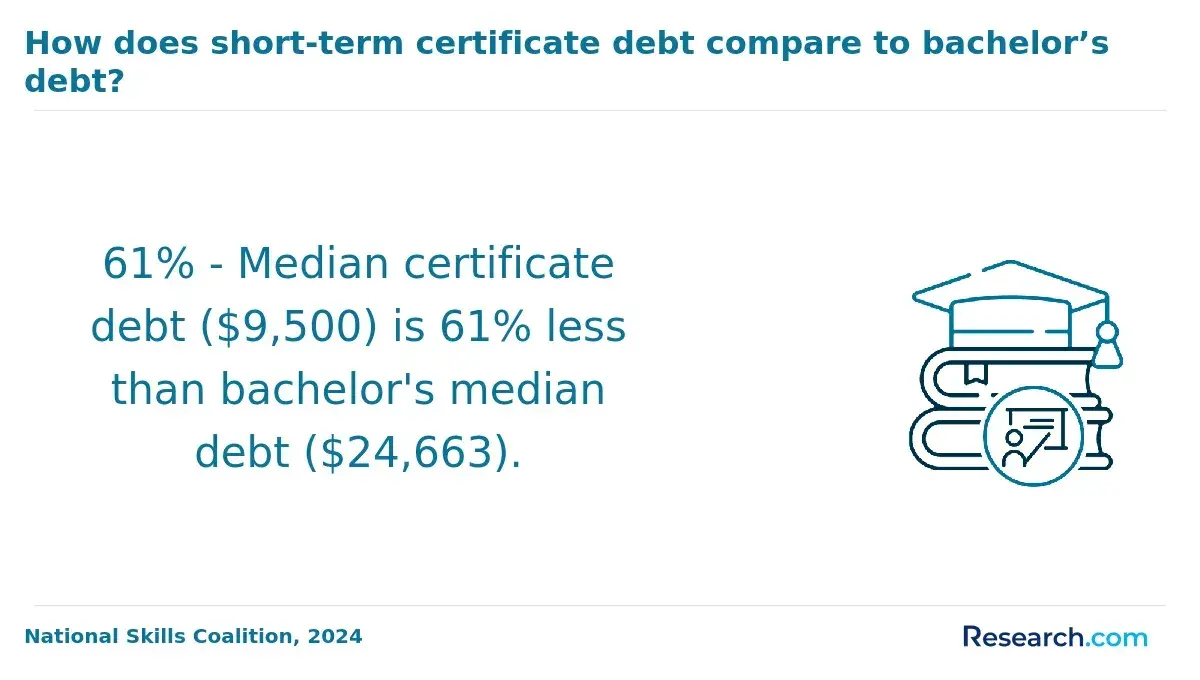
Employers in court-related roles increasingly require a bachelor's degree in criminal justice, with associate degrees often insufficient for upward mobility in this specialized labor market. While a standard bachelor's program takes about four years, accelerated options can reduce this to two or three years for students with transferable credits or relevant experience. This time compression can be valuable for those balancing employment and education, though it may demand a tighter workload and less flexibility.
Cost remains a significant factor, with accredited bachelor's programs averaging between $15,000 and $40,000 in tuition. Prospective students should consider not only tuition but also per-credit fees and additional expenses like technology or practicum costs, which can vary considerably. Public institutions often offer lower rates for in-state residents, impacting overall affordability.
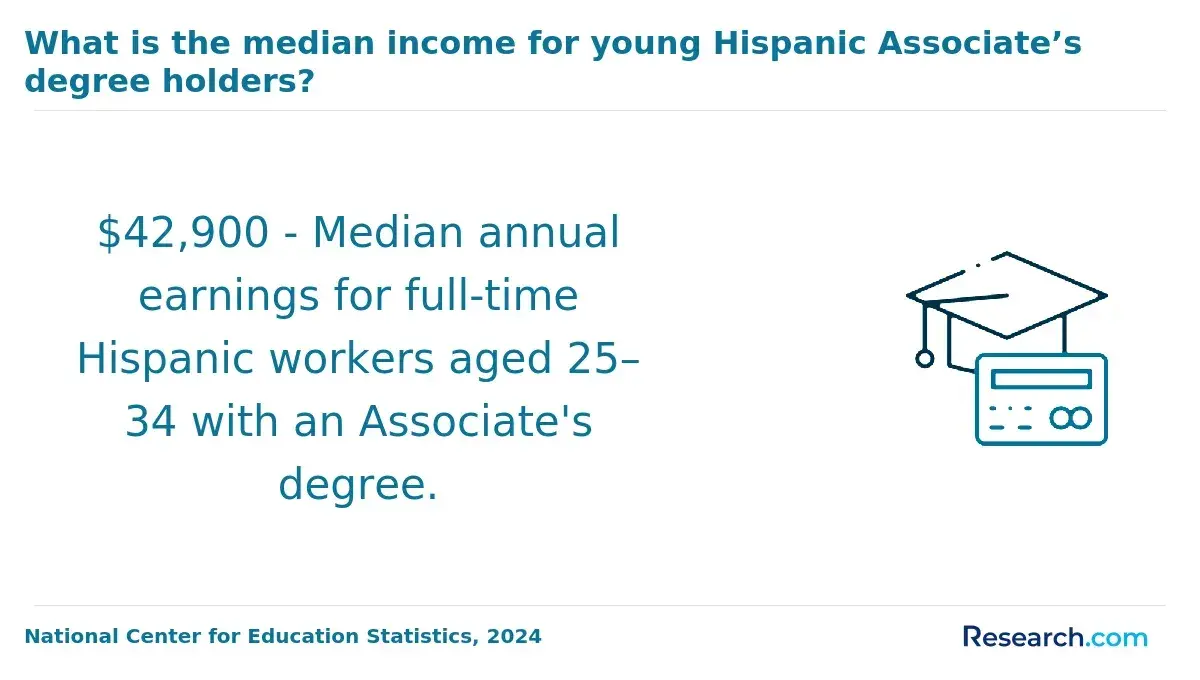
Graduates aged 25-29 with bachelor's degrees in criminal justice and fire protection earn a median annual salary near $45,410, a tangible benchmark for early-career returns. Those opting for shorter associate degrees should weigh the limited initial earnings potential and advancement ceiling against the reduced time and financial investment.
Choosing a program that offers transparent costs and flexible pacing is crucial for working adults aiming to pivot careers without extending timelines unnecessarily. The need for robust applied and theoretical knowledge has tightened hiring standards, pressing candidates to prioritize programs that align with both workforce demands and personal constraints.
What are the salary ranges and benefits for court services professionals?
Salary expectations for court services professionals must be weighed against location, role specificity, and prior experience to navigate realistic career entry points and advancement potential. Entry-level positions such as probation officers or court clerks typically start near $40,000 annually but can rise to $85,000 or more with seniority or specialization. For example, probation officers report a median wage around $56,000, yet top earners exceed $90,000 depending on the jurisdiction and certifications held.
Choosing employment within federal or large metropolitan agencies often results in higher compensation compared to smaller local courts, emphasizing job location's impact on financial trajectory. Educational investment notably shapes long-term earnings: online Criminal Justice degrees average $50,400 in tuition, contrasted with up to $100,000 for traditional on-campus programs. Lower debt levels at entry provide flexibility to accept early-career salaries without undue financial strain while pursuing certifications or supervisory roles.
Beyond salary, evaluating benefit structures such as pension plans versus 401(k) options and job security in public institutions is critical. These elements can offset comparatively modest starting wages by enhancing overall financial stability and retirement readiness. Employers also prioritize candidates whose educational debt burden aligns with realistic salary paths, underscoring the necessity of balancing upfront costs against practical returns in Criminal Justice careers.
What is the job outlook and hiring demand for court services roles nationwide?
Employment in court services hinges on candidates who blend legal knowledge with practical skills to address increasingly complex caseloads and evolving technologies. Jurisdictions with higher case volumes, especially urban courts, exhibit greater turnover and hiring frequency, whereas rural courts offer fewer openings but more stability. Entry-level roles remain competitive but present clearer advancement paths when compared to other criminal justice sectors.
Advancement into supervisory positions markedly improves compensation and job security; for example, criminal justice managers earn median salaries north of $115,000, reflecting the value placed on leadership capabilities beyond foundational court duties. Such roles demand proficiency in team oversight, budgeting, compliance, and adaptation to shifting regulations and tech systems.
Prospective professionals must weigh the time and financial investment required for certifications and continuing education against the tangible benefits of elevated roles. Key employer expectations emphasize not just legal expertise but also strong interpersonal skills to manage offender supervision and court interactions effectively.
Practical considerations include:
- Urban court services roles tend to have faster vacancy turnover due to heavier dockets.
- Rural courts may offer stable positions but slower career mobility.
- Supervisory roles create a significant earnings differential versus frontline positions.
- Continuous education is necessary to remain effective amid procedural and technological changes.
For those targeting meaningful career pivots or responsible roles in offender rehabilitation and pretrial service supervision, matching educational choices to these operational realities is critical.
How can students choose a reputable online criminal justice program for court services careers?
Choosing an online criminal justice program for court services roles requires prioritizing accreditation and direct connections to local agencies where experiential knowledge influences hiring decisions. Programs lacking practicum or internship options within probation departments or court clerk offices may limit a graduate's practical readiness, undermining job prospects despite theoretical coverage.
Employment outcomes provide tangible insight into a program's viability; those with graduate placement rates above 70% within six months often reflect effective employer networks and career support. Students should access official reporting to verify these claims rather than rely on institution-promoted metrics.
Cost and learning format matter but must be balanced against essential fieldwork and curriculum specificity. Less expensive offerings may exclude critical hands-on experience, diminishing long-term employability for court services roles which demand familiarity with case management, legal procedures, and restorative justice practices.
Employer preferences increasingly value candidates who demonstrate disciplined online study habits and technological competency-features best supported by programs offering both synchronous and asynchronous course delivery that mirrors court environments. Additionally, faculty with substantive court services experience-not just academic criminal justice backgrounds-enhance instructional relevance and career transition success.
Recent data show female representation in criminal justice degrees rose to 55% in 2024, signaling shifts in workforce demographics that programs must address through targeted mentorship and networking tailored to evolving industry needs.
Other Things You Should Know About Criminal Justice
Employers in court services typically value the credibility of the institution and program accreditation over the delivery method. Online degrees from regionally accredited schools with curricula aligned to state or federal court standards hold comparable weight to traditional degrees. However, candidates should verify that the program includes practical components, such as virtual simulations or internships, as courts often prioritize applied experience alongside academic credentials.
Specializing in areas like court administration, forensic science, or juvenile justice can narrow job prospects if the specialization lacks direct relevance to court services roles. For students targeting court services careers, prioritizing programs with a strong focus on judicial processes, legal procedures, and case management is advisable to enhance alignment with employer expectations. Broad or unrelated specializations may reduce competitive advantage despite academic depth.
Electives in psychology, communication, or legal writing can be beneficial in online criminal justice degrees for court services roles. These courses provide crucial insights into human behavior, enhance articulation skills, and improve understanding of legal documents, respectively, all of which are valuable in court-related professions.
Hands-on experience is indispensable given the procedural and interpersonal demands of court services roles. Fully online programs generally incorporate internships or partnerships with local courts to fulfill this requirement, but availability varies widely. Students should prioritize programs with guaranteed practicum placements or strong community connections, as purely theoretical programs risk leaving graduates underprepared for the practical realities courts demand.
References
- What Are the Entry Requirements for a Criminal Justice Program? | University of Bridgeport https://www.bridgeport.edu/news/entry-requirements-for-a-criminal-justice-program/
- Top Online Criminal Justice Degrees https://www.criminaljusticeprograms.com/online-criminal-justice-degrees/
- The Reality Of The Job Market For Court Reporters | South Coast College https://southcoastcollege.edu/blog/court-reporting/the-reality-of-the-job-marketfor-court-reporters/
- Online Criminal Justice Degrees: Find the Right Program https://www.degreesforgood.org/online-degrees/criminal-justice-programs/
- Careers https://www.courts.ie/organisation-information/careers
- State-by-state tracking of judicial salaries https://www.ncsc.org/resources-courts/state-state-tracking-judicial-salaries
- Online Criminal Justice Degree & Career Information https://www.criminaljustice.com/online-degrees/
- What Can You Do With a Degree in Criminal Justice? | UMass Global https://www.umassglobal.edu/blog-news/what-can-you-do-with-a-criminal-justice-degree
- BS in Criminal Justice | Online Bachelor's Degree | NMU https://online.nmu.edu/bachelors-criminal-justice/
- Online Bachelor’s Degree in Criminal Justice | Warner Pacific https://www.warnerpacific.edu/programs/criminal-justice/