2027 Criminal Justice Degrees That Work Best for Broad Justice-System Mobility

Co-Founder and Chief Data Scientist
Professionals seeking mobility across law enforcement, corrections, and social services face a complex challenge: selecting a degree that balances specialization with broad applicability in a fragmented criminal justice landscape. The increasing prevalence of online education-now accounting for over 40% of enrollments in related fields according to the National Center for Education Statistics-reflects shifting demand for flexible, accessible programs tailored to working adults.
Yet not all degrees translate equally to diverse roles or jurisdictions, complicating strategic career pivots amid evolving workforce needs and credentialing standards. This article evaluates degree options optimized for expansive justice-system flexibility, guiding readers toward choices that align with practical career advancement and systemic versatility.
Key Things You Should Know
- Employment data from the Bureau of Labor Statistics shows parole and probation officers with bachelor's degrees in criminal justice experience a 5% wage premium versus general criminology studies, urging focused curricula for sector entry roles.
- Federal and state agencies increasingly prefer candidates with specialized cybercrime or forensic concentrations, driving a skills bifurcation that narrows mobility to roles demanding technical certification alongside degree completion.
- Programs averaging $15,000 annual total costs create a critical timing tradeoff: longer, cheaper degrees delay workforce entry, while accelerated $25,000 tracks compress experience acquisition but raise student debt burdens.
Which criminal justice degrees offer the greatest flexibility to move across justice-system careers?
Associate degrees in criminal justice provide foundational skills that enhance mobility across administrative and support roles within the justice system. Unlike specialized forensic science or cybercrime degrees, these programs prioritize broad competencies such as legal research, procedural knowledge, and report writing. This versatility enables graduates to move laterally between positions in court administration, probation services, and victim advocacy without immediate pursuit of advanced credentials. For instance, a paralegal leveraging such a degree may effectively transition into compliance analysis or serve as a liaison between investigative units and prosecutors, where adaptable legal knowledge outweighs narrow technical skills.
However, frontline law enforcement and federal agency careers generally demand at least a bachelor's degree or specialized training, limiting the associate degree's applicability for these tracks. Practical employability also depends on program accreditation and robust internship partnerships, which can significantly expand career-shift opportunities.
The Bureau of Labor Statistics projects 10% employment growth from 2023 to 2033 for paralegals and legal assistants, emphasizing the value of associate-level credentials in legal-support roles. Prospective students should assess the criminal justice degrees with broad career flexibility available, particularly those that emphasize real-world experience.
Programs prioritizing diverse justice-system careers often integrate internship options that enhance upward mobility beyond theoretical coursework. For candidates aiming to optimize early-career versatility within justice environments, evaluating the criminal justice online degree market with practical outcomes in mind is essential.
How do associate, bachelor's, and master's criminal justice degrees differ in career impact?
Choosing between associate, bachelor's, and master's criminal justice degrees shapes career trajectories with distinct real-world tradeoffs in mobility and earning potential. Associate degrees prepare individuals for entry-level positions like correctional officers or security supervisors, roles typically limited by slower wage growth and barriers to advancement without additional training or credentials. This dynamic creates a bottleneck that restricts broader system mobility.
A bachelor's degree significantly improves prospects, especially within law enforcement and federal agencies, where employers prize the degree's combination of critical thinking and operational skills. For instance, police officers holding a bachelor's earned a median annual wage of $77,270 in May 2024, demonstrating a tangible career impact of varied criminal justice degree levels. This credential opens opportunities in specialized units, supervisory roles, and fields such as criminal analysis or victim advocacy.
Master's degrees emphasize leadership, policy development, and research, targeting mid- to upper-level roles like agency executives or academics. While the upfront time and financial investment are substantial, these degrees offer strategic advantages in long-term advancement and multi-agency coordination responsibilities. However, the benefits rarely manifest at entry-level.
Practical decision-making involves balancing immediate workforce entry against future progression. For example, those aiming for rapid leadership advancement in law enforcement should consider a bachelor's or higher. Meanwhile, associate degree holders face significant constraints without further education or specialization.
Comparable considerations apply across allied professions; for insight into related degree impacts and salary benchmarks, see paralegal salary.
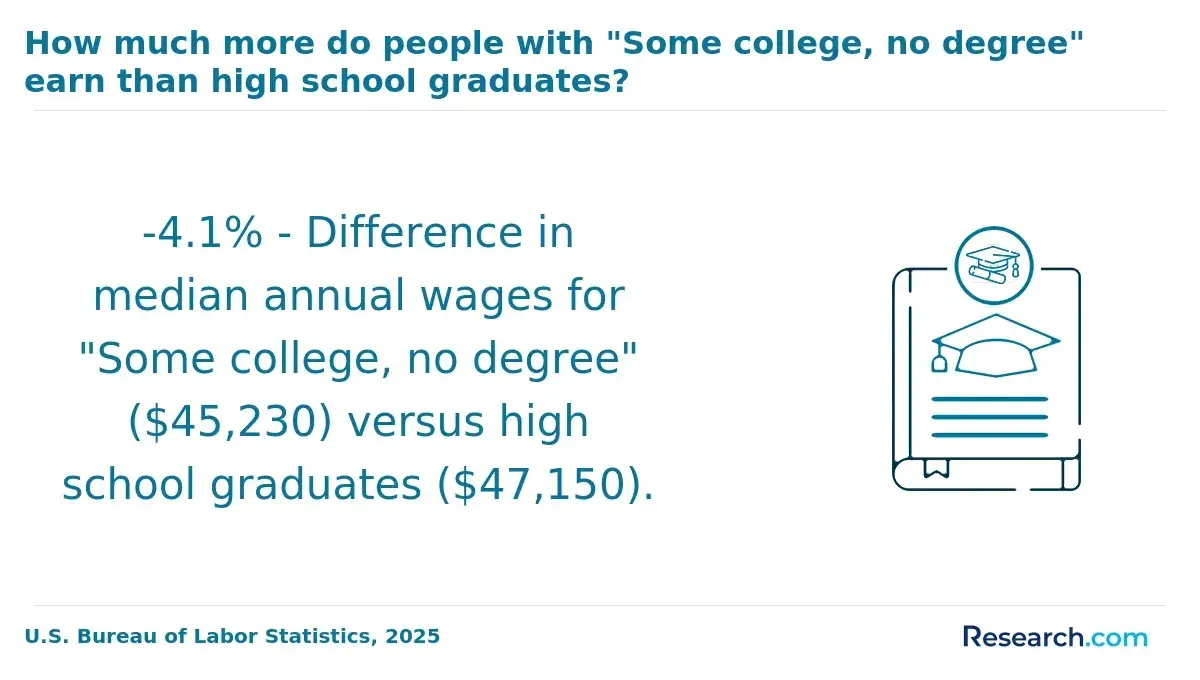
What criminal justice specializations best support mobility between law enforcement, courts, and corrections?
Specializations in forensic science, criminal psychology, and legal studies shape distinct pathways for professionals targeting roles that bridge courts, law enforcement, and corrections. These focused areas are not interchangeable but offer targeted skillsets that enhance mobility by addressing specific operational demands. For example, forensic science expertise is a practical advantage for detectives evolving into court liaison positions, where evidence interpretation and expert testimony are critical. The BLS reports a mean annual salary of $98,770 for detectives and criminal investigators, a figure influenced by advanced specialization and graduate credentials aligned with multi-sector mobility.
The best criminal justice career paths bridging courts, law enforcement and corrections require nuanced understanding of procedural frameworks, offender behavior, and forensic methodologies. Criminal psychology specializations facilitate transitions to roles assessing offender profiles, critical in corrections treatment and court evaluations. Legal studies provide procedural knowledge essential for navigating prosecution, defense, and law enforcement compliance units.
Practical skill acquisition-such as evidence chain management, offender risk assessment, and judicial procedure compliance-is a pivotal employment differentiator. Candidates must carefully evaluate program curricula for applied methods versus purely theoretical content, prioritizing credentials integrating court accreditation or correctional administration certifications. This attention to actionable proficiency mitigates cross-sector friction common in workforce transitions.
Prospective students interested in advancing with flexible, sector-spanning expertise might consider programs such as a masters in forensic psychology online that emphasize applied competencies aligned with hiring expectations in law enforcement and corrections mobility.
How do online and campus-based criminal justice programs compare for career advancement?
Choosing between online and campus-based criminal justice programs significantly affects a student's professional trajectory due to differences in flexibility, practical experience, and employer perception. Online criminal justice degree benefits for career growth hinge largely on affordability and work-study balance; annual costs typically range from $9,000 to $30,000 at the bachelor's level. This pathway suits working professionals who need uninterrupted employment but demands careful scrutiny of the program's opportunities for skill application, as online formats often lack immersive practicum experiences.
In contrast, campus-based criminal justice programs impact on professional advancement by providing direct access to experiential learning and established local agency networks. For example, candidates seeking roles requiring operational readiness, such as criminal investigation or probation services, benefit from in-person scenario-based training valued by municipal and federal employers. Field-intensive positions often consider such hands-on exposure non-negotiable for hiring.
Students targeting administrative or analytical roles might find online degrees sufficient if paired with concurrent workplace responsibilities. Hybrid models combining online coursework with fieldwork can offer broader sector mobility, but regional employer expectations and cost factors must guide choices.
Those evaluating pathways for a strategic career pivot should consider programs with strong practicum components or local partnerships. For working veterans exploring technical fields, alternative options like an electrical engineering degree online for veterans may also provide aligned workforce outcomes.
What accreditation should a criminal justice program have to protect licensure and career options?
Regional accreditation recognized by the U.S. Department of Education or the Council for Higher Education Accreditation is essential to secure licensure and career mobility within criminal justice fields. Without this foundation, degrees face limited recognition by licensing bodies and hiring agencies, especially in federal and state law enforcement roles.
Specialized accreditations, such as those from the Academy of Criminal Justice Sciences (ACJS) or the Commission on Accreditation for Law Enforcement Agencies (CALEA), often determine eligibility for stricter certification requirements. For example, police departments in states with rigorous training standards routinely require ACJS-accredited degrees for academy entry or promotion, making program selection a practical gatekeeper to advancing within these agencies.
Employers typically dismiss candidates holding credentials from nonaccredited or nationally accredited schools, citing concerns over academic rigor and licensing conformity. A degree lacking proper accreditation can hinder advancement in positions demanding state-issued licenses or federal clearances-such as probation officers, FBI agents, or corrections officials.
Given a modest 4% job growth forecast for police and detectives by the Bureau of Labor Statistics from 2024 to 2034, competition remains steady. Choosing a program without appropriate accreditation presents concrete risks, including disqualification from critical licensure exams and restricted access to broad hiring pools.
Prospective students are advised to:
- Verify both institutional and program-level accreditations before enrollment
- Assess state licensure reciprocity relative to their career objectives
- Consider specialized endorsements that align with agency-specific credential requirements
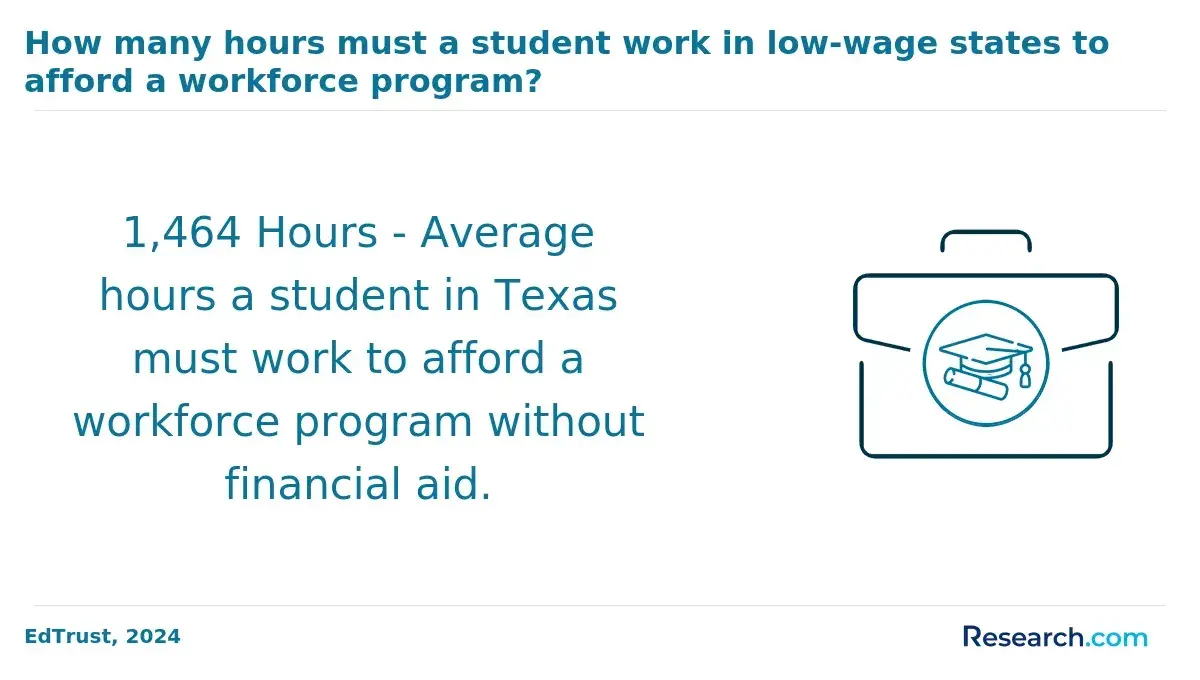
What core courses and skills in criminal justice programs matter most for broad job eligibility?
Criminal justice programs that prioritize foundational legal knowledge alongside applied skills significantly enhance job market flexibility and long-term earnings potential. Core coursework in criminal law, ethics, investigative procedures, and criminology establishes a versatile base applicable to policing, corrections, and regulatory roles. However, program value depends heavily on integrating practical training in report writing, crime data analysis, and conflict resolution, which align with employer expectations for clear communication and evidence-based decisions.
Proficiency with technology-such as computer-aided dispatch and records management systems-remains a differentiator in hiring, enabling graduates to qualify for federal agencies or private security beyond local law enforcement. Behavioral analysis training also facilitates transitions to social services and probation work, illustrating the crucial role of skill transferability in career mobility.
The labor market reveals tangible income disparities: police officers earn a median annual wage of $77,270, compared to $57,950 for correctional officers, suggesting that pursuing law enforcement pathways can lead to higher pay but often requires scenario-based simulations and leadership instruction for supervisory advancement.
Conversely, graduates without ethics or applied law competencies often face constrained options, limited to entry-level correctional positions. Students must therefore seek programs offering legal frameworks combined with practical exercises and emergent technology training to align effectively with diverse criminal justice sector demands.
How long do criminal justice degrees take, and what total costs should students expect?
Opting for an associate degree in criminal justice offers a notably shorter and more affordable route into corrections and entry-level law enforcement roles, typically completed within two years of full-time study. However, this pathway may constrain long-term advancement without further education or certifications. In comparison, a bachelor's degree usually requires four years, with upfront costs ranging from $40,000 to $60,000 at public institutions for in-state students, and significantly higher at private colleges. The investment tends to open opportunities for supervisory positions or federal agency roles, which generally require broader academic preparation and practical experience.
Time and financial cost must be weighed alongside workforce realities. Correctional officers report median wages near $57,950 annually, setting a practical benchmark for evaluating tuition investments. Accelerated associate programs reduce time to employment but may necessitate later returns to school to enhance upward mobility.
Prospective students should also factor in the need for workplace experience, such as internships or specialized certifications, which employers increasingly demand. These add both financial and temporal costs but are critical to avoiding stagnant employment prospects.
Key considerations include:
- Balancing program credits and transfer policies to avoid unnecessary delays.
- Exploring financial aid options to manage potential debt.
- Aligning educational choices with targeted job roles and their corresponding experience expectations.
What entry-level and mid-career jobs can criminal justice graduates pursue across the justice system?
Criminal justice graduates often face a strategic choice between entry-level roles that emphasize supervision and rehabilitation versus purely custodial duties. Positions such as probation officers and correctional treatment specialists, with a median salary of $64,520 as reported by the U.S. Bureau of Labor Statistics, typically offer better pay and broader career mobility compared to correctional officer roles. Selecting these roles requires early investment in certifications like CPR, crisis intervention, or evidence handling, which enhance employability and fit sector-specific hiring criteria.
Success in this field also depends heavily on geographic flexibility due to jurisdictional funding differences affecting job availability in probation and parole programs. Graduates must gauge regional labor market trends and recognize that budget constraints influence entry point opportunities.
Key competencies diverge markedly: probation officers operate within multidisciplinary teams demanding conflict resolution and comprehensive reporting skills, unlike the more tactically focused correctional officer positions. For those aiming to shift mid-career into forensic analysis, victim advocacy, or policy advising, accumulating diverse administrative and field experience is essential.
What salary ranges and promotion opportunities are typical for versatile criminal justice careers?
Salary outcomes in criminal justice careers hinge on the interplay between education, role specificity, and experience, producing notable tradeoffs for aspiring professionals. Entry-level investigative positions such as private investigators typically earn around $47,628 nationally, which can attract those switching fields without extensive credentials but remains below many starting salaries in law enforcement agencies. Public sector roles like police or correctional officers start between $40,000 and $55,000, with advancement to detective or supervisory ranks capable of pushing salaries above $70,000. These promotions usually require demonstrated field tenure and specific certification from state or federal training academies.
Promotion dynamics in criminal justice heavily depend on rank progression, leadership roles, and further educational qualifications. Holding a bachelor's or master's degree often opens doors to federal law enforcement or administrative tracks where salaries range from $60,000 to $90,000 or more. However, these pathways demand not only academic credentials but also rigorous background vetting and sustained high performance.
Real-world experience shows that pursuing investigative roles without higher degrees may limit upward mobility and income potential. In contrast, aiming for federal or management positions early necessitates prior educational investment and ongoing professional development. Candidates must critically assess whether their educational level aligns with target roles that have credentialed pathways to supervisory or specialized functions, balancing immediate earnings with long-term career flexibility.
How can students choose a reputable criminal justice school that maximizes long-term mobility?
Selecting a criminal justice program requires balancing time, cost, and practical outcomes to preserve future mobility. For instance, an Arizona Administration of Justice AAS mandates 61 credit hours with $6,893 in-state tuition, offering a transparent benchmark for affordability and commitment. Students should target programs accredited by regional agencies and aligned with national criminal justice curriculum standards to ensure relevance across law enforcement, corrections, and federal sectors.
Program flexibility significantly affects working professionals. Hybrid or part-time formats enable continuous employment while advancing credentials. Specializations such as cybercrime or forensic analysis directly correspond to labor market demands and often yield higher wages with geographic flexibility.
Employment outcomes must be scrutinized, focusing on graduate placement rates and the strength of career services. Data from sources like the Bureau of Labor Statistics can guide this evaluation. Moreover, candidates should verify state licensing reciprocity to avoid restrictions that limit job opportunities across jurisdictions.
Ultimately, prospective students must weigh educational expenses against realistic earnings trajectories. An evidence-based approach, comparing tuition benchmarks to entry-level wages and advancement potential documented in reputable reports, helps prevent costly overinvestment in narrowly focused degrees. This analysis, supported by actual workforce data, equips students to make decisions aligned with long-term viability and adaptability within the criminal justice field.
Other Things You Should Know About Criminal Justice
A criminal justice degree can enhance career advancement but its value depends on the job sector and the level of the degree. Bachelor's or higher degrees tend to open more supervisory or specialized roles, whereas associate degrees are often limited to entry-level positions. Employers in law enforcement and corrections increasingly favor candidates with relevant internships and practical experience over purely academic credentials, so combining degree studies with real-world exposure is crucial to maximize advancement opportunities.
Internships are essential for connecting theory to practice and improving job prospects after graduation. Programs with well-established partnerships in police departments, courts, or social services provide hands-on experience that employers value more than classroom learning alone. Prioritize programs offering internships or field placements aligned with your career focus to build a network and gain skills relevant to your desired justice-system pathway.
Employers favor candidates whose education matches the specific needs of the role, but overly narrow specialization can limit mobility across justice sectors. A degree blending core criminal justice knowledge with interdisciplinary skills-such as psychology, sociology, or data analysis-offers better flexibility for shifting between law enforcement, courts, and corrections. When choosing a program, weigh the value of targeted expertise against broad competency that aids long-term career adaptability.
A 2027 criminal justice degree that enhances broad justice-system mobility often includes interdisciplinary coursework, practical internship opportunities, and technology integration. These features equip students to adapt to diverse roles within the criminal justice system and respond effectively to evolving challenges.
References
- What Are the Entry Requirements for a Criminal Justice Program? | University of Bridgeport https://www.bridgeport.edu/news/entry-requirements-for-a-criminal-justice-program/
- What to Consider When Choosing a Master’s in Criminal Justice Degree Program? https://www.widener.edu/academics/graduate-studies/masters-criminal-justice-mcj-degree/what-to-consider-when-choosing-a-masters-in-criminal-justice-degree-program
- Jobs with a degree in Criminal Justice | Monroe University https://www.monroeu.edu/academics/undergraduate-programs/school-criminal-justice/what-can-you-do-criminal
- What Is Criminal Justice? Core Components, Majors, and Classroom-to-Career Skills https://www.ucumberlands.edu/blog/what-criminal-justice-core-components
- Return on Investment for a College Degree in Criminal Justice ROI or a College Degree in Criminal Justice https://www.criminaljusticeprograms.com/articles/return-on-investment-for-a-college-degree-in-criminal-justice/
- Is Criminal Justice a Good Major? https://www.warnerpacific.edu/blog/is-criminal-justice-a-good-major/
- Online Criminal Justice Degree & Career Information https://www.criminaljustice.com/online-degrees/
- Early careers at Justice | Work for us https://www.justice.qld.gov.au/about-us/work/earlycareers
- Earn An Online Criminal Justice Degree | OEDb.org https://www.oedb.org/rankings/online-criminal-justice-programs/
- What Can You Do With a Degree in Criminal Justice? | UMass Global https://www.umassglobal.edu/blog-news/what-can-you-do-with-a-criminal-justice-degree