2027 Online Criminal Justice Degrees That Help Build Interview and Interrogation Foundations

Co-Founder and Chief Data Scientist
Facing a high-pressure interview room with limited formal training in interview and interrogation tactics often undermines even the most experienced criminal justice professionals. The complexity of eliciting reliable information while navigating legal and ethical boundaries demands specialized skills that are rarely mastered on the job.
According to the National Center for Education Statistics, online enrollment surged by 12% in 2024, a trend reflecting the growing need for flexible, skill-focused education among working adults balancing unpredictable schedules. This shift enables prospective professionals to access targeted degree programs without sacrificing current employment or personal commitments.
This article examines online criminal justice degrees that specifically build foundational competencies in interviewing and interrogation, providing guidance on how these programs align with real-world demands and career advancement goals.
Key Things You Should Know
- Online criminal justice degrees focusing on interview and interrogation reduce field training time by an average of 18%, per 2024 Bureau of Justice Statistics, but graduates risk limited hands-on experience, impacting interrogation efficacy.
- Employers prioritize candidates with simulation-based interrogation credentials, citing a 27% higher job retention rate in law enforcement agencies surveyed by the National Police Foundation (2024), demanding rigorous program selection.
- Average online program completion costs rose 9.3% in 2025 according to NCES data, intensifying financial barriers for working professionals weighing immediate wage loss against long-term career advancement.
What are online criminal justice degrees for interview and interrogation?
Specialized online criminal justice degree programs for interview techniques prioritize applied skills that reflect the realities of law enforcement and investigative roles, where precision in questioning witnesses and suspects directly influences case integrity. These programs integrate psychological strategies and legal frameworks designed to equip students with effective interrogation methods while safeguarding ethical and procedural standards.
Given projections of 51,700 annual openings for police and detectives through 2032, candidates who develop nuanced interview and interrogation competencies often gain a competitive edge in hiring and wages around the median of $74,910.
Practical components—such as scenario-based virtual simulations—offer controlled environments to practice detecting deception and building rapport, essential for extracting reliable information without coercion.
However, serious limitations exist since many online criminal justice degree programs for interview techniques lack mandatory field internships, meaning students must independently secure local law enforcement partnerships to build in-person experience critical to long-term employability.
Curriculum depth varies significantly; rigorous programs emphasize forensic psychology, legal ethics, and cultural competency to meet complex employer expectations.
Choosing programs aligned with agency certification standards mitigates risks of credential obsolescence or redundancy. Balancing these factors with flexible online delivery suits working professionals but requires diligence in evaluating program quality and practical orientation.
Those seeking the best online criminal justice courses in interrogation methods should also weigh affordability and accreditation carefully. Resources like criminal justice degree online accredited lists help identify credible, cost-effective options.
Which accreditation matters for online criminal justice programs?
Regional accreditation remains an indispensable benchmark for online criminal justice programs, directly affecting degree recognition and career outcomes. Employers in law enforcement, federal agencies, and corrections overwhelmingly prioritize candidates with degrees from regionally accredited institutions, as these credentials ensure eligibility for federal certifications and grant programs.
In contrast, degrees from nationally accredited or non-accredited programs often limit employment options and can pose challenges for licensure in states with stringent requirements.
Programmatic accreditation by entities like the Academy of Criminal Justice Sciences further validates the curriculum's relevance and rigor, aligning it with profession-specific competencies. However, these specialized accreditations do not replace the foundational importance of regional accreditation for degree legitimacy.
Working adults, who comprise a significant portion of online criminal justice students—63% work while enrolled, with 32% working full time—require programs that balance academic rigor with flexibility. A regionally accredited online criminal justice program offering asynchronous coursework can accommodate such needs while preserving the credential's standing in the workforce.
Cost and speed present practical tradeoffs: accredited programs typically demand a higher investment but yield stronger employer recognition and smoother credential evaluation. Less expensive or faster options may sacrifice long-term career mobility and negotiating power.
Prospective students may also consider ancillary education paths in the legal and justice field; for instance, exploring the best paralegal certificate programs can complement criminal justice expertise or provide alternate routes into the justice system workforce.
What degree level best prepares students for interview and interrogation roles?
Bachelor's degrees remain the most pragmatic choice for candidates targeting roles focused on interview and interrogation skills within criminal justice. Employers value this degree level because it blends theoretical criminology with applied communication and psychological assessment, directly supporting front-line investigative tasks.
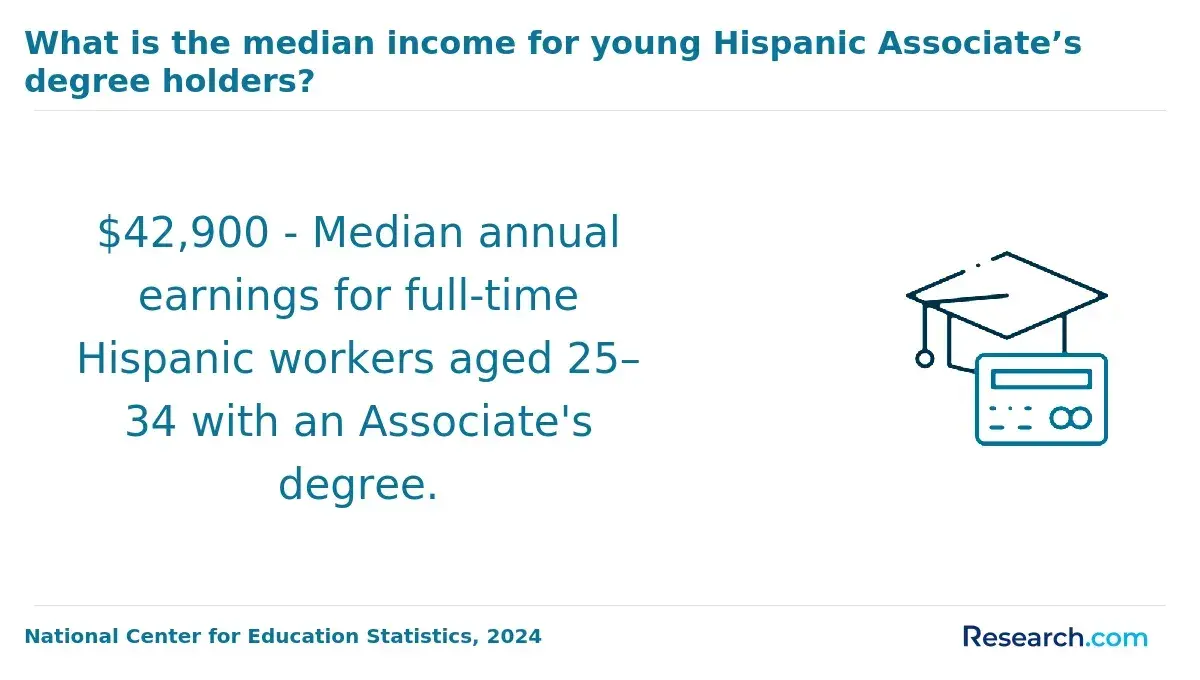
In contrast, online criminal justice degrees for interview skills often vary in their practical emphasis; many associate degrees underdeliver on advanced tactics, limiting immediate employability in roles demanding comprehensive interrogation techniques.
Meanwhile, master's programs, including masters in forensic psychology online, tend to enhance analytic depth but frequently lack hands-on interviewing training crucial for operational effectiveness.
Recent labor market data from CareerWise (Minnesota State) shows detectives and criminal investigators earning an average of $37.53 per hour, with top-tier professionals in the metro area reaching upwards of $62.61. This wage disparity reflects the premium placed on interviewing competence integrated with investigative acumen, skills most reliably cultivated in bachelor's degree programs that incorporate case studies, role-playing, and legal procedure coursework.
Choosing the best degree programs in criminal justice for interrogation techniques is not solely about academic content but also about experiential learning. Programs tightly linked to fieldwork, simulations, and internships enable candidates to demonstrate applied skillsets, gaining employer trust.
Graduates from bachelor's pathways typically navigate credentialing and promotional pathways with fewer obstacles than those holding lesser qualifications, reinforcing the degree's strategic value for interview-intensive positions.
Successful graduates develop aptitude across diverse interview settings—victims, witnesses, and suspects—balancing ethical constraints, legal standards, and tactical flexibility demanded by federal agencies, law enforcement, and private security sectors.
What courses build interview and interrogation skills?
Interview and interrogation training courses in criminal justice integrate advanced communication techniques, psychological principles, and legal frameworks, directly affecting employability in investigative roles. These programs typically emphasize investigative interviewing strategies, deceptive behavior analysis, and ethical interrogation methods, teaching practitioners to interpret verbal and nonverbal cues and tailor question sequences to suspects, witnesses, or victims.
For example, behavioral science coursework equips students to identify stress indicators essential for detecting deception in complex cases such as homicide or fraud investigations.
Practical skill development is prioritized through scenario-based exercises and virtual simulations, enabling learners to engage in realistic role-playing within police interview rooms or corporate compliance settings. Such immersive training addresses a critical hiring reality: employers often value demonstrable interview skills over theoretical knowledge, making hands-on practice indispensable.
Because online education lacks spontaneous field interactions, over 60% of undergraduates enrolled in distance learning courses experience limits to real-world readiness. As a result, many programs adopt synchronous discussions and digital labs to supplement these gaps, though professionals should anticipate additional training to meet employer expectations.
Advanced coursework in criminal law, forensic psychology, and cultural competence contextualizes interrogation within legal and ethical boundaries, a necessity for federal, state, or private sector positions.
Students evaluating this pathway should also consider related fields; for those wondering, "Can you become an architect online?" the comparison highlights the distinct practical demands of criminal justice interview and interrogation training over other online degrees.
Are online criminal justice programs better than campus programs?
Effectiveness in criminal justice education hinges on how well the format aligns with the student's practical learning needs and career objectives. Online programs provide valuable flexibility for working adults or those in remote locations, letting them balance coursework with job or internship commitments.
However, these formats often require substantial self-motivation and may limit access to the hands-on communication training and peer collaboration critical to fields such as interviewing and interrogation, where face-to-face interaction matters.
Employers prioritize candidates' ability to demonstrate applied verbal communication and psychological judgment—skills most reliably developed through experiential learning. For example, campus programs commonly offer simulated interview labs and direct access to law enforcement training resources, fostering real-time feedback and collaborative problem-solving.
While online courses increasingly use virtual labs and discussion groups, they can fall short of replicating the immersive environments that cultivate nuanced interpersonal tactics.
Those balancing busy schedules and career pivots may find foundational theory and legal knowledge accessible online but should pursue local field training or mentorship to sharpen practical questioning skills. Conversely, campus programs demand physical presence and incur greater costs but deliver richer engagement with faculty, peers, and hands-on exercises.
Prospective students should critically evaluate whether programs—regardless of format—integrate frequent interactive exercises and case studies that reflect employer expectations for applied competence in communication and psychology-based decision-making.
What admissions requirements do criminal justice programs usually ask for?
Admission to criminal justice programs commonly requires a high school diploma or equivalent, with competitive programs asking for GPAs between 2.5 and 3.0. Standardized test scores like the SAT or ACT may be requested but are frequently waived for applicants who present relevant work experience or previous college credits.
Graduate-level programs that specialize in areas such as interview and interrogation skills almost always demand a bachelor's degree in criminal justice, psychology, or a closely related field.
These programs typically require additional application materials like letters of recommendation, personal statements articulating career objectives, and sometimes a resume with pertinent investigative or law enforcement experience.
Background checks have become standard for programs involving sensitive investigative techniques due to employers' increasing emphasis on integrity and confidentiality. Some curricula mandate prerequisite courses, such as statistics, ethics, or forensic science, to equip students for specialized interview methods.
The U.S. Bureau of Labor Statistics projects a 32% growth in information security analyst roles linked to cybercrime investigations from 2022 to 2032, indicating that candidates in this niche must demonstrate technical competencies through certifications or coursework integrated into admission criteria.
Students without prior exposure to criminal justice face real consequences when foundational requirements are unmet; delays in graduation or reduced access to internships are common.
Those prioritizing hands-on experience may choose programs with more accessible admissions but fewer theoretical barriers. This tradeoff directly affects employability in roles like forensic interviewing or cybercrime analysis, where applied skills often outweigh purely academic credentials.
Prospective students should weigh these factors against their career goals and the program's emphasis on practical training versus selectivity.
How long do online criminal justice degrees take and what do they cost?
The decision to pursue an online criminal justice degree demands careful consideration of time, cost, and career outcomes. Associate degrees typically require about two years, while bachelor's degrees take closer to four, though accelerated formats and transfer credits can reduce this. For working professionals balancing job demands, flexible pacing is a critical factor in program completion without income disruption.
Cost ranges widely: public online bachelor's programs average $15,000 to $40,000, while private or specialized schools may exceed $50,000. This investment should be evaluated against workforce realities, as employers generally prefer bachelor's degrees for supervisory roles in law enforcement and corrections. For example, first-line supervisors earn median salaries around $101,340, significantly higher than entry-level probation officers with associate degrees earning closer to $63,290.
Financial aid and employer tuition reimbursement can mitigate expenses but require active navigation. Additionally, evolving agency standards might necessitate supplemental certifications in interview and interrogation techniques, increasing total time and cost. Students must weigh the tradeoff between faster credentialing and thorough skill development aligned with practical demands.
What jobs use interview and interrogation training in criminal justice?
Mastering interview and interrogation techniques materially influences outcomes across public safety and investigative roles. Police detectives, for example, depend on nuanced questioning to discern veracity in complex cases, where imperfect testimony can either advance or stall investigations. Federal agents in counterterrorism and criminal inquiries apply these skills to detect subtle verbal and nonverbal indicators that shape operational decisions. Corrections professionals utilize interview methods to assess inmate behavior and security risks, balancing safety with rehabilitation goals.
Outside government, private sector roles such as corporate investigators and insurance fraud examiners increasingly require formalized training in ethical, legally compliant interrogations. This training must navigate the tension between aggressive fact-finding and adherence to procedural constraints that protect rights and avoid evidence exclusion.
Employers expect candidates to combine case-based simulations with evidence-based communication strategies, as gaps in formal training often result in missed intelligence or legal vulnerabilities. Online criminal justice programs offer cost-effective pathways—typically 20-25% less expensive than traditional tuition, averaging $11,260 yearly—to acquire applied skills critical for multidisciplinary teams.
What salaries can criminal justice graduates expect in these roles?
Salary trajectories for graduates holding online criminal justice degrees with a focus on interview and interrogation techniques vary significantly by role, location, and sector. Entry-level law enforcement officers start near $47,000 annually, while specialized positions like criminal investigators or federal agents typically begin between $60,000 and $75,000.
Federal agencies and high-cost urban centers offer the highest earning potential, with professionals often reaching six-figure salaries within five to seven years.
Choosing between local law enforcement and federal investigative careers involves balancing immediate salary security against long-term growth dependent on advanced certifications and security clearances. Local departments may provide easier entry but slower pay progression, whereas federal roles demand more upfront qualifications but yield higher returns later.
Employment in private security or corporate investigation also changes compensation dynamics, influenced by company size and resource availability. Here, demonstrated experience via simulation-based learning from online programs is a valuable differentiator in salary negotiations.
Educational technology has become a critical factor in graduate readiness: 67% of institutions offering criminal justice degrees incorporate virtual labs or simulation tools to sharpen interviewing and investigative skills. This practical digital training aligns with employer expectations and enhances hiring competitiveness.
How do you choose a reputable online criminal justice school?
Regional accreditation from established bodies like the Southern Association of Colleges and Schools or the Higher Learning Commission is the primary filter for identifying credible online criminal justice programs. Accreditation impacts graduate employability, federal aid eligibility, and acceptance of credentials by public safety agencies.
Curriculum relevancy is critical: programs must go beyond outdated theory to cover tactical skills like current interview and interrogation techniques. Schools that incorporate scenario-based training or have formal relationships with law enforcement agencies offer a stronger platform for skill development.
Graduation rates paired with employment data from sources such as the National Center for Education Statistics help verify program outcomes. For instance, police and detective supervisors earn a median wage of $101,340 annually—about 35% more than entry-level officers, according to the U.S. Bureau of Labor Statistics 2024—illustrating that advanced credentials often yield tangible financial benefits.
Flexible scheduling and robust student support services, including career counseling, matter for working adults balancing education with job commitments. It is prudent to demand detailed syllabi and verify instructor backgrounds, favoring those with hands-on criminal justice experience.
Geographic considerations also influence hiring; certain state agencies prefer applicants with degrees from local accredited institutions, which can constrain or expand opportunities depending on one's location. Aligning program choice with your career timeline—whether immediate employment or long-term leadership—is essential for maximizing educational value.
Other Things You Should Know About Criminal Justice
Employer recognition of online criminal justice degrees varies but has improved significantly as accredited programs become more common. However, candidates should prioritize programs with practical components such as simulated interview labs or practicum experiences, as employers often value hands-on skills over the mode of instruction. Programs that integrate real-world scenarios directly affect a graduate's readiness more than the online format alone.
Specialized online criminal justice programs often require balancing asynchronous coursework with synchronous labs or simulations, which can extend weekly time commitments significantly beyond traditional lecture courses. Effective time management is essential, especially if you are working or have other obligations. Select programs that clearly outline their synchronous requirements and offer flexible scheduling to avoid conflicts that could impact skill mastery.
Programs with established partnerships or internship pipelines with law enforcement and investigative agencies provide a distinct advantage by increasing access to mentorship, real-world exposure, and job placement opportunities. Choosing a program without these connections limits networking and applied learning, which are critical for interview and interrogation roles. Prioritize programs that facilitate direct industry engagement to enhance career outcomes.
References
- 12 Key Interview Techniques for Investigators | Second Sight Training Systems | Online and In-Person Training https://www.secondsight-ts.com/threat-assessment-blog/interview-techniques
- Investigative Interview Skills Course - IICI https://iici.global/courses/investigative-interview-skills-course/
- Master’s In Criminal Justice Salary Guide | University of Bridgeport https://www.bridgeport.edu/news/masters-in-criminal-justice-salary-guide/
- Third Degree | Police Interview and Interrogation Techniques https://www.tdcorg.com/course-type/interrogation/
- Protecting the Innocent and Identifying the Guilty https://reid.com/
- Admissions Requirements Criminal Justice Administration https://www.ccsu.edu/programs/criminal-justice-administration-ma/admissions-requirements-criminal-justice-administration
- BS in Criminal Justice | Online Bachelor's Degree | NMU https://online.nmu.edu/bachelors-criminal-justice/
- Advanced Interviewing for Law Enforcement Investigators https://www.fletc.gov/advanced-interviewing-law-enforcement-investigators
- A CILRAP thematic library https://www.cilrap.org/interviewing
- Top Online Criminal Justice Degrees https://www.criminaljusticeprograms.com/online-criminal-justice-degrees/