2027 Online Criminal Justice Degrees for Students Who Want Campus Safety Leadership Roles

Co-Founder and Chief Data Scientist
Campus security professionals frequently confront rapidly evolving threats that demand both strategic oversight and real-time operational agility. The challenge lies in acquiring advanced leadership skills without interrupting existing career responsibilities or relocating for education. Recent data from the National Center for Education Statistics reveals that over 40% of adult learners prefer flexible online degrees to balance work and study, indicating a significant shift in access and timing for professional advancement.
This trend reshapes how criminal justice students approach degree completion, emphasizing programs designed for working adults seeking supervisory roles. This article examines current online criminal justice degree options tailored to campus safety leadership, helping students align education choices with career objectives and logistical constraints.
Key Things You Should Know
- Graduates with campus safety leadership degrees face a wage premium averaging 12%, but 35% require additional certifications post-degree, delaying workforce entry by 6-12 months per 2024 National Center for Education Statistics data.
- Employers prioritize candidates with practical crisis management training, present in only 48% of online programs, increasing risk of underprepared hires and impacting retention in campus security roles, according to a 2024 Bureau of Labor Statistics workforce report.
- Tuition inflation outpaces median salary growth by 4% annually for criminal justice degrees focused on campus safety, making cost-to-benefit ratios unfavorable for many working professionals considering midcareer shifts per 2024 College Board financial analyses.
What is an online criminal justice degree with a focus on campus safety leadership?
An online criminal justice degree with a campus safety leadership specialization demands a nuanced grasp of managing security within educational settings, balancing enforcement and community trust. Graduates must lead sworn campus police-present in 82% of public four-year institutions-while navigating policies on student conduct and coordinating with local agencies. This specialization equips professionals to address unique campus challenges, including crime prevention, emergency response, and legal compliance.
Practical training focuses on data-driven analysis of crime trends, use of surveillance technology, crisis intervention, and integrating mental health resources. Campus safety leadership careers in criminal justice studies emphasize decision-making under pressure and stakeholder management among faculty, students, administrators, and external emergency responders. Employers prioritize candidates who demonstrate applied risk mitigation and policy implementation over theoretical knowledge alone.
New leaders face real tradeoffs between reactionary law enforcement tactics and proactive community engagement strategies, with an ongoing need to align with evolving federal and local regulations. Those aiming to work in this field should consider programs that blend operational skills with strategic leadership development. For students evaluating pathways, reviewing the best online criminal justice degree programs can clarify options that accommodate working professionals without sacrificing current employment.
How do online criminal justice programs prepare students for campus safety leadership roles?
Online criminal justice leadership training for campus safety demands a balance between applied skills and legal knowledge tailored to unique educational settings. These programs emphasize risk assessment, crisis intervention, and emergency management essential to directing campus safety efforts. For instance, a campus safety leader trained through these curricula must coordinate multi-agency responses during incidents such as active shooter situations or campus protests, where rapid decision-making directly impacts outcomes.
Developing campus safety skills within criminal justice programs also involves mastering technology-driven surveillance and data analysis tools critical for threat identification. Equally important is understanding legal frameworks such as Title IX compliance and student privacy laws, which shape how policies are enforced while maintaining institutional transparency and trust.
Although hands-on experience is limited in many online formats, partnerships with local agencies and virtual simulations offset this gap, helping students fulfill practical requirements for leadership roles. The workforce expects candidates who combine operational leadership with policy fluency, a standard reflected in the 13.2% increase in criminal justice and safety studies degrees awarded over the past decade.
Prospective students seeking meaningful credentials amid barriers may find guidance on what is the best degree for a convicted felon a helpful resource when evaluating educational pathways.

What types of campus safety and security careers can this degree lead to?
Campus safety leadership careers in criminal justice demand a nuanced balance between operational command and strategic foresight, reflecting a range of security management roles for criminal justice graduates. For instance, emergency management directors coordinate campus-wide responses to crises such as active shooter events or health emergencies, interfacing with law enforcement, medical teams, and academic administrators.
This role requires advanced preparedness skills and has a projected employment growth of 5% from 2022 to 2032, with roughly 900 openings annually, indicating steady market absorption beyond average national trends. Day-to-day responsibilities for campus security supervisors revolve around maintaining continuous safety operations while ensuring compliance with regulatory standards, often requiring split-second decision-making.
Threat assessment analysts must interpret behavioral data to preemptively mitigate risks, integrating legal and ethical considerations inherent to the criminal justice curriculum. These specialized roles highlight the practical complexities graduates face when translating academic training into the security management roles for criminal justice graduates. Students should recognize that campus safety leadership careers in criminal justice typically necessitate relevant field experience or certifications to complement their degree.
Emphasis on crisis communication, multi-agency coordination, and legal compliance is essential, as is tailoring one's educational focus to match targeted roles-whether tactical operations or policy formulation. For those exploring forensic pathways within criminal justice, investigating an online forensic science degree can provide a divergent specialization compared to campus safety leadership roles.
How do online criminal justice degrees compare to on-campus programs for campus safety roles?
Choosing between online criminal justice degrees vs on-campus programs for campus safety hinges on balancing practical immersion with flexibility. On-campus programs provide direct access to faculty mentorship, hands-on emergency response training, and established connections with local law enforcement-all invaluable for cultivating operational proficiency required in leadership roles. Conversely, online criminal justice programs in campus safety leadership primarily offer flexibility for working professionals, relying on virtual simulations and case studies that support strategic decision-making but often lack real-time, practical engagement.
Employers prioritizing campus security leadership increasingly accept accredited online degrees but maintain a strong preference for candidates with demonstrable field experience. This reality compels online students to actively seek internships or field assignments to bridge the gap between theory and practice.
Financially, advanced degrees offer clear returns: in 2024, those with master's degrees in this field earned a median weekly wage 17% higher than bachelor's holders, underscoring tangible benefits of graduate-level education reported by the U.S. Bureau of Labor Statistics via Southern New Hampshire University.
Students weighing these options must consider relocation costs, work demands, and personal discipline requirements, as the immersive environment of on-campus study fosters peer collaboration and immediate feedback more naturally. For those assessing related pathways, exploring architecture degree online options offers a perspective on intensive, skill-focused online education delivery models that align with professional timetables.
What accreditation should students look for in online criminal justice programs?
Accreditation directly influences the practical value of online criminal justice degrees, especially when aiming for campus safety roles. Graduates with regional accreditation from bodies like the Higher Learning Commission (HLC), Southern Association of Colleges and Schools Commission on Colleges (SACSCOC), or Middle States Commission on Higher Education (MSCHE) are more readily accepted by employers and graduate programs. This ensures academic rigor aligned with professional expectations.
Programmatic accreditation by the Academy of Criminal Justice Sciences (ACJS) adds a layer of field-specific credibility, confirming a curriculum designed around applied skills, ethics, and research relevant to campus law enforcement and safety leadership. Without these accreditations, graduates may face barriers in certification eligibility and transfer of credits, especially if switching from non-criminal justice backgrounds.
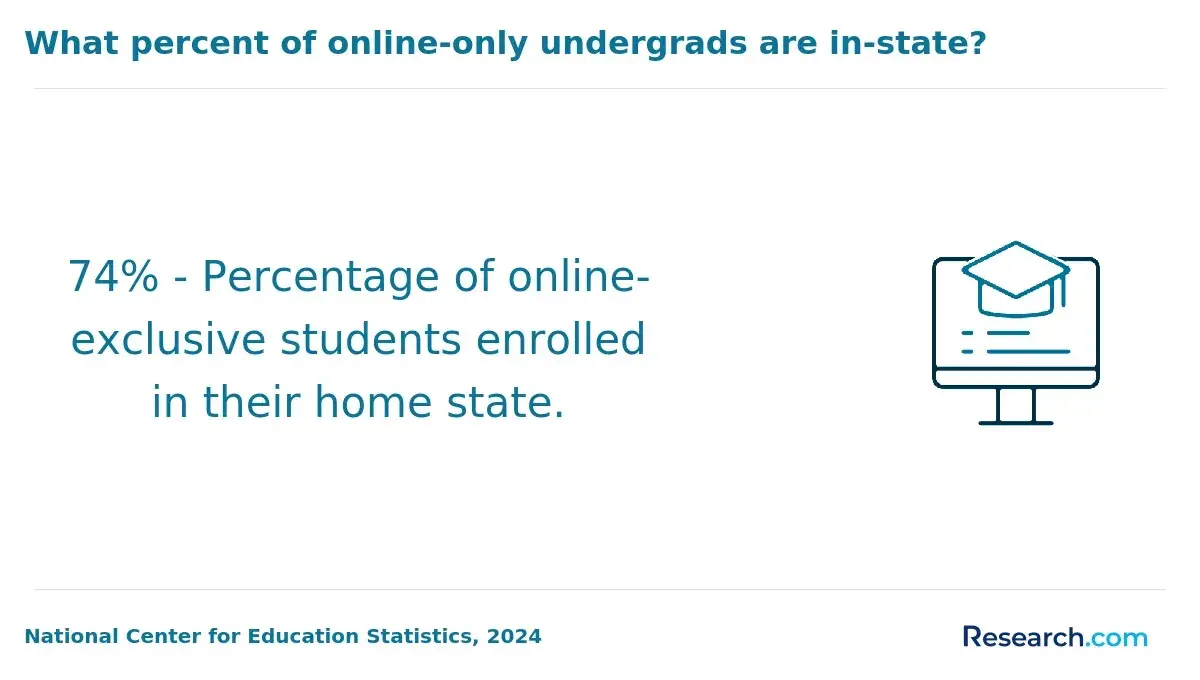
State authorization for online delivery is equally critical. For instance, a student living in New York enrolling in an out-of-state online program lacking New York authorization might struggle to use credits toward state-required certifications or promotions within local law enforcement agencies.
Financially, accredited online programs typically cost significantly less than out-of-state traditional campus degrees-sometimes over $30,000 less, according to Education Data Initiative cited by Rowan University-lowering debt burdens while maintaining recognized quality.
- Employers in campus safety prioritize graduates from accredited programs to meet legal standards and operational competency.
- Non-accredited degrees frequently result in limited career mobility due to background check limitations and restricted certification options.
- Accredited programs ease credit transfer for career pivots and accelerate degree completion compared to non-accredited alternatives.
What courses and specializations support a campus safety leadership career path?
Effective campus safety leadership hinges on interdisciplinary coursework that combines behavioral sciences, legal frameworks, and operational tactics. Practical skills such as threat assessment empower leaders to identify and mitigate risks before escalation-an imperative in dynamic, diverse campus environments. The integration of emergency preparedness and homeland security specializations builds a foundation tailored to managing broad risk scenarios, yet a tradeoff exists between generalized leadership development and hyper-specialized technical expertise, such as cybercrime analysis.
Advanced coursework in data analysis supports managing digital vulnerabilities, an increasingly critical dimension as campuses expand their technological infrastructure. Programs that weave community policing with leadership principles prepare professionals to engage effectively across enforcement teams and student bodies, balancing authority with collaboration.
Specialized study areas-like asset protection and investigative techniques-are essential for roles focused on regulatory compliance and loss prevention management. Employers consistently favor candidates demonstrating applied competencies in policy drafting and incident response, often verified through scenario-based training or internships simulating active-shooter drills and coordinated evacuations.
Consider the practical career implications: security management specialists and loss prevention managers face a steady 9% job growth rate, with salaries typically between $80,000 and $100,000, according to Rowan University's Bureau of Labor Statistics-based outlook. This data confirms that targeted, experiential learning paths directly correlate with employability and leadership effectiveness on campus.
What are typical admission requirements for online criminal justice degrees?
Entry into online criminal justice degree programs requires more than basic academic credentials; it demands evidence of readiness for specialized coursework and, often, relevant professional experience. Most bachelor's programs set a baseline of a high school diploma or GED, while associate degrees frequently require a GPA around 2.0 to 2.5 on a 4.0 scale. Applicants must submit official transcripts confirming their academic history, sometimes including coursework linked to social sciences or law enforcement. Standardized test requirements vary, with many programs waiving these for transfer or adult learners.
Leadership-oriented programs tend to emphasize verifiable public safety or law enforcement experience. Résumés, background checks, and letters of recommendation may be evaluated to assess candidates' practical competence and character. This reflects employer priorities-while 61% of criminal justice workers hold at least an associate degree and 34.5% a bachelor's degree, those lacking formal credentials often encounter barriers to progression and may need prerequisite coursework first.
Prospective students should weigh tradeoffs such as balancing part-time or asynchronous study options against workplace demands and admission criteria, which vary widely by institution. Conditional acceptance or additional documentation requirements are common, underscoring the importance of researching policies tailored to working professionals.
How long do online criminal justice programs take and what do they cost?
Completion timelines for online criminal justice degrees hinge on credential type and pacing, producing tangible tradeoffs. Associate degrees typically require about two years, while bachelor's degrees generally demand four years of full-time study. Accelerated programs and transfer credits can reduce this to three years or less, but part-time enrollment-common among working professionals in public safety leadership-often extends completion time, potentially delaying career moves or salary increases.
Financially, the spectrum is broad: public universities charge roughly $10,000-$25,000 annually for online bachelor's criminal justice programs, while private institution costs may surpass $30,000 per year. Total costs range from about $20,000 for associates degrees up to near $100,000 for a four-year bachelor's at private institutions. Additional expenses like textbooks, technology fees, and mandatory on-campus practicums for police academy integration may further inflate budgets, particularly affecting candidates seeking public safety certifications.
Employers prioritize a nuanced balance of academic rigor and practical capability. For example, early-career professionals aged 25 to 29 with a bachelor's in criminal justice earn median wages around $45,410, highlighting the necessity of strategic program selection to maximize return on investment without unmanageable financial or time burdens.
The choice between part-time and accelerated routes should consider individual work commitments and certification demands. Those targeting swift advancement benefit most from programs emphasizing competency-based credits and transfer flexibility. Conversely, professionals preparing for government roles with extended fieldwork or police academy requirements must budget for longer timelines and higher overall costs.
What are salary expectations and promotion opportunities in campus safety leadership?
Campus safety leadership salaries fluctuate significantly based on institutional scale, region, and scope of responsibility, generally ranging from $55,000 for entry-level assistant directors to $90,000 or more for senior roles in large urban universities. Unlike typical law enforcement rankings, career progressions here rely heavily on demonstrated management capabilities, strategic program development, and advanced credentials rather than mere tenure. For instance, transitioning from a community college position to a large research university may initially slow salary growth but offers expanded opportunities tied to larger budgets and complex safety challenges.
Job stability remains strong due to a low unemployment rate of 1.8% in criminal justice and fire protection fields, indicating consistent demand for professionals adept at emergency response, risk management, and policy enforcement. Yet, advancement often hinges on mastering certifications in emergency management, legal compliance, and data-driven safety assessments-areas where candidates without targeted experience risk stagnation despite academic qualifications.
Employers prioritize adaptability to evolving campus risks and communication with diverse stakeholders. Those neglecting to develop crisis management expertise or failing to align with institutional priorities may see slowed promotion trajectories. Effective strategic pivots typically involve focused professional development that balances operational realities with measurable outcomes in campus safety leadership.
How is the job outlook for campus safety leadership and campus security management?
Growth in campus safety leadership roles outpaces many traditional security fields due to nuanced demands for integrating risk mitigation, regulatory compliance, and mental health coordination within diverse campus ecosystems. Positions in this niche require more than routine enforcement skills; candidates must demonstrate proficiency in policy development, cross-sector collaboration, and data-informed security management.
For instance, a campus security director often liaises with local law enforcement, counseling services, and student affairs to tailor emergency preparedness plans responsive to specific institutional risks. This sector values advanced education blending criminal justice foundations with management principles, especially programs that emphasize digital surveillance, regulatory frameworks, and conflict de-escalation.
Job seekers should weigh whether a curriculum prepares them for rapidly evolving threat dynamics and continuous professional development needs-a critical contrast with more static, private-sector security roles. Campus environments demand balancing openness with protection, complicating straightforward security approaches.
Employment projections estimate a 7.6% growth in criminal justice and corrections between 2016 and 2026, signaling sustained demand for managerial roles attuned to campus complexities and federal compliance. Practical tradeoffs include increased candidate expectations for hybrid leadership skills and adaptability to multifaceted campus populations.
Other Things You Should Know About Criminal Justice
In 2027, online criminal justice degrees are increasingly recognized by employers in campus safety leadership roles. Many institutions value the flexibility and technological proficiency that online graduates bring, as long as the program is accredited. However, networking and hands-on experience remain important factors alongside the degree in hiring decisions.
Previous experience in law enforcement or security significantly enhances comprehension and application of campus safety concepts in academic programs. Students without this background should expect a steeper learning curve and may need additional practical engagements outside coursework to build operational skills. If career advancement is the goal, candidates without experience should prioritize programs offering strong practicum or mentorship components to bridge knowledge gaps and meet employer expectations.
Specializing early in campus safety limits exposure to broader criminal justice topics but offers targeted skills that match specific leadership roles in educational institutions. A broader criminal justice degree provides more flexibility for career pivots but may require additional certifications or training to qualify for campus safety leadership posts. For those certain about focusing on campus environments, a specialized program reduces time spent on less relevant material and increases immediate employability in those roles. For others seeking versatility, a more general degree with opportunities for electives or certifications in campus safety is advisable.
Online criminal justice programs demand high self-discipline as they often combine rigorous reading, research, and time-sensitive assignments without in-person accountability. Students who balance full-time jobs or shifts in security-related roles must manage complex schedules, which can delay completion or diminish learning depth. Prospective students should assess their capacity for self-motivation and time management, and choose programs offering flexible pacing and clear support systems to avoid burnout and ensure effective knowledge acquisition.
References
- Criminal Justice (BA) - Homeland Security Concentration https://www.uagrantham.edu/online-degrees/criminal-justice-homeland-security-concentration/
- Online Bachelor’s Degree in Criminal Justice https://www.monroeu.edu/academics/undergraduate-programs/school-criminal-justice/online-bachelors-degree-criminal-justice
- Campus Security Pros Shouldn’t Go It Alone https://www.campussafetymagazine.com/news/campus-security-pros-shouldnt-go-it-alone/169697/
- How to build a strategic campus security program https://www.securitasinc.com/news-insights/blog/how-to-build-a-strategic-campus-security-program/
- Most Affordable Online Criminal Justice Degrees https://www.affordablecollegesonline.org/degrees/criminal-justice-programs/
- What Does a Campus Safety Director Do? | CCU Online https://www.ccu.edu/blogs/cags/category/public-service/what-does-a-campus-safety-director-do/
- Campus Safety https://consortium.org/programs-and-initiatives/campus-safety/
- Online Bachelor's Degree Criminal Justice https://www.umgc.edu/online-degrees/bachelors/criminal-justice
- Top Online Criminal Justice Degree https://www.onlinecolleges.net/rankings/best-online-bachelors-criminal-justice-degree-programs/
- Online Criminal Justice Degrees (Types, Benefits & FAQ) https://www.allcriminaljusticeschools.com/criminal-justice/criminal-justice-online-degree/