2027 Best Online Bachelor's in Criminal Justice for Crime Analysis Careers

Co-Founder and Chief Data Scientist
Facing a surge in violent crime rates and increasingly complex data sources, crime analysts must rapidly synthesize large datasets to predict trends and allocate resources effectively. However, many aspiring analysts juggle work, family, and education without access to flexible programs that align with these demands.
Recent government education statistics reveal a 14% rise in online bachelor's enrollment among adult learners since 2023, signaling a critical shift toward accessible, career-oriented degree pathways. This article evaluates the best online bachelor's in criminal justice tailored to crime analysis careers, focusing on flexibility, curriculum relevance, and real-world applicability to streamline informed program choices.
Key Things You Should Know
- Graduates with online bachelor's in criminal justice focused on crime analysis face a 7% job growth through 2032, per BLS, but programs lacking advanced data analytics modules risk skill mismatches affecting employer hiring priorities.
- Agencies increasingly demand proficiency in GIS and predictive modeling; programs emphasizing traditional theory over technical tools yield graduates less competitive for intelligence and crime pattern analyst roles.
- Cost and time-to-completion vary widely; accelerated online degrees under 3 years reduce opportunity costs but may limit internship access, a proven factor raising employment placement rates by 15%, according to National Criminal Justice Training data.
What is an online bachelor's in criminal justice with a crime analysis focus?
Online bachelor's degree programs in criminal justice for crime analysis careers must be evaluated beyond their curriculum to consider workforce alignment and skill applicability. Graduates with a crime analysis specialization should expect to engage in complex data interpretation scenarios such as collaborating with patrol units to prioritize patrol routes or supporting federal investigations into organized crime. Employers in urban police departments and federal task forces prioritize proficiency with statistical tools, geographic information systems (GIS), and predictive analytics over general theoretical knowledge.
Students pursuing a bachelor's in criminal justice programs with a crime analysis specialization face critical tradeoffs. Programs that offer asynchronous coursework often lack sufficient hands-on training in analytic software, which can impede job readiness. Incorporating live simulations or internships significantly improves practical skills but requires balancing time commitments, potentially extending degree completion.
Financial considerations remain pivotal. Data from the U.S. Bureau of Labor Statistics shows detectives and criminal investigators earn a median annual wage of $93,960, with top performers exceeding $150,000, signaling strong returns for focused expertise. Prospective students should also research program costs carefully; how much does it cost to get a criminal justice degree varies widely and impacts long-term financial outcomes.
How do online criminal justice programs prepare graduates for crime analysis careers?
Online criminal justice degrees that focus on crime analysis cultivate specific competencies essential for immediate application in analyst roles. Graduates gain hands-on experience with crime mapping software, statistical analysis tools, and database management, reflecting the actual workload of law enforcement analysts. Programs emphasize practical skills such as integrating diverse data sources and producing actionable intelligence to inform resource deployment and operational planning.
This career preparation through online criminal justice crime analysis programs builds critical thinking anchored in legal standards to ensure insights withstand evidentiary scrutiny. Scenario-based exercises simulate complex investigations, honing decision-making within real-world constraints like data accuracy and privacy regulations.
Curricula also address evolving crime domains including cybercrime and forensic technology, broadening adaptability across specialized roles. For instance, predictive analytics learned through online studies might guide a metropolitan police department in reallocating officers efficiently during high-risk events, directly influencing crime reduction outcomes.
The U.S. Bureau of Labor Statistics forecasts 3% growth for police and detectives through 2032, translating into approximately 64,500 openings annually from retirements and turnover. Students seeking flexibility and scalability often pursue these programs remotely, but must prioritize offerings that integrate current software training and internships to meet employer expectations for immediate proficiency. Those exploring forensic career paths can find relevant guidance.
Which accredited online schools offer the best criminal justice degrees for crime analysts?
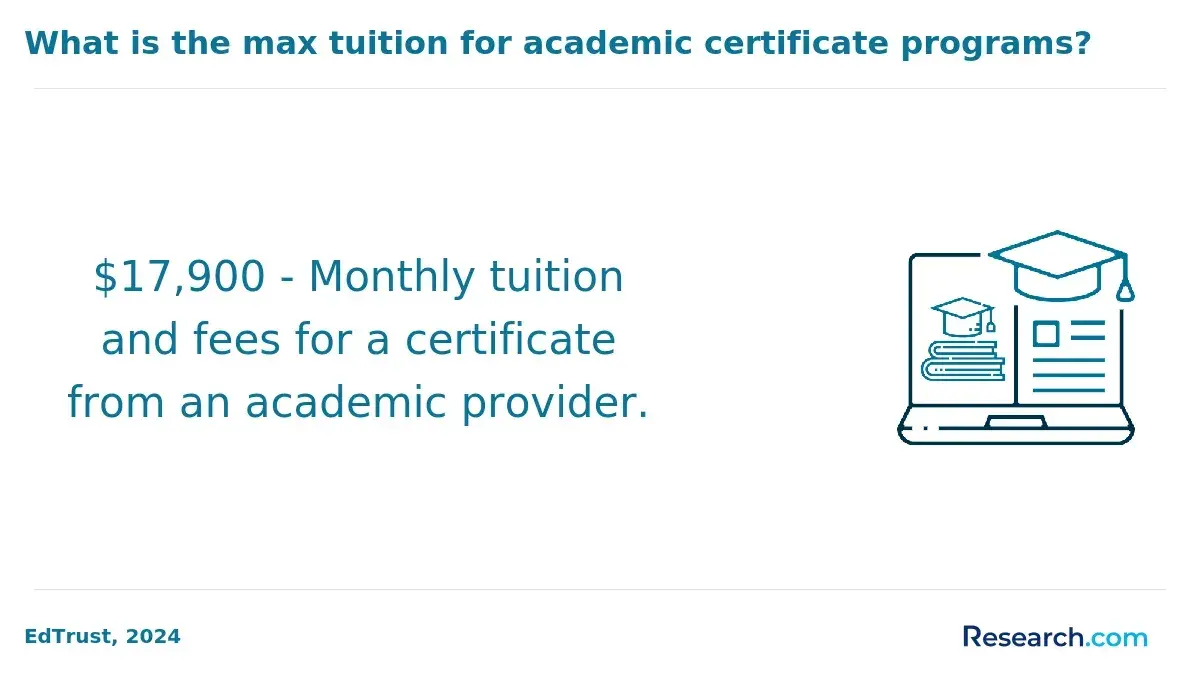
Cost and curricular specificity sharply influence the value proposition of online criminal justice degrees tailored for crime analysis careers. East Carolina University (ECU), a standout among top accredited online criminal justice programs for crime analysis, sets a clear financial and practical benchmark. Its tuition pricing-$410 per credit for in-state students, $491 for out-of-state, and a significantly reduced $250 rate for active-duty military-illustrates the financial considerations that shape access. Military discounts, often absent from similar programs, can be decisive for veterans seeking cost-efficient entry.
Employers demand candidates with strong competencies in data analysis, geographic information systems (GIS), and digital forensics, privileging graduates who have engaged with real-world crime data and agency collaborations. This operational focus means that a policy analyst pivoting into crime analysis, for instance, must prioritize programs offering advanced statistics and predictive analytics rather than generic criminal justice curricula. Public institutions with in-state tuition advantages generally provide a better return than pricier private programs with comparable offerings.
Programs lacking competitive pricing or specialized technical skills training risk slowing career progression within government or law enforcement agencies where budgets are scrutinized and analytical precision is paramount. Choosing from the best online criminal justice degrees for crime analyst careers requires balancing tuition against career services and technical coursework availability to maximize practical impact.
Prospective students navigating this landscape may also consider broader educational options such as an online degree in Spanish to complement criminal justice credentials and diversify skill sets in multilingual agency environments.
What admissions requirements do online criminal justice programs with crime analysis concentrations have?
Admission to online bachelor's in criminal justice programs with a crime analysis concentration typically balances open access with the need to ensure candidates possess essential academic readiness and professional suitability. Most entrants require at least a high school diploma or GED, though some programs include prerequisites such as college coursework or standardized test scores, with many shifting toward test-optional policies. Applicants must demonstrate a minimum cumulative GPA around 2.5 to 3.0, indicating capacity for the analytical and methodical demands inherent in crime analysis roles.
Key admission elements often extend beyond transcripts, including personal essays articulating clear crime analysis career goals and sometimes professional recommendations, interviews, or writing samples for less traditional applicants. Candidates with criminal records face added scrutiny because background suitability affects both academic and practical access-especially when internships demand federal database clearance.
Prerequisites for enrolling in online criminal justice programs with crime analysis focus thus reflect a strategic filter aligned to workforce outcomes. Graduates typically enter roles like probation officers or correctional treatment specialists, earning median wages near $60,970, with federal positions exceeding $80,000 annually. Such data underscores the importance of admissions rigor that balances accessibility with the realities of securing roles requiring trustworthiness and analytical precision.
For professionals considering specialization or pivoting careers, understanding these admission nuances is essential. Candidates with military backgrounds might explore related pathways such as online cybersecurity degrees for veterans, which share comparable prerequisites and emphasize security clearance and technical aptitude.
How does online learning for criminal justice compare to on-campus programs for crime analysis?
Choosing between online and on-campus criminal justice programs demands assessing critical tradeoffs centered on accessibility, cost, and hands-on experience. Fully online formats, such as the University of Maryland Global Campus's bachelor's degree, eliminate geographic constraints and support year-round enrollment, which benefits working adults balancing employment and study. A significant financial advantage lies in the reduced need for costly textbooks-as many online programs provide free digital materials, unlike traditional programs where textbook expenses can exceed $1,000 annually.
Accredited online curricula typically cover the technical skills required for crime analysis careers, including statistics, GIS, and criminal behavior theory. However, on-campus programs generally offer stronger access to hands-on labs, direct faculty interaction, and in-person professional networking-advantages that may accelerate skill acquisition and job-market connections.
Employers increasingly recognize online degrees from reputable institutions, especially when candidates supplement education with internships or certifications. Yet, online students must demonstrate strong self-direction and time management, making this path more suitable for career changers or nontraditional students. Conversely, recent high school graduates may find immersive campus environments better suited for immediate peer engagement and structured support.
To mitigate limitations in face-to-face interaction, online students should actively seek local internships or professional groups. This approach helps bridge practical experience gaps and boosts employability in fields reliant on both analytical knowledge and field-specific networking.
What courses and specializations are included in crime analysis-oriented criminal justice majors?
Programs targeting crime analysis within criminal justice must balance broad theoretical foundation with specialized technical skillsets demanded by employers. Reality for crime analysts involves navigating between qualitative insights and quantitative tools to impact operational decisions in real time. For example, municipal analysts combating gang activity require expertise in social network analysis and ethnographic research, while those in counterterrorism focus heavily on digital forensics and intelligence synthesis.
Institutions like Purdue Global's ExcelTrack® bachelor's program break coursework into discrete competencies, reflecting market preference for modular mastery over generic degree claims. Critical skills employers seek include proficiency with ArcGIS, SPSS, and Python rather than abstract criminology knowledge. Core criminal justice topics-crime theory, research methods, criminal law, forensic science-integrate with advanced classes in intelligence analysis and cybercrime to create usable skill profiles.
Tradeoffs emerge between programs emphasizing expansive criminal justice contexts and those building measurable analytic capabilities through capstones simulating real investigations. This distinction affects employability and career trajectory. Students should prioritize programs that demonstrate incremental skill gains tied to workforce tools and scenarios rather than broad subject exposure.
Practical considerations for prospective students:
- Evaluate the balance between theoretical breadth and analytic depth.
- Verify opportunities for hands-on experience in predictive policing algorithms and crime mapping.
- Check for capstone projects that mimic real-world casework to enhance job readiness.
- Confirm program alignment with employer demand for software and data proficiency.
How long do online criminal justice degrees take and what do they typically cost?
Online bachelor's degrees in criminal justice present a critical balance between time, cost, and workforce readiness, directly impacting career trajectories. Traditional programs requiring 120 to 125 credits typically span four to five years, which may delay entry into mid-level roles such as crime analysts or investigators. Accelerated formats can reduce completion to about three years but impose intensive course loads that challenge working adults managing jobs and personal responsibilities.
Cost structures vary significantly. Kennesaw State University charges $190 per credit, totaling approximately $22,800 for the degree, notably below the 2020 national average annual tuition of $9,910 for online criminal justice programs. This disparity often aligns with state funding levels, program reputation, and availability of financial aid, affecting overall return on investment.
Students weighing options should consider these operational tradeoffs:
- Extended duration programs spread out financial burdens but delay workforce reentry and income potential.
- Accelerated programs demand higher weekly time investments, risking burnout but providing faster credential attainment.
- Private or out-of-state options may expedite graduation at a premium cost.
Employers increasingly prioritize demonstrated competencies and practical experience. Program selection should emphasize clear credit transfer policies and modular course structures that accommodate flexible pacing while aligning with internship opportunities and labor market entry timing.
What entry-level and advanced job roles can a crime analysis degree support?
A bachelor's degree in criminal justice with a focus on crime analysis prepares graduates for roles that center on transforming data into actionable public safety strategies. Entry-level positions such as crime analyst or juvenile probation officer demand technical skills in geographic information systems (GIS) and statistical software to detect crime patterns and optimize patrol routes. These roles typically operate within local agencies, requiring strong data interpretation abilities to inform resource allocation.
Advancing into federal or supervisory positions-examples include intelligence analyst at the FBI or probation officer specializing in cybercrime-involves heightened responsibilities, often accompanied by stringent security clearances and the need for extensive experience. Candidates must navigate complex hiring processes and potential relocation challenges. Employers expect continual skill enhancement beyond formal education, emphasizing multidisciplinary analytical techniques integrated with live data streams.
Tradeoffs exist between early-career accessibility and long-term specialization: while entry-level roles offer more immediate employment, federal or specialized positions demand additional certifications and deeper expertise. Professionals aiming to specialize in areas like predictive policing or gang enforcement analysis must align their academic and practical training accordingly.
Understanding these career trajectories helps prospective students and professionals tailor their educational choices toward practical workforce requirements and realistic advancement pathways within crime analysis.
What salary ranges and job outlook can crime analysts expect in the United States?
Salary prospects for crime analysts in the U.S. vary significantly depending on jurisdiction, experience, and employer type. Entry-level positions in city or county agencies often start near $50,000, while mid-career roles typically range between $65,000 and $75,000. Federal agencies and large metropolitan departments may offer salaries up to $85,000 or higher, particularly for analysts with specialized skills or supervisory duties.
The rising demand for data-driven policing supports an 11% growth projection in crime analyst employment through 2032, outpacing average occupational growth. However, meeting employer expectations increasingly requires candidates to hold a bachelor's degree from accredited criminal justice programs. Accreditation is critical, as only accredited online criminal justice bachelor's programs qualify students for Title IV federal financial aid. This restricts the viable education options for prospective students seeking affordable pathways.
Those targeting federal or specialized positions must balance investing in accredited education and possibly advanced certification against potential salary gains. Conversely, analysts in smaller jurisdictions may accept lower starting salaries but benefit from reduced living costs and less stringent credential requirements. These tradeoffs must guide educational and career decisions.
Are certifications or technical skills required to become a competitive crime analyst?
Technical certifications and software proficiency shape an analyst's employability more decisively than general theoretical knowledge in crime analysis. Employers focus on proven skills with tools like SQL, Python, and GIS mapping software, which directly contribute to generating actionable intelligence. For example, a municipal crime analyst might be expected to quickly sift through complex datasets to support timely investigations; this elevates certifications such as Certified Law Enforcement Analyst (CLEA) from federal or large agencies as substantial career assets rather than optional accolades.
Accelerated degree programs, which can reduce criminal justice degree completion from four years to two or three, offer practical advantages by allowing earlier entry into the workforce and quicker access to these crucial certifications. Yet, faster timelines pose their own challenges, often compressing the ability to gain deeper, applied experience simultaneously with certification preparation.
Continuous learning is non-negotiable in this field amid rapid advances in AI-driven crime detection and data mining. Candidates need training pathways that balance formal credentials with hands-on application of emerging technologies. Decisions on program pacing and integration of technical skills impact readiness for jurisdictions deploying sophisticated crime analytics and predictive modeling.
Other Things You Should Know About Criminal Justice
A bachelor's degree is often the minimum requirement for entry-level crime analyst roles, but employers prefer candidates who also possess relevant technical skills like GIS mapping, statistical software, and data visualization. Gaining hands-on experience through internships or agency projects significantly improves job prospects. Candidates without practical experience or additional certifications may face difficulty competing against applicants with stronger applied skill sets.
Specialized crime analysis concentrations provide targeted knowledge and technical skills, which align closely with employer expectations for analytical roles. However, broad criminal justice programs offer critical context about legal systems and law enforcement practices that support better interpretation of crime data. Prioritize programs with a balance of data-driven coursework and substantive criminal justice content to maximize analytical effectiveness and career flexibility.
Online criminal justice programs often limit direct networking with local agencies compared to campus-based options, which may reduce internship and job placement opportunities. Prospective students should proactively seek virtual internships, mentorships, or local crime analysis groups to offset this gap. Employers prioritize candidates with field experience and professional contacts, so networking strategies must be purposeful regardless of program format.
References
- How To Become A Crime Analyst: Career And Salary Information https://www.criminaljusticedegreeschools.com/careers/crime-analyst/
- Crime Analysis Concentration https://uscupstate.edu/academics/college-of-arts-humanities-and-social-science/sociology-criminal-justice-and-womens-studies/criminal-justice/upstate-crime-analysis/
- BS in Criminal Justice | Online Bachelor's Degree | NMU https://online.nmu.edu/bachelors-criminal-justice/
- Criminal Justice Careers for Online Graduates | Maryville Online https://online.maryville.edu/online-bachelors-degrees/criminal-justice/careers/
- Find Top Online Bachelor's In Criminal Justice Programs https://www.accreditedschoolsonline.org/criminal-justice/bachelors/
- Bachelor of Arts inCriminal Justice Online or On Campus https://www.albany.edu/scj/programs/ba-criminal-justice
- Top Online Criminal Justice Degrees https://www.criminaljusticeprograms.com/online-criminal-justice-degrees/
- How to Become a Crime Analyst: A Career Guide https://www.salemu.edu/blog/how-to-become-crime-analyst/
- How criminal justice education supports modern policing https://www.police1.com/career-development/how-criminal-justice-education-supports-modern-policing
- Preparing for a Criminal Justice Career | University of Bridgeport https://www.bridgeport.edu/news/criminal-justice-career-preparation/