2027 Criminal Justice Degrees That Work Best for Government Promotion Goals

Co-Founder and Chief Data Scientist
Law enforcement professionals aiming for government promotion face a critical bottleneck: selecting degree programs that align with clear advancement criteria while accommodating demanding schedules.
With over 40% of adult learners now enrolling in online or hybrid degree options, according to the National Center for Education Statistics, accessibility shapes which educational paths are feasible without sacrificing continuous fieldwork. Departments increasingly prioritize specialized credentials, not just any criminal justice degree, for leadership roles, making practical program relevance a decisive factor.
This article evaluates the most effective criminal justice degrees for government promotion, guiding practitioners to strategically match academic choices with career mobility and institutional expectations.
Key Things You Should Know
- Government agencies report that degrees emphasizing cybercrime and digital forensics yield a 22% higher promotion rate but demand costly specialized certifications, creating a tradeoff between upfront investment and advancement speed.
- A 2024 Bureau of Labor Statistics analysis shows employer preference for candidates with combined leadership and policy knowledge, driving many to pursue interdisciplinary Criminal Justice programs despite longer degree completion times.
- Public sector budgets increasingly limit funding for midcareer education, forcing professionals to balance part-time study with workload, impacting time-to-promotion and necessitating careful program selection based on employer partnerships.
What criminal justice degree helps with government promotion goals?
Advancement within government criminal justice roles often hinges on targeted educational credentials paired with demonstrable practical skills. For example, a state police officer seeking promotion to detective must combine investigative training with applied experience, such as proficiency in evidence collection and interview techniques. In 2024, the median annual wage for detectives and criminal investigators was $91,100, illustrating the financial incentive tied to these specialized career paths.
Employers prioritize degrees that integrate investigative methods, forensic analysis, and criminal law, preferably from programs embedding internships or cooperative education with law enforcement agencies. This approach builds crucial networks and hands-on proficiency essential for promotion panels and prospective roles focused on leadership or case management.
Those targeting supervisory or administrative positions will benefit from criminal justice degrees that incorporate public administration or management courses. Mid-career professionals without such cross-functional education may encounter barriers due to gaps in budgeting, personnel leadership, and policy development competencies.
Tradeoffs between pursuing a specialized degree and accruing on-the-job experience remain significant. Yet, federal hiring standards and promotional criteria increasingly specify educational backgrounds as a baseline. Selecting accredited programs ensures alignment with evolving agency standards and career requirements within public sector pathways.
Prospective students weighing options will find that a balanced curriculum combining technical investigation skills with management training maximizes promotion potential. Exploring options like a 2 year criminal justice degree online can provide accessible entry points for government career advancement. Identifying the best criminal justice programs for public sector promotion demands assessing how well curricula address these practical and workforce realities.
Which criminal justice degrees are best for federal promotion?
Federal promotion within law enforcement heavily favors candidates whose criminal justice degrees emphasize federal law enforcement policy, homeland security, and legal frameworks.
A bachelor's with a focus on federal law enforcement or counterterrorism aligns directly with the promotional prerequisites of agencies such as the FBI, DEA, and DHS. The value lies in specialized coursework on federal statutes, investigative techniques, and intelligence analysis, which are critical for advancement beyond entry-level roles, distinguishing candidates from those with more generalized criminal justice backgrounds.
For example, an officer seeking to transition from local policing to a federal detective role gains a competitive edge by understanding constitutional law and interagency protocols, areas frequently prioritized in promotion assessments. This illustrates the practical advantage of degrees tailored to federal operational and legal standards over programs concentrating mainly on theory or sociology.
Employers also emphasize the integration of academic credentials with applied experience, such as internships or cooperative agreements with federal agencies. This interaction is a key differentiator for candidates navigating promotion pathways within federal ranks. Candidates studying criminal justice degrees for federal government promotion should consider that the logistical challenges of meeting stringent credential requirements include accredited programs offering criminal law and investigative procedure coursework.
The ongoing federal demand, reflected in approximately 68,500 job openings annually for police officers and detectives between 2021 and 2031, underscores the benefits of aligning education with the practical needs of federal hiring frameworks. Prioritizing degrees that prepare students for federal certification and operational readiness reduces barriers in promotion pipelines.
Those exploring the best criminal justice programs for federal career advancement may find useful guidance in resources addressing specific admission hurdles and program recommendations, including insights into what is the best degree for a convicted felon, which can intersect with federal law enforcement educational trajectories.
How does accreditation affect criminal justice degree value?
Accreditation fundamentally shapes the practical value of criminal justice degrees for government jobs, as agencies prioritize credentials from regionally or nationally accredited institutions that meet U.S. Department of Education standards.
For example, law enforcement promotions to supervisory ranks routinely exclude applicants with degrees lacking recognized accreditation, regardless of the issuing body's local reputation. This gatekeeping reflects employer insistence on standardized knowledge and competencies necessary for complex public safety responsibilities.
Employers use accredited criminal justice degree programs for government jobs as a baseline qualification, especially within federal and state agencies where budget and human resources policies restrict eligibility to accredited degree holders. Without these credentials, workers face constrained federal employment options and limited upward mobility in police or corrections departments, making accreditation effectively non-negotiable for career progression.
The impact of accreditation on criminal justice degree recognition also extends to educational continuity: funding, credit transferability, and acceptance for specialized roles like forensic analysis or homeland security depend heavily on institutional accreditation. Graduates from non-accredited programs risk stalled career pathways due to these administrative and operational barriers.
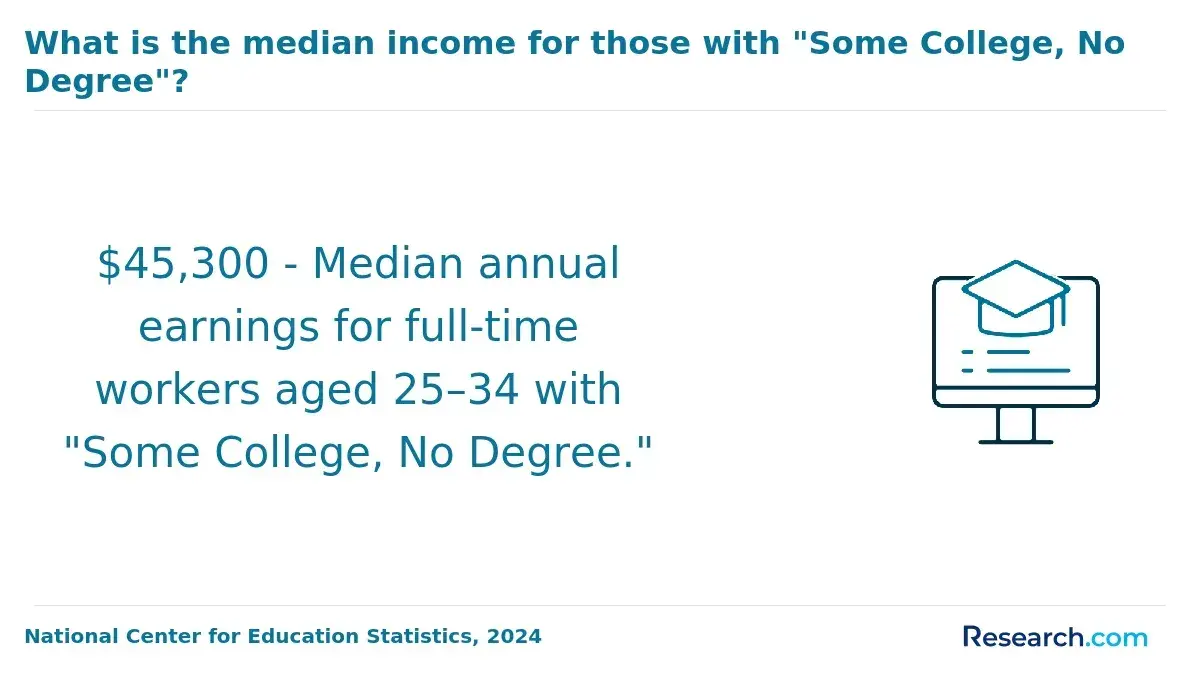
Median annual earnings for bachelor's degree holders in criminal justice and fire protection hover around $45,410 in young adulthood, reflecting employer confidence in accredited degrees' rigor and relevance. In contrast, non-accredited credentials often align with suppressed wage potential and slower advancement.
Students evaluating educational options should be wary of shortcuts; even cost-effective paths like the online degree in Spanish underscore the importance of balancing affordability with accreditation status.
Which criminal justice jobs reward a degree with promotions?
Advancement in criminal justice careers within government agencies frequently hinges on obtaining a degree, as it often marks the difference between entry-level roles and supervisory positions. For instance, a police officer with a bachelor's degree in criminal justice can accelerate promotion to sergeant or lieutenant, roles demanding leadership and strategic planning skills cultivated through formal education.
Federal agencies such as the FBI and DEA typically require at least a bachelor's degree for agent positions and favor degree holders for higher ranks, reflecting the value placed on analytical and legal expertise.
Probation and parole officers advancing into supervisory or administrative roles commonly hold degrees, underscoring their proficiency in legal statutes and rehabilitative strategies to manage complex caseloads. The labor market projects a 7.6% growth for criminal justice and corrections jobs from 2016 to 2026, outpacing the national average and signaling sustained government demand for qualified professionals prepared for leadership roles.
However, local law enforcement agencies sometimes allow career progression without degrees, but these paths typically slow beyond mid-management. Professionals evaluating criminal justice degree careers with government promotions should weigh the time and cost of education against the tangible benefits of formal credentials. The highest paying criminal justice jobs leading to promotions consistently prioritize degree-holding candidates.
For those balancing work and study, exploring options such as the best military friendly online electrical engineering degrees can illustrate how targeted, flexible programs support career pivots and advancement.
Is an online criminal justice degree respected by employers?
Success in securing government roles or promotions through an online criminal justice degree tightly hinges on the program's accreditation, curriculum relevance, and professional experience integration, not the degree's delivery mode. Federal and many state agencies prioritize applicants with demonstrable expertise in areas like forensic investigation or policy analysis over whether the degree was earned remotely.
For mid-career professionals, online master's programs offer the advantage of maintaining continuous employment while enhancing leadership and research skills, a factor valued in promotion decisions. However, some local government entities may still prefer candidates from traditional programs or hybrid models that blend online coursework with hands-on training, such as internships or physical academies.
Key workforce considerations include:
- Accreditation rigor and alignment of coursework with job competencies
- Ability to apply academic learning directly to criminal justice challenges
- Preservation of steady work history during study, which influences career trajectories
- Graduates with advanced degrees earning up to 28% more on average than bachelor's holders, per National Center for Education Statistics via GoGrad
Ultimately, candidates should assess specific agency requirements and weigh the tradeoffs between fully online, hybrid, or traditional education pathways to align with their career goals and sector expectations.
What should a criminal justice curriculum include for advancement?
Advancement in criminal justice roles demands a curriculum that balances leadership, legal expertise, and analytical skills tailored to complex operational challenges. For instance, officers aspiring to sergeant positions face expectations beyond frontline experience, requiring proficiency in personnel management alongside emerging technologies like digital forensics and body-worn cameras.
These practical competencies must be combined with coursework in areas such as constitutional law and criminal procedure to effectively navigate case management and policy enforcement.
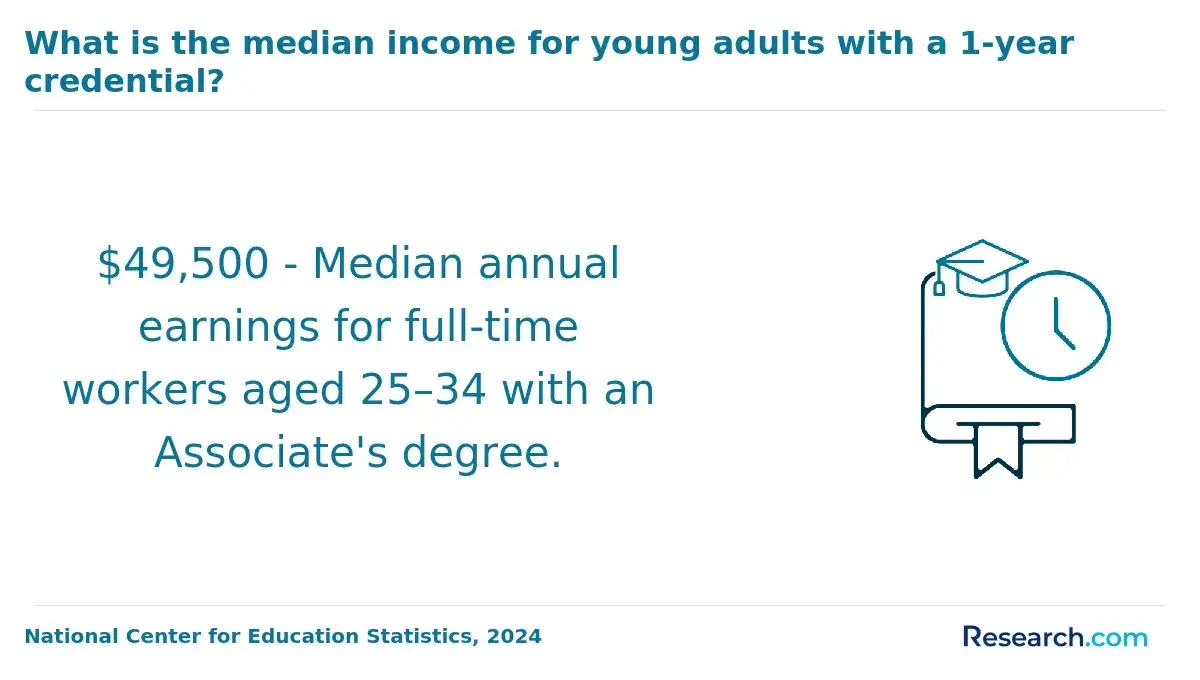
Supervisory roles increasingly call for skills in conflict resolution, budget oversight, and interagency coordination—competencies rarely developed through field experience alone. A significant workforce trend shows that over half of sworn local officers hold at least a two-year degree, while nearly 29% possess four-year degrees or higher, underscoring formal education's growing role in promotion eligibility, especially within competitive urban departments.
While purely theoretical programs risk leaving students unprepared for leadership demands, overly technical tracks may neglect strategic acumen. Effective programs integrate legal updates, federal-state policy nuances, and research methodologies to equip students with analytical tools for assessing crime trends and resource allocation.
What admissions requirements do criminal justice programs usually have?
Admission to criminal justice programs demands more than basic academic qualifications; practical credentials and ethical integrity heavily influence candidate selection.
Most undergraduate tracks require a high school diploma or equivalent, but specialized graduate programs often insist on a related bachelor's degree with a GPA threshold between 2.5 and 3.0. Standardized tests such as the SAT or ACT may be waived for applicants with substantive law enforcement experience, reflecting an admission approach that values real-world competencies alongside academics.
Background checks are standard and critical, as criminal history can directly preclude acceptance. Letters of recommendation targeting a candidate's analytical acumen and ethical judgment are frequently requested to assess suitability for roles entailing public trust and safety.
Additionally, career-focused criminal justice programs aimed at government promotion paths sometimes require written statements or scenario-based assessments, particularly for federal positions where discipline-specific proficiency and adherence to public-sector values are essential.
From a workforce perspective, employment as postsecondary criminal justice educators commands a median annual wage near $78,980, signaling a viable upward trajectory for those balancing academia with field expertise. However, applicants must weigh admissions rigor and the need for a clear record against the long-term stability these programs offer.
Pragmatic considerations include:
- Whether professional experience offsets standardized test requirements
- How ethical vetting aligns with job eligibility in government roles
- The advantage of scenario assessments in validating practical readiness
These factors affect decision-making, particularly for professionals aiming to pivot within or advance through government agencies where operational integrity and competence dictate career potential.
How long does a criminal justice degree usually take?
Completion timelines in criminal justice degrees hinge on program format and student commitment, with significant occupational consequences. A full-time associate degree generally spans two years, while bachelor's degrees require roughly four years. Accelerated tracks cut duration by up to 25% but demand weekly hours that are often infeasible for working adults.
Conversely, part-time enrollment often extends completion beyond five years, which can delay eligibility for government promotions or competitive exams where a bachelor's degree is typically the minimum credential.
Government agencies prioritize accredited programs aligned with public sector law enforcement or legal roles, making timely completion an operational must. For example, an employee seeking promotion to federal law enforcement specialist must often finish a four-year bachelor's on schedule to qualify for advanced assessment phases.
Graduate programs, master's in criminal justice or law, usually take 1.5 to 3 years post-work experience and benefit from online or hybrid models. However, these formats require disciplined time management to balance job demands and academic rigor effectively.
Gender pay disparities further illustrate tangible stakes: 2022 data show women criminal justice lawyers earned 95% of their male counterparts' salaries, a gap strongly influenced by the timing and level of degree attainment in public legal careers.
How much do criminal justice degrees cost?
Criminal justice degrees in 2026 present a significant financial variability, ranging roughly from $5,000 to $25,000 annually depending on institution type and student residency.
Public universities typically offer more affordable in-state tuition between $7,000 and $12,000 per year, while private and out-of-state options can reach $20,000 to $25,000. These costs directly impact professionals seeking government roles, where an accredited degree often outweighs specialized certifications.
For example, a government employee in New York faces higher tuition but benefits from a dense job market and stronger recruitment networks, making costly education more justifiable. Conversely, candidates outside such hubs might prioritize affordability and flexible online programs, which range between $6,000 and $15,000 annually but may charge premium rates for accelerated formats.
Decision-makers must also account for indirect expenses including licensing exams, additional training, and income lost during study periods. Longer programs with multiple semesters often delay eligibility for promotion, complicating the cost-benefit balance.
Regions such as New York, Tempe, and South Hooksett hold the highest concentration of criminal justice graduates, reflecting targeted recruitment environments that shape workforce supply and influence degree investment returns.
What salary and job outlook do criminal justice graduates have?
Salary escalation in criminal justice careers generally hinges on both rank progression and role specialization. For instance, police and sheriff's patrol officers report a median annual wage of $72,280, while detectives or criminal investigators command notably higher median pay at $91,100. This differential reflects the practical reality that frontline experience is essential but insufficient alone for significant salary growth.
Advancement requires navigating a competitive landscape favoring candidates with additional qualifications, specialized training, or certifications. Typically, officers accumulate several years of patrol work before moving to investigative roles, creating a multi-year commitment with limited immediate financial payoff. Balancing continuing education alongside shift work and mandatory field assignments is a persistent challenge that impacts career pacing.
Employers prioritize hands-on experience combined with academic credentials. Graduates who strategically pursue internships, ride-alongs, or targeted certifications position themselves better for promotion pathways tied to measurable wage increases. Understanding agency-specific promotion policies can help align educational investments with expected timelines, often requiring 5 to 10 years to realize substantial returns.
Ultimately, those seeking government roles must weigh the time-intensive nature of on-the-job skill development against the incremental wage benefits, recognizing that career steps without timely advancement risk wage stagnation.
Other Things You Should Know About Criminal Justice Degrees
Government agencies typically weigh both work experience and formal education when considering promotions in criminal justice careers. While experience in the field demonstrates practical skills and leadership potential, a relevant degree can be a gatekeeper for eligibility or higher-ranking positions. Candidates should prioritize programs that include applied learning opportunities to complement their work history, as agencies often seek evidence of both theoretical knowledge and real-world problem solving.
A specialized criminal justice degree offers targeted knowledge on law enforcement, corrections, and legal frameworks, which directly aligns with many promotion criteria. However, a public administration degree can provide broader management and policy skills valued for upper-level leadership roles. Candidates aiming for mid-level supervisory roles should prioritize criminal justice specialization; those targeting executive promotion should consider public administration to strengthen management competencies alongside criminal justice expertise.
Courses focused on policy analysis, leadership in criminal justice, and advanced statistical methods are particularly influential in promotion decisions within the government sector. These courses equip professionals with the skills needed to address complex challenges in criminal justice administration and policy-making.
References
- The Value of a Criminal Justice Degree: Skills, Evolution, and Degree Pathways | University of Arkansas Grantham https://www.uagrantham.edu/blog/the-value-of-a-criminal-justice-degree/
- Most Affordable Online Criminal Justice Degrees https://www.affordablecollegesonline.org/degrees/criminal-justice-programs/
- 8 Reasons to Earn a Criminal Justice Degree | All Criminal Justice Schools https://www.allcriminaljusticeschools.com/blog/why-higher-ed-in-criminal-justice/
- What Can You Do With a Degree in Criminal Justice? | UMass Global https://www.umassglobal.edu/blog-news/what-can-you-do-with-a-criminal-justice-degree
- AU – Careers Available to Graduates with A BA in Criminal Justice https://online.aurora.edu/program-resources/careers-for-a-bachelors-in-criminal-justice/
- Guide To Criminal Justice Degrees And Majors https://www.criminaljusticedegreeschools.com/degrees/
- What do you learn in a bachelor's in criminal justice? | edX https://www.edx.org/resources/what-do-you-learn-in-a-bachelors-in-criminal-justice
- What to do With a Criminal Justice Degree - Paladin Security https://paladinsecurity.com/security-careers/become-security-guard-canada/
- Criminal Justice Jobs, Criminal Justice Salary Outlook | HCU https://hc.edu/articles/criminal-justice-salary-and-job-outlook/
- How Much Do Criminal Justice Programs Cost? https://criminaljusticecareernow.com/articles/how-much-do-criminal-justice-programs-cost