2027 Online Criminal Justice Degrees That Help Build Fraud Detection Skills

Co-Founder and Chief Data Scientist
Facing a surge in sophisticated financial fraud schemes, fraud analysts within criminal justice agencies must now decode complex data patterns quickly to prevent multi-million-dollar losses. With the U. S. Bureau of Labor Statistics projecting a 13% growth in fraud examiner jobs by 2032, demand for professionals skilled in fraud detection is accelerating. Meanwhile, over 45% of adult learners enrolled in higher education in 2024 chose online programs, driven by the need for flexible scheduling amid busy careers.
This shift enables criminal justice professionals to upgrade skills without pausing employment. This article evaluates online criminal justice degrees designed to enhance fraud detection expertise, guiding readers toward programs that align with career advancement and practical constraints.
Key Things You Should Know
- Online criminal justice degrees with fraud detection focus require integrating advanced data analytics and financial forensics, yet programs often trade-off depth in investigative techniques for broader curricula, impacting skill specialization amid evolving cybercrime.
- Employers prioritize candidates with proven hands-on fraud analysis experience; 2024 FBI workforce reports show 62% of fraud investigators prefer degrees paired with internship engagements, emphasizing the need for programs offering practical exposure.
- Cost and duration variances pose barriers: Bureau of Labor Statistics data indicates programs under 18 months save $15K on average but correlate with 20% lower immediate employability in fraud-specific roles versus longer-term specialized degrees.
What are online criminal justice degrees that focus on building fraud detection skills?
Programs focused on online criminal justice degrees with fraud detection training equip students with targeted skills in financial crimes investigation, forensic accounting, and regulatory compliance. Graduates often fill roles such as financial examiners or fraud analysts, where practical expertise-like detecting suspicious banking transactions through risk assessment and digital forensics-is pivotal. Employers increasingly seek proficiency in data analytics software combined with a firm grasp of federal and state compliance frameworks.
Financial examiners are expected to navigate a complex regulatory environment, including laws like the Bank Secrecy Act, while applying audit and fraud prevention techniques. The U.S. Bureau of Labor Statistics projects around 27,900 openings annually for financial examiners from 2024 to 2034, signaling robust labor-market demand for specialists trained to bridge theory and practice.
Students should evaluate criminal justice programs specializing in fraud investigation skills that integrate internships or partnerships with law enforcement or financial institutions to mitigate the limitations of purely online study. Degree options range from associate to master's levels, often including certificates in fraud examination. For working professionals, asynchronous modules and accessible faculty support are essential to manage time constraints, but fully online formats may restrict hands-on skill development.
Hybrid programs tend to offer a better balance by providing experiential learning opportunities. Graduates skilled in fraud detection find diverse career pathways including corporate compliance, government investigations, and private consulting, where fraud prevention directly influences organizational risk management. Those exploring relevant educational pathways should consider available options carefully, as outlined in online criminal justice associate degree programs, to ensure alignment with career goals and market realities.
How do online criminal justice programs compare to campus options for fraud investigation training?
The core difference between online criminal justice programs for fraud investigation training and campus options lies in experiential intensity. Campus programs integrate supervised internships and simulation labs essential for developing on-the-ground decision-making skills, crucial in fraud detection roles within financial institutions or corporate audits. Online programs, while covering key topics like forensic accounting and digital evidence analysis, primarily rely on virtual labs and case studies, which cannot fully substitute the immediacy and complexity of in-person collaboration or fieldwork. Employers often emphasize proven practical experience.
Campus students typically gain this through structured access to local agencies or school partnerships, whereas online learners must independently secure internships, potentially delaying readiness and impacting hiring outcomes. This reality shapes the employability trajectory, especially for those targeting roles in law enforcement or compliance divisions requiring rapid, situational judgment. Decision-making about campus versus online fraud detection education in criminal justice should factor in specific career contexts, workload, and geographic flexibility.
For example, a compliance officer mid-career may benefit from the flexibility of online study to build skills without interrupting income, whereas recent graduates often gain more immediate advantage through campus immersion and networking opportunities. Given the steady job growth projected for fraud specialists, individuals weighing options might consult resources on the best degrees for felons to identify programs aligned with diverse educational needs and employment barriers.
What types of criminal justice degrees best prepare students for fraud detection careers?
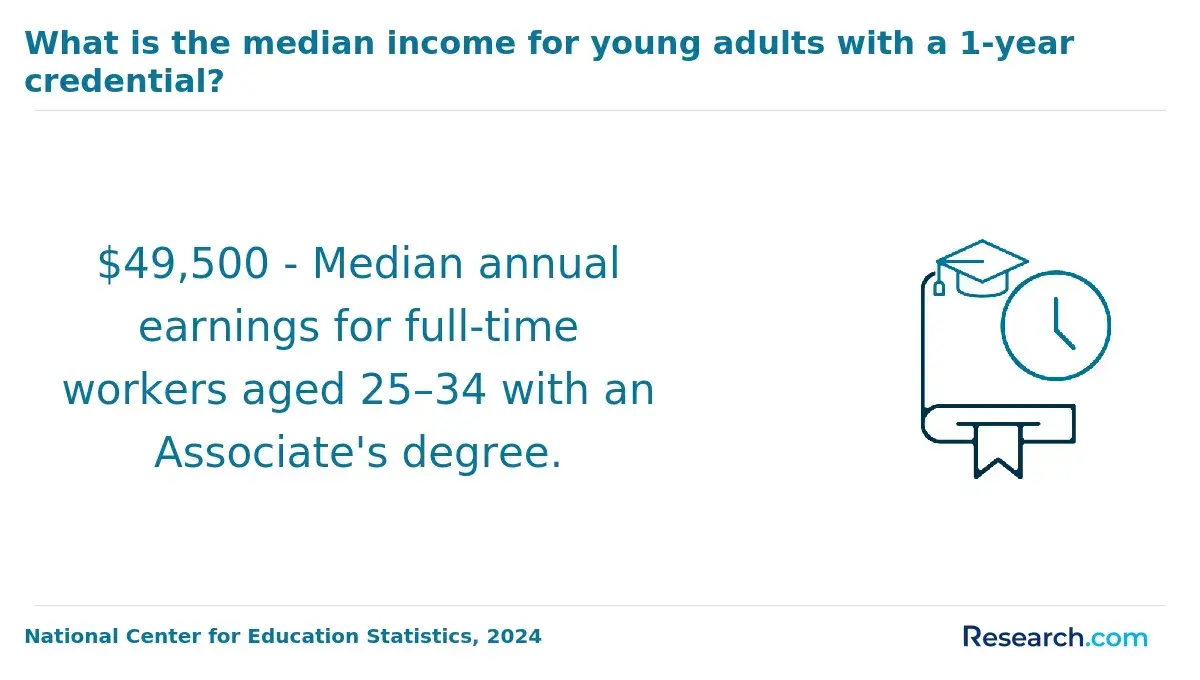
Fraud detection roles demand specialized knowledge far beyond general criminal justice degree programs, particularly skills in forensic accounting and fraud examination. A focused degree, such as an M.S. in Forensic and Fraud Examination, equips candidates with the ability to analyze complex financial data, identify irregular transactions, and navigate regulatory frameworks-capabilities that broad criminal justice degrees often lack.
Employers in banking, insurance, and corporate compliance sectors expect proficiency in forensic auditing software, data mining, and legal standards pertaining to financial crimes. For instance, professionals investigating insurance claim fraud must combine investigative techniques with accounting acumen to trace intricate suspicious activities efficiently. Lacking this expertise risks leaving candidates underprepared for roles that require immediate operational effectiveness.
Students evaluating criminal justice degree programs for fraud detection need to consider the cost-benefit tradeoffs. West Virginia University's online M.S. in Forensic and Fraud Examination charges $1,043 per credit hour in 2024-a premium reflecting the program's specialization. Prospective students should balance tuition costs against outcomes such as certification pathways, internship opportunities, and employer networks.
To prepare adequately for fraud roles, look for curricula offering training in:
Choosing the best online criminal justice degrees in fraud investigation should involve scrutiny of programs offering real case simulations, internships with fraud units, or partnerships with financial institutions. Prospective students might also explore analogous practical options like an online degree in Spanish to compare flexible, outcome-driven pathways that optimize investment versus career impact.
What courses and skills in these programs specifically develop fraud detection and investigation expertise?
Targeted online criminal justice degrees focusing on fraud detection and investigation emphasize applied skills like advanced financial forensics, digital fraud analytics, and regulatory compliance. These fraud detection and investigation courses in criminal justice programs integrate hands-on engagement with software tools such as data mining platforms and forensic accounting systems, essential for breaking down intricate financial transactions and recognizing suspicious patterns.
For instance, professionals in banking frequently implement anomaly detection algorithms taught in these programs to quickly flag irregular transactions, minimizing response times and financial losses. Programs develop investigative acumen through case studies involving corporate fraud, insurance scams, and cybercrime, blending traditional law enforcement techniques with financial expertise.
Compliance training addresses adherence to the Sarbanes-Oxley Act and anti-money laundering regulations, which is critical for meeting regulatory reporting demands. Practical exercises replicate complex fraud scenarios, familiarizing students with challenges faced by agencies like the FBI or SEC. Skills development for fraud examination and forensic accounting in criminal justice degrees includes interviewing witnesses and detecting deception cues to improve evidence quality, a known workforce gap in translating theory to field effectiveness.
Students also strengthen report-writing and testimony delivery abilities, vital for prosecutorial or corporate investigative roles. From a return on investment standpoint, Utica University's online B.S. in Fraud and Financial Crime Investigation offers an estimate around $54,000 plus fees, giving a measurable benchmark for cost-effectiveness versus career outcomes.
Prospective students considering a pivot to specialized fraud detection should weigh program rigor against practical applicability and workforce expectations. Those exploring additional STEM-linked pathways may find value in a veteran friendly online electrical engineering degree as a complementary or alternative route.
How can students verify accreditation and program quality for online criminal justice degrees?
Choosing an online criminal justice degree without verified accreditation risks undermining both financial aid eligibility and employer recognition-especially in fraud detection, where credential reliability directly impacts trust and hiring decisions. Accreditation from recognized agencies like the Middle States Commission on Higher Education or the Southern Association of Colleges and Schools offers stronger assurance of program rigor compared to unrecognized national accreditations. This distinction often influences whether graduates qualify for professional certifications or federal aid.
Curriculum relevance is a decisive factor. Programs integrating forensic accounting, investigative methods, and up-to-date regulatory frameworks better prepare students for roles in sectors like banking or insurance, where financial examiners assess complex fraud risks. Employers expect applied skills in data analytics and legal compliance rather than purely theoretical knowledge.
Evaluating faculty expertise and established partnerships with financial institutions or law enforcement can signal opportunities for meaningful internships or projects, enhancing job readiness. Metrics such as graduation rates, job placement, and starting salaries provide tangible evidence of outcomes-for instance, the U.S. Bureau of Labor Statistics cites a median wage of $81,430 for financial examiners.
Prospective students should also verify state authorization and credit transfer policies to maintain educational flexibility. Overlooking these factors may result in investing in programs that do not align with real workforce demands or fail to meet employer standards in fraud detection roles.
What are typical admission requirements for online criminal justice programs with a fraud focus?
Admission to online criminal justice programs with a fraud detection focus requires more than baseline academic credentials; candidates must demonstrate clear alignment with the ethical and analytical demands of fraud investigation. A high school diploma with a minimum GPA around 2.5 to 3.0 on a 4.0 scale is standard, but admissions committees weigh transcripts for relevant coursework and consistency.
Some programs still request SAT or ACT scores, though this is increasingly uncommon as institutions attempt to broaden access. Professional experience in fields like law enforcement, finance, or IT can significantly enhance an application, particularly where data analytics and cybersecurity intersect with fraud detection.
Letters of recommendation tend to emphasize analytical skills and ethical judgment, key attributes in fraud risk management. Personal statements should explicitly connect prior experience or motivation to forensic investigation or fraud oversight, allowing programs to assess fit beyond academic metrics. Background checks are typically mandatory, reflecting the sector's sensitivity and regulatory scrutiny. International students face additional hurdles through English proficiency tests like TOEFL or IELTS to ensure mastery of complex domain-specific terminology.
Time and financial commitments are crucial considerations. For instance, Purdue Global's online B.S. in Criminal Justice averages four years, which can strain working professionals balancing employment and study. This tradeoff impacts when and how prospective students can engage with the curriculum, affecting both completion rates and career transitions.
How long do these online degrees take, and what tuition and fees should students expect?
Accelerated online criminal justice degrees focused on fraud detection make strategic sense for professionals aiming to reduce redundant coursework and shorten time-to-completion. Programs like Utica University's, which accept up to 90 transfer credits, allow completion in as few as two years, a significant benefit for those with prior college or associate degrees.
This approach mitigates costs and time lost, but rigorous time management is needed to handle its intensity without sacrificing opportunities for internships or work experience-both crucial for roles demanding investigative skills in fraud and financial crime. Tuition costs vary sharply: in-state public online programs typically charge $8,000 to $15,000 annually, whereas private institutions range between $20,000 and $35,000.
Additional fees for technology, materials, and proctoring can add $1,000 to $2,000 yearly, making total cost assessment essential. Part-time enrollment offers flexibility but extends program duration and overall expense. From an employer perspective, candidates who efficiently complete fraud and cybersecurity-centered programs demonstrate both relevance and commitment, valuable in a competitive labor market. However, accelerated degrees may limit the practical experience employers value, underscoring a tradeoff between speed and depth.
What criminal justice and fraud-related career paths can graduates pursue with these degrees?
Graduates holding online criminal justice degrees with a focus on fraud detection enter a workforce where analytical precision meets evolving regulatory demands. Positions such as fraud examiner, forensic accountant, compliance analyst, and cybersecurity investigator require not only detecting deceit but also effectively navigating legal and technological complexities.
For example, a forensic accountant at a financial institution scrutinizes transaction records to identify irregularities like money laundering-a task demanding advanced data interpretation and regulatory knowledge. Meanwhile, fraud examiners employed by insurers must discern legitimate from fraudulent claims, often collaborating across agencies.
Key considerations include the necessity of professional certifications like Certified Fraud Examiner (CFE) or Certified Forensic Accountant (Cr.FA), which frequently determine employability and upward mobility more than the degree alone. Work environments vary extensively: some roles are office-based with a tech-heavy focus, while others require frequent field investigations, impacting schedules and work-life balance.
The U.S. Bureau of Labor Statistics projects strong job growth in protective service roles, signaling demand but also competition. Prospective students should weigh factors such as depth of digital forensics training, regulatory expertise, and real-world investigative skills when selecting programs. Graduates prepared to handle evolving cyber fraud and compliance challenges have the greatest alignment with employer needs.
What salary ranges and job outlook apply to fraud analysts and related criminal justice roles?
Fraud analyst salaries in 2026 reflect significant variance based on experience, firm size, and specialization, with entry-level roles around $55,000 and seasoned professionals in large financial institutions earning up to $95,000. The projected 21% job growth for fraud detection and related financial examiners from 2022 to 2032 is fueled by heightened regulatory oversight and expanding cybercrime risks, particularly in banking, insurance, and government sectors.
Advancement requires continuous skill updates, especially in data analytics and emerging digital fraud methodologies like cryptocurrency schemes. Without ongoing professional development, wage growth tends to plateau near entry-level ranges. Employers prioritize candidates with a strong grasp of investigative processes, legal standards, and software tools, placing significant weight on relevant internships or direct work experience alongside formal education.
Typical educational pathways range around 120-credit programs, such as online bachelor's degrees offering year-round flexibility that suits adults balancing full-time employment. However, prospective students must weigh the practical limitations of these programs, including the pace of curriculum updates compared to rapidly evolving fraud tactics. Federal and corporate roles often require rigorous background checks, making experience and certifications equally critical as academic credentials.
Are there certifications or licensing requirements for fraud examiners and investigators, and how do degrees help meet them?
Certification such as the Certified Fraud Examiner (CFE) credential is essential but insufficient alone to meet employer expectations in fraud investigation roles. A degree in criminal justice with a focus on fraud detection or forensic accounting anchors candidates with necessary knowledge in law, ethics, and investigative protocols, directly impacting eligibility for certifications and effective job performance.
Employers increasingly value graduates who combine academic grounding with applied skills like analyzing complex financial documents and understanding cybercrime tactics. For example, healthcare fraud detection specialists must navigate overlapping regulatory and investigative demands, a complexity best addressed through specialized criminal justice programs rather than general degrees.
These programs improve practical readiness and reduce risks of licensing delays or competency gaps that can stall career progress. Data from Carlow University illustrates how this educational alignment translates into financial outcomes, noting a median salary near $103,590 for related roles such as information security analysts-a useful benchmark for evaluating the return on investment in such degrees.
Ongoing licensing requirements and evolving regulations mean that degree programs tailored to the fraud landscape provide a stable foundation for continued professional development and certification maintenance. Without such targeted preparation, candidates risk losing ground as standards shift and compliance demands intensify.
Other Things You Should Know About Criminal Justice
Choosing a program with a dedicated fraud detection track provides targeted training that aligns closely with employer expectations in financial crime and fraud investigation roles. However, broader criminal justice degrees offer flexibility to pivot into related fields if career goals evolve. If the primary objective is a direct pathway into fraud-related positions, prioritizing specialized curricula will reduce the need for additional certifications and bridge coursework after graduation.
Online fraud detection programs often require substantial commitment despite flexible scheduling. Many include complex case studies and hands-on data analysis that demand focused attention beyond standard coursework. Working professionals should assess whether the program's pacing and workload fit their availability, as underestimating these factors can lead to poor performance and delayed completion, which negatively affects employability outcomes.
Employers in fraud detection tend to prefer candidates with degrees that combine criminal justice theory with practical skills in forensic accounting, data analytics, and legal compliance. Programs solely focused on criminal justice theory without these components may limit candidate competitiveness. Students should seek degrees with clear integration of quantitative methods and real-world fraud investigation tools to meet evolving job market demands.
References
- Criminal Justice (BA) - Computer Forensics Concentration https://www.uagrantham.edu/online-degrees/criminal-justice-computer-forensics-concentration/
- Fraud Investigation Techniques for Examiners http://www.ffiec.gov/training/examiner-education/course-catalog/fraud-investigation-exp
- Online Degree Costs: What To Expect To Pay? https://purchase.andlight.dk/andlight-news/online-degree-costs-what-to-expect-to-pay-1767647705
- Advanced Skills in Fraud Investigation Course Details https://latouchetraining.ie/course-detail/advanced-skills-in-fraud-investigations/
- Online Criminal Justice Degrees (Types, Benefits & FAQ) https://www.allcriminaljusticeschools.com/criminal-justice/criminal-justice-online-degree/
- Guide To Criminal Justice Degrees And Majors https://www.criminaljusticedegreeschools.com/degrees/
- Online Graduate Specialization in Fraud Management| Colorado State University Global https://csuglobal.edu/academic-programs/graduate-specializations/graduate-specialization-fraud-and-financial-crimes
- Cost of Online Education vs. Traditional Education [2025]: Comparison https://educationdata.org/cost-of-online-education-vs-traditional-education
- How a Criminal Justice Degree Could Support Long-Term Skill Development https://www.aiuniv.edu/degrees/criminal-justice/articles/online-criminal-justice-degree-advancement
- Top Online Criminal Justice Degrees https://www.criminaljusticeprograms.com/online-criminal-justice-degrees/