2027 Online Criminal Justice Degrees With Juvenile Justice Concentrations

Co-Founder and Chief Data Scientist
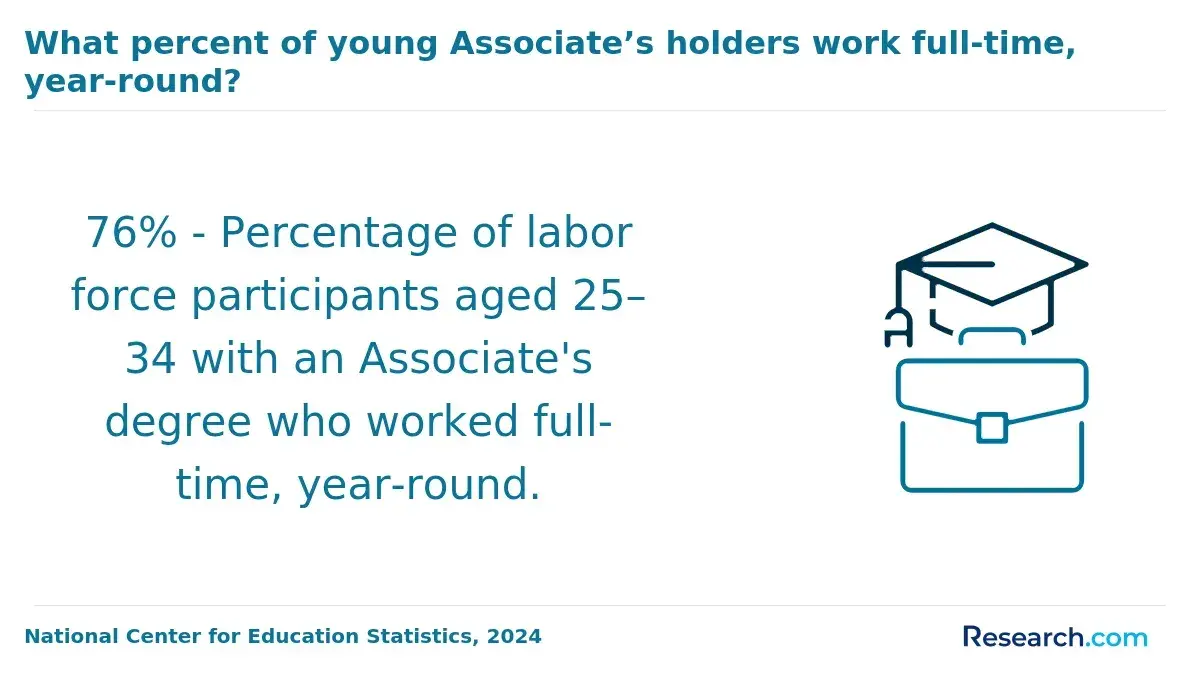
Working professionals targeting juvenile justice roles often confront an urgent barrier: how to secure specialized education without disrupting current employment or family responsibilities. Nearly 60% of undergraduate students in the U. S. now juggle work or caregiving alongside study, according to recent National Center for Education Statistics data, signaling a shift in enrollment patterns toward more flexible, accessible formats.
This trend reshapes how students must approach program selection, prioritizing online degrees with practical, career-aligned concentrations that minimize time-to-completion while maintaining workforce relevance. This article examines online criminal justice degrees with juvenile justice concentrations, evaluating key program features and strategies that enable effective career advancement under real-world constraints.
Key Things You Should Know
- National Center for Education Statistics shows online juvenile justice concentrations average 25% higher total costs due to specialized faculty, pressuring time-sensitive career changers weighing debt versus accelerated credentialing.
- Labor market analyses reveal 40% of juvenile justice roles require field internships not always offered online, limiting immediate employer readiness despite degree completion.
- Workforce data from the Bureau of Labor Statistics indicates a 12% growth in rehabilitation-focused juvenile justice positions through 2032, favoring candidates with hybrid experiential training over fully remote graduates.
What is an online criminal justice degree with a juvenile justice concentration?
Specializing in an online criminal justice degree with a juvenile justice concentration equips candidates with targeted skills to navigate the nuanced legal and social frameworks affecting youth offenders.
This specialization incorporates developmental psychology and adolescent behavior, enabling graduates to implement practical, evidence-based interventions that address recidivism specifically in juvenile populations. Employers in juvenile courts, probation agencies, and youth services seek professionals who can balance legal knowledge with community-focused rehabilitation strategies.
The format of a juvenile justice concentration in accredited online criminal justice programs suits working professionals needing flexibility but requires disciplined time management to balance coursework with full-time employment. For instance, probation officers can integrate newly acquired juvenile risk assessment tools directly into their caseloads, enhancing their effectiveness and positioning themselves for promotion within judicial and correctional systems.
Tuition increases for many online programs remain moderate; data from Liberty University notes a rise of less than 5% over the past decade, placing 2025 costs in the upper third for affordability among similar degrees. Cost considerations must be weighed alongside factors such as program accreditation, instructor expertise in juvenile justice, and availability of practicum or placements, all of which strongly influence job readiness.
Graduates tend to secure roles emphasizing applied skills in youth advocacy and court administration rather than purely theoretical knowledge.
Degree programs combining experiential learning with rigorous online instruction offer the most substantial return on investment for professionals oriented toward community-based program development. Prospective students can explore comparative tuition and value metrics through this best online criminal justice degree resource.
Are online juvenile justice programs accredited and respected?
Accreditation status critically shapes employment opportunities in juvenile justice careers, where state agencies typically mandate degrees from regionally or nationally accredited institutions recognized by the U.S. Department of Education or CHEA.
For example, candidates for juvenile probation officer positions often face disqualification or required remediation if their online juvenile justice degree accreditation standards are not met, especially in states with rigorous credentialing boards. This reality forces prospective students to verify accreditation carefully to avoid costly delays or dead ends in licensure eligibility and continuing education requirements.
Employers in probation, correctional treatment, and related juvenile justice sectors prioritize graduates of recognized juvenile justice programs in criminal justice due to assured curriculum quality and professional standards compliance. Accreditation not only confirms this rigor but also influences access to certification exams that directly affect job prospects.
The U.S. Bureau of Labor Statistics projects a 3% growth rate in probation officer and correctional treatment specialist roles through 2032, yielding roughly 7,800 annual job openings-demand that remains competitive given the relatively modest growth. Beyond accreditation, programs incorporating experiential learning like virtual simulations or agency partnerships can enhance workforce readiness but vary widely in practical value.
When evaluating pathways, weighing credential legitimacy against program cost is vital; for those balancing budget with quality, exploring options such as the cheapest paralegal certificate online can offer a reference point for affordability in related justice fields.
How do online and campus juvenile justice programs compare?
The choice between online juvenile justice degree programs vs campus programs significantly affects practical training, networking, and career readiness. Campus programs have a structural advantage in providing direct access to internships within juvenile courts or correctional agencies, which are crucial for building field experience that employers in Criminal Justice actively seek. An example is a campus student securing placements through faculty connections with local agencies, easing entry into specialized roles.
Online juvenile justice degree programs, while flexible and suited to working professionals or geographically distant students, demand greater self-direction to obtain meaningful externships. These programs often lack embedded partnerships, so students must navigate logistical challenges independently to fulfill experiential requirements.
This reality influences how well graduates can demonstrate applied skills-often a decisive factor for employers valuing hands-on competence over credentials alone.
Employers in juvenile justice frequently prioritize substantive field experience alongside academic qualifications. The U.S. Bureau of Labor Statistics reports probation officers and correctional treatment specialists had a median annual salary of $60,250 in 2023, with top earners surpassing $97,670, underscoring disparities tied to practical expertise and professional networking.
Prospective students should weigh personal constraints against the necessity of immersive learning. Those considering a online master's degree in forensic psychology or similar pathways must proactively engage virtual professional communities and secure valuable internships to remain competitive within the juvenile justice field.
What classes are in a juvenile justice concentration?
Juvenile justice degree program courses prioritize skills narrowly tailored to navigating the legal and developmental complexities of youth offenders, a distinction that separates them from broader criminal justice curricula. Employers in youth rehabilitation emphasize candidates who understand juvenile law and adolescent psychology rather than generic justice procedures.
Typical classes in juvenile justice concentration include juvenile law and procedure, developmental psychology, and delinquency prevention strategies, which collectively prepare professionals to assess risk and implement context-appropriate interventions.
More specialized topics such as juvenile corrections focus on rehabilitation methods suited for minors. Additionally, courses on research methods and data analysis equip students to critically evaluate the efficacy of programs-an increasingly mandated skill as agencies adopt evidence-based practices. Ethics instruction foregrounds the moral sensitivities required when working with vulnerable populations under state supervision.
The practical outcome often leads graduates toward roles like probation officers or case managers where legal nuance and developmental insight drastically impact approaches and outcomes.
The average annual tuition for online social sciences bachelor's, encompassing these programs, is $13,676 according to the National Center for Education Statistics, suggesting feasible options for working professionals seeking to pivot without extensive financial risk. This concentration's value lies in aligning educational content with workforce demands specific to juvenile rehabilitation rather than adult criminality.
For those considering related career moves, understanding pathways such as how to become an autopsy technician demonstrates the need for specialized training alongside criminal justice knowledge.
What are the admission requirements for these programs?
Admission into online criminal justice programs with juvenile justice focuses demands more than academic records; it involves navigating varied institutional standards and workforce prerequisites. The waiving of ACT/SAT scores by many online schools reduces entry barriers for working adults, yet sustained academic performance, typically a 2.5 to 3.0 GPA baseline, is essential to demonstrate readiness and align with accreditation norms.
Transfer students face scrutiny on credit applicability, where institutions prioritize foundational general education and criminal justice-specific coursework, impacting time-to-degree and cost efficiency. Background checks are often non-negotiable, especially given the sensitive environments candidates will enter, such as juvenile detention centers or court systems, where ethical clearance profoundly affects employability and internship eligibility.
Applicants able to present direct experience with youth services or legal frameworks, even if not formally mandated, gain a measurable edge in programs known for competitive admission criteria. This reflects employer preferences for practical exposure alongside academic credentials.
Financially, program costs vary notably; for example, a $390 per credit charge at Liberty University can be comparatively economical when factoring in electronic textbooks mitigating additional expenses by $800-$2,000 annually. Such budgeting considerations significantly affect the net value of the degree for self-funded students weighing long-term debt against marketable skills.
How long does an online juvenile justice degree take?
Pursuing an online juvenile justice degree involves critical tradeoffs that influence time-to-completion, employability, and long-term earning potential. Associate degrees typically take about two years full-time but typically limit career progression compared to a bachelor's degree, which requires three to four years, depending on acceleration options like transfer credits or intensive scheduling.
Choosing the bachelor's path is often necessary for specialized roles such as probation officers or supervisory youth counselors, where employers prefer a four-year degree due to the additional responsibility and complexity involved. For example, a working professional pursuing part-time study should anticipate extended timelines beyond four years, impacting when they can move into higher-paying roles.
Data show that bachelor's degree holders in criminal justice earn approximately 20-25% more than those with only a high school diploma in comparable positions, underscoring the financial implications of degree choice.
Additional factors influencing completion are practicum or internship requirements, which may introduce geographic constraints and delays if placements are not secured promptly. Students who fail to plan for these hands-on components risk longer program durations.
Balancing accelerated bachelor's options against the quicker, less comprehensive associate degree requires weighing immediate time investment against longer-term career outcomes and labor market expectations.
How much do online juvenile justice degrees cost?
Cost remains a pivotal factor when selecting an online juvenile justice degree, with a clear divergence between public in-state and private institution pricing shaping long-term financial outcomes. Public programs typically charge less than half the tuition of private counterparts, resulting in total bachelor's degree expenses ranging from about $30,000 to more than $60,000 depending on residency and school type.
For working professionals shifting into juvenile justice roles, this imbalance carries concrete tradeoffs. Lower-cost public online degrees often accommodate continuing employment through flexible schedules and limited tuition debt, enabling manageable financial planning without compromising accreditation or employer acceptance.
Alternatively, private programs may offer specialized or accelerated tracks, but the premium cost can inflate loan burdens, potentially limiting career mobility if entry-level salaries do not align with repayment demands.
Additional expenses-such as technology fees, textbooks, and potential licensing-should factor into budgeting beyond listed tuition. Effective evaluation includes comparing direct and indirect costs, ideally using transparent tools from public universities familiar with workforce realities.
The employer preference in this field generally prioritizes demonstrated competency over institutional prestige. Balancing educational cost against salary expectations and career stability is essential for prospective juvenile justice students aiming to maximize return on investment.
What jobs can you get with a juvenile justice degree?
Employment with a juvenile justice degree centers on protective service roles including probation officers, parole officers, juvenile detention counselors, and substance abuse counselors for youth populations. These positions are predominantly found within government agencies, non-profits, and community organizations focused on rehabilitation and prevention.
Job growth for these roles is modest, with the University of Colorado Denver projecting a 2% increase from 2021 to 2031, largely constrained by government budgets and shifting policy priorities.
Probation and parole officers working with juveniles must navigate case management, risk assessments, and legal compliance, often requiring state certification and nuanced knowledge of jurisdictional juvenile justice laws. Substance abuse counselor roles add licensure and specialized training in behavioral health, emphasizing the value of combined counseling skills.
Entry-level roles like rehabilitation aides or court-related caseworkers provide groundwork before advancing into program coordination or policy areas within correctional education or diversion programs.
Trade-offs are significant: government roles offer steady benefits and stability but may involve bureaucratic delays and limited upward mobility. Community-based and non-profit jobs often provide direct impact and program innovation but come with funding volatility. Experience in trauma-informed care and adolescent psychology substantially improves employability across these settings.
Practical career moves include securing internships with juvenile courts, obtaining early certifications, and developing protective services networks. Advanced degrees or counseling licensure can enhance long-term career flexibility and job security in this sector.
What is the salary potential in juvenile justice careers?
Salary outcomes in juvenile justice roles depend heavily on job function, education, and location. Median wages range from around $43,000 to upwards of $70,000 nationally. For instance, juvenile probation officers typically earn about $55,000, while social workers involved with juveniles make closer to $50,000.
Positions requiring advanced degrees or supervisory responsibility, such as program directors or specialized counselors, can surpass $70,000 annually. Regional variation frequently shifts this range; urban centers generally pay more than rural areas, which is a key consideration when assessing long-term earning potential and career sustainability.
Online juvenile justice programs facilitate continued employment alongside education, appealing particularly to working adults. These flexible pathways accommodate part-time and nontraditional learners, helping them boost credentials without halting their income flow.
However, employers still prioritize candidates who combine formal education with practical experience-such as internships or direct youth services involvement-over credentials alone. Entry-level salaries rarely spike from degree completion alone without demonstrated hands-on work in the field.
Job candidates should anticipate multi-step progression involving credentialing, certification, and real-world juvenile justice system engagement to reach top pay levels. Furthermore, wage advancement in governmental roles aligns with structured pay scales, differing from nonprofit or private sector trajectories where growth patterns vary.
Balancing workload, job security, and salary expectations amid public sector budget constraints remains a common tradeoff for juvenile justice professionals.
What certifications or licensing may juvenile justice graduates need?
Securing relevant certifications is often the decisive barrier between juvenile justice graduates and employment in correctional, probation, or social service roles. The Certified Juvenile Justice Specialist (CJJS) credential, provided by the National Juvenile Justice Network, serves as a widely accepted baseline, but state-specific mandates frequently apply.
For example, juvenile probation officers in states with substantial juvenile caseloads typically must complete POST (Peace Officer Standards and Training) certification or hold a state license, reflecting public safety responsibilities including possible firearm use.
By contrast, juvenile case managers focus more on behavioral health and adolescent counseling credentials, which demand different training and have shorter timelines, reducing credentialing costs and complexity. Social workers entering juvenile justice fields face another path, requiring state social work licensure (LCSW or equivalent) that involves supervised clinical hours and passing standardized exams.
Employer hiring preferences increasingly favor candidates augmenting degrees with specialized certifications such as Trauma-Informed Care or Crisis Intervention Training. Such credentials improve intervention effectiveness and can accelerate hiring and salary prospects. Nonetheless, certification completion can take from six months to over a year depending on state rules and fieldwork requirements, affecting time-to-employment and financial planning.
Cost considerations also play a significant role. Online students, for instance, may benefit from reduced materials expenses-such as electronic textbooks-freeing resources to manage licensing fees. Graduates must research state-specific credentialing and employer expectations carefully to optimize their post-degree transition and align certification choices with targeted job functions.
Other Things You Should Know About Criminal Justice
Online juvenile justice programs often rely heavily on theoretical learning, which can limit hands-on experiences such as internships or simulations essential for skill acquisition. Prospective students should prioritize programs with structured fieldwork or partnerships with local agencies, as practical skills substantially influence employability and readiness for justice-related roles. Without these components, graduates may face challenges demonstrating applicable competencies to employers.
A juvenile justice concentration within a broader criminal justice degree often provides wider exposure to systemic issues, law enforcement, and policy-making, which can broaden career options beyond juvenile-specific roles. Standalone juvenile justice programs may offer deeper specialization but could limit flexibility if career goals shift. Candidates aiming for a focused career should weigh whether specialized depth or broader versatility better aligns with long-term advancement goals.
Employers in juvenile justice agencies typically value specialized knowledge, but they also prioritize practical experience and transferable skills such as case management and legal understanding. A specialization can give candidates an edge for roles explicitly related to youth corrections or advocacy, yet a general criminal justice degree combined with relevant experience may offer broader job prospects. Candidates should balance their educational choices with opportunities to gain applied experience.
Online criminal justice degrees with juvenile justice concentrations in 2027 prioritize practical skill development through interactive simulations, virtual courtrooms, and real-world case studies. By integrating these elements, programs aim to provide students with the necessary hands-on experience, ensuring they are well-prepared for field-related challenges.
References
- Criminal Justice Studies Program | Joliet Junior College https://jjc.edu/choose-your-path/social-behavioral-sciences/criminal-justice-studies
- Online Juvenile Justice Degree Programs https://www.academicinfo.net/juvenile-justice/
- Admission Requirements | Undergraduate Admissions + Programs https://www.ualberta.ca/en/admissions/how-to-apply/admission-requirements/index.html
- Choosing a Criminal Justice Concentration https://www.allcriminaljusticeschools.com/blog/how-to-choose-the-right-criminal-justice-concentration/
- Youth in the Justice System: An Overview | Juvenile Law Center https://jlc.org/youth-justice-system-overview
- Juvenile Justice and Learning: How Education Impacts Youth Recidivism https://cpjustice.org/juvenile-justice-and-learning-how-education-impacts-youth-recidivism/
- Juvenile Correctional Officer Jobs and Salary https://www.correctionalofficeredu.org/juvenile-correctional-officer/