2027 Criminal Justice Degrees That Work Best for Service-Minded Career Changers

Co-Founder and Chief Data Scientist
Midcareer professionals eyeing a shift into criminal justice face pressing barriers: inflexible program schedules, limited credit transferability, and unclear alignment between degrees and employer expectations. In 2024, the National Center for Education Statistics noted a 45% uptick in adult enrollment in online bachelor's programs, signaling growing demand for adaptable learning models. This shift reveals that many returning students prioritize programs offering practical skill acquisition without sacrificing current job commitments.
Navigating options that balance speed, legitimacy, and real-world applicability becomes essential to avoid costly detours or dead ends. This article evaluates the criminal justice degrees best suited for service-minded career changers, focusing on accessibility, employability, and program design to optimize career transitions efficiently.
Key Things You Should Know
- Service-minded career changers face a tradeoff between specialized law enforcement degrees and broader criminology; Bureau of Labor Statistics data shows law enforcement graduates hit a median wage 15% above criminology grads but sacrifice broader policy roles.
- Employers prioritize candidates with applied experience; National Institute of Justice findings reveal that graduates paired with internships or fieldwork see 25% faster hiring rates in community-focused roles.
- Program length and cost influence pivot timing-complete Criminal Justice degrees average 24-36 months at public institutions costing $8,000-$15,000; accelerated options reduce opportunity costs but may limit experiential depth.
What are the best criminal justice degrees for service-minded career changers?
The best criminal justice degrees for service-oriented career changers focus on developing practical skills aligned with current workforce demands, particularly in areas like social justice, forensic psychology, and law enforcement leadership. These targeted programs prepare students for diverse public service roles-such as probation officers or victim advocates-requiring nuanced understanding of complex justice systems and community dynamics. For instance, a criminal justice major emphasizing forensic psychology enables professionals transitioning from healthcare to roles in rehabilitation or behavioral analysis, sectors responding to the growing need to reduce recidivism.
Online bachelor's programs offer cost flexibility, typically ranging from $9,000 to $30,000 annually, which can accommodate working adults balancing educational pursuits with other obligations. However, candidates must carefully evaluate program accreditation and state licensure compatibility to avoid limitations that could hinder employment opportunities. Prospective students may explore options including a 2 year criminal justice degree online to optimize cost and flexibility.
Employers in social services and public safety emphasize applied knowledge in restorative justice, legal procedures, and crisis intervention. Service-minded changers should prioritize programs offering internships or practicums with agencies to gain relevant hands-on experience. For example, those shifting from healthcare might consider degrees with a focus on substance abuse counseling, combining personal mission with market need.
Tradeoffs include slower degree completion when balancing work and study and navigating varied state protocols requiring intentional program selection. Additionally, candidates should assess availability of specialized certificates or advanced courses that improve competitiveness for federal or state-level roles.
Why does accreditation matter for criminal justice programs?
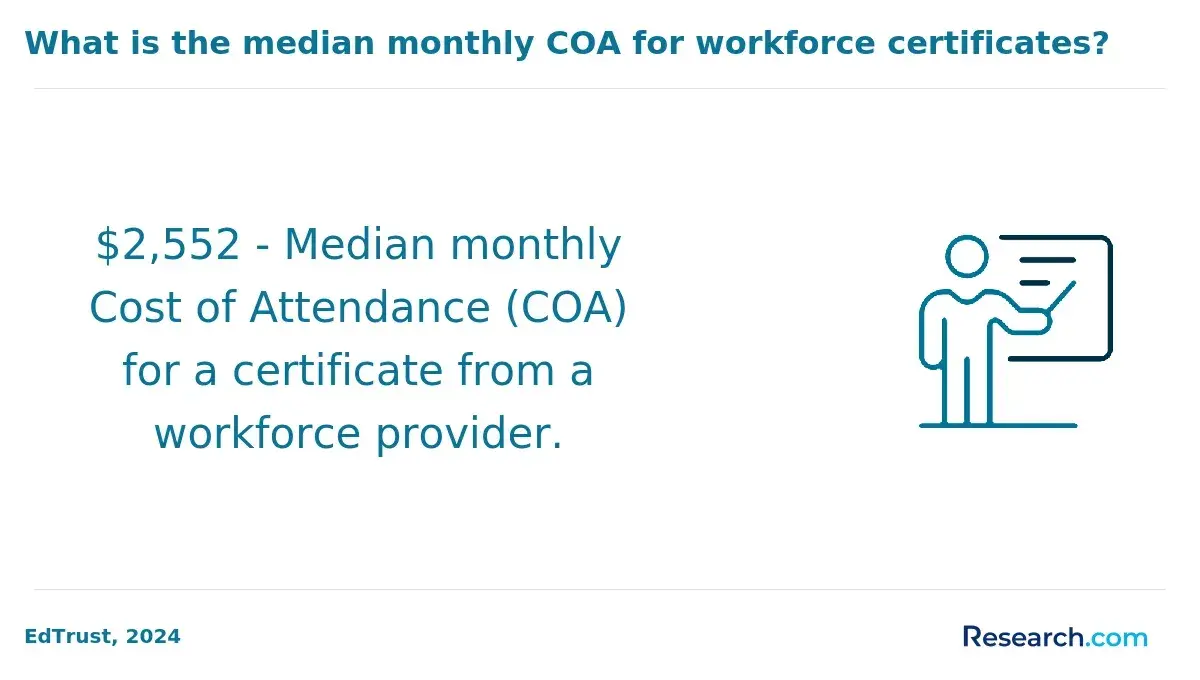
Employers in law enforcement, corrections, and public safety often require degrees from accredited institutions to verify consistent training and curriculum quality aligned with industry standards. For example, pursuing an associate degree in criminal justice at a regionally accredited community college-which typically costs between $3,000 and $10,000 annually-offers a practical and economical entry point into the field. Without accreditation, graduates risk restricted job options and challenges meeting licensing or certification requirements, particularly in specialized areas such as probation or forensic analysis.
Accreditation fundamentally affects more than employability; it also shapes credit transferability. Students aiming for bachelor's degrees or advanced credentials must attend accredited programs to ensure their coursework is accepted, a critical consideration for those targeting leadership or federal law enforcement roles. Prospective students should confirm institutional and programmatic accreditation separately, since some specialized accrediting bodies hold different weight with employers or certifying agencies.
Choosing a non-accredited program can undermine degree relevance during background checks and industry vetting, limiting career mobility. In evaluating accredited criminal justice programs in the US, it is important to weigh the balance between credible credentials and practical costs against long-term workforce outcomes.
Fields like forensic science reflect this dynamic clearly, where difficulty accessing high paying jobs in forensics often hinges on holding recognized credentials from accredited programs.
What jobs can a criminal justice degree lead to?
Career pivots into service-oriented criminal justice jobs often hinge on roles such as detective or criminal investigator, which balance competitive salaries-median pay above $90,000-with the need for hands-on investigative expertise. These positions tend to be the most accessible for bachelor's-level career changers, though applicants must reckon with rigorous hiring standards: academy training, physical assessments, and real-world law enforcement experience are frequently prerequisites.
Positions beyond direct law enforcement, like cybersecurity analysis or forensic science, require specialized certifications or advanced degrees, emphasizing that a criminal justice degree alone rarely suffices for immediate entry. Probation officers represent an alternative with less stringent entry barriers but generally offer median wages near $55,000, illustrating the tradeoff between compensation and work environment in criminal justice degree career opportunities.
Employers prioritize candidates who combine academic credentials with practical experience; internships or auxiliary law enforcement roles during study periods substantially improve job prospects. Developing investigative judgment and report-writing skills in applied settings can be decisive in competitive selection processes.
Because of these complexities, those evaluating criminal justice degrees should cross-reference program offerings and outcomes, considering options like an online Spanish degree only when aligned with strategic career goals and practical requirements.
Should you choose an online, hybrid, or campus program?
Deciding between online, hybrid, or campus formats for a criminal justice degree hinges on balancing flexibility against the necessity for hands-on experience and employer expectations. Purely online programs offer scheduling freedom, a clear advantage for working adults or those with family obligations, but their lack of in-person practicum or live simulation limits skill acquisition in essential areas like offender interviews or investigations. This gap is significant given that roles such as probation officers, earning a median salary of $64,520 annually, require demonstrated real-world competencies.
Hybrid versus campus criminal justice degrees present distinct tradeoffs. Hybrid programs blend remote coursework with required on-site labs or internships, facilitating practical exposure to courts or community supervision while maintaining some scheduling flexibility. Campus programs provide immersive training environments and networking with faculty and law enforcement, yet demand students to pause work or relocate temporarily.
Employers increasingly seek graduates with verified field skills linked to public safety and rehabilitation. For career-changers entering probation or corrections, verifying that the chosen program includes supervised internships aligned with state certification is critical to ensure job readiness. Additionally, programs must accommodate background checks and specific credentialing requirements.
Candidate constraints such as geography, finances, and time availability shape the optimal delivery model, but the ability to develop and prove applied skills remains paramount. Those interested in related fields should also consider resources like the online cyber security degree for veterans to explore complementary pathways.
What classes are in a criminal justice degree?
A criminal justice degree demands more than theoretical knowledge; it requires understanding operational realities across diverse roles such as policing, corrections, and victim advocacy. Graduates face practical challenges in law enforcement settings where procedural rules, use-of-force policies, and ethical considerations directly impact daily decision-making. For instance, a police officer must integrate constitutional law knowledge with real-time situational assessments, balancing public safety against civil rights protections.
Core coursework spans criminal law, criminology, policing methods, and correctional administration, each supporting targeted workforce needs. Criminology's focus on sociological and psychological crime causes informs intervention strategies that extend beyond enforcement. Meanwhile, courses on rehabilitation and reentry programs prepare candidates for nuanced roles within correctional institutions, where reducing recidivism is a persistent challenge.
Skills in research methods and statistics are pivotal for jobs emphasizing evidence-based practice, enabling students to evaluate program effectiveness critically. Juvenile justice and victimology classes address systemic responses to vulnerable populations, a growing area requiring both legal knowledge and social service acumen.
Employers expect students to gain applied experience through internships or practicums, which sharpen the ability to navigate complex institutional environments. According to labor projections summarized by Concordia University St. Paul, protective service occupations including police and probation officers are set to grow through 2034, sustaining demand for graduates with comprehensive training grounded in practical and ethical frameworks.
What admission requirements do criminal justice programs usually require?
Admission into criminal justice programs hinges on more than basic academic credentials; it often requires meeting minimum GPA thresholds (commonly 2.5 to 3.0) and sometimes standardized test scores, though many institutions increasingly waive these for transfer or mature students. These standards are not arbitrary but align with employer expectations, particularly federal agencies that demand bachelor's degrees from accredited programs for criminal investigator roles. For example, a candidate with strong law enforcement experience but a low GPA may encounter barriers unless targeting programs with flexible admissions policies.
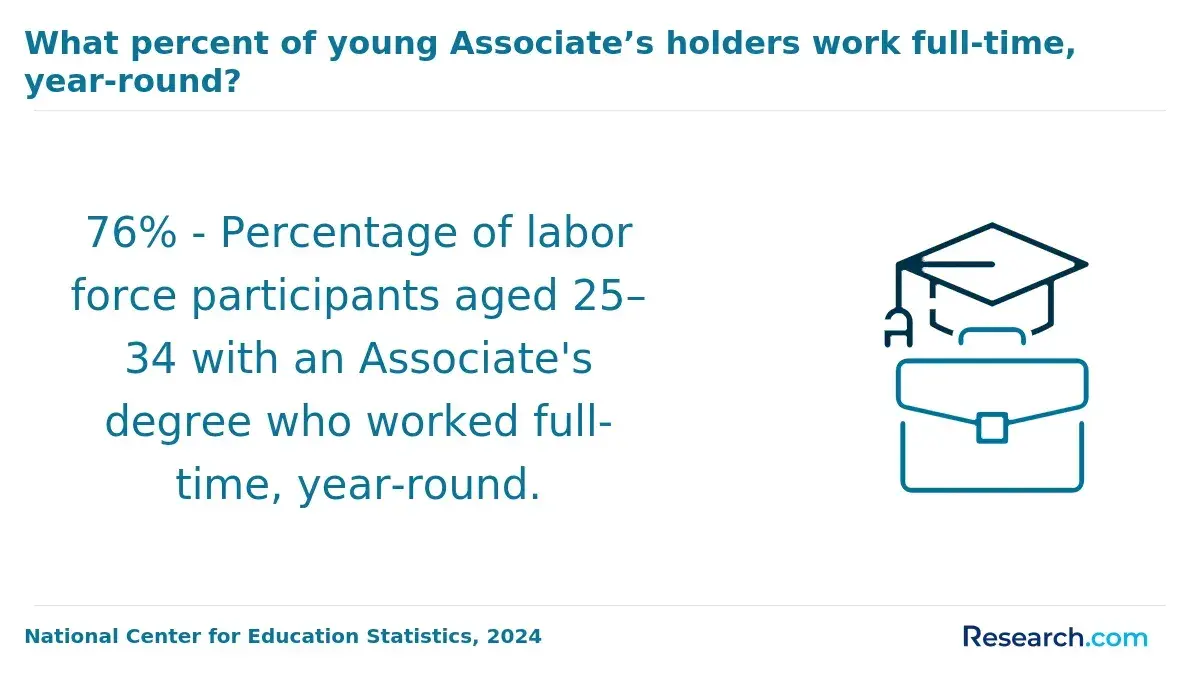
Applicants must also navigate background checks and document verification, steps that can delay enrollment and complicate timing for those wanting swift workforce entry. Transfer students face the added challenge of aligning course equivalencies to avoid redundant credits, which impacts both cost and duration of study. Adult learners benefit from programs minimizing standardized testing and administrative burdens, smoothing entry into criminal justice careers.
Given the average federal criminal investigator salary nearing $100,000, these admission and credentialing nuances have real economic consequences. Prospective students should weigh academic demands against practical experience and institutional flexibility to optimize their pathway-not all programs equally translate into career advancement. Planning for these frictions upfront reduces surprises and aligns educational choices with workforce realities.
How long does a criminal justice degree take?
Completing a criminal justice degree involves a strategic balance between duration, credential level, and workforce readiness. Associate degrees typically span two years, offering entry points into roles such as correctional officers but generally limiting upward mobility in investigative or forensic fields.
Bachelor's degrees require roughly four years of full-time study and are essential for most forensic and supervisory positions, including crime scene investigators (CSIs). CSIs, for instance, usually need a focused forensic science curriculum combined with practical lab and fieldwork-this investment aligns with a median salary near $67,440, reflecting stronger employer preference for comprehensive training over faster but less in-depth pathways.
For career changers and working adults, degree timelines often expand due to necessary internships or practicums required in authentic law enforcement or lab environments. Transfer credits can reduce total study time, but coordinating placements frequently delays completion beyond academic terms.
Key factors affecting time-to-degree and employability include:
- Program accreditation and its impact on employer acceptance.
- The availability and scheduling flexibility of practicum or internship components.
- The scope and depth of forensic or investigative training versus quicker, generalized programs.
Ultimately, deciding between shorter programs and extensive, experience-rich degrees directly affects job market positioning and future career options within criminal justice fields.
How much does a criminal justice degree cost?
Choosing a criminal justice degree requires balancing cost, timing, and career prospects with precise attention to individual circumstances. Public in-state tuition averages around $7,500 annually, while private colleges often charge between $25,000 and $40,000, pushing some students to consider part-time or online formats to manage expenses without sacrificing income. For example, a professional shifting careers over three years might opt for evening classes, accepting longer completion in exchange for steady earnings, a pragmatic tradeoff given the overall financial impact.
Beyond tuition, fees and materials must be budgeted, alongside potential lost wages during full-time study. Employer tuition assistance and financial aid can reduce net costs, but students should scrutinize these options carefully. Paralegals with criminal justice-related degrees report median salaries near $61,010, offering moderate debt repayment capacity-but higher private school costs do not guarantee superior salary outcomes.
Prospective students aiming for public-sector or paralegal roles benefit more from accredited programs emphasizing hands-on experience and professional networks than from costly degrees with unclear career alignment. This approach helps manage financial risk while focusing on actual labor market value and local demand.
What salaries do criminal justice graduates earn?
Salary outcomes for criminal justice graduates vary significantly depending on job function, sector, and location, requiring careful evaluation of career options relative to personal and financial priorities. Correctional officers average around $58,000 annually, presenting a baseline for roles related to probation, parole, and community supervision. Entry-level positions in public probation or juvenile justice agencies typically offer $40,000 to $50,000, constrained by public funding and union scales, which may necessitate balancing income needs with job stability and mission-driven work.
More specialized enforcement roles, including federal agents or detectives, can earn between $60,000 and $90,000, influenced heavily by experience and advanced credentials. Supervisory roles in corrections often exceed $70,000 but demand longer service or additional education. Graduates should factor in geographic cost-of-living differences and potential delays caused by licensure or certification requirements that impact initial earnings and advancement timelines.
Strategically developing crossover skills-such as data analysis or victim advocacy-can enhance employability and salary prospects but typically require supplemental certifications beyond a basic criminal justice degree. Understanding these dynamics sharpens decision-making for students weighing education investments against the practical realities of workforce demand and job market saturation in the criminal justice sector.
What certifications or licenses may criminal justice careers require?
Licensure and certifications decisively shape employability and career trajectories within criminal justice roles. For law enforcement officers, state peace officer certification mandates completion of police academy training, combining physical rigor and legal expertise. Failure to maintain continuing education risks job stability or advancement. Investigators in federal or specialized units confront additional requirements like federal security clearances and credentials in forensic or digital evidence processing, which involve ongoing background reviews.
Corrections and probation officers face distinct certification pathways aligned with state standards or specialized counseling qualifications. Probation officers often require skills crossing both supervision and mental health domains. Meanwhile, private sector roles demand advanced credentials like Certified Protection Professional (CPP) or Certified Fraud Examiner (CFE), which entail documented experience and exam passage.
Students must weigh these credentialing demands against time and financial investment. Pursuing certifications such as forensic accounting can extend education timelines by years and add thousands in fees, yet correlate with salaries surpassing $90,000 annually, per Concordia University St. Paul's analysis of U.S. Bureau of Labor Statistics data. One practical implication arises when conditional hiring allows employment before certification completion-this tradeoff affects negotiation leverage and job flexibility.
Aligning educational pathways with required certifications early reduces hiring delays and enhances competitiveness. Failure to match credentials with employer expectations risks prolonged job searches or stalled advancement.
Other Things You Should Know About Criminal Justice
Practical experience through internships or fieldwork is essential in criminal justice programs because employers prioritize candidates with applied skills over theory alone. Programs that integrate hands-on placements or simulated environments better prepare students for real-world challenges. Without such experience, graduates risk entering a competitive job market lacking critical situational awareness, which can delay career progress and reduce initial earning potential.
Mid-career changers often face the challenge of balancing program workload with existing job and personal responsibilities, as criminal justice degrees typically require substantial reading, research, and skill development. Additionally, some employers prefer candidates with continuous experience in law enforcement or legal environments, making entry-level roles more competitive for those without prior background. Prioritizing programs with flexible pacing and strong career services can mitigate these challenges.
Criminal justice degrees differ in their scope and focus, impacting preparation for advancement in service-oriented roles. Degrees with experiential learning, specialized courses, and robust networking opportunities better equip graduates to pursue career growth in fields like law enforcement, corrections, or community service in 2027.
Service-minded students should evaluate programs based on graduate employment rates in service roles such as social work or victim advocacy rather than solely law enforcement placement rates. Understanding how curricula address community engagement and ethical considerations is crucial to ensuring alignment with personal values and practical job opportunities. Programs that emphasize interpersonal skills and policy knowledge offer better preparation for sustainable service careers within the criminal justice system.
References
- Criminal Justice Jobs: 11 Careers You Can Pursue With a Criminal Justice Degree | PLNU https://www.pointloma.edu/resources/accelerated-undergraduate/criminal-justice-jobs-11-careers-you-can-pursue-criminal
- Explore Bachelor's Degree in Criminal Justice | All Criminal Justice Schools https://www.allcriminaljusticeschools.com/criminal-justice/criminal-justice-bachelors-degree/
- Accreditation for Criminal Justice Colleges and Universities https://criminaljusticeonlineblog.com/10/accreditation-for-criminal-justice-colleges-and-universities/
- Difference between Hybrid, Online & In-Class Degree Programmes | BSBI https://www.berlinsbi.com/blog/what-is-the-difference-between-hybrid-online-and-in-class-degree-programmes
- Types of Criminal Justice Careers https://www.criminaljusticeprograms.com/criminal-justice-careers/
- Online Bachelor’s Degree in Criminal Justice https://www.monroeu.edu/academics/undergraduate-programs/school-criminal-justice/online-bachelors-degree-criminal-justice
- Criminal Justice Salary - How Much Can I Make With a Criminal Justice Degree? - Grace Christian University https://gracechristian.edu/blog/criminal-justice-salary/
- Careers for a Criminal Justice Certificate - Lakewood University https://lakewood.edu/careers-for-a-criminal-justice-certificate/
- Know the Difference Between In-Person, Online, Virtual & Hybrid Classes https://www.pima.edu/news/announcements/general-announcements/types-of-classes.html
- Law enforcement accreditation: Why it matters https://apbweb.com/2026/03/law-enforcement-accreditation-why-it-matters/