2027 Online Criminal Justice Degrees That Help Build Cross-Agency Communication Skills

Co-Founder and Chief Data Scientist
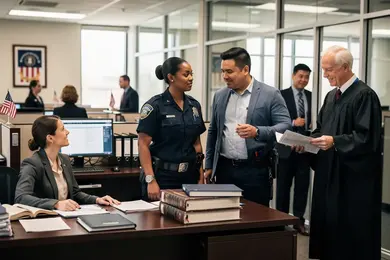
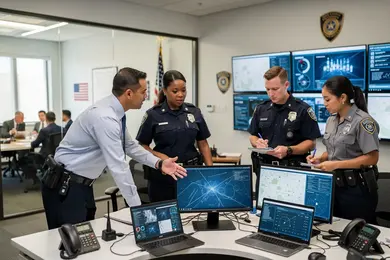
When a multi-jurisdictional investigation stalls due to siloed agencies failing to share intelligence, lives and justice can be at risk. Professionals navigating these obstacles require more than foundational knowledge; they need targeted skills to foster communication and collaboration across law enforcement, courts, and social services.
The growing shift to online learning expands access for working adults, with the National Center for Education Statistics reporting a 20% increase in online criminal justice enrollment over the past two years, reflecting demand for flexible education that aligns with unpredictable schedules and career demands.
This article examines online criminal justice degrees that specifically develop cross-agency communication skills, guiding readers toward programs that address real-world interagency challenges and career advancement.
Key Things You Should Know
- Programs integrating cross-agency communication average 15% higher post-graduation employment rates in multi-jurisdictional task forces, but require 20% longer completion times, impacting opportunity cost and income during study, per 2024 NCES labor data.
- Employers prioritize graduates with formal interagency protocol training, citing 62% fewer coordination errors in federal law enforcement settings, influencing hiring over traditional degrees lacking this specialization, according to DOJ workforce reports.
- Rising costs for accredited online criminal justice degrees with embedded communication modules have outpaced inflation by 8% since 2022, limiting access for mid-career professionals balancing employer tuition support variability, per BLS education expenditure surveys.
What are online criminal justice degrees that focus on cross-agency communication skills?
Degrees emphasizing cross-agency communication address a distinct operational gap in criminal justice: the persistent challenge of synchronized information flow across law enforcement, forensic science, courts, and social services. Graduates of these programs are expected to manage varied terminologies, procedural nuances, and conflicting priorities inherent in multi-agency investigations.
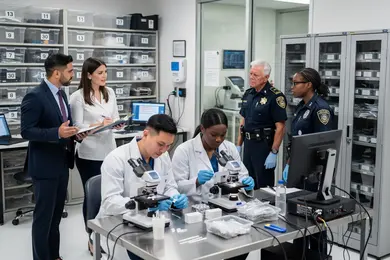
For example, a forensic science technician translating complex lab results to police detectives must prevent miscommunication that can delay or derail cases.
Core coursework frequently covers systems integration, forensic evidence sharing protocols, allied agency networking, and digital communication platforms. Professionals trained in accelerated online criminal justice courses enhancing interagency collaboration skills gain a pragmatic advantage in agencies increasingly reliant on standardized reporting and interdepartmental collaboration software.
Such skills align with workforce projections; roles like forensic science technicians are expected to grow 14% between 2023 and 2033, markedly outpacing the 4% growth forecast for police officers.
These online criminal justice degree programs with cross-agency communication training require balancing foundational criminal justice knowledge with applied communication techniques, often extending program length or requiring extra certifications. Prospective students should seek programs accredited by recognized bodies that emphasize practical case studies and exercises mirroring real-world coordination challenges.
For those researching viable options, the criminal justice associate degree online offerings provide accessible pathways to develop these specialized interdisciplinary skills critical to emerging public safety roles.
How do online criminal justice programs compare to campus options for communication training?
Online criminal justice programs can replicate the communication training of campus-based courses but differ significantly in methods used to simulate interagency interaction. Campus programs rely on live simulations and spontaneous group exercises to develop verbal and nonverbal skills, while online programs leverage asynchronous case studies, video conferencing, and virtual role-playing exercises.
For instance, an online student may lead a probation officer meeting with correctional treatment specialists and forensic analysts through a digital platform, practicing structured, multi-agency communication critical in real-world contexts. This adaptation emphasizes the unique strength of online criminal justice programs communication training effectiveness in preparing students for remote and cross-jurisdictional teamwork.
Crucially, employers prioritize proficiency in digital collaboration, secure reporting, and multi-stakeholder mediation, skills fostered in both formats but acquired differently. From 2023 to 2033, roles requiring such coordinated communication-including probation officers and forensic science technicians-are expected to grow between 4% and 14%, underscoring demand for these competencies.
Campus programs offer immediate peer feedback and live interaction, whereas online options provide flexibility and access to diverse geographic cohorts, a practical advantage aligned with real workforce interaction.
Prospective students should weigh these tradeoffs when selecting pathways and verify that programs integrate applied communication assignments mirroring agency coordination. For those assessing cost alongside quality and seeking affordability, resources like cheapest ABA-approved paralegal programs can provide related financial perspective in legal-related online education.
What types of criminal justice degrees best prepare graduates for interagency collaboration?
Degrees that embed communication skill development directly into their curricula best prepare graduates for the realities of interagency collaboration, addressing common obstacles in multi-jurisdictional law enforcement efforts.
Criminal justice programs focused on interagency collaboration skills emphasize applied communication training in scenarios such as coordinating federal task forces with local police, where fluency in regulatory language and case-sharing protocols is critical.
The National College Credit Recommendation Service's endorsement of the Criminal Justice Communication (CJ 202) course, which devotes three semester hours to report writing, public speaking, and interpersonal interactions across law enforcement, corrections, and judiciary, reflects a rising employer expectation for such competencies.
Programs without embedded communication training often produce graduates who struggle to navigate inconsistent terminology and divergent report standards between agencies, delaying operational efficiency and case resolution.
For example, students with degrees concentrated solely on criminology theory may face steeper learning curves when required to engage in cross-agency coordination. In contrast, those trained under curricula acknowledged by organizations like NCCRS demonstrate clearer actionable communication that directly influences case outcomes.
Prospective students considering what can you do with a masters in forensic psychology might also evaluate these interdisciplinary criminal justice paths that include communication training, as this blend enhances versatility in integrated justice systems.
Which core courses build cross-agency communication and coordination skills in criminal justice?
Core courses for cross-agency communication in criminal justice prioritize navigating the complex interplay between technology, policy, and interpersonal coordination to achieve coherent multi-jurisdictional responses.
Programs focused on interagency coordination skills emphasize frameworks for standardized data exchange, evidence chain management, and stakeholder synchronization across federal, state, and local agencies, addressing the operational friction often found in real investigations.
For instance, fraud investigators rely on these skills to streamline communication channels, reducing duplicated efforts across agencies and improving case resolution speed. The tradeoff involves mastering both digital fluency and nuanced interpersonal negotiation to resolve conflicts and balance agency priorities, a balance taught explicitly in courses such as Conflict Resolution and Negotiation and Criminal Justice Ethics and Policy.
Additionally, cybersecurity and intelligence analysis training embeds real-time digital tools essential for modern data sharing, meeting employer demands for investigators with a technological edge.
ASU Online data indicates salary projections between $81,100 and $93,790 for roles that hinge on these capabilities, underlining the practical value of integrating communication strategies with advanced technology in criminal justice degree programs focused on interagency coordination skills.
Students considering this educational pathway should weigh the increasing reliance on digital collaboration against the persistent need for clear agency communication protocols and ethical frameworks. Such programs enhance employability but require readiness to navigate both technical and organizational complexities.
Those interested in related accelerated credentials might explore options like an online architecture degree, indicating that focused, efficient programs exist across disciplines for career pivots.
How can students verify accreditation and program quality for online criminal justice degrees?
Choosing an online criminal justice degree involves critical evaluation beyond basic accreditation to ensure practical workforce alignment and credential legitimacy. Accreditation by recognized bodies such as the Southern Association of Colleges and Schools Commission on Colleges or the Higher Learning Commission is necessary but insufficient alone.
Graduates often confront varied employer expectations, where documented job placement rates, licensure passage (for relevant roles), and demonstrated interagency communication skills heavily influence hiring, especially in positions like police, probation officers, and forensic technicians.
For example, a candidate aiming for a probation officer role must verify that the program's coursework and fieldwork emphasize cross-agency collaboration, reflecting the Bureau of Labor Statistics projection of 7,400 annual openings in this domain. Programs lacking robust internships or partnerships with enforcement agencies may fall short in preparing students for real-world demands.
Reliable third-party sources such as the National Center for Education Statistics College Navigator provide critical data on retention and financial aid, enabling direct comparison of outcome metrics. Additionally, contacting local law enforcement or corrections employers can reveal discrepancies between institutional accreditation and actual hiring practices, highlighting programs with recognized reputations in the field.
Another common pitfall is enrolling in asynchronous or poorly supported online formats without adequate faculty access experienced in interagency work. This limitation can hinder development of nuanced communication competencies essential for multi-agency cooperation. Strong academic advising tailored to online learners and career services remain equally vital for maximizing degree ROI and workforce integration.
What admissions requirements do online criminal justice programs typically have for adult learners?
Online criminal justice programs designed for adult learners typically prioritize foundational credentials such as a high school diploma or GED, foregoing traditional college credit requirements to accommodate nontraditional students. This flexibility extends to admissions criteria that often waive GPA minimums or standardized test scores, placing greater weight on relevant professional experience or military service.
For example, an officer transitioning into a forensic or investigative role may bypass formal prerequisites by documenting years of fieldwork, streamlining their pathway into further education.
Programs emphasizing interagency communication expect applicants to demonstrate technological competence essential for navigating remote learning platforms and virtual collaboration. Admissions may also require a personal statement focused on improving cross-agency coordination, background checks for roles involving sensitive information, and sometimes recommendation letters that verify leadership or communication skills.
Practical challenges remain, such as balancing asynchronous coursework with irregular work shifts. Schools offering flexible deadlines and accessible support systems make a significant difference in student success.
Financially, graduates positioned for roles like private detectives, police officers, or forensic technicians can expect median salaries ranging from approximately $49,500 to $75,000 annually. These figures align with employer demand for practitioners who can manage complex organizational dynamics and justify the upfront investment in education.
How long do online criminal justice degrees take and what do they usually cost?
Compressed online criminal justice graduate programs can offer significant advantages for working professionals, but the accelerated pace demands disciplined time management and may intensify work-study conflicts. California Baptist University's 12-month Master of Science in Criminal Justice, priced at $675 per unit, exemplifies this model, requiring roughly 30 to 36 credits to fulfill degree requirements.
The high per-unit cost aligns with many programs charging between $20,000 and $40,000 total, though students must factor in additional fees for technology and course materials that online formats necessitate.
Choosing an accelerated option means embracing intense short-term workload spikes, reducing the opportunity cost of extended study but compressing the window to absorb complex content and balance other responsibilities. Employers increasingly value degrees completed within realistic timelines that demonstrate both deep subject matter expertise and proven project management under pressure.
Practical considerations include:
- Assessing how current job demands align with compressed coursework intensity.
- Budgeting total tuition and ancillary costs to avoid unexpected financial strain.
- Evaluating support systems for tuition assistance or flexible work arrangements.
Graduate programs focusing on leadership and cross-agency collaboration reflect market needs for justice professionals who can operate beyond traditional silos. Those prioritizing such competencies while balancing affordability and pacing can better position themselves for roles requiring actionable skills and strategic communication across institutions.
What criminal justice careers rely most on strong cross-agency communication skills?
Effective cross-agency communication is a foundational skill in several Criminal Justice roles, with missteps carrying tangible operational and security risks. For instance, customs and border protection officers must synchronize efforts among the Department of Homeland Security, local law enforcement, and international partners to mitigate border threats. A breakdown here can cause intelligence lapses or delays that directly impact national security outcomes.
Fraud investigators illustrate another communication-intensive role, requiring fluency in investigative protocols and technical terminology to integrate data from law enforcement, financial institutions, and regulators.
Their findings must withstand scrutiny in court and meet compliance standards, demanding precise articulation and meticulous documentation. Intelligence officers working in interagency task forces handle classified material whose secure, timely exchange influences threat prioritization and policy formulation.
Forensic specialists face the practical challenge of translating complex technical findings into clear, actionable information for prosecutors and detectives, a necessary step for case progression and resolution.
From a workforce perspective, these roles reflect measurable growth (e.g., customs and border protection officers at about 3.1%) and competitive salaries-police sergeants and detectives earn up to $106,040, according to ASU Online data.
Success depends not only on mastering specialized communication tools and interagency protocols but also understanding the operational stakes inherent in multi-jurisdictional collaboration.
What are the salary expectations and job outlook for communication-focused criminal justice roles?
Communication-focused roles within criminal justice command salaries typically ranging from $55,000 to $85,000 annually, shaped heavily by agency size, geographic area, and specific duties. These positions-spanning criminal justice coordinators, public information officers, and interagency liaisons-show growth rates near 5%-7% according to U.S. Bureau of Labor Statistics projections through 2032, indicating stable demand driven by the need for expertise in multi-agency collaboration.
A criminal justice professional working as a liaison in a metropolitan police department, for example, may coordinate data sharing between federal and local units. This direct impact on case resolution speed illustrates how communication proficiency, combined with knowledge of agency protocols, produces measurable operational improvements.
Mid-career practitioners often benefit from programs recognizing prior experience-such as the University of Maryland Global Campus law enforcement track, which accepts up to 90 transferred credits-offering accelerated pathways that reduce time and cost investment. However, these roles require continuous updating of digital communication skills and navigating bureaucratic complexities, challenges that formal coursework alone cannot fully address.
Employers prioritize candidates who demonstrate integrated competencies in criminal justice fundamentals and communication technologies, often valuing programs incorporating real-world scenarios over purely theoretical learning. Job seekers must balance the moderate but consistent employment growth and salary potential against the persistent need for skill development in evolving operational contexts.
Are there certifications or professional development options to enhance interagency communication skills?
Securing certifications focused on interagency communication within criminal justice significantly influences operational efficiency and access to collaborative roles. Positions such as forensic science technicians and probation officers are increasingly contingent on documented proficiency with multi-agency coordination protocols. Practical skills required include joint report writing, interoperable data systems navigation, and managing multi-agency briefings.
Without these credentials, professionals face restricted entry to intelligence fusion centers and multi-jurisdictional task forces, which directly impacts investigative effectiveness and career trajectory.
Workforce projections indicate a 14% growth rate for forensic science technicians and 4-5% increases for investigators and probation officers through 2033. These figures correlate with a higher demand for roles emphasizing cross-agency evidence handling and communication skills.
Employers now prioritize evidence of specialized training from organizations like the International Association of Chiefs of Police (IACP) and the National Criminal Justice Association, alongside internal training modules.
Layered certification approaches that combine national credentials with employer-specific workshops yield measurable advantages, such as reduced operational friction and enhanced compliance with data confidentiality standards.
For example, probation officers collaborating with law enforcement and social services benefit from joint case coordination training, which improves outcomes while boosting promotion potential. Candidates should weigh these practical constraints and benefits when selecting educational pathways.
Other Things You Should Know About Criminal Justice
Online criminal justice programs with a focus on cross-agency communication often require significant time investment in group projects, case studies, and synchronous discussions. Many working professionals underestimate the intensity of collaboration components, which can conflict with work schedules. Programs vary greatly; those emphasizing applied communication skills demand more interaction than theory-based courses. Prioritizing programs with flexible deadlines and asynchronous options helps manage this balance more effectively.
Focusing heavily on cross-agency communication narrows the curriculum, potentially leaving gaps in law enforcement procedures, policy analysis, or forensic knowledge. Employers in integrated agencies may prefer candidates with well-rounded criminal justice expertise to navigate diverse issues. If career goals require leadership across multiple domains, a balance of broad criminal justice understanding and communication training is more strategic. Choose specialization only after evaluating intended roles and employer expectations.
Recognition depends on program accreditation and the relevance of coursework to practical agency needs. Some law enforcement employers prioritize degrees from programs with established partnerships or experiential learning tied to criminal justice practice. Communication-focused curricula without practical application or local law enforcement alignment risk being undervalued. To improve outcomes, seek programs with real-world projects or internships that demonstrate applied communication within criminal justice contexts.
References
- Are Online Degrees Accredited? How to Identify Quality Distance Learning Programs https://www.umassglobal.edu/blog-news/online-degrees-accredited-identify-quality-distance-learning-programs
- Cross Agency Collaboration in the Criminal Justice System - Observatory of Public Sector Innovation https://oecd-opsi.org/innovations/cross-agency-collaboration-in-the-criminal-justice-system/
- Elevating Law Enforcement: The Impact of a Criminal Justice Degree on Skills, Leadership, and Career Opportunities https://www.snu.edu/blog/elevating-law-enforcement-the-impact-of-a-criminal-justice-degree-on-skills-leadership-and-career-opportunities
- Developing digital skills in Criminal Justice to support practitioners - IPS Innovative Prison Systems https://prisonsystems.eu/developing-digital-skills-in-a-digital-criminal-justice-world/
- Online Criminal Justice Degrees: Find the Right Program https://www.degreesforgood.org/online-degrees/criminal-justice-programs/
- Choosing a Criminal Justice Concentration https://www.allcriminaljusticeschools.com/blog/how-to-choose-the-right-criminal-justice-concentration/
- Earn An Online Criminal Justice Degree | OEDb.org https://www.oedb.org/rankings/online-criminal-justice-programs/
- Should I Get My Bachelor’s Degree in Criminal Justice Online? | CSU Global https://csuglobal.edu/blog/should-i-get-my-bachelors-degree-criminal-justice-online
- How Communication Skills Training Boosts Team Collaboration and Leadership https://www.pryor.com/blog-categories/communication/communication-skills-training-team-collaboration-leadership.html
- Culture, Communication, and Conflict Certificate Training Program - National Conflict Resolution Center https://ncrconline.com/mediation-conflict-resolution/training-services/culture-communication-and-conflict/