2027 Online Criminal Justice Degrees for Students Re-entering College

Co-Founder and Chief Data Scientist
Returning to college amid full-time work, family obligations, or prior academic interruptions creates substantial barriers for those aiming to enter or advance within criminal justice careers. Employers increasingly seek candidates with verifiable credentials but expect flexible schedules and relevant experience.
Data from the National Center for Education Statistics show adult learner enrollment in online degree programs increased nearly 7% between 2022 and 2024, signaling a shift toward accommodating nontraditional students through remote learning. This trend underscores the need to evaluate program formats critically against evolving workforce demands and individual constraints.
This article examines online criminal justice degrees tailored to returning students, focusing on accessibility, program rigor, and career outcomes to guide effective educational choices.
Key Things You Should Know
- Re-entry students face a 25% longer average degree completion time in online criminal justice programs versus traditional paths, raising total tuition and opportunity costs according to 2024 NCES data.
- Employers increasingly prioritize internships and practical experience within online curricula, with 62% of law enforcement agencies reporting reluctance to hire graduates lacking demonstrable fieldwork, as per a 2024 Bureau of Labor Statistics survey.
- State-by-state certification incompatibilities impose additional credentialing delays post-graduation, complicating workforce entry despite degree attainment, a critical factor for students balancing re-entry and career transitions identified in the 2024 Justice Policy Institute report.
What are online criminal justice degrees and how do they work for returning students?
Online criminal justice degree programs for returning students offer essential flexibility but require careful planning to align with workforce demands and real-life constraints. Mid-career professionals balancing employment and family benefit from asynchronous learning, which allows them to maintain a job while pursuing education.
However, practical elements such as ride-alongs or field exercises in law enforcement necessitate local coordination, often limiting fully remote experiences and imposing scheduling challenges.
Programs that integrate interactive simulations and virtual internships address some gaps in hands-on training, though these alternatives vary widely in quality and employer recognition. Returning students must prioritize programs that establish clear connections to employers and provide pathways for validated experiential learning, which enhances both skill application and job market relevance.
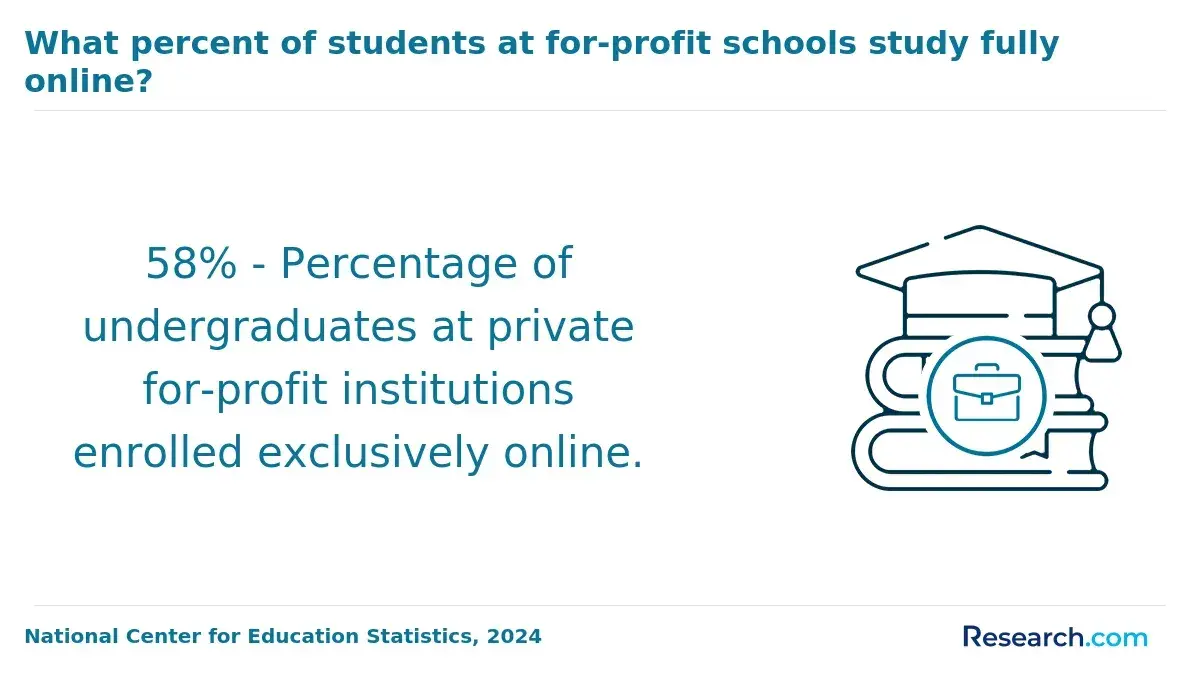
The 2024 National Center for Education Statistics found a majority of criminal justice students engage in online formats, reflecting growing acceptance in the field. Yet, success depends heavily on disciplined time management, digital literacy, and self-motivation, especially for adults re-entering academia after a hiatus. Employers increasingly combine verification of degree completion with professional certifications and field experience when evaluating candidates.
For those evaluating online criminal justice degrees, understanding local credentialing requirements and career outcomes is key to maximizing return on investment. For example, assessing specialized roles such as an FBI criminal profiler salary trajectories can inform realistic expectations and educational choices tailored to workforce realities.
Are online criminal justice degrees respected and properly accredited in the United States?
Accreditation remains the definitive gateway for online criminal justice degrees in the United States with proper accreditation to be recognized by law enforcement agencies and federal employers. Agencies such as state police and the FBI routinely exclude candidates whose degrees stem from non-accredited programs, maintaining stringent educational prerequisites to ensure workforce quality and legal compliance.
In contrast, some private security or correctional roles may show limited flexibility but still prioritize candidates from respected accredited online criminal justice programs across the United States to mitigate risks and enhance professional standards.
Students must verify accreditation through recognized bodies like the U.S. Department of Education or the Council for Higher Education Accreditation, with particular weight given to specialized endorsements such as those by the Academy of Criminal Justice Sciences (ACJS). This influences curriculum quality and alignment with workforce expectations.
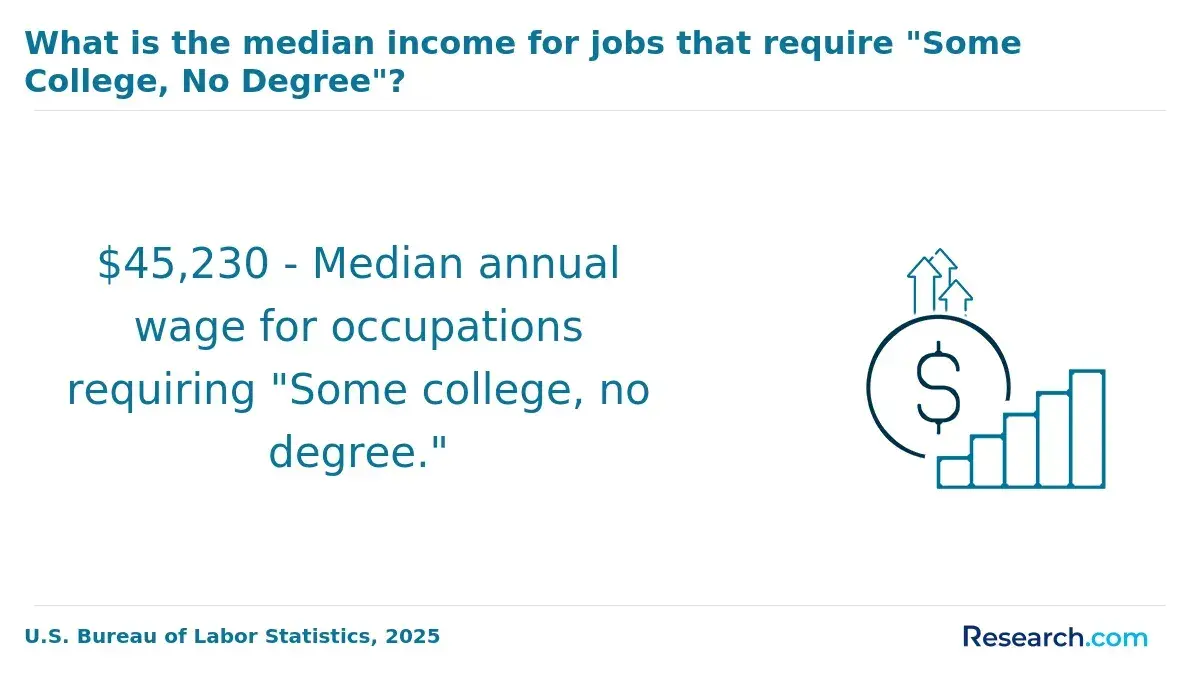
Graduates with accredited degrees benefit from measurable returns, as evidenced by 2019 data showing that 25-29-year-olds holding bachelor's degrees in criminal justice and fire protection earned median annual incomes of $45,410 with a notably low civilian unemployment rate of 1.8%.
The acceptance of online degrees varies by jurisdiction and employer conservatism, meaning candidates should research target organizations carefully before enrollment. This strategic approach addresses differing preferences between established residential programs and accredited online options. For those interested in complementary pathways relevant to criminal justice, exploring careers in forensic science may provide additional practical routes into the field.
How does studying criminal justice online compare with attending campus-based programs?
Choosing between campus versus online criminal justice program comparison involves balancing cost, flexibility, and practical skill acquisition. Online criminal justice degree benefits for re-entry students are clear in affordability and scheduling: the average annual tuition for online social science bachelor's degrees, including criminal justice, is approximately $13,676 in 2024, considerably less than many campus-based options. This enables working adults or caregivers to pursue education without relocating or interrupting employment.
However, online programs often lack the immersive, hands-on training integral to some criminal justice careers. Campus-based programs typically offer access to simulated labs, group projects, and direct networking opportunities that facilitate experiential learning essential in areas like courtroom procedure and conflict resolution.
Conversely, online students must compensate through internships, volunteer roles, or part-time work, especially in applied fields like probation or corrections.
Employers accept accredited online degrees when candidates supplement coursework with relevant practical experience. For instance, a professional transitioning into law enforcement may enroll online but strategically secure local field placements to fulfill real-world competencies.
This tradeoff means that prospective students should critically analyze their learning preferences, financial limits, and professional goals. Some may benefit from exploring related disciplines, including forensic psychology, by understanding what can you do with a forensic psychology degree, which intersects with criminal justice environments offering alternative career pathways.
What types of criminal justice degrees can adult learners earn fully online?
Adult learners pursuing fully online criminal justice degree programs for adult learners face clear tradeoffs depending on their educational goals and career intentions. Associate degrees typically provide foundational knowledge suitable for entry-level security or law enforcement roles but lack the specialization and advancement prospects of higher degrees.
Bachelor's programs, which can include accelerated formats cutting completion time by up to 50%, position graduates for supervisory or specialized fields such as cybercrime investigation, although these areas may demand prior technical skills that can challenge some students.
Master's level study offers deeper analysis in areas like policy, criminology, and leadership, valuable for roles in management and criminal justice analytics, but often requires balancing work commitments and intensive study. Fully online criminal justice degrees for returning students also necessitate strong self-discipline and proactive strategies to compensate for limited in-person practical experiences like internships or courtroom observations, which can crucially influence employability.
Employment outcomes vary substantially by degree level and specialization, with federal agencies and supervisory employers favoring bachelor's and master's holders who supplement academics with real-world experience. Candidates should rigorously assess accreditation and curriculum relevance to avoid misalignment with evolving workforce demands.
For those weighing education costs in parallel fields, resources on online bachelors in animal science offer useful cost comparisons.
What courses and skills are typically included in an online criminal justice curriculum?
Online criminal justice programs emphasize practical competencies, balancing theory with skills directly sought by law enforcement and investigative employers. Graduates often depend on coursework in criminology, criminal law, and ethics for foundational knowledge, but success hinges on mastering quantitative methods, such as research and statistics, that support evidence-based policing and program evaluation.
Specialized classes in forensic science and cybercrime respond to shifting workforce demands, where digital evidence and technical investigations are increasingly crucial. Communication skills, including report writing and conflict resolution, prepare students for the real-world pressures of documentation and negotiation. Tactical training in patrol and investigative procedures remains vital for those seeking detective or police roles.
Given wage disparities, detectives earning a median $91,100 annually versus $72,280 for police officers, the inclusion of advanced interview and case management techniques marks a critical inflection point for career progression. Online formats face challenges compensating for limited in-person experiential learning, necessitating virtual labs or realistic simulations to build job-ready skills, particularly for students balancing work and family.
Prospective students must weigh program offerings in instructor accessibility and law enforcement partnerships, as effective mentorship and internships improve employment outcomes. Strong self-management is essential to navigate rigorous curricula without direct supervision, making program structure and support a decisive factor in long-term success.
What admission requirements do online criminal justice programs have for re-entering students?
Admission to online criminal justice programs often hinges on a candidate's prior academic performance and relevant professional experience, with many institutions requiring a high school diploma or GED. Some admit based on demonstrated work history in law enforcement, bypassing formal education prerequisites.
Transfer credits are typically evaluated to shorten degree timelines, but GPA minimums, usually between 2.0 and 2.5, remain standard to ensure foundational competence. Selective programs may still ask for SAT or ACT scores if past academic records are insufficient or outdated.
Applicants must articulate their motivation and career goals through personal statements, giving context to their re-entry intentions. Letters of recommendation hold uneven weight but can enhance candidacy in competitive admissions. Work experience in public safety fields often compensates for academic gaps, reflecting employer emphasis on applied knowledge.
Disclosure of criminal records varies by institution and can affect eligibility; this is a meaningful consideration for returning students.
Cost efficiency is a defining feature of online degrees in this area. National University's range of $6,000 to $36,000 contrasts sharply with traditional programs costing up to $100,000. This price gap influences workforce re-entry decisions, enabling those balancing job and family obligations to pursue affordable, flexible credentials aligning with hiring expectations and timelines.
How long do online criminal justice degrees take and what do they cost?
Completing an online criminal justice degree requires balancing time, cost, and workforce impact, particularly for adults returning to education. Typically, associate degrees take about two years full-time, while bachelor's programs extend to four years. Part-time pacing can stretch bachelor's completion to five or six years. Accelerated associate programs exist but demand rigorous time management, often unrealistic for working students.
Tuition varies markedly. Public universities charge roughly $10,000 to $25,000 for online bachelor's programs, whereas private institutions exceed $40,000. Beyond sticker prices, students should anticipate additional expenses such as course materials and technology fees. Crucially, programs accepting prior learning credits or offering financial aid reduce time and cost burdens.
From a workforce perspective, delaying degree completion can hinder employment prospects. In 2019, about 219,000 adults aged 25-29 held bachelor's degrees in criminal justice and fire protection, reflecting a 56% rise since 2010. This growth intensifies competition, favoring candidates with finished credentials and relevant certificates.
Employers typically prefer fully credentialed applicants to those still enrolled, making realistic program timelines and support essential for career progression.
What criminal justice careers can an online degree prepare re-entering students to pursue?
Online criminal justice degrees serve as a foundational credential for various roles but do not guarantee direct entry into all positions without supplemental certifications or field experience.
For instance, probation officers must grasp legal principles and psychological dynamics beyond academic theory, while forensic analysts rely heavily on technical training that often includes simulated labs. Employers in federal agencies such as the FBI or DEA favor candidates who combine formal education with targeted certifications or demonstrable hands-on experience.
Advancement beyond entry-level roles typically demands deeper knowledge in areas like criminal law, ethics, and community relations—components crucial for supervisory positions where navigating complex social and regulatory challenges is routine. Notably, the increase of women to 55% enrollment in criminal justice programs may influence agency culture and recruitment approaches, signaling shifting workforce demographics.
Practical realities for re-entering students include mandatory certifications and fieldwork hours that many online programs cannot fulfill independently. Internships or part-time roles become essential for accumulating this experience.
Specializations in cybercrime or homeland security reflect emerging industry needs but require ongoing education to keep pace with technology and evolving threats. Balancing coursework with work commitments and hands-on training is a critical barrier that influences ultimate job readiness and competitive hiring outcomes.
What salary ranges and job outlook can graduates with online criminal justice degrees expect?
Graduates holding online criminal justice degrees face a nuanced labor market where entry-level salaries typically range from $40,000 to $55,000, with median wages near $60,000 for patrol officers. This segment is expanding modestly at about 3.3%, suggesting steady but competitive hiring environments particularly in urban and suburban areas.
Those seeking immediate workforce entry without a degree might access patrol roles quickly but often encounter slower salary growth and limited advancement.
Positions such as private detectives and investigators offer a contrasting trajectory. These have a 6.0% growth rate, and starting salaries generally between $50,000 and $65,000, with potential for $80,000+ as experience and specialization increase. However, these roles demand certifications, state licensure, and relevant work history, creating additional entry barriers beyond academic credentials.
Employers prioritize online criminal justice degrees when paired with internships, certifications like CJIS clearance, or forensic training, reinforcing the need for practical experience. Graduates should anticipate that federal or supervisory roles often require bachelor's or master's degrees combined with extensive background checks, extending the timeline before higher pay becomes attainable.
How can returning students choose a reputable online criminal justice program that fits their goals?
Programs unaccredited by recognized regional or national bodies risk limiting graduates' access to federal aid and employer recognition, which directly impacts workforce integration and career mobility in criminal justice.
Approximately 34.5% of professionals in this field hold bachelor's degrees, marking the credential as a baseline for many law enforcement and administrative roles. Employers increasingly value programs with transparent outcomes, such as a 70% placement rate within six months of graduation, over those lacking verifiable data.
When selecting a criminal justice degree, prioritize institutions that demonstrate practical learning opportunities, virtual simulations, internships, or agency partnerships, that bridge theory with real-world experience. Transfer policies matter for returning students aiming to reduce redundancy and accelerate degree completion without losing credit for prior coursework. Rigid credit acceptance can lengthen the timeline and elevate cost, diluting the investment's value.
Flexibility is a tangible factor in balancing ongoing employment and study; programs offering asynchronous formats and part-time options mitigate common scheduling conflicts faced by working adults. Outcome data should be cross-referenced with IPEDS or institutional reports to assess return on investment realistically.
Below are key considerations for students comparing programs:
- Accreditation status aligned with U.S. Department of Education or CHEA
- Graduate employment rates specific to career focus areas like law enforcement or cybersecurity
- Credit transferability policies for previous academic work
- Delivery mode flexibility (asynchronous/part-time availability)
Other Things You Should Know About Criminal Justice Degrees
Employer acceptance depends heavily on the program's accreditation and the institution's reputation. Degrees from regionally accredited schools are generally regarded equally, but graduates from lesser-known or nationally accredited programs may face skepticism. Returning students should prioritize programs with strong ties to law enforcement agencies or internship opportunities to strengthen practical experience alongside their degree.
Choosing a specialized concentration can offer a competitive advantage in niche fields such as cybercrime or forensic analysis, where technical skills are prized. However, broad degrees provide more flexible entry into multiple roles within the criminal justice system. Returning students need to assess their career goals carefully and select concentrations only if aligned with clear job market demand and existing experience.
Online programs often require on-site internships or practicums to meet educational standards, which can complicate logistics for returning students. Some schools help arrange local placements, but students must proactively verify availability and employer willingness in their area. Prioritizing programs with strong partnerships and support for internship placement is critical for gaining hands-on experience employers expect.
References
- Should You Get Your Master’s Degree in Criminal Justice Online? | CSU Global https://csuglobal.edu/blog/should-i-get-my-masters-degree-in-criminal-justice-online
- Why Transfer into Criminal Justice? | University of Bridgeport https://www.bridgeport.edu/news/transfer-into-online-criminal-justice-program/
- What do you learn in a bachelor's in criminal justice? | edX https://www.edx.org/resources/what-do-you-learn-in-a-bachelors-in-criminal-justice
- Earn An Online Criminal Justice Degree | OEDb.org https://www.oedb.org/rankings/online-criminal-justice-programs/
- 2025's Best Online Master’s Programs: Criminal Justice https://www.onlinemastersdegrees.org/best-programs/criminal-justice/
- Online Criminal Justice Degree & Career Information https://www.criminaljustice.com/online-degrees/
- 15 Best Online Bachelor's In Criminal Justice https://www.criminaljusticedegreeschools.com/rankings/best-online-bachelors/
- Online Criminal Justice Degrees: Find the Right Program https://www.degreesforgood.org/online-degrees/criminal-justice-programs/