2027 Best Online Criminal Justice Degrees for Career Changers Entering Investigations

Co-Founder and Chief Data Scientist
Transitioning into investigations within criminal justice often means balancing urgent career shifts with inflexible schedules and pending job market demands. Many aspirants face the barrier of limited access to tailored education that aligns with their experience and timing. Recent data from the National Center for Education Statistics reveals a 14% surge in adult enrollments in online criminal justice programs since 2023, signaling a response to this need for adaptable learning paths.
This trend illustrates how flexible program delivery addresses the critical mismatch between workforce demands and educational accessibility for mid-career changers aiming to gain investigative expertise swiftly. This article assesses the best online criminal justice degrees suited for such professionals, ensuring informed choices that optimize time, cost, and career outcomes.
Key Things You Should Know
- The 12% projected workforce growth in criminal justice investigations through 2032, per the U.S. Bureau of Labor Statistics, favors candidates with targeted investigative skills over generalist degrees, pressuring career changers to prioritize specialization despite longer program durations.
- Law enforcement agencies increasingly prefer candidates who combine criminal justice degrees with certifications in digital forensics or data analysis, reflecting the sector's shift toward tech-driven investigations, raising employer entry barriers beyond diploma acquisition.
- Programs averaging $15,000-$30,000 total cost and 18-24 months to completion create a tradeoff between accelerated entry and earning potential; delayed re-entry risks income loss but often yields better placement and promotion prospects.
What is an online criminal justice degree and how does it prepare you for investigations?
Online criminal justice degree benefits for investigations become evident when evaluating how they equip career changers with analytical tools tailored for investigative roles. Coursework integrates forensic science, criminology, law enforcement protocols, and ethics, framed for digital learning environments that balance flexibility with academic rigor. This appeals especially to professionals shifting from unrelated sectors, as it combines foundational theory with applied skills without traditional campus demands.
Programs preparing investigators emphasize critical capabilities such as dissecting case evidence, navigating legal statutes, and meeting procedural standards vital for law enforcement or private sector investigations. For instance, a corporate risk analyst entering this field might find value in cybersecurity-focused modules embedded in certain degrees, enhancing employability in fraud detection and compliance roles.
Practical training presents challenges, since hands-on experience often requires field exposure unavailable through purely online formats. Accredited online degrees address this gap via virtual simulations, detailed case studies, and partnerships offering regional internships. Students must proactively secure these opportunities to align with employer expectations emphasizing investigative competence strengthened by real-world experience.
Labor market data illustrate the financial incentive: protective-service occupations requiring bachelor-level criminal justice training report median wages near $88,000, almost double that of workers without specialized education. This underscores employer preferences for candidates demonstrating both education and investigative specialization, particularly in federal or corporate environments.
Choosing an online criminal justice degree involves balancing program reputation, experiential learning access, and alignment with investigative career goals. Those exploring the path should investigate options such as the cheapest online PhD in criminal justice to identify cost-effective yet credible programs supporting their professional objectives.
Are online criminal justice degrees credible and properly accredited for investigative careers?
Accreditation critically governs the credibility of online criminal justice degree programs for career changers, particularly those targeting investigative roles. Without approval from bodies recognized by the U.S. Department of Education or the Council for Higher Education Accreditation, degrees risk disqualification during employer background checks or advanced certification eligibility. This verification remains a decisive gatekeeper, especially within federal and state law enforcement hiring.
More than 70% of currently available online criminal justice programs prioritize working adults through asynchronous coursework and flexible scheduling, which helps those pursuing an investigative career pivot while maintaining employment. Yet practical training deficits persist; fully online formats often lack integrated field experience or internships, fundamental for investigative skill development. Students should investigate hybrid options or local partnerships to meet these experiential requirements.
Employer scrutiny extends beyond accreditation to curriculum quality. Programs that rigorously include legal procedures, ethics, and investigative techniques yield candidates with comparable employability to traditional graduates, particularly when combined with certifications like the Certified Criminal Investigator (CCI). Conversely, agencies with state licensing or federal mandates may demand in-person training that online-only degrees cannot fulfill.
Prospective students must verify accreditation and curriculum relevance, secure practical externships, and align their educational decisions with employer expectations. For those evaluating institutional costs in relation to market outcomes, references like paralegal salary data offer insight into complementary workforce opportunities and income benchmarks.
How do online criminal justice programs compare to campus-based options for aspiring investigators?
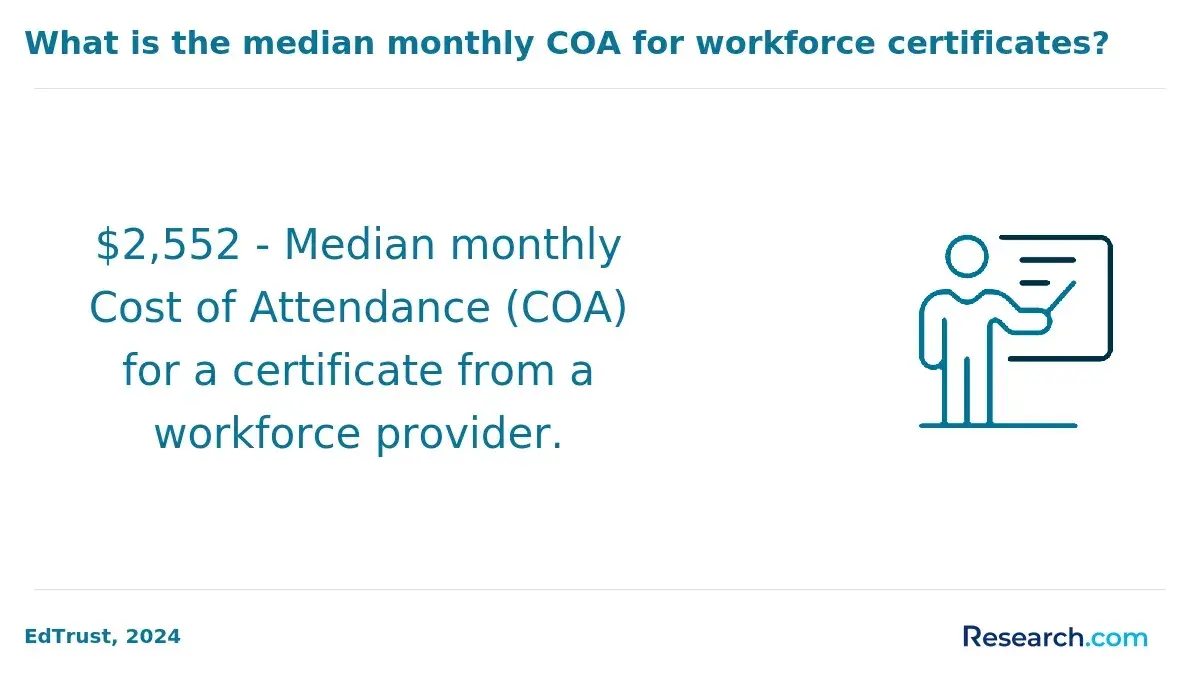
Comparing online criminal justice degrees vs campus programs for investigators reveals key operational differences affecting career outcomes. Online programs typically offer annual tuition between $7,000 and $9,000, undercutting the roughly $11,000 average for in-state public four-year colleges. This price advantage reduces financial exposure for career changers, though they must often self-navigate internship placements.
Conversely, campus options frequently integrate structured, on-site internships and labs that foster face-to-face networking-an asset in federal or specialized investigative hiring where traditional credentials and institutional reputation weigh heavily.
Flexibility and outcomes of online criminal justice education for career changers depend on program design and student initiative. Working adults transitioning from unrelated fields benefit from online curricula embedding virtual simulations and remote access to career services. However, this path demands proactive engagement to secure quality field experience, which is less directly facilitated than in campus environments.
Employers increasingly accept online degrees when paired with relevant certifications and experience, but some investigative roles still prioritize candidates with campus-based exposure. Career decisions thus hinge on factors such as access to internships, alumni networks, and practical training intensity.
For those assessing cost and flexibility alongside outcome effectiveness, exploring online forensic science degree options can provide additional insight into financially sensible paths within the investigative domain.
What prior education or experience do career changers need to enter investigative roles?
Career changers aiming for investigative roles face a baseline requirement of at least an associate's degree, preferably in criminal justice, forensic science, or a related discipline. Employers value candidates who pair formal education with relevant experience, such as law enforcement backgrounds, internships, or military service, which often accelerate qualification. Candidates without prior law enforcement experience should anticipate rigorous academy training after hiring.
Employment projections indicate a modest 3% growth for detectives and criminal investigators between 2024 and 2034, alongside about 6,400 annual openings primarily due to retirements and turnover. These figures emphasize the advantage of combining prior education requirements for career changers in criminal justice investigations with practical competencies to remain competitive in a field where demand favors well-prepared applicants.
Employers typically expect demonstrated skills in legal procedures, interview strategies, evidence handling, and critical thinking. Professionals transitioning from fields like social work or cybersecurity must often undertake supplemental training focused on investigative techniques and criminal law. For instance, a cybersecurity analyst moving toward digital forensics must supplement their knowledge with physical evidence protocols and testimony preparation.
Obtaining a bachelor's degree is frequently the most straightforward route, especially for those targeting federal investigative positions that demand higher academic credentials. Choosing programs featuring experiential learning, such as internships with law enforcement agencies, helps address gaps in investigative practice. Candidates also confront rigorous background checks and physical standards, which previous experience can help mitigate.
For veterans whose backgrounds intersect with technology, pursuing an online cyber security degree for veterans can align well with investigative career pivots. Ultimately, balancing relevant experience needed for entering criminal justice investigative roles with proper education shapes the fastest and most sustainable pathway into investigative careers.
What criminal justice majors and specializations best align with investigative career paths?
Opting for a criminal justice major that integrates specialized investigative training markedly improves readiness for roles requiring analytical precision combined with operational knowledge. Concentrations like forensic science, cybercrime investigations, and criminal investigations provide the technical foundation necessary for evidence handling, digital fraud detection, and casework demanding disciplinary depth.
Approximately one-third of federal investigative agents transition into their roles without prior law enforcement experience, frequently leveraging interdisciplinary criminal justice degrees, per FBIAgentEdu.org's 2025 profile. Programs that combine criminal law, behavioral science, and data analytics address this practical need by developing skills in suspect profiling, witness interviewing, and complex data interpretation.
Students should prioritize curricula that embed cooperative education or internship experiences, especially when targeting niche fields such as white-collar crime. Direct exposure to corporate fraud investigations is often a differentiator in a competitive job market characterized by high expectations for applied skills alongside academic credentials.
In contrast, traditional criminal justice degrees lacking focused investigative pathways or experiential components tend to delay entry into investigative roles and hamper career mobility. Valuable coursework integrates simulations, case analyses, and partnerships with enforcement agencies.
Finally, specializations incorporating emerging technologies like digital forensics, geographic profiling, and surveillance tools align more directly with evolving federal investigative demands, enhancing employability in a diversified applicant pool.
What core courses and skills will you learn in an online criminal justice investigations track?
Practical readiness in online criminal justice investigations programs hinges on mastering legal frameworks and investigative techniques that align with employer demands. Core courses in criminal law, evidence protocols, and ethical standards form a necessary foundation but only partially prepare students for the complexities of modern investigations.
Specialized study in cybercrime and digital forensics addresses a critical gap as incidents of data breaches and malware proliferate. For example, proficiency in network security combined with skills in malware analysis directly correlates to the projected 32% growth in information security analyst roles from 2024 to 2034, with median pay reaching $120,000 according to U.S. Bureau of Labor Statistics data cited by FBIAgentEdu.org. This sector represents a distinct opportunity but also demands technical adaptability and continuous learning.
Employers expect investigative professionals to apply critical thinking and analytical reasoning to complex datasets with minimal supervision. Real-world scenarios, such as tracing illicit financial transactions in fraud investigations, require synchronizing legal knowledge with software tools. Programs lacking integration of up-to-date digital tools or remote internship options risk leaving graduates underprepared for fast-paced, technology-driven environments.
Students evaluating programs should weigh curriculum relevance, practical experience availability, and alignment with certification standards to ensure marketable skills and immediate job competence in investigative roles.
How long do online criminal justice degrees take and what do they typically cost?
Completing an online criminal justice degree demands realistic planning around time and practical commitments rather than expecting a fixed duration. While a bachelor's typically spans 3 to 4 years, part-time learners balancing work or career transitions can extend this to 5 years or more. Accelerated tracks reduce time to about 2.5 years by leveraging year-round courses and prior learning credits, but these intense schedules often strain work-life balance.
Costs range widely-roughly $40,000 to $90,000 total, depending on public versus private tuition rates between $300 and $600 per credit hour. These figures exclude additional fees and specialized certification expenses, which can further increase financial burden.
Employability hinges on program rigor, especially accreditation and targeted coursework in fields like cybercrime, forensic science, or investigations. Approximately 95% of top-ranked online programs meet these standards, aligning graduates' skills with employer expectations for practical expertise beyond general criminal justice theory.
Prospective students should weigh how specialized coursework and required fieldwork affect program length and feasibility, as on-site internships or investigations tracks often necessitate in-person commitments.
- Maximizing prior credit transfers can cut costs and shorten degree completion.
- Intensive curricula may demand sacrifices in personal and professional time.
- Employers prioritize candidates demonstrating relevant, applied knowledge over general degrees.
What admission requirements and background checks apply to online criminal justice programs?
Entry into online criminal justice programs reflects a balance between academic accessibility and stringent professional requirements. Many applicants can accelerate degree completion by leveraging prior learning or relevant work experience, often accounting for up to 75% of credits through transfers or assessments.
However, this academic flexibility is counterweighted by mandatory background checks-including criminal history, sex offender registries, and sometimes drug screening-intended to align candidates with legal and ethical standards expected by employers in law enforcement and investigations.
These background assessments frequently require fingerprints and third-party authorization early in the admissions process, with failure potentially terminating applications or enrollment. Applicants with felony convictions, pending charges, or legal restrictions such as probation often face automatic disqualification or must explore alternative educational options.
This rigor is particularly salient for roles involving access to sensitive information or federal/state security clearances, where more extensive vetting applies.
Prospective students pivoting careers into criminal justice investigations must navigate these filters deliberately. For instance, passing academic requirements alone does not assure licensing eligibility or clearance for certain positions, underscoring the need to consult admissions counselors and review state licensing rules upfront. Prioritizing programs with transparent background policies and appeal mechanisms can mitigate risk and clarify realistic pathways.
What investigative jobs can you pursue with an online criminal justice degree?
Pursuing an online criminal justice degree positions candidates for investigative roles across government and private sectors, but the pathway is nuanced by employer expectations and practical skill demands. Entry-level federal investigator roles-such as FBI or DEA agents-require mastery of regulatory frameworks and evidence protocols typically addressed in curricula designed for professionals switching careers.
Advancement beyond entry positions often hinges on obtaining a master's degree, which correlates with a 22-28% salary increase and median earnings of $85,000 to $110,000 for intelligence analysts or federal investigators, according to Online U's 2025 data. Employers favor candidates who combine theoretical insight with hands-on case management and strategic intelligence skills, a balance challenging to achieve through solely online programs.
Private investigation careers benefit from degrees that clarify legal statutes and civil procedures essential for corporate fraud cases or compliance work, though laboratory forensic roles usually demand extra certifications or on-site experience beyond academic study.
Students relying exclusively on remote coursework face hurdles securing internships or applied training critical to law enforcement recruitment. Integrating local agency internships or volunteer work is a practical necessity for developing the investigative competencies valued in competitive hiring.
What salaries, job outlook, and certification requirements should new investigators expect?
Entry-level salaries for new investigators with an online criminal justice degree typically range from $45,000 to $60,000 annually, with geographic location and agency size playing a decisive role. Federal agencies and metropolitan areas often offer compensation near the upper bound.
Job growth for investigators and special agents is projected to expand by 9% over the next decade, reflecting increased demand driven by public safety and corporate fraud detection.
Certification requirements exert a heavy influence on hiring outcomes and vary by employer and jurisdiction. Passing state or federal licensing exams is often mandatory, and credentials such as Certified Criminal Investigator (CCI) or Professional Certified Investigator (PCI) significantly enhance employability, especially in insurance or corporate investigative sectors.
In an international context, U.S.-accredited programs remain preferable because fully online criminal justice degrees are scarce abroad. For example, fewer than ten fully online programs exist in Europe compared to over 100 in the U.S.
Career changers should opt for programs that integrate exam preparation with practical training to minimize employability gaps and avoid licensing delays caused by ineligible degrees.
Other Things You Should Know About Criminal Justice
Online programs vary widely in pacing; accelerated tracks can demand 20+ hours weekly, making them challenging for full-time working professionals. Part-time or self-paced options reduce immediate workload but extend graduation timelines, potentially delaying career shifts. Career changers must weigh short-term intensity against long-term scheduling flexibility to choose a program that aligns with their work-life constraints and financial situation.
No, the degree's specialization and the institution's reputation influence which investigative roles are attainable. For example, roles in cybercrime investigation or federal agencies often require specific technical training or credentials beyond a general degree. Prioritize programs that offer targeted specialties and strong employer connections if you aim for competitive or niche investigative jobs.
Many employers now accept accredited online degrees but still weigh institutional prestige and program rigor heavily, especially for investigative positions involving security clearances. Degrees from well-known public universities or programs with comprehensive practicum options tend to carry more weight. When selecting a program, prioritize accreditation and demonstrated outcomes such as graduate job placement rather than just delivery format.
References
- Top Online Criminal Justice Degree and Other FBI Degree Programs https://www.fbiagentedu.org/online-degrees/
- Online Bachelor's Degree Criminal Justice https://www.umgc.edu/online-degrees/bachelors/criminal-justice
- Top Online Criminal Justice Degrees https://www.criminaljusticeprograms.com/online-criminal-justice-degrees/
- CompTIA Security+ Salary and Job Outlook in 2023 https://www.newhorizons.com/resources/blog/comptia-security-salary
- Earn An Online Criminal Justice Degree | OEDb.org https://www.oedb.org/rankings/online-criminal-justice-programs/
- Clinical research career: 7 top roles, salaries & GCP guide https://pharmaeducenter.com/blog/clinical-research-career/
- 25 Jobs You Can Get With A Criminal Justice Degree https://www.criminaljusticedegreeschools.com/careers/best-criminal-justice-jobs/
- Find Top Online Bachelor's In Criminal Justice Programs https://www.accreditedschoolsonline.org/criminal-justice/bachelors/
- Online Criminal Justice Degrees: Find the Right Program https://www.degreesforgood.org/online-degrees/criminal-justice-programs/
- Most Affordable Online Criminal Justice Degrees https://www.affordablecollegesonline.org/degrees/criminal-justice-programs/