2027 Best Criminal Justice Careers by Promotion Potential, Salary, and Stability

Co-Founder and Chief Data Scientist
Mid-career corrections officers often face a bottleneck: how to advance when supervisory vacancies are scarce and qualifications beyond on-the-job experience matter more. A 2024 report from the Bureau of Labor Statistics projects a 7% growth in criminal justice occupations, yet increasing employer preference for candidates with flexible, accredited credentials complicates straightforward promotion.
This trend reflects broader shifts toward online education acceptance and adult learner enrollment surges, allowing working professionals to balance career demands with skill acquisition. Understanding which roles combine upward mobility, competitive salary, and job stability amid evolving workforce expectations can shape strategic education and career decisions.
This article analyzes the best criminal justice careers based on promotion potential, salary, and stability to help readers target opportunities that align with practical advancement goals.
Key Things You Should Know
- Median salaries for supervisory criminal justice roles have grown 12% since 2023, with FBI agents earning $80K+ median wages but requiring 5-7 years of federal experience, delaying salary acceleration and promotion timing.
- Local law enforcement faces a 15% recruitment shortfall statewide, intensifying demand for candidates with specialized forensic or cybercrime credentials, shifting employer preferences beyond traditional degrees.
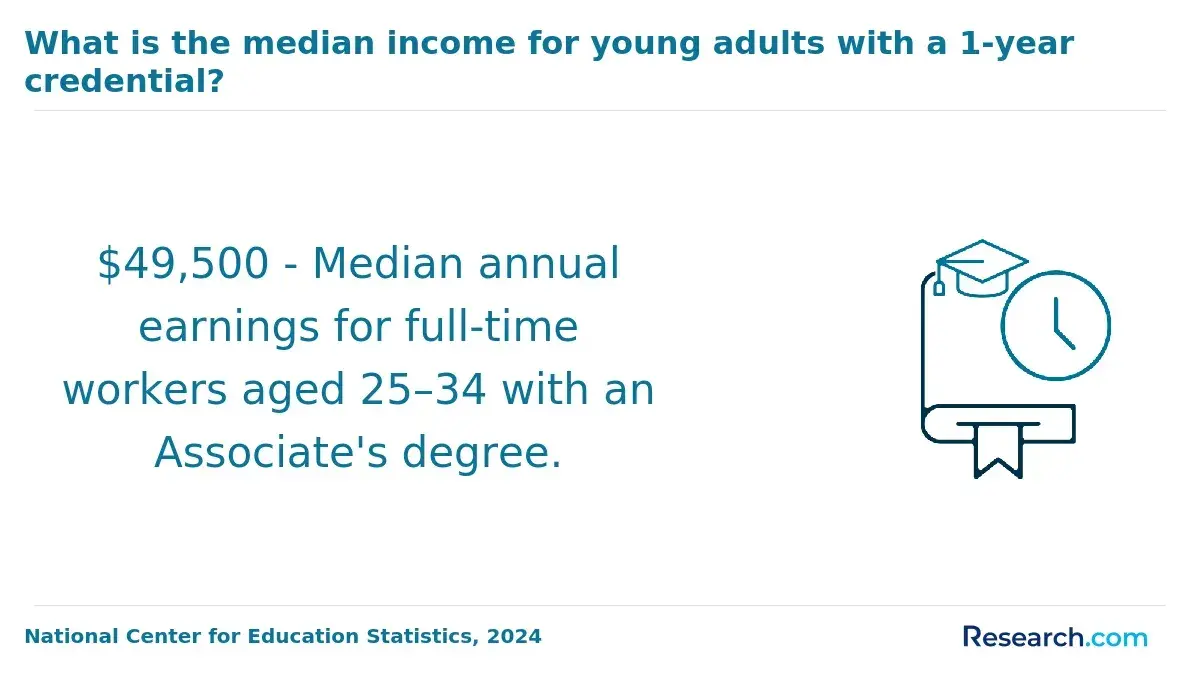
- Associate degrees reduce entry barriers but correlate with 30% lower lifetime earnings in criminal justice compared to bachelor's degrees, imposing a critical tradeoff between access, cost, and long-term career stability.
What are the best criminal justice careers for promotion potential, salary, and long-term stability?
Roles with the best criminal justice careers with high promotion potential typically emerge in leadership positions, specialized investigative fields, and federal agencies where clear rank structures and merit-based pay scales exist. For instance, police chiefs often surpass $100,000 annually, with salary growth tied directly to departmental size and performance.
Federal special agents, entering at GS-7 or GS-9 levels, experience structured step increases reflecting tenure and merit, illustrating how investment in formal education and certifications translates into tangible career benefits.
Obtaining a criminal justice degree, particularly when supplemented by professional certificates and federal accreditation, frequently distinguishes candidates during promotion boards and hiring.
However, the highest paying and most stable criminal justice jobs, such as forensic analysts or cybercrime specialists, often demand significant upfront investment in training and come with tradeoffs like irregular hours, strict background checks, and potential relocations.
The criminal justice workforce exceeded one million jobs and is projected to expand 5% over the next decade, largely driven by demand for advanced investigative expertise rather than front-line enforcement alone.
Those navigating this career path should weigh logistical and physical challenges against long-term advantages like salary ceilings, job security, and structured advancement in federal and specialized tracks.
Which criminal justice jobs offer the highest salaries, and what factors influence pay?
Salary benchmarks in criminal justice reveal a clear division based on education, specialization, and rank, demonstrating that strategic credentialing materially impacts earning potential. The highest paying criminal justice jobs in the United States, such as federal agents and forensic psychologists, typically require graduate-level education and specialized training, with salaries ranging from $75,000 to over $90,000.
Meanwhile, entry-level local law enforcement roles start lower but offer structured promotion paths that may lead to six-figure incomes for detectives or lieutenants in metropolitan areas.
Several factors affect criminal justice salary levels: educational attainment, supervisory roles, geographic location, and agency budget priorities all influence compensation. For instance, law enforcement agencies in urban settings may offer enhanced pay tied to complexity of duties compared to rural areas.
Additionally, administrative criminal justice roles often show limited wage growth, underscoring the importance of aligning career choices with clear advancement ladders.
Employers emphasize candidates who maintain continuous professional development and who hold certifications in tactical areas such as cybersecurity or criminal profiling, as these credentials increase competitive advantage in salary negotiations. Practical tradeoffs include managing high-stress work environments and the necessity of ongoing skill enhancement.
Prospective students and professionals should critically evaluate educational pathways, including programs like ABA-approved paralegal programs, to optimize the balance between credential cost, industry relevance, and long-term career stability.
What is the job outlook for major criminal justice careers over the next decade?
The job outlook for criminal justice careers in the United States reveals a nuanced balance between steady demand and evolving employer expectations. Employment growth for police officers and detectives is projected at 7% through 2034, aligning with general occupational trends, while corrections roles are expected to expand by 4%, indicating moderate employment stability.
However, this growth is highly dependent on government funding and policy decisions, underscoring the importance of regional and institutional variables in job security.
For individuals assessing employment stability and growth in major criminal justice professions, educational investment remains critical but varies by role. Many federal law enforcement and forensic science positions require advanced degrees or specialized certifications, creating a practical tradeoff between immediate entry-level employment and longer-term advancement opportunities.
For example, police officers aiming for detective or administrative posts must combine field experience with continued credential upgrades, while some corrections roles prioritize salary consistency over rapid promotion.
Today's employers increasingly value skills in data analysis, cybersecurity, and communication technologies, which traditional criminal justice degrees may insufficiently address.
Graduates should consider programs that integrate interdisciplinary skill development to meet the shifting demands of the workforce. Additionally, geographic flexibility can influence career viability due to salary and demand disparities.
Prospective students looking into advanced education options should also weigh financial considerations, such as the MS in digital marketing degree cost USA, to balance investment against earning potential and strategic career pivots.
Which criminal justice roles provide the fastest promotion tracks and clear career ladders?
The quickest promotion opportunities within criminal justice careers with fastest promotion opportunities are typically found in law enforcement agencies that have formal rank structures.
Police officers, federal agents, and correctional officers follow defined ladders from entry-level roles up to supervisory and command positions, with federal agents often advancing to supervisory roles within 5 to 7 years given strong performance and relevant credentials like advanced degrees or certifications.
However, promotion timelines for correctional officers are often slower and heavily influenced by seniority and civil service exams, which can create bottlenecks.
Criminal justice career paths with clear advancement ladders are also emerging in specialized fields such as cybersecurity and forensic analysis, though these roles require more specialized education and technical skills, narrowing the promotion pool but offering vertical growth for qualified candidates. These emerging areas reflect a shift toward integrating technological expertise within law enforcement and investigative units.
Stable employment conditions underpin these opportunities, with the civilian unemployment rate in criminal justice and fire protection fields at a low 1.8% as of 2019, signaling consistent demand. This stability involves tradeoffs: many rapid-promotion tracks require at least an associate degree and ongoing professional development to meet increasingly complex workforce standards.
Navigating these tracks effectively benefits from focused credential programs that align closely with agency requirements, rather than generalist education. Those evaluating roles should also consider competitive exam challenges and limited upper-rank vacancies.
For individuals combining technical skills with criminal justice credentials, options like a veteran friendly online electrical engineering degree can complement career growth in cybersecurity-related positions.
What degrees or training do you need for top criminal justice career paths?
Choosing between entering the criminal justice workforce early through police academy certification or investing time in formal education presents clear tradeoffs. While some law enforcement roles accept a high school diploma combined with academy training, agencies increasingly favor candidates holding at least an associate degree for basic roles and a bachelor's degree for supervisory or detective positions.
This educational investment broadens access to higher wages-median annual earnings for police officers and detectives are $70,030, but those in the top 10% earn over $113,000, a gap often linked to advanced qualifications and experience.
Forensic analysts and legal roles demand more specialized education, with bachelor's and often master's degrees required for advancement in forensic science and a juris doctor degree essential for prosecution or defense attorneys.
Paralegals benefit from associate or bachelor's degrees, and correctional officers rely largely on high school diplomas supplemented by targeted training in security and inmate management. Incorporating continuing education and certifications-such as cybercrime investigation or crisis intervention-can improve promotion prospects and job security amid increasing technological demands.
Pragmatically, criminal justice candidates face a career decision: pursue quicker workforce entry but accept limited advancement potential or commit to longer-term education for leadership and specialized roles.
Employers consistently seek combinations of practical experience and accredited education, particularly for positions involving management or advanced investigation, reflecting a workforce preference for candidates who balance foundational skills with formal credentials.
How do online criminal justice programs compare to campus options for career advancement?
Practical experience remains the defining factor in advancing within corrections and probation roles, a reality that online criminal justice programs often struggle to address fully. While these programs provide solid theoretical foundations, hands-on skills, typically acquired through internships or in-person training, carry significant weight with employers.
For example, probation officers and correctional treatment specialists with extensive fieldwork earn a median salary of $59,860, rising above $101,080 for top performers, indicating a clear premium on applied expertise based on National University data.
Networking and mentorship opportunities, more organically accessible on campus, further influence advancement prospects in agencies where decision-making under pressure and agency-specific protocols are critical. Working professionals choosing online programs must proactively secure remote or local internships to fill this gap, which can delay progression beyond entry-level roles.
Key considerations for students evaluating online versus campus formats include:
- Current employment status and ability to engage in internships.
- Availability of hybrid learning options to supplement online coursework with field experience.
- Long-term career objectives within probation, corrections, or broader law enforcement sectors.
Accredited online programs aligned with employer standards can narrow the divide, but success often depends on the student's initiative to integrate applied learning. Candidates who master this balance stand a better chance at meeting stringent workforce demands and securing advancement opportunities.
How can you tell if a criminal justice program is properly accredited and reputable?
Accreditation from recognized bodies such as those acknowledged by the U.S. Department of Education or the Council for Higher Education Accreditation is the defining benchmark for criminal justice programs.
Without formal accreditation, graduates risk possessing credentials that employers and licensing agencies find non-compliant, which can delay or derail entry into essential roles like state police or legal internships. For example, a graduate from a non-accredited program may be rejected from a police academy purely due to educational deficiencies, requiring costly retraining.
Employers depend on accreditation as a proxy for standardized competencies, especially in law enforcement, courts, and corrections. Programs endorsed by the Academy of Criminal Justice Sciences (ACJS) demonstrate discipline-specific rigor correlated with higher employability and clearer career trajectories.
Internship access is often the critical differentiator; hands-on experience validates skills and enhances networking opportunities within the criminal justice field. Additionally, alignment with certification or licensure requirements is essential for those aiming for specialized roles, as federal or state mandates frequently dictate eligibility.
Per the U.S. Bureau of Labor Statistics, judges and hearing officers-positions requiring alignment with rigorous legal standards-earned a median salary of $128,710 (May 2021). Such outcomes underscore the importance of programs that not only meet academic expectations but also prepare students for the practical demands and compliance hurdles of this sector.
What are typical admission requirements, program length, and costs for criminal justice degrees?
Choosing a criminal justice degree program requires weighing tangible tradeoffs between time investment, financial cost, and alignment with evolving workforce demands. Undergraduate admission typically requires a high school diploma or GED, with competitive programs sometimes requiring SAT or ACT scores.
Master's programs generally demand a related bachelor's degree plus professional recommendations and a statement of purpose. Work experience can strengthen applications, especially for executive formats.
Degree duration ranges from two years for associate programs to four years for bachelor's degrees, while master's pathways span 18 months to three years depending on enrollment intensity. Accelerated options accommodate faster completion but can disrupt work-study balance.
Additional annual expenses for textbooks, technology, and certification fees add $1,000-$3,000. Targeting specialized fields like cybercrime and intelligence aligns with notable wage growth-median salaries for intelligence analysts and detectives climbed from $56,000 to $76,000 over three years according to UPCEA and Lightcast data.
However, programs with data analytics or cyberlaw focus may entail higher tuition. Applicants must balance upfront costs against the likelihood of improved employability and promotional trajectory in a tightening labor market.
Which criminal justice careers require licensing or certification, and how do you obtain it?
Licensing and certification are non-negotiable thresholds in many criminal justice careers, directly impacting job eligibility, role specialization, and advancement. For instance, law enforcement officers must complete state-specific peace officer certification, which includes Police Academy training and passing rigorous exams. Without this credential, officers cannot access certain units or advance in rank.
Probation officers and correctional treatment specialists face similar requirements, often needing certification through recognized bodies such as the American Probation and Parole Association, contingent on formal education and supervised fieldwork.
Social workers who operate in adjacent fields, namely child, family, or school social work, require state licensure like the Licensed Clinical Social Worker (LCSW), involving a master's degree plus extensive clinical hours and exams. This investment reflects clear workforce trends: with a projected 14.2% growth adding over 360,000 jobs, credentialed practitioners hold a decisive edge.
Practical considerations extend beyond initial certification. Candidates must anticipate tuition, testing fees, and continuing education costs while navigating state-specific regulatory variations. Employers rigorously prioritize current certification to reduce liability and maintain standards; lapses can delay promotion or risk job loss.
For professionals shifting from non-licensed roles, early alignment of education and certification pathways with state criteria mitigates downtime and enables smoother career mobility.
How should students choose between different criminal justice specializations and job roles?
Choosing a criminal justice specialization should be anchored in objective workforce data rather than degree popularity or expected entry salaries. Specializations like cybercrime investigation are expanding rapidly, driven by heightened federal demand and offering more transparent promotion ladders and higher starting pay than traditional patrol roles, which often stagnate within local government budgets.
Labor market analysis shows forensic science and cybersecurity graduates earn 25-40% more than peers in probation or corrections, with quicker advancement due to skill scarcity. The growing supply of criminal justice degree holders-up 56% among 25-29-year-olds between 2010 and 2019-necessitates differentiation through specialized certifications or combined expertise, such as fraud accounting paired with investigative skills, to maintain market competitiveness.
Practical fit matters: candidates seeking federal law enforcement positions should emphasize investigative and intelligence competencies, while those aiming for state correctional leadership must prioritize policy and management training. Employers often require physical fitness and legal knowledge, meaning academic choices misaligned with job prerequisites can block progress.
Successful specialization decisions also involve regional labor market research and direct engagement with agency recruiters to align with local demand patterns and promotion frameworks. Focus on pathways with demonstrable employer need, clear advancement structures, and recognized credentials to avoid career stagnation or instability.
Other Things You Should Know About Criminal Justice
Prior military or law enforcement experience often accelerates entry-level placement and promotion opportunities in criminal justice careers. Employers value discipline, leadership, and operational knowledge from these backgrounds, which can lead to faster advancement compared to candidates without such experience. However, this advantage depends on how well the skills translate to civilian public safety roles and whether the individual supplements experience with relevant education or certifications. Candidates should prioritize bridging any gaps in procedural knowledge or technical skills to maximize promotion potential.
Shift work and mandatory overtime are common in many criminal justice roles and affect work-life balance and long-term job sustainability. These conditions can lead to fatigue and stress, impacting job performance and career longevity. Candidates should weigh these factors against salary premiums often offered for non-traditional hours. When selecting a career path, prioritize positions and agencies known for predictable scheduling or staffing practices that minimize excessive overtime to reduce burnout risk.
Advanced degrees are required in some leadership, policy, and analyst roles within criminal justice but are less critical for many operational or supervisory positions. A master's or doctorate enhances competitiveness for management, academic, and specialized research roles but often comes with extended time and financial investment without immediate salary increases. Prospective students should assess whether their targeted employers value advanced degrees or prefer extensive field experience combined with certifications.
In 2027, employer preferences for certifications like Certified Protection Professional (CPP) or Certified Information Systems Security Professional (CISSP) significantly influence hiring and promotion in top criminal justice roles, often providing candidates with competitive edges for positions with higher promotion potential and salary.
References
- What Jobs Can I Get with a Criminal Justice Degree? https://www.pearsonaccelerated.com/blog/what-jobs-can-i-get-with-a-criminal-justice-degree.html
- Criminal Justice - Bachelor of (Post-Diploma) | Lethbridge Polytechnic https://lethpolytech.ca/programs-and-courses/criminal-justice-bachelor-post-diploma
- Criminal Justice Salary - How Much Can I Make With a Criminal Justice Degree? - Grace Christian University https://gracechristian.edu/blog/criminal-justice-salary/
- Top 10 Highest Paying Criminal Justice Careers - Best Colleges Online https://www.bestcollegesonline.org/highest-paying-jobs/top-10-criminal-justice-careers/
- Bachelor of Arts inCriminal Justice Online or On Campus https://www.albany.edu/scj/programs/ba-criminal-justice
- ACJS Program Endorsement FAQ https://www.acjs.org/acjs-program-endorsement-faq/
- Paving the Way for a Bright Future: 8 Benefits of an Online Criminal Justice Degree https://www.calcoast.edu/news/paving-the-way-for-a-bright-future-6-benefits-of-an-online-criminal-justice-degree
- How Long is a Master's in Criminal Justice (MSCJ) Program? https://www.forensicscolleges.com/blog/resources/how-long-to-earn-masters-in-cj
- Criminal Justice Degree Jobs | Athens State University https://www.athens.edu/degree-completion-transfer-students/top-jobs-you-can-pursue-with-a-criminal-justice-degree/
- Find Top Online Bachelor's In Criminal Justice Programs https://www.accreditedschoolsonline.org/criminal-justice/bachelors/