2027 Best Online Bachelor's in Criminal Justice With Asynchronous Courses

Co-Founder and Chief Data Scientist
Law enforcement officers and analysts face a narrow window to advance credentials without stepping away from demanding schedules. Balancing shift work or investigations with traditional class times often forces delayed career moves or stalled promotions.
Nearly 40% of adult learners favored asynchronous courses in 2024, reflecting a shift toward education models that accommodate complex professional rhythms, according to the National Center for Education Statistics. This change signals a structural pivot in program accessibility, where timing flexibility intersects directly with workforce mobility.
This article evaluates the best online bachelor's in criminal justice programs offering asynchronous courses that align with these practical constraints to support timely career advancement decisions.
Key Things You Should Know
- Employment data from the U.S. Bureau of Labor Statistics in 2024 shows a 9% growth rate for criminal justice roles, demanding degree candidates with practical analytical skills over theory-heavy curricula.
- Asynchronous programs reduce location barriers but often limit live interaction, creating a significant challenge for mastering interpersonal conflict resolution, a key employer prerequirement in law enforcement sectors.
- The average debt for bachelor's graduates in criminal justice surpassed $32,000 in 2024, with extended time-to-degree due to part-time formats increasing cumulative costs, complicating ROI for mid-career students.
What is an online bachelor's in criminal justice with asynchronous courses?
Employers hiring for roles in criminal justice increasingly demand candidates who not only grasp theoretical concepts but also demonstrate practical experience. An online bachelor's degree in criminal justice with flexible scheduling addresses this by providing asynchronous criminal justice bachelor's programs in the US that allow working professionals to balance education with job responsibilities.
Such programs eliminate fixed class times, granting access to lectures and assignments on a schedule that suits each student's unique rhythm. This benefits, for example, a mid-career law enforcement officer who needs to complete coursework during shift downtimes without disturbing work obligations.
However, asynchronous formats pose challenges, including limited immediate faculty interaction and slower peer networking, which require disciplined time management and self-motivation. Moreover, certain skill sets—like hands-on forensic training—may be difficult to replicate fully without synchronous labs or simulators, suggesting a need for supplementary local fieldwork or internships.
Students should also beware of state authorization and accreditation nuances to ensure their degree qualifies for licensure or employment in their jurisdiction. These operational realities create tradeoffs between convenience and the level of experiential learning.
For prospective students evaluating cost factors relevant to these programs, it's important to consider not only tuition but also ancillary fees and potential lost earnings. More details can be found on education portals that thoroughly discuss "How much does it cost to get a criminal justice degree?"
Are online criminal justice bachelor's degrees with asynchronous learning respected and accredited?
Asynchronous online bachelor's degrees in criminal justice hold value primarily when issued by regionally accredited institutions recognized by the U.S. Department of Education or the Council for Higher Education Accreditation. Employers prioritize accreditation and practical competencies over delivery mode, but graduates from asynchronous programs must proactively address potential gaps in real-time interaction and experiential learning.
For example, California State University Long Beach's 2024 data show transfer students completing 61 units in about two years while working, illustrating how asynchronous formats support employed learners balancing commitments.
However, those pursuing an online bachelor's in criminal justice with asynchronous courses and accreditation should recognize the tradeoffs: limited synchronous networking often places the burden on students to independently secure internships or develop law enforcement contacts, vital for fields dependent on interpersonal skills. Hiring managers may evaluate asynchronous graduates more critically on applied skills and certifications due to the program's format.
Decision-makers must carefully assess whether asynchronous programs embed experiential learning elements like virtual simulations or field placements to bolster workforce readiness. For practitioners seeking targeted credentials within the justice system, supplementing the degree with practical experiences can bridge format limitations.
Relatedly, prospective students curious about complementary pathways should also consider online paralegal certificate programs as strategic adjuncts in justice-related careers.
How do asynchronous online criminal justice programs compare to traditional on-campus degrees?
Asynchronous online criminal justice programs offer theoretical parity with traditional on-campus degrees but demand greater self-regulation and limit live interaction, which can influence skill development depending on career goals. Law enforcement and legal employers often value internships and in-person experience more heavily, making on-campus options favorable for those prioritizing networking and practical exposure.
Conversely, online programs provide essential flexibility, appealing to working professionals aiming to balance full-time jobs while pursuing an advanced credential.
Differences between asynchronous online criminal justice and on-campus degrees become clear when considering cost and accessibility. For example, Kennesaw State University charges approximately $190 per credit for its online BS in criminal justice, a rate significantly lower than many traditional programs that include added expenses like commuting and housing. This affordability suits budget-conscious individuals making a career pivot without incurring substantial debt.
However, the lack of direct peer engagement in online learning may not suit those seeking immersive environments, especially for roles requiring refined interpersonal abilities such as probation officers or detectives. In contrast, fields emphasizing technical skills, like forensic analysis or cybersecurity, align well with the online degree format.
Prospective students should weigh whether employers in their target roles prioritize hands-on experience or if the benefits of flexibility and reduced cost outweigh these tradeoffs.
For those considering alternative accelerated pathways, examining options similar to an online degree in Spanish may offer insight into managing duration and cost effectively within asynchronous learning models.
What courses and concentrations are typically offered in an online criminal justice bachelor's?
Choosing online criminal justice bachelor's degree programs with asynchronous courses requires balancing curricular depth against practical constraints. Foundational courses typically cover criminology, criminal law, ethics in law enforcement, research methods, and the U.S. legal system, which align with essential employer expectations across policing, probation, and corrections roles.
Concentrations often allow tailoring toward fields like forensic science, homeland security, juvenile justice, and cybersecurity. For example, those concentrating in cybersecurity criminal justice develop competencies in digital forensics and IT security protocols, aligning with a labor market showing steady 3% growth in police and detective roles and roughly 64,500 annual openings from 2022 to 2032, according to the U.S. Bureau of Labor Statistics.
Students interested in this pathway may find relevant practical options discussed in online cybersecurity bachelor degree for veterans.
Fully asynchronous formats can limit hands-on forensic training, often necessitating supplementary certifications or internships to meet field demands. Students focusing on supervisory roles should emphasize courses in administration, ethics, and public policy, whereas those targeting frontline fieldwork must prioritize evidence handling and situational judgment.
Programs that integrate applied learning asynchronously—through internships or capstones—enhance practical readiness and better prepare graduates for competitive employment landscapes. These options prove especially important when evaluating typical courses and concentrations in a criminal justice bachelor's online, as experiential components often determine job placement success.
What admission requirements and transfer credit policies do online criminal justice programs have?
Admission to online criminal justice programs involves more than meeting minimal academic thresholds; it often requires maintaining a GPA between 2.5 and 3.0, submitting official transcripts, and sometimes providing letters of recommendation or personal statements to demonstrate fit and motivation.
This is especially relevant for applicants without substantial field experience, as programs weigh these materials to gauge potential success in asynchronous learning formats.
Transfer credit acceptance is a pivotal factor influencing time to degree and costs. Most programs accept 30 to 60 credits from regionally accredited institutions, primarily if courses align directly with criminal justice topics. However, evaluation nuances arise with lower-division versus upper-division credit and interdisciplinary subjects such as sociology or psychology.
Preparing detailed course descriptions or syllabi is essential, particularly for credits earned at community colleges or nontraditional schools, to avoid delays or unexpected credit denial.
These admission and transfer policies intersect substantially with workforce outcomes. For instance, probation officers and correctional treatment specialists earn a median annual wage of $60,250, which is notably higher than the overall median wage across U.S. occupations ($48,060).
Therefore, well-informed decisions about credit transfer and admission prerequisites can accelerate entry into such roles or enable experienced professionals to bypass redundant coursework when pivoting within the criminal justice sector.
How long does it take to complete an online criminal justice bachelor's, and can you accelerate it?
Accelerating an online bachelor's degree in criminal justice can shorten time to entry-level or supervisory roles but requires a clear-eyed assessment of workload and real-world constraints.
Standard programs typically span four years and about 120 credit hours, while accelerated tracks may compress this to 2.5 or 3 years by leveraging transfer credits or intensive course loads. However, sustaining 15 to 20 credit hours per term often poses challenges for working adults balancing employment and family.
Practical elements—like internships and research projects—restrict how much the curriculum can be accelerated, especially in programs that emphasize hands-on experience crucial for law enforcement or forensic roles. For example, a mid-career officer using prior credits and testing out of foundational classes might advance faster to supervisory ranks and higher earnings, but this approach demands deliberate planning and stamina.
Prospective students should verify program flexibility, including availability of asynchronous courses or year-round instruction, and align accelerated study with both personal bandwidth and long-term professional standards to avoid trade-offs detrimental to career sustainability.
What does an online criminal justice bachelor's cost, and how can students fund it?
Cost remains a decisive factor for prospective students pursuing online bachelor's degrees in criminal justice, where total expenses can range from $30,000 to more than $40,000. However, aggressive transfer credit policies, as shown by LSU Online's model allowing up to 75% credit transfer, can reduce costs substantially—to around $10,590—significantly cutting both financial burden and time-to-degree. This reduction accelerates workforce entry, an essential consideration given entry-level salary constraints within the criminal justice field.
Individuals holding associate degrees or relevant prior coursework should scrutinize programs based on transfer acceptance rates and tuition breakdowns. Despite lower per-credit online tuition, additional mandatory fees and materials costs averaging $1,000-$3,000 per year can inflate the actual financial commitment. Administrative delays in credit evaluation pose another hidden cost, risking extended timelines and unexpected expenses.
Funding mechanisms vary: federal Pell Grants and direct loans require FAFSA completion; scholarships often target criminal justice disciplines; employer tuition reimbursement depends on ongoing employment and performance criteria; and veterans should explore GI Bill benefits.
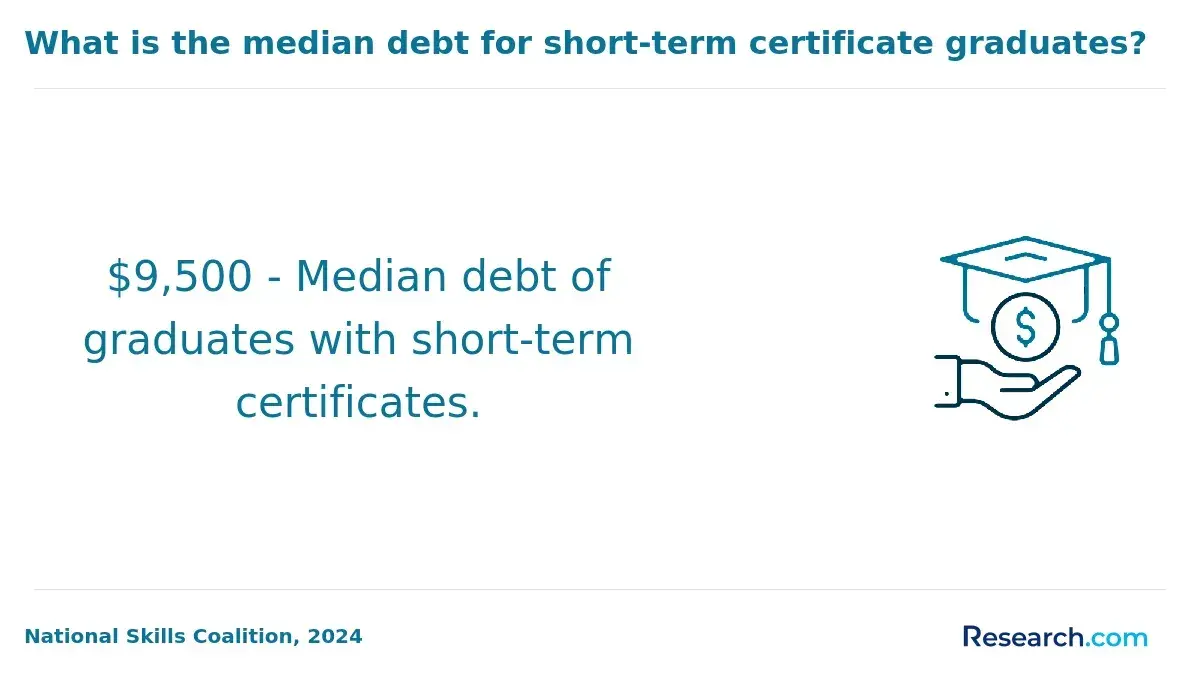
Graduates must balance student debt against realistic post-graduation earnings, which fluctuate widely based on job role and location, as excessive borrowing can restrict career mobility and financial stability.
What criminal justice careers can you pursue with an online bachelor's degree?
Possessing an online bachelor's degree in criminal justice opens diverse employment pipelines, but it rarely substitutes for hands-on experience critical to many positions.
For instance, entry-level federal roles—such as FBI analyst or DEA agent—mandate bachelor's credentials alongside rigorous background checks and entrance exams that online programs don't directly prepare students to navigate. Similarly, state-level law enforcement jobs usually require academy training beyond academic coursework.
Graduates aiming for roles in corrections, probation, or victim advocacy must balance online study with physical or volunteer components to meet employer expectations effectively. The degree's strength lies in legal knowledge, ethics, and rehabilitation theory but lacks the applied field experience essential for many jurisdictions.
Working professionals should consider this dual approach:
- Complete asynchronous courses while securing internships or part-time law enforcement roles
- Understand state-specific certification and licensing, often involving physical fitness and academy participation
- Prepare independently for federal security clearances and exams
Flexibility of online criminal justice education supports career pivoters but demands a proactive strategy to integrate practical skills. The 42 available programs identified by Educations.com represent options to access education remotely, yet success depends significantly on combining academic credentials with real-world immersion to build credibility and employability.
What salary ranges and job outlook can graduates in criminal justice expect?
A bachelor's degree in criminal justice opens entry points with starting salaries typically from $40,000 to $60,000 annually, but geographic location, specialization, and employer type heavily influence compensation. For example, a local police officer starting near $40,000 contrasts with federal forensic technicians earning closer to $55,000-$60,000.
The U.S. Bureau of Labor Statistics cites a median wage of $67,600 for police officers and detectives, which rises substantially with experience and certifications.
Graduates navigate a diverse labor market expanding beyond traditional law enforcement into roles such as probation officers, victim/witness advocates, and forensic scientists, each with distinct salary brackets and job security profiles. Probation officers, for example, earn approximately $50,000 to $60,000 depending on local funding and workload.
Employment growth at 6% through 2031—slightly faster than average—centers on expanding community policing and forensic investigations. However, competition favors candidates with practical experience, higher academic credentials, or specialized certifications, which can boost salaries 10% to 20%.
Additional barriers include security clearances, physical exams, and potential relocation to urban centers with higher demand.
Public sector positions often provide pensions and other long-term benefits that supplement base pay, whereas private forensic consultancies may offer higher upfront pay but less job stability. Strategic decisions about certification and sector focus thus critically affect long-term career outcomes.
How can you choose a reputable online criminal justice program that fits your goals?
Choosing an online criminal justice program requires assessing accreditation from recognized regional or national bodies, ensuring both academic rigor and employer credibility. Simply opting for lower tuition can undermine essential elements like curriculum depth or networking prospects.
For instance, San Francisco State University offers a two-year online completion program at a flat $24,900 tuition—half the typical cost of a four-year on-campus route—making it a practical option for working professionals focused on earning credentials without incurring excessive debt.
Curriculum should align closely with targeted career paths; a federal law enforcement aspirant, for example, benefits from programs emphasizing criminal law and investigative techniques. Equally important are mechanisms for student support and flexibility—fully asynchronous formats must still provide meaningful faculty interaction and access to career services to avoid isolation.
Graduate employability is a crucial metric. Programs lacking transparent placement data or leaning heavily on outdated theory risk leaving students underprepared for applied roles in law enforcement, corrections, or cybercrime analysis. Candidates pivoting from unrelated sectors gain more tangible value from programs incorporating career counseling and internship placements within criminal justice agencies.
When evaluating options, weigh tuition cost, program accreditation, course relevance, graduate outcomes, and delivery format in balance. This ensures alignment with your professional trajectory without sacrificing practical workforce readiness or creating avoidable setbacks related to technology or institutional resources.
Other Things You Should Know About Criminal Justice
Asynchronous criminal justice programs require strong self-discipline and time management because students complete assignments and study independently without scheduled live sessions. This format can benefit working adults by offering flexibility, but it often means the workload feels more compressed since deadlines and exams remain fixed. Students should prioritize programs with clear communication and robust online support to compensate for the lack of real-time interaction, which can affect comprehension of complex legal or procedural topics.
Employers in criminal justice typically value practical skills such as report writing, data analysis, and familiarity with legal databases more than purely theoretical knowledge. When selecting a program, prioritize those offering applied learning opportunities, like case studies, simulations, or internships-even virtual ones. Theoretical grounding remains important for future academic pursuits or policy roles, but immediate job readiness hinges on practical competence.
An online bachelor's degree can qualify graduates for entry-level positions in law enforcement, corrections, and related fields but rarely guarantees supervisory roles without relevant work experience. Candidates who combine a degree with on-the-job performance or certifications stand a better chance at advancement. When evaluating programs, consider those with leadership development modules or partnerships offering internships that expose students to management responsibilities.
An online bachelor's in criminal justice can qualify graduates for roles such as probation officer, detective, and emergency management director. It can also be a stepping stone for supervisory positions or advanced studies, expanding career opportunities in law enforcement and public safety sectors.
References
- Criminal Justice Salary Guide | All Criminal Justice Schools https://www.allcriminaljusticeschools.com/criminal-justice/criminal-justice-salaries/
- Online Criminal Justice Program Tips | University of Bridgeport https://www.bridgeport.edu/news/succeeding-in-online-criminal-justice-program/
- Criminal Justice, BA Online https://www.nec.edu/programs/criminal-justice-b-a-online
- Online Bachelor's Degree in Criminal Justice | CSU Global | Accredited https://csuglobal.edu/academic-programs/undergraduate-degrees/bachelors-degree-criminal-justice
- How Long Does A Criminal Justice Program Take? https://criminaljusticecareernow.com/articles/how-long-is-criminal-justice-school
- How to choose a bachelor's in criminal justice | edX https://www.edx.org/resources/how-to-choose-a-bachelors-in-criminal-justice
- Affordable Online Criminal Justice Degree - iResearchNet https://criminal-justice.iresearchnet.com/criminology/criminology-and-criminal-justice-degrees/affordable-online-criminal-justice-degree/
- Online Bachelor's Degree: Criminal Justice (Law Enforcement Track) https://www.umgc.edu/online-degrees/bachelors/criminal-justice-law-enforcement
- Master's Degree in Criminal Justice: Salary & Career Options https://www.gograd.org/resources/criminal-justice-masters-careers/
- 15 Best Online Bachelor's In Criminal Justice https://www.criminaljusticedegreeschools.com/rankings/best-online-bachelors/