2027 Criminal Justice Career Paths With the Best Advancement Potential

Co-Founder and Chief Data Scientist
Professionals in criminal justice often confront a pivotal challenge: determining which career paths offer not only entry but substantial upward mobility amid shifting labor demands. The Bureau of Labor Statistics projects a 9% growth in criminal justice occupations by 2032, signaling increased competition for advanced roles requiring specialized credentials and adaptable skill sets.
This growth reflects broader trends where flexible admissions and online learning options have expanded access, yet also magnify the need to select programs aligned with employer expectations and real-world advancement timelines. Understanding these dynamics enables more strategic academic and career decisions.
This article identifies criminal justice career paths with the strongest advancement potential, equipping readers to navigate options that balance educational access with tangible professional growth.
Key Things You Should Know
- The Bureau of Labor Statistics projects 7% growth through 2031 in federal law enforcement roles requiring advanced certifications, pressuring candidates to invest 1-2 extra years in specialized degrees to remain competitive.
- Employer preferences increasingly favor candidates with data analysis and cybersecurity skills integrated into criminal justice training, reshaping workforce demand toward hybrid technical-legal expertise in 60% of metropolitan agencies, per 2024 NIJ reports.
- Public sector wage stagnation juxtaposed with private security's 12% higher entry salaries forces aspirants to weigh costlier graduate credentials against faster private sector advancement, amplifying timing and financial tradeoffs affecting career pivots.
What are the most common criminal justice career paths with strong advancement potential?
Advancement in criminal justice career paths with strong promotion opportunities depends heavily on targeted experience and strategic credentialing rather than solely on tenure. Police officers, forming the bulk of the workforce with over 800,000 nationwide, typically see a 20% to 40% increase in earnings when moving into detective or investigator roles, yet this comes with a significant increase in workload complexity and stress management.
Federal roles within the FBI, DEA, and Homeland Security present structured promotion tracks often necessitating a bachelor's degree and sometimes advanced credentials. These positions start near $60,000 annually with growth potential into six figures via supervisory or technical specializations like cybercrime and counterterrorism.
Considering the most common criminal justice jobs with advancement potential, the tradeoff involves navigating competitive entry requirements and rigorous interagency collaboration demands.
Correctional and probation officer roles offer less upward mobility but remain crucial for candidates invested in rehabilitation-focused career trajectories. Specializations such as forensic social work or gang intervention create niche leadership opportunities within these domains.
Employers consistently expect a blend of formal education, academy completion, and diverse field experience, with operational command skills and civil service exam success being pivotal for local promotions.
Resource constraints at local agencies limit access to advanced training, making lateral transfers to federal agencies or departments with stronger funding a practical pathway for career growth. Strategic planning is essential when weighing the criminal justice degree cost alongside the necessity of credentials and professional networking to overcome institutional barriers.
What education and degree levels are typically required for advancement in criminal justice?
Progression within criminal justice careers hinges significantly on formal education combined with practical experience. Supervisory and specialist roles generally mandate at least a bachelor's degree in criminal justice, criminology, or related fields, while many leadership positions require a master's degree.
For example, probation officers typically need a bachelor's credential, but advancing to supervisory roles often demands additional graduate education alongside field experience to meet state and federal standards.
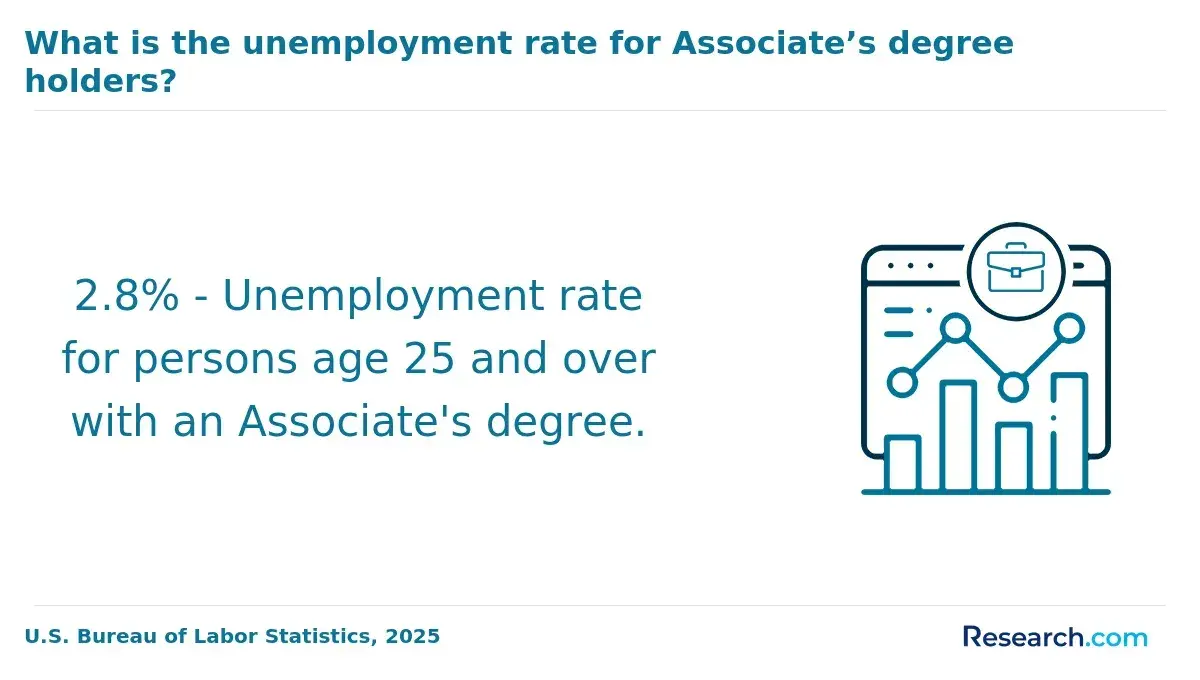
Specialized careers such as forensic analysts and criminal investigators require focused scientific coursework embedded within a bachelor's degree. Candidates moving up from associate degrees face a longer, more constrained path, often limited to entry-level roles unless further education is pursued.
Employers emphasize credentials demonstrating both expertise and leadership potential, reflecting structured promotion ladders in law enforcement and corrections that heavily rely on educational attainment.
Those holding only a high school diploma or associate degree must consider part-time or online degree completion to remain competitive, balancing immediate employment needs with longer-term advancement goals. Data indicate criminal justice occupations requiring a bachelor's degree enjoy faster job growth and 15-20% higher median salaries.
Practical decisions about educational pathways often involve tradeoffs between speed to workforce entry and credential depth. For individuals seeking foundational legal administrative roles, a paralegal certificate may provide a strategic alternative within the broader landscape of criminal justice degrees for career advancement.
How do salaries and earning potential compare across different criminal justice careers?
Salary disparities in criminal justice careers clearly align with role specialization, educational attainment, and jurisdictional factors. For instance, federal criminal investigators start with median wages exceeding $90,000, markedly outpacing entry-level correctional officers earning around $45,000.
This difference stems from the advanced technical competencies and legal knowledge expected of investigators, who often hold bachelor's degrees or specialized certifications.
A real-world implication of this salary divide is the necessity for targeted educational investment; professionals shifting into higher-earning investigative roles typically need additional formal training, which can propel salaries beyond $75,000.
Contrast this with social service roles such as probation officers or victim advocates, where median salaries near $55,000 despite years of experience, largely due to local budget constraints and steadier but slower earning curves.
These roles may attract candidates prioritizing stability over rapid income growth but come with narrower financial upside. Jurisdiction further complicates earning potential, with federal positions offering significantly higher pay and benefits compared to state or local agencies, albeit with more competitive entry requirements.
For those evaluating earning potential in criminal justice professions, understanding these structural tradeoffs is critical. Salary outcomes reflect not just individual qualifications but also agency size and funding.
Prospective students and professionals seeking to enhance income trajectories through education should consider practical program pathways; those looking to acquire forensic skills might explore a forensic science online degree as a strategic option within this sphere.
Which criminal justice roles offer the best long-term job outlook and stability?
Forensic science technician roles stand out within criminal justice careers with strong job growth due to projected 11% demand increases from 2024 to 2034, surpassing average occupational growth. This expansion reflects the intensified use of forensic evidence in investigations, creating a steady need for technicians skilled in accurate evidence analysis and maintaining chain of custody.
Unlike high-turnover correctional officer positions or federal agents' roles requiring extensive training and uncertain advancement, forensic technician jobs offer high stability criminal justice roles primarily based in controlled lab settings.
This stability comes with specific tradeoffs. Candidates generally require at least an associate degree in forensic science or related fields; bachelor's degrees improve competitiveness for federal or specialized positions.
However, ongoing certification and technology training are essential due to rapid advancements and evolving forensic methods. Funding volatility at local agencies can impact hiring, so candidates should assess regional budget trends thoughtfully.
A real-world example is a state crime lab technician facing increased responsibilities as agencies expand cybercrime units, needing to adapt continuously to new forensic technologies while handling a growing workload. For those weighing educational paths, shorter programs like associate degrees align with quicker entry, whereas bachelor's degrees, including fields such as engineering, broaden options.
Veterans might find value in programs like the online electrical engineering bachelor degree for veterans as a parallel pathway contributing precision and analytical skills applicable in forensic contexts.
How do online criminal justice degree programs compare to campus-based options for career growth?
Online criminal justice degrees can provide foundational knowledge comparable to traditional campus programs, but their impact on career trajectories varies notably by employer and sector. For example, law enforcement agencies and federal employers tend to favor in-person degrees for the networking and hands-on training embedded in campus experiences.
Meanwhile, sectors like corrections, probation, and private security show increasing acceptance of regionally accredited online credentials, aligning with a 6% job growth projection for correctional officers from the Bureau of Labor Statistics.
Flexibility is a primary advantage for working professionals pursuing online degrees, allowing them to maintain employment while studying. However, the common absence of integrated internships or field training in many online programs presents a practical limitation. This can restrict immediate skill acquisition in specialized areas such as forensic investigation.
A probation officer studying online must actively arrange practicum placements within their jurisdiction to meet certification standards, unlike campus students who often receive institutional support to secure field experience. This illustrates a key operational tradeoff: independent coordination versus structured pathways.
Advancement to supervisory or federal roles remains more competitive for those with exclusively online degrees unless accompanied by significant real-world experience or professional certifications. Institutional reputation and alumni networks more accessible on campus continue to influence employer perceptions and recruitment.
Ultimately, online criminal justice education offers accessibility but requires students to proactively complement academic credentials with applied learning and networking to enable meaningful workforce integration.
What accreditation and program quality indicators should applicants look for in criminal justice degrees?
Choosing a program accredited by a regional body recognized by the U.S. Department of Education is essential for criminal justice candidates targeting transferability, employer recognition, and eligibility for federal aid.
Regional accreditation confirms that academic standards meet baseline quality expectations, while specialized accreditation-such as from the Academy of Criminal Justice Sciences (ACJS)-provides assurance that curricula align with industry competency benchmarks valued by employers.
The practical value of a degree often depends on how well academic content translates into job-ready skills. Programs that integrate accredited internships with law enforcement or legal offices demonstrate measurable impact.
For example, criminal justice graduates with at least one accredited internship experience 25% higher initial employment in paralegal and legal assistant roles, according to National Center for Education Statistics data. This real-world exposure can differentiate candidates in sectors where hands-on skills are necessary to avoid delayed workforce entry.
Faculty credentials also influence outcomes. Programs staffed primarily by adjunct instructors without recent field experience typically correlate with lower employer satisfaction and reduced graduate employment within six months. Students should prioritize programs that report graduate employment rates above 70%, with faculty grounded in current criminal justice practice.
Lack of clear articulation agreements or employer partnerships signals limited career alignment and reduces long-term mobility. Employers, especially in urban environments, increasingly prioritize candidates versed in evidence-based practices and data literacy-skills not guaranteed by purely theoretical degrees. Transparency about internship placements and employer advisory boards is an operational measure of program-market alignment.
What core courses and specializations most directly support advancement in criminal justice careers?
Advancement within criminal justice careers demands more than theoretical knowledge; it requires targeted skill development aligned with employer expectations and evolving workforce needs. Foundational courses such as criminal law, criminology, and research methods equip students with critical frameworks, but specialization in areas like cybercrime, forensic science, and counterterrorism addresses specific labor market gaps in Homeland Security and intelligence roles.
For instance, federal intelligence analysts depend on expertise in data mining, threat assessment, and geospatial analysis, skills cultivated through electives in information systems and intelligence operations. According to Bureau of Labor Statistics 2024 projections, homeland security and intelligence positions are expected to grow 8% over the next decade, signaling stable demand for these competencies.
Combining criminal justice with data analytics or cybersecurity increases a candidate's value, especially when coupled with practical experience using tools such as crime mapping software or secure communication protocols. However, real-world progression often requires deliberate reskilling, especially when moving from local law enforcement to federal agencies, favoring graduate certificates over general degrees.
Employers emphasize rigorous training in investigative techniques and evidence handling. Programs lacking these core skills risk limiting candidates' upward mobility. Choosing curricula with strong industry alignment, including advisory boards and employer partnerships, is critical to mitigating early career plateaus and ensuring applicability in practice.
How do typical program length, tuition costs, and financial aid affect criminal justice career planning?
Choosing a criminal justice education path requires balancing program length, cost, and financial aid impacts against workforce demands and career timing. Associate degrees typically allow entry within two years but restrict roles, while four-year bachelor's degrees offer specialization in areas like cybercrime and digital forensics critical for employer expectations in complex investigations.
Graduate degrees, often essential for senior or federal positions, add at least two more years, delaying workforce entry and increasing costs.
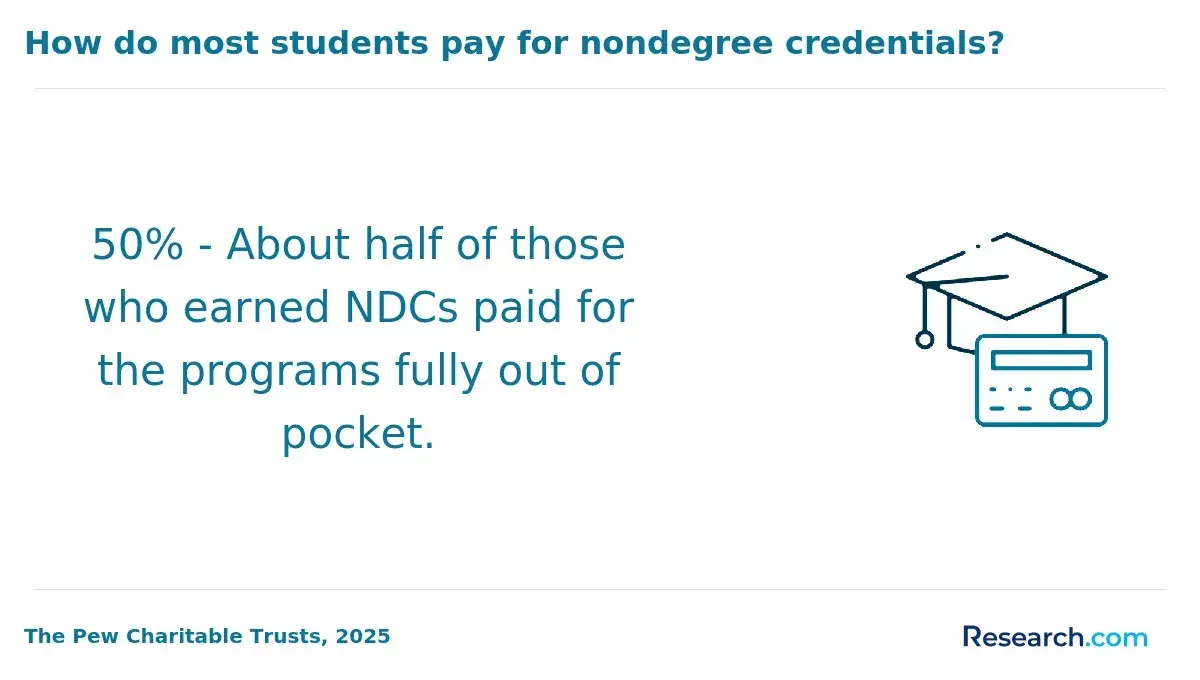
Tuition disparities significantly influence student debt and opportunity costs: public in-state programs average about $9,500 per year compared to over $33,000 at private institutions. For working adults pursuing degrees part-time, these costs compound alongside lost wages, making financial aid essential.
Approximately 65% of criminal justice students utilize federal or state aid, including Pell Grants and subsidized loans, which reduce immediate financial barriers and enable simultaneous certification pursuits.
Hands-on training and industry certifications are increasingly decisive, often outweighing degree credentials alone. For example, a law enforcement officer advancing into digital forensics benefits most from programs offering articulation agreements and direct job placement partnerships, which minimize redundant coursework and maintain income continuity.
Without strategic selection, educational debt and extended timelines can delay or block critical career transitions in fast-evolving cybercrime fields.
What licenses, certifications, and background requirements are needed for major criminal justice roles?
Licensing and certification in criminal justice roles create a complex, fragmented credentialing landscape that directly shapes occupational mobility and wage potential. For example, law enforcement officers must secure state-specific peace officer licenses, which hinge on completing a police academy and passing stringent physical and psychological tests.
Federal agents, such as FBI or DEA personnel, face higher thresholds, combining advanced degrees with specialized certifications in firearms and investigative methods.
Meanwhile, compliance and fraud investigators increasingly rely on certifications like Certified Fraud Examiner (CFE) or Certified Compliance and Ethics Professional (CCEP), which the 2024 Association of Certified Fraud Examiners links to a notable 12% wage advantage.
Background checks demand not only a clean criminal record but also comprehensive financial scrutiny, intensifying for roles involving sensitive data or assets. Civilian criminal justice positions tend to require fewer licenses but often mandate proficiency certifications in areas such as cybersecurity or forensic technologies.
Forensic analysts, for instance, must complete accredited laboratory certifications and chain-of-custody training to maintain federal or state eligibility.
The practical challenge arises in the recertification cycles, commonly every 2 to 3 years, pushing working professionals to allocate significant time and resources while navigating overlapping but non-transferable credentials across local, federal, and corporate sectors. This logistical burden can delay career progression and demands careful planning when transitioning between agencies or specialties.
How can students strategically choose a criminal justice concentration to maximize promotion opportunities?
Students aiming for leadership roles in criminal justice should focus on concentrations with explicit pathways to supervisory positions rather than generalist tracks. Emergency management and victim services offer tangible advantages, as these fields are forecasted by the U.S. Bureau of Labor Statistics to grow 15% between 2024 and 2034, exceeding many other criminal justice disciplines.
These specializations demand niche expertise useful for crisis coordination and victim advocacy, roles involving policy influence and managerial responsibility.
Certification and advanced training accelerate advancement; for instance, emergency management professionals benefit from incident command system credentials and knowledge of federal response protocols, qualifying them for senior agency or NGO roles. Similarly, victim services careers that integrate social work and legal frameworks enable progression to program director or coordinator roles that surpass entry-level duties.
Employers expect candidates to demonstrate relevant, real-world experience by engaging in internships or cooperative placements within emergency response or victim advocacy units. Leadership in high-pressure environments showcased through such experience critically affects promotion potential.
Tradeoffs exist: emergency management and victim services offer narrower entry points compared to traditional law enforcement but yield stronger long-term job security and salary growth. Broad law enforcement concentrations provide more immediate job opportunities but typically slow down beyond mid-level ranks.
These dynamics underscore the importance of aligning educational choices with realistic career timelines and personal economic priorities rather than general labor market trends.
Other Things You Should Know About Criminal Justice
Work experience directly shapes practical skills that employers prioritize, especially in law enforcement and corrections. However, advancing beyond entry-level roles in agencies or federal positions increasingly requires advanced degrees. For career growth, prioritize gaining relevant on-the-job experience early, then pursue targeted graduate education to meet promotion criteria in supervisory or specialized roles.
Management roles involve strategic decision-making, personnel oversight, and administrative duties rather than direct enforcement or investigation. Expect longer work hours focused on coordination, budgeting, and policy compliance, with less fieldwork. Transitioning requires strong leadership skills and often formal education in management or public administration, which should be factored into your career planning.
Specializations such as cybersecurity, forensic accounting, or juvenile justice provide clear advancement pathways within niche sectors and federal agencies. Broad degrees offer flexibility but may slow promotion if employers prefer specific expertise. Prioritize specialization if your target employer values technical skills; choose broad foundations only if you intend to remain in generalist roles.
References
- Earning a Criminal Justice Degree Online | University of Bridgeport https://www.bridgeport.edu/news/earning-a-criminal-justice-degree-online/
- Financial Aid Tips for Criminal Justice Students https://www.criminaljusticeprograms.com/financial-aid/
- Criminal Justice Careers - Criminal Justice Degree Schools https://www.criminaljusticedegreeschools.com/careers/
- Paving the Way for a Bright Future: 8 Benefits of an Online Criminal Justice Degree https://www.calcoast.edu/news/paving-the-way-for-a-bright-future-6-benefits-of-an-online-criminal-justice-degree
- Why criminal justice careers are becoming more specialized https://www.police1.com/career-development/why-criminal-justice-careers-are-becoming-more-specialized
- What Can You Do With a Degree in Criminal Justice? | UMass Global https://www.umassglobal.edu/blog-news/what-can-you-do-with-a-criminal-justice-degree
- What to do With a Criminal Justice Degree - Paladin Security https://paladinsecurity.com/security-careers/become-security-guard-canada/
- Accredited Colleges Offering Criminal Justice Degrees https://www.collegesanddegrees.com/programs/criminal-justice