2027 Online Criminal Justice Degrees That Help Build Evidence Handling Knowledge

Co-Founder and Chief Data Scientist
Tight deadlines at crime scenes often force evidence handlers to choose between comprehensive documentation and rapid analysis, yet any oversight can compromise legal proceedings. As digital evidence volumes increase, professionals face complex chain-of-custody demands amid growing workforce shortages. The Bureau of Labor Statistics projects a 9% rise in criminal justice occupations by 2032, creating pressure to fill roles with qualified candidates who can adeptly manage evolving forensic technologies. Meanwhile, a recent report from the National Center for Education Statistics shows a 7% climb in online degree enrollments among adult learners, revealing a shift toward flexible education that aligns with working professionals' unpredictable schedules.
This article examines online criminal justice degree programs designed to deepen evidence handling expertise, highlighting key features that address real-world constraints and support career progressions in this demanding field.
Key Things You Should Know
- Online criminal justice degrees with evidence handling emphases face accreditation tradeoffs that can delay FBI lab eligibility, limiting forensic employment prospects despite faster degree completion times, as noted by the Forensic Science Education Programs Accreditation Commission in 2024.
- Employers report 42% of forensic technician hires prefer candidates with hands-on lab internships unavailable in 65% of online programs, creating workforce hiring bias toward hybrid or in-person applicants (2024 National Forensic Science Workforce Survey).
- Programs averaging $350 per credit hour increase overall cost compared to local community colleges but reduce relocation expenses, meaning students must weigh upfront tuition premiums against potential regional job network limitations documented by the U.S. Department of Education 2024 data.
What is an online criminal justice degree focused on evidence handling, and who is it for?
An online criminal justice degree with evidence handling specialization delivers critical competencies for roles demanding meticulous collection, preservation, and analysis of both physical and digital evidence. Professionals like forensic technicians and crime scene analysts rely on this specialized knowledge to maintain chain-of-custody integrity and adhere strictly to legal standards, which directly affect case outcomes. For example, a police officer pursuing this degree to access a forensic unit promotion learns not only procedural methods but also how evidence nuances shape prosecution approaches.
Who should pursue an online criminal justice degree in evidence collection? It primarily suits law enforcement officers seeking to deepen investigative skills, forensic analysts expanding their credentials, or students targeting applied specialization with immediate workforce relevance. The online delivery is tailored for working professionals, combining asynchronous classes with practical exercises such as forensic radiography and evidence management systems. This balance supports learning despite limited physical lab access, though graduates often need supplemental internships or agency-recognized certifications to meet employer expectations fully.
According to the U.S. Bureau of Labor Statistics, criminal justice and law enforcement roles are projected to grow 4% from 2023 to 2033, underscoring steady demand for professionals skilled in evidence handling. However, the technical rigor and legal precision required introduce practical challenges, making access to quality virtual simulations and real-world application vital. Prospective students should review these factors when evaluating this pathway, such as consulting resources like the best online associates in criminal justice to align program selection with career objectives.
How do online and campus criminal justice programs compare for learning evidence handling?
Practical expertise remains the most critical factor distinguishing online vs campus criminal justice programs for evidence handling. Theoretical knowledge on evidence management transfers effectively online, yet the hands-on skills required for evidence collection and chain of custody protocols are rarely matched without direct physical engagement. Campus programs typically mandate supervised internships and lab-based exercises where students practice with real forensic tools, an experience law enforcement employers prioritize for technician roles that demand immediate operational competence.
Consider a forensic technician working in a law enforcement lab who must confidently handle and document samples under strict procedural standards-skills often underdeveloped in purely virtual environments. Online programs offer flexibility and can incorporate virtual labs or case studies, but frequently require supplemental real-world placements to satisfy these workforce expectations. The average annual opening of about 3,700 forensic science technician positions projected by the U.S. Bureau of Labor Statistics through 2033 highlights steady demand for candidates demonstrating tangible practical proficiency.
When evaluating the best criminal justice degrees for mastering evidence management, practical factors include:
- Access to supervised externships or internships in forensic settings
- Availability of course-specific lab equipment or virtual reality simulations
- Opportunities to record evidence handling and chain of custody in training
- Employer connections facilitating placement with emphasis on applied skills
Individuals seeking a strategic pivot or advancement must weigh the real-world friction of acquiring hands-on experience. Online programs often necessitate deliberate supplementation through internships to bridge gaps in proficiency compared to campus programs.
For broader context on flexible educational pathways, consider exploring an accelerated paralegal program online, which illustrates how practical certification integrates with workforce readiness across justice fields.

Which accreditation and program quality standards matter for online criminal justice degrees?
Regional accreditation recognized by the U.S. Department of Education or the Council for Higher Education Accreditation remains essential for online criminal justice degree accreditation standards, ensuring recognized academic rigor and credit transferability. Without such accreditation, graduates risk earning credentials that fail to meet law enforcement or forensic industry expectations, diminishing their competitiveness in evidence handling roles.
Program quality extends beyond accreditation to include applied learning experiences like labs, internships, or practicums that develop practical forensic skills. For instance, forensic science technicians earned a median annual wage of $64,940 in May 2024, per the U.S. Bureau of Labor Statistics, which highlights employer demand for graduates proficient in chain-of-custody protocols and precise evidence management. Programs lacking hands-on training produce candidates ill-equipped for these workforce realities, negatively affecting employability.
Evaluating curricula for integration of relevant forensic technology and adherence to jurisdictional procedures is critical. Programs that fail to keep curriculum aligned with local law enforcement standards or update methodologies place working professionals at risk of investing time and funds in outdated skills. Faculty involvement in active criminal justice research or forensic consulting further distinguishes programs focused on quality assurance for online criminal justice programs by connecting academics to changing field demands.
Spanish degree online pathways illustrate how flexible pacing and credit for prior experience enable efficient progress; similarly, online criminal justice programs omitting these options may delay workforce reentry amid rising employer expectations for verifiable evidence-handling proficiency.
What specific evidence handling skills and courses are taught in these online programs?
Online criminal justice degrees that emphasize evidence collection and preservation training provide essential skills for minimizing procedural errors that frequently undermine prosecution efforts. Handling both physical and digital evidence demands precision, as lapses can cause dismissals or wrongful convictions. For example, digital forensics courses focus on securing electronic data against tampering, a critical capability given rising cybercrime and financial fraud cases.
Curricula typically align with rigorous practical standards, teaching students how to maintain chain of custody and apply legally admissible methods in crime scene management. These programs cover forensic evidence analysis courses that equip learners to interpret lab results and expert testimony roles, linking academic knowledge directly with courtroom requisites. Key competencies include:
- Techniques to secure crime scenes under various conditions to preserve evidence integrity.
- Legal consequences of evidence mishandling and contamination prevention practices.
- Tools for extracting and decoding digital evidence, including encryption challenges.
- Documentation methods for risk assessment and chain of custody compliance.
The University of Cincinnati's online BS in Criminal Justice, requiring 120 credit hours, exemplifies the intensity and depth necessary to prepare students for workforce realities. Professionals trained in this discipline often face multi-jurisdictional complexities where differing protocols demand exceptional documentation skills to withstand legal scrutiny.
Prospective students balancing technical fields might note that similar analytical rigor appears in STEM programs, such as the veteran friendly online electrical engineering degree pathways, emphasizing applicability across career pivots.
What are the typical admission requirements for online criminal justice degrees?
Admissions criteria for online criminal justice degrees reflect workplace realities more than academic formality. Most programs require a high school diploma or equivalent and a minimum GPA around 2.0 to 2.5, but the real hurdle often lies beyond transcripts: background checks are increasingly common, especially for programs integrating practicums or internships in sensitive settings. This is a practical safeguard aligned with employer demands for integrity and familiarity with procedures such as evidence handling.
Applicants should expect to provide official transcripts and may need to demonstrate completion of general education or associate degree credits. This can significantly reduce time and cost, as seen with examples like Louisiana State University's online BS in criminal justice, which reduces total expenses and duration through credit transfer.
Work experience in fields like law enforcement or corrections is valued but generally not mandatory at the undergraduate level. Instead, programs often assess candidate commitment via letters of recommendation or statements of purpose, which reflect an applicant's suitability for roles that require both legal acumen and investigative capability.
Employers favor graduates who meet strict enrollment standards, including competencies in math and legal frameworks. Neglecting these prerequisites can hinder academic progress and workforce readiness, particularly in evidence management and investigative procedures.
- Minimum GPA around 2.0-2.5
- Proof of prior credits to reduce costs and duration
- Background checks aligned with field demands
- Work experience valued but often optional
- Commitment demonstrated through recommendation letters or statements
Students weighing transfer credits or immediate workforce entry should factor in these admission nuances to avoid underestimated time and cost investments.
How long do online criminal justice programs take, and what do they cost?
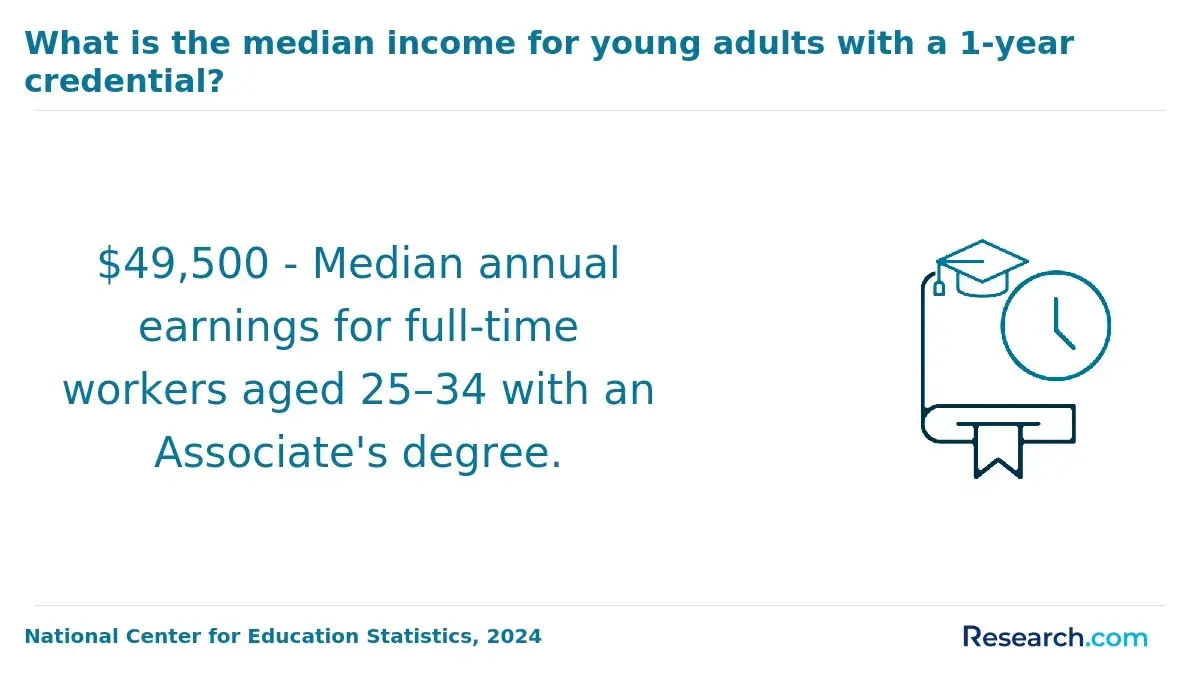
Choosing an online criminal justice program requires balancing duration, cost, and practical skill acquisition against career objectives. Typical completion times range from two years for associate degrees to four years for bachelor's programs, though accelerated pathways condense this to 2.5-3 years with significant weekly credit demands. Part-time students, often professionals managing work commitments, should prepare for extended timelines exceeding five years.
Cost structures differ sharply by institution and residency: public universities charge $150-$400 per credit for in-state students, leading to bachelor's degree totals near $30,000 to $60,000. Private institutions typically surpass $400 per credit, sometimes exceeding $80,000. Additional online technology fees add $200-$600 annually. These figures must be weighed alongside curricular content, especially programs integrating digital forensic science and data analysis-skills increasingly mandated by employers for handling electronic evidence in investigations.
Employers prioritize candidates with direct experience in evidence protocols, making a program's practical components crucial despite higher costs or longer completion periods. Working professionals should consider opportunity costs tied to extended study, potentially opting for hybrid models blending online coursework with in-person practicum requirements to meet industry standards.
- Associate degrees usually take about 2 years
- Bachelor's programs require roughly 4 years, accelerated formats demand heavy weekly workloads
- In-state tuition ranges from $150 to $400 per credit at public universities
- Private college rates often exceed $400 per credit
- Technology fees add $200-$600 annually in online programs
What criminal justice careers rely heavily on strong evidence handling knowledge?
Effective evidence handling is a critical competency in law enforcement and forensic science, directly influencing case outcomes and professional credibility. For instance, detectives working complex cases such as homicides or sexual assaults must preserve physical, digital, and testimonial evidence without contamination to maintain prosecutable integrity. This requires coordinating exacting chain-of-custody protocols with forensic laboratories and legal teams to withstand courtroom scrutiny.
Forensic scientists transform raw samples into admissible analyses, demanding rigorous adherence to contamination prevention and documentation standards. Legal investigators and crime scene analysts enhance trial strategies through meticulous scene recording and by identifying subtle evidence often overlooked, which can shift legal arguments significantly.
Professionals face operational challenges including the retrieval of electronic evidence, maintaining exhaustive records under time constraints, and regularly updating techniques as forensic technology evolves. Employers emphasize precision in packaging, labeling, and secure transportation throughout evidence processing, underscoring the legal ramifications of mishandling.
- Median annual wages for police and detectives reached $77,270 as reported by the U.S. Bureau of Labor Statistics, reflecting demand for reliability and technical expertise.
- Vocational training often simulates high-pressure scenarios, developing practical skills aligned with employer expectations and courtroom realities.
- Coursework integrates legal considerations, evidence management, and technological competencies essential for maintaining professional standards.
What are the salary expectations and job outlook for evidence-focused criminal justice roles?
Evidence-focused roles in criminal justice offer varied salaries heavily influenced by credentials, employer type, and location. Median wages range from $52,000 to $78,000 annually, with forensic science technicians commonly earning near $62,000. Federal or metropolitan jobs can push earnings above $85,000. This wage spread reflects the specialized skills and clearance requirements essential in these positions.
Job growth for forensic specialists is projected at about 11% over a decade, driven by increasing crime lab caseloads and demand for advanced evidence analysis expertise. However, employment outcomes depend on more than a bachelor's degree. Certifications such as the International Association for Identification's Certified Evidence Technician and practical experience with digital evidence protocols significantly impact employability and salary.
Students weighing educational paths should carefully consider tuition cost versus return on investment. Eastern Oklahoma State College Online, for example, charges $668.80 per credit hour for non-resident tuition, underscoring how residency can sharply affect debt and earning potential. Aligning program focus with the forensic science subfields favored by employers is critical, as some labs prioritize familiarity with specific analytic techniques or legal procedures.
Real-world work demands include managing chain-of-custody for sensitive digital case materials and overtime during complex investigations. These scenarios highlight the necessity of accredited, rigorous training to avoid procedural errors that can jeopardize careers and case outcomes.
Are certifications or specialized training in evidence handling needed after earning a degree?
Certification and specialized training in evidence handling can determine employability and career trajectory more decisively than a criminal justice degree alone. While the degree lays foundational knowledge, practical certification in chain-of-custody protocols, forensic technology, and legal compliance is often mandatory, especially for roles such as crime scene technicians or forensic analysts. Employers prioritize credentials like Forensic Evidence Technician (FET) or POST evidence endorsements, which validate competency beyond academic theory.
For example, William Paterson University's accelerated online criminology and criminal justice track accepts up to 30 professional experience credits, illustrating how real-world skills can shorten academic progress. This integration is vital since improper evidence handling remains a leading cause of case dismissals and wrongful convictions according to the National Institute of Justice, with workforce data showing professionals without certifications face longer onboarding and fewer advancement opportunities.
Training requirements differ by specialization: digital evidence handlers must stay current with cybersecurity tools, while physical evidence specialists focus on contamination prevention and precise documentation. Prospective students and career changers should evaluate programs based on whether they facilitate recognized certifications concurrently, reducing barriers to employment and aligning education with evolving employer expectations.
- Certifications often make employment more accessible and expedite advancement.
- Academic credit for experience can lessen time-to-degree.
- Field specialization requires ongoing, targeted training beyond formal education.
How can students choose a reputable online criminal justice program emphasizing evidence handling?
Programs emphasizing evidence handling within online criminal justice degrees must prioritize accreditation from U.S. Department of Education or regional bodies and focus narrowly on forensic methodologies rather than broad criminal justice surveys. Employer preferences clearly favor graduates with concrete skills in evidence management, such as digital forensics and chain of custody protocols, over purely theoretical knowledge.
Consider a narcotics enforcement agency seeking candidates: those trained in hands-on evidence preservation and courtroom-ready procedures hold a distinct advantage over those exposed only to general criminal justice topics. Verifying faculty expertise and the integration of current forensic technologies aligned with the 2024 National Institute of Justice forensic science report is essential.
Practical measures of program quality include alumni employment rates and availability of internships with accredited agencies that enable fieldwork experience crucial for mastering evidence handling. Logistical factors such as program flexibility and established placement connections must be weighed carefully to avoid enrolling in programs lacking sufficient training or recognition.
Cost remains a significant consideration; for instance, Griffith University's online Bachelor of Criminology and Criminal Justice lists a first-year tuition of $17,400, serving as a comparative benchmark for evaluating value relative to curriculum depth and internship support based on Open Universities Australia data.
Other Things You Should Know About Criminal Justice
Prior law enforcement experience is not mandatory but can accelerate comprehension of evidence handling concepts by providing practical context. Without this background, students should prioritize programs with robust foundational modules and opportunities for simulated or live case exercises. Prospective students lacking field experience must be ready to invest more time in mastering procedural details that experienced peers might already understand.
In 2027, online criminal justice degrees utilize virtual labs and simulations to offer practical evidence handling skills alongside theoretical coursework. These programs may include partnerships with law enforcement agencies, allowing access to real-world case studies and guest lectures from industry experts.
Accelerated programs offer faster entry into the workforce but often reduce hands-on training time and depth of complex topics like forensic analysis and chain-of-custody procedures. Traditional-length programs provide more comprehensive coverage and chances to build professional networks. Decision-makers should weigh immediate employment goals against the need for thorough preparation in evidence handling skills demanded by investigating agencies.
Programs linked to law enforcement agencies provide clearer pipelines to internships, mentorships, and relevant job placements, which matter significantly in evidence handling roles. Such partnerships enhance curriculum relevance and practical exposure to current standards and technologies. Students targeting careers in evidence management should focus on programs with established agency collaborations to improve employability and applied skill development.
References
- Should You Get Your Master’s Degree in Criminal Justice Online? | CSU Global https://csuglobal.edu/blog/should-i-get-my-masters-degree-in-criminal-justice-online
- Best Online Criminal Justice Program | University of Bridgeport https://www.bridgeport.edu/news/best-online-criminal-justice-programs/
- Learn Crime Scene Investigation Online https://www.sifs.in/blog-details/learn-crime-scene-investigation-online
- Best Online Associate Degrees in Criminal Justice: A Comprehensive US Guide https://lakewood.edu/best-online-associate-degrees-in-criminal-justice-a-comprehensive-us-guide/
- Find Top Online Bachelor's In Criminal Justice Programs https://www.accreditedschoolsonline.org/criminal-justice/bachelors/
- Analyze the Jobs Available for Criminal Justice Majors https://www.criminaljusticeprograms.com/articles/10-jobs-you-can-get-with-a-criminal-justice-degree/
- Career Opportunities With a Criminal Justice Degree in Michigan https://online.nmu.edu/criminal-justice-degree-in-michigan-careers/
- Which Criminal Justice Job Is Right for You? https://www.ucumberlands.edu/blog/criminal-justice-jobs
- How a Criminal Justice Degree Could Support Long-Term Skill Development https://www.aiuniv.edu/degrees/criminal-justice/articles/online-criminal-justice-degree-advancement
- Choosing a Criminal Justice Concentration https://www.allcriminaljusticeschools.com/blog/how-to-choose-the-right-criminal-justice-concentration/