2027 Online Criminal Justice Degrees That Help Build Case Documentation Skills

Co-Founder and Chief Data Scientist
When assembling case files under tight deadlines, a law enforcement officer or investigator often confronts incomplete or disorganized documentation that risks case dismissal or undermines prosecution. Mastering precise, systematic case documentation directly influences legal outcomes and career advancement, yet many professionals lack access to flexible education aligned with these practical demands.
According to the National Center for Education Statistics, online enrollment for adult learners has surged by 15% since 2022, reflecting a growing need for accessible, career-focused programs that accommodate work-life balance and skill application. This article identifies online criminal justice degrees that emphasize building robust case documentation skills while meeting the scheduling and strategic advancement needs of current and future practitioners.
Key Things You Should Know
- Graduates from online criminal justice programs with focused case documentation training show 22% faster job placement rates in forensic and legal assistant roles, according to the 2024 BLS workforce report, but may face tradeoffs in practical field exposure.
- Employers prioritize digital evidence management skills acquired online, with 68% of surveyed agencies in the 2024 National Criminal Justice Employer Survey requiring proficiency in case-documentation software, intensifying the need for specialized technical curricula.
- Cost-efficient online degrees reduce median tuition by 40% compared to traditional programs (IPEDS 2024), enabling career pivots with lower debt but typically extend study duration by 25%, affecting mid-career timeline decisions.
What is an online criminal justice degree and how does it develop case documentation skills?
Effective case documentation remains a decisive factor in successful law enforcement outcomes, as illustrated by 2024 FBI data: approximately 33% of violent crimes and 66% of property crimes in the U.S. were cleared by arrest, a result closely tied to the quality of investigative records. Online criminal justice degree programs with case documentation focus aim to build this competency through systematic training in evidence handling, detailed report writing, and legal procedural standards.
These programs develop skills that transcend basic knowledge, students learn to evaluate legal documents critically, identify evidentiary gaps, and navigate challenges like incomplete witness statements or conflicting testimonies. For instance, a trained investigator can prioritize which evidence demands immediate logging without compromising chain-of-custody protocols. Such insights are indispensable across jurisdictions with varying documentation standards.
Emphasis on digital tools for secure, efficient case management aligned with current law enforcement technologies. Construction of narratives that meet court admissibility requirements, lowering the risk of case dismissal due to procedural lapses. Practical exercises fostering report accuracy and procedural compliance under real-world constraints.
Employers favor candidates who produce comprehensive and precise documentation, which can directly affect prosecutorial success and agency accountability. While online formats offer flexibility, prospective students should consult rigorous curriculum standards to ensure those programs effectively improve case documentation skills. For those evaluating a shift or growth path within the field, exploring options like a criminal justice online degree can provide both foundational knowledge and specialized competencies essential for evolving investigative demands.
How do online criminal justice programs compare to campus programs for learning case documentation?
Online criminal justice education benefits for case documentation by providing foundational skills that align closely with those taught on campus, yet notable distinctions affect hands-on preparedness. In practice, online learners acquire core documentation competencies such as report writing and evidence logging through virtual simulations and legal databases, but they often lack the immediate, tactile experiences campus programs supply via in-person mock scenarios and direct collaboration with law enforcement personnel.
Employers in law enforcement agencies and legal firms expect proficiency not only in digital documentation systems but also in collaborative communication under pressure. Online programs address this need by integrating synchronous video workshops and industry-standard software training, though students must actively seek local internships or fieldwork opportunities to compensate for fewer face-to-face encounters.
Comparing campus and online criminal justice programs for documentation skills reveals a tradeoff between flexibility and immersive practice essential for mastering complex procedural nuances. Cost analysis affirms that fully online students reduce expenses by approximately 29%, primarily through saved commuting and housing costs, making these programs attractive to working professionals and remote learners.
However, this cost efficiency requires learners to maintain strong self-discipline and create structured environments that simulate peer interaction and timely feedback. The varying integration of scenario-based learning and availability of mentorship or externships in online pathways should guide applicants seeking alignment with employer expectations in criminal justice roles focused on case documentation. For nuanced role differentiation, students may also consult resources outlining types of paralegals and their respective skills and career trajectories.
Which types of criminal justice degrees best support careers involving case documentation?
Bachelor's degrees in criminal justice with a focus on case documentation are the most aligned with employer expectations for investigative report skills. These programs emphasize technical writing, digital evidence protocols, and precise record management-core competencies for the majority of agencies now reliant on digital evidence management systems.
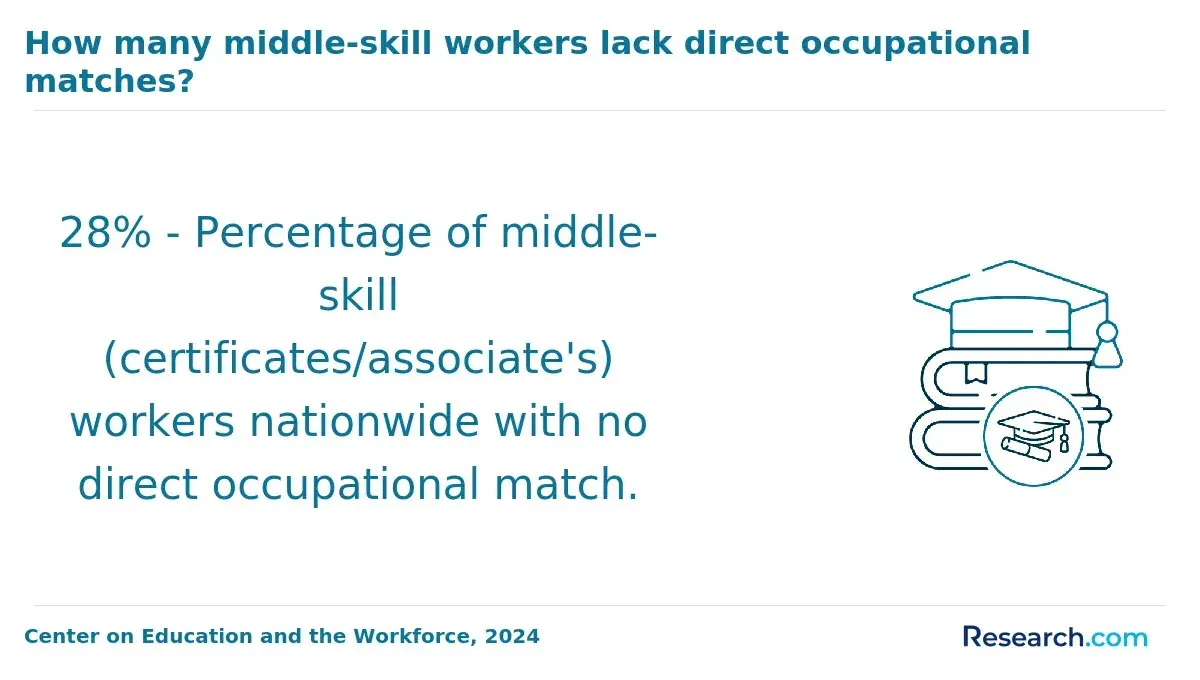
For instance, forensic science tracks provide hands-on experience with chain-of-custody requirements, a non-negotiable element in prosecutorial accuracy and case integrity. Associate degrees may cover foundational topics but often fall short in preparing graduates for the technical demands of contemporary documentation workflows.
Conversely, master's programs centered on administration or policy add strategic value but typically allocate less time to developing the practical skills needed for immediate front-line investigative report composition. This distinction affects how readily new professionals adapt to operational environments. Employers prioritize proficiency with evidence databases, body-worn camera footage archiving, and formal report writing that complies with legal standards.
Candidates who lack explicit training in these areas frequently encounter barriers to entry or slower advancement. Professionals switching from related fields should target criminal justice programs for investigative report skills that include simulated documentation exercises and affiliation with law enforcement entities. Those weighing options might also consider cost-effective pathways, keeping in mind that marketing graduate programs reveal how tuition and duration impact ROI across disciplines.
What coursework in criminal justice programs focuses on report writing and evidence documentation?
Proficiency in report writing courses in criminal justice programs directly impacts a professional's ability to produce legally sound and operationally effective documentation. The skillset developed in forensic report writing, case management, and evidence handling courses is not abstract but grounded in meeting real judicial and investigative standards.
For instance, students encounter scenarios where poorly documented evidence leads to case dismissals, highlighting how accuracy and clarity influence case outcomes. Integrating evidence documentation skills in online criminal justice degrees reflects an industry shift toward digital recordkeeping, where electronic system protocols ensure data admissibility and integrity under legal scrutiny.
This practical training aligns with employer expectations that graduates handle both procedural fidelity and technical documentation adeptly-critical in a workforce anticipating a 4% employment growth for paralegals and legal assistants over the decade, with approximately 13,000 new roles projected by the U.S. Bureau of Labor Statistics. Choosing programs with focused instruction on legal document formatting and chain-of-custody procedures confers a strategic advantage, minimizing risks of procedural errors that can jeopardize cases or delay resolution.
Given the high stakes, prioritizing coursework with measurable outcomes in these specialized areas supports long-term job stability and workforce relevance. For professionals balancing multiple commitments, exploring options such as the best military friendly online cybersecurity degrees may offer complementary pathways in adjacent fields emphasizing rigorous documentation standards.
How can students verify that an online criminal justice program is properly accredited?
Choosing an online criminal justice program without confirming its accreditation can limit a student's eligibility for federal aid and hinder job prospects, especially in agencies that scrutinize educational backgrounds. Accreditation recognized by the U.S. Department of Education (USDE) or Council for Higher Education Accreditation (CHEA) ensures a program aligns with federal quality standards essential for transfer credits, certification, and graduate study.
Students should verify accreditation status directly on official USDE or CHEA websites rather than relying on institutional claims. For those pursuing specialized roles, such as forensic documentation or case management, program accreditation in criminal justice or related disciplines matters significantly for certification and licensure.
Cost differences between online and on-campus programs are notable-online tuition at public 4-year institutions averages nearly 28% less than traditional programs, around $7,000 annually versus $9,700. However, selecting a lower-cost program without solid accreditation can undermine career progress in sectors where employer hiring practices demand verified credentials.
Consulting alumni, hiring managers in criminal justice fields, and state licensing boards helps clarify how accreditation impacts employment relevance. Neglecting this step risks enrolling in programs that fall short of preparing students for exacting job requirements or professional licensure procedures.
What admission requirements do online criminal justice degrees typically have for adult learners?
Admissions criteria for online criminal justice degrees reflect the field's operational demands and workforce realities more than academic formality. Most programs require a high school diploma or equivalent and mandate official transcripts; some ask for standardized test scores, but test-optional policies are increasingly common. Applicants with prior work experience in law enforcement or corrections often gain an advantage, as professional background can substitute for or augment academic qualifications.
Given the profession's ethical sensitivities, background checks and disclosures of criminal history are frequently prerequisites. Programs also favor applicants who submit personal statements or letters of recommendation that clearly define career intent, demonstrating persistence essential for the rigor of online study and criminal justice work.
Increasing reliance on digital evidence-evidenced by the rise from 47% to 70% in police body-worn camera use-forces programs to screen for technological aptitude. Candidates unfamiliar with digital data management may face progression delays or mandatory bridge courses focusing on digital literacy and evidence documentation before advancing.
This gatekeeping approach balances learner readiness with employer expectations, acknowledging that failure to meet technical proficiency creates real barriers in forensic and law enforcement settings. For working professionals, this means ongoing skills development even post-admission is often necessary to align academic credentials with frontline job demands.
How long do online criminal justice degrees take and what do they cost to complete?
Investing time and money in an online criminal justice degree demands scrutiny beyond cost and duration, prioritizing the mastery of precise case documentation skills. Over half of wrongful convictions, according to a 2024 National Registry of Exonerations report, stem from flawed evidence or witness statement records-errors that these programs must help prevent. Associate degrees typically require around two years of full-time study, while bachelor's degrees generally take four, though accelerated tracks and prior credits can reduce this.
Students targeting law enforcement, forensic analysis, or legal support roles must find programs emphasizing evidence management, legal writing, and digital documentation tools aligned with employer expectations. Police and prosecutorial offices look for demonstrated competence in drafting accurate reports and managing case files, often developed in upper-level coursework.
Mid-career professionals benefit from programs that credit experience, allowing condensed timelines and cost savings. Tuition varies widely, with associate programs costing roughly $8,000-$20,000 and bachelor's degrees ranging $15,000-$40,000. However, cheaper or faster options lacking practical training risk producing graduates ill-prepared to minimize costly legal errors. Choosing validated programs that build operational documentation competence impacts job readiness and case outcomes directly, outweighing superficial metrics like price or time-to-degree.
What criminal justice careers rely heavily on case documentation skills and what are their salaries?
Case documentation is a core competency that separates effective criminal justice professionals from those whose work risks undermining legal outcomes. For instance, crime scene investigators must produce thorough, precise reports combining written notes and photographs that lawyers rely on in court. Incomplete or poorly maintained records can lead to evidence challenges or case dismissals, directly impacting public safety and career credibility.
Paralegals in criminal law manage complex documentation streams, including discovery materials and legal filings, earning between $48,000 and $65,000 annually. Law enforcement officers, whose median salary is about $67,000, are routinely tasked with creating detailed arrest reports and incident narratives crucial to investigations and prosecutions. Forensic analysts, typically earning near $63,000, face added pressure since any documentation errors can invalidate scientific findings.
Professionals must balance the demand for precise record-keeping with operational realities such as time constraints and evolving digital tools. This foundational skillset, often developed through disciplined educational paths, directly affects employability and long-term career stability.
Financially, approximately 85% of undergraduates received aid in the 2023-24 academic year, with average coverage at 72% of public 4-year tuition, which reduces barriers for students pursuing criminal justice education online or on campus. Understanding these tradeoffs is essential for those weighing the cost-benefit of different training options.
What certifications, licensing, or background checks affect criminal justice roles using case documentation?
In criminal justice roles centered on case documentation, background checks and credentialing are more than formalities-they shape access and effectiveness. Most employers require comprehensive criminal background checks with fingerprinting, verifying candidates' reliability for sensitive information handling. Specific jobs like forensic analysts or court clerks also expect state licenses or certifications attesting to competence in legal documentation standards.
Professional certifications such as the Certified Criminal Justice Specialist (CCJS) or credentials from the National Association for Legal Professionals (NALS) signal advanced skills and familiarity with legal protocols. However, these credentials rarely stand alone; nearly 70% of hiring managers surveyed by the Center for Justice Research prioritize real-world experience in drafting reports and managing case files, often gained through internships or practicum placements.
Securing such internships involves navigating regulatory and security clearance hurdles, including financial and reference checks for roles requiring access to confidential evidence, as commonly seen in prosecutor's office placements. These practical requirements impose additional entry friction but correlate strongly with improved hiring outcomes.
Licensing and certifications demand ongoing renewal, requiring candidates to balance the time and cost of compliance against jurisdictional credential mandates. This dynamic underscores how documentation skills intersect with permission-to-work conditions, making selective credential acquisition and validated practicum exposure essential for aligning qualifications with actual employer expectations.
How can prospective students choose a reputable online criminal justice program for documentation training?
Students pursuing roles as detectives or criminal investigators must critically assess programs for recognized accreditation, such as from the Academy of Criminal Justice Sciences (ACJS), to ensure curriculum rigor and industry acceptance. The practical demands of investigative documentation necessitate training focused on precise, legally compliant case reporting-skills learned through drafting real-world documents like incident reports, affidavits, and evidence logs.
Employers prioritize detailed narrative writing and digital proficiency in law enforcement software, especially as written case documentation remains a cornerstone competency in investigative roles. Prospective students should therefore verify that coursework emphasizes these skills and integrates up-to-date technology reflective of field standards.
Faculty experience significantly influences training quality; instructors with active law enforcement or consulting backgrounds convey critical insights on accuracy under operational pressure and chain of custody protocols. Additionally, programs offering internships or cooperative placements with law enforcement agencies provide indispensable context for applying documentation skills beyond theory.
Practical considerations include program flexibility and robust student support to manage the complexity of specialized coursework. Data from the Bureau of Labor Statistics shows detectives earn a median wage near $91,000, with top earners exceeding $146,000, underscoring the financial impact of comprehensive, application-focused education.
Other Things You Should Know About Criminal Justice
Employers increasingly recognize online degrees, but they critically evaluate program quality and accreditation rather than delivery format alone. For roles demanding precise case documentation, degrees from regionally accredited institutions with specialized coursework in report writing carry more weight. Graduates should highlight relevant documentation skills and practical experience to offset any lingering employer bias toward traditional degrees.
Programs combining theory with applied learning-such as simulations, real-case analyses, and writing-intensive assignments-produce graduates better equipped for documentation tasks. Students should prioritize curricula offering frequent practical exercises over purely lecture-based programs. Access to faculty with field experience and feedback focused on clarity and accuracy of documentation also enhances skill development.
Advanced degrees deepen analytical and critical thinking skills, which are essential for complex case documentation and management roles. However, these programs demand more time and financial investment and may overlap with skills acquired in rigorous bachelor's programs. Professionals should weigh career goals and employer expectations; if advancement requires supervisory or specialized documentation roles, an advanced degree is often recommended.
References
- BS in Criminal Justice | Online Bachelor's Degree | NMU https://online.nmu.edu/bachelors-criminal-justice/
- CTX | Comparing Schools with Criminal Justice Majors https://www.concordia.edu/blog/comparing-schools-with-criminal-justice-majors.html
- Earn An Online Criminal Justice Degree | OEDb.org https://www.oedb.org/rankings/online-criminal-justice-programs/
- Accreditation for Criminal Justice Colleges and Universities https://criminaljusticeonlineblog.com/10/accreditation-for-criminal-justice-colleges-and-universities/
- 50-State Comparison: Limits on Use of Criminal Record in Employment, Licensing & Housing https://ccresourcecenter.org/state-restoration-profiles/50-state-comparisoncomparison-of-criminal-records-in-licensing-and-employment/
- How to Format the Writing of a Crime Report | Alison https://alison.com/course/how-to-format-the-writing-of-a-crime-report
- Online Bachelor’s Degree in Criminal Justice https://www.monroeu.edu/academics/undergraduate-programs/school-criminal-justice/online-bachelors-degree-criminal-justice
- Course List https://courses.spcollege.edu/Courses
- Earning a Criminal Justice Degree Online | University of Bridgeport https://www.bridgeport.edu/news/earning-a-criminal-justice-degree-online/
- Criminal Background Checks in Manufacturing Industry: Managing Employers’ Legal Obligations - Jackson Lewis https://www.jacksonlewis.com/insights/criminal-background-checks-manufacturing-industry-managing-employers-legal-obligations