2027 Best Online Criminal Justice Degrees for Mid-Career Public Safety Professionals

Co-Founder and Chief Data Scientist
Mid-career public safety professionals often confront a critical bottleneck: advancing their roles without stepping away from demanding schedules or risking income loss. Traditional degree programs rarely accommodate shift work or unpredictable hours intrinsic to law enforcement, firefighting, and emergency management careers. The National Center for Education Statistics reports a 25% rise in adult learners enrolling online since 2023, reflecting a broader shift toward flexible, accessible education.
This trend signals realignment in how professionals can integrate credentialing with work obligations, impacting timing, curriculum choice, and employer recognition. This article evaluates top online criminal justice degrees designed for public safety personnel to optimize career growth and scheduling constraints.
Key Things You Should Know
- In 2024, while accelerated criminal justice degrees reduce time-to-degree by up to 40%, they often trade depth in specialized areas, potentially limiting advancement in niche fields like cybercrime investigations.
- Employers prioritize candidates with interdisciplinary skills combining criminal justice and data analytics, reflecting a 22% growth in tech-integrated roles reported by the Bureau of Labor Statistics through 2032.
- Mid-career professionals face heightened tuition inflation-averaging 5.8% annually in public universities since 2022-making program ROI contingent on employer tuition support and accelerated credentialing options.
What makes an online criminal justice degree a strong option for mid-career public safety professionals?
Mid-career public safety professionals often face the challenge of advancing within their roles without sacrificing ongoing employment. Flexible criminal justice programs for mid-career law enforcement personnel deliver a critical balance between work obligations and educational progress. These programs accommodate shift work and family responsibilities by allowing asynchronous coursework completion, a clear operational advantage over traditional campus settings.
Fifty-eight percent of employed U.S. law enforcement and public safety staff reported in a 2024 National Police Foundation survey that further education is primarily pursued to increase promotion chances and salary potential. The practical impact of online criminal justice degrees for experienced public safety professionals lies largely in meeting employer-mandated formal credentials for advanced or specialized positions. However, students should carefully evaluate program content to ensure inclusion of applied subjects such as updated criminal law, forensic science, and community policing strategies-elements essential for direct field applicability.
Operational tradeoffs also include accommodating technology requirements, reliable internet access, and the potential need for hybrid learning to fulfill certifications necessitating in-person participation. These factors can affect scheduling and expenses, influencing program suitability based on individual circumstances.
For those considering this educational path, a thorough review of options, including affordability, is crucial. Resources like the bachelor's degree in criminal justice listings provide data-driven insights to balance cost against practical value.
How do online criminal justice degrees compare to campus programs in flexibility, quality, and outcomes?
Online criminal justice degree flexibility benefits for public safety professionals often outweigh traditional campus constraints, especially for those balancing variable work hours and family responsibilities. Asynchronous coursework enables law enforcement, fire, and corrections personnel to progress without sacrificing professional demands.
However, students must arrange local internships independently, which can delay certification when practicum opportunities are scarce. In contrast, campus programs typically embed hands-on training and direct employer networking essential for jurisdictions with strict licensing requirements. Quality and career outcomes of online versus campus criminal justice programs converge in foundational curriculum rigor due to accreditation standards, yet real-world skill application requires proactive engagement by online students.
Employment data confirm that mid-career protective service workers with a bachelor's degree earn roughly $14,000 more annually than those with only high school credentials, regardless of delivery method. Employers prioritize demonstrated knowledge and competencies over program format, although on-campus connections can accelerate job placement.
Decision-making hinges on personal discipline and access to practical experiences. Professionals lacking stable internship options may face longer pathways in online formats, while campus programs may demand inflexible scheduling incompatible with shift work. Candidates seeking to enhance credentials without career interruption often find online study strategically viable. Additionally, those exploring extended legal services roles may consider related fields like paralegal courses online to complement criminal justice expertise.
Which types of online criminal justice degrees best fit experienced public safety professionals?
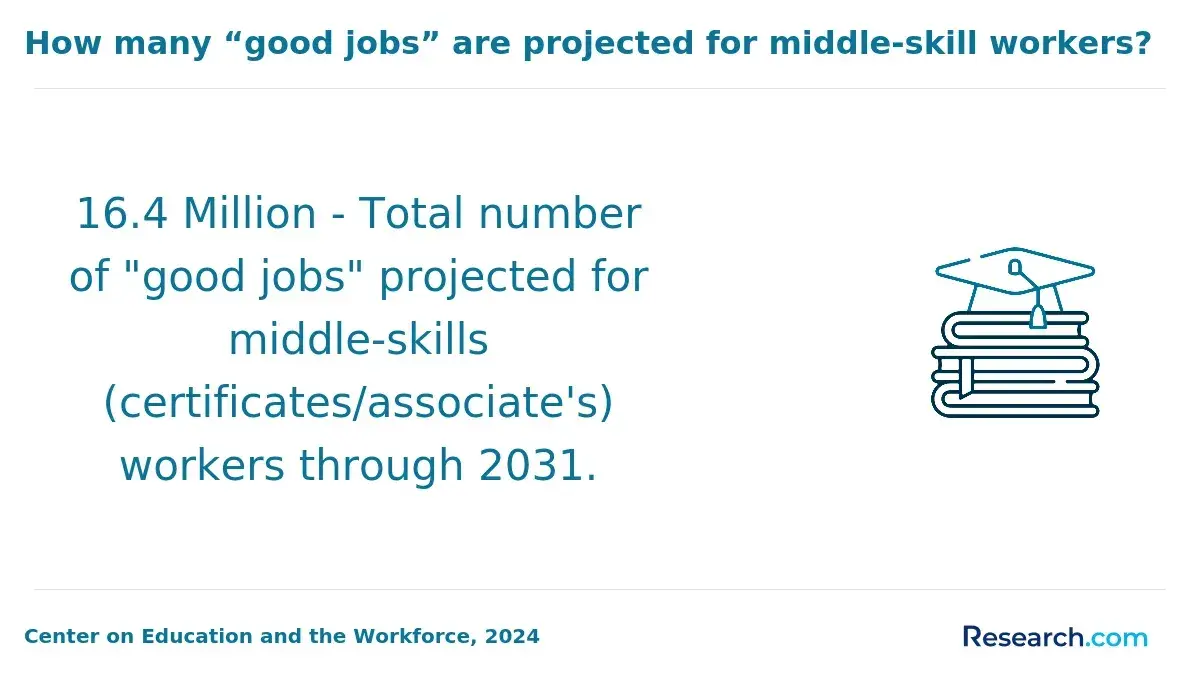
Advanced criminal justice degrees tailored for mid-career public safety workers emphasize leadership and management skills critical to supervisory roles rather than foundational theory. For instance, a police sergeant pursuing promotion must develop expertise in budget oversight, interagency coordination, and policy updates-competencies that specialized programs address through case studies and management simulations.
This focus distinguishes such programs from general criminal justice curricula weighted heavily toward forensic science or criminology, which offer limited direct applicability to command-track professionals. Experienced practitioners evaluating online criminal justice degree programs for experienced public safety professionals should prioritize curricula balanced between theoretical insight and applied law enforcement administration.
Key considerations include accreditation, state certification alignment, and credit for prior experience or military service to reduce time and costs without compromising academic rigor. Specialized programs in leadership or executive administration provide practical frameworks for personnel management and departmental reform essential to mid-level career advancement.
Employment data highlights a median salary near $106,040 for graduates in supervisory law enforcement roles, with a modest 2.9% job growth projection, illustrating a niche market valuing combined field and academic expertise. Candidates must navigate the complexity of program demands while maintaining full-time work, making flexible pacing an operational necessity. Those interested in content with a strong forensic orientation can consult rankings of online colleges for forensic science, but should carefully weigh relevance against direct career application.
How can you verify accreditation and program quality for online criminal justice schools?
Accreditation standards for online Criminal Justice programs critically shape workforce outcomes and institutional credibility. Employers and federal financial aid eligibility depend on regional accreditation recognized by the U.S. Department of Education or CHEA. Verifying such accreditation through official databases helps avoid enrolling in unaccredited or low-quality offerings that jeopardize career goals.
Verifying program quality for mid-career public safety degrees means focusing on concrete performance metrics: graduation rates, retention, and job placement in law enforcement, corrections, or legal analysis roles. Programs lacking transparent, recent data on these factors often fall short in aligning curriculum and faculty expertise with evolving sector demands.
Tuition costs must be weighed against demonstrated program value. For instance, Fort Hays State University's $203.73 per credit hour rate stands out as an unusually affordable option among regionally accredited schools serving working adults, offering better return on investment when paired with verified accreditation. However, lower cost alone is insufficient without evidence of relevant instruction quality and flexibility to accommodate ongoing employment.
Program features like asynchronous coursework and flexible credit transfer policies mitigate common barriers for working professionals balancing education and career progress. Beyond institutional claims, third-party resources such as the Integrated Postsecondary Education Data System (IPEDS) provide necessary cross-validation of outcomes.
Prospective students comparing pathways that intersect with public safety roles should also consider related occupations and their educational routes; resources on how to become a sports analyst illustrate overlapping demands for analytical skills and practical experience across distinct fields.
What concentrations and coursework are most valuable for advancing in public safety careers?
Mid-career professionals aiming to pivot within public safety must weigh specialization against operational demands. Concentrations in forensic science, fraud examination, or intelligence analysis align closely with employer priorities but differ in required competencies and workplace expectations. For instance, fraud investigators focus on transactional data and legal frameworks, while forensic specialists need applied evidence-handling skills validated through lab practicums. Intelligence roles demand expertise in geospatial tools and open-source intelligence, often tied to counterterrorism efforts.
Growth in fraud investigation positions averages 3.1% annually, with median salaries around $81,100, suggesting relatively stable demand in financial crime sectors. Forensic specialists and intelligence officers typically command higher median wages near $93,790, reflecting the premium on advanced analytic and threat assessment skills employed by federal and local agencies.
Programs that emphasize hands-on, scenario-based projects over theory better prepare candidates for immediate operational impact. Time constraints common among mid-career learners favor flexible, modular designs-particularly hybrid models combining online coursework with episodic fieldwork aligned with current technology platforms. Choosing a path requires assessing how well the curriculum's skill certifications translate to specific employer expectations and time-to-market for new roles.
What admission requirements do online criminal justice programs have for working adults?
Applicants to online criminal justice programs tailored for working adults confront a distinct set of requirements that prioritize relevant career experience over traditional academics. For instance, candidates with two or more years in law enforcement or corrections often bypass standardized tests like the SAT or ACT. This acknowledges the sector's emphasis on practical expertise rather than purely academic metrics.
Asynchronous course delivery demands technical readiness, including reliable internet access and digital literacy, which can be a barrier for some mid-career professionals managing full-time employment. Purdue Global data illustrates that online criminal justice students are more than twice as likely to maintain full-time jobs during study compared to on-campus peers, forcing programs and applicants alike to balance workload pacing and employer expectations.
Key admission components often include submitting official transcripts or proof of prior learning, letters of recommendation from supervisors, and a detailed statement aligning career objectives with degree outcomes. Some programs accept military or professional experience as credit, mitigating total coursework and accelerating completion.
How long do online criminal justice degrees take, and what schedules suit mid-career learners?
Mid-career professionals pursuing criminal justice degrees face a critical choice between program length and schedule flexibility, with direct consequences on their ability to maintain employment and advance within public safety roles. Accelerated programs compress coursework into 6-9 months but require a demanding 15-20 hours weekly commitment, which many working officers cannot sustain due to unpredictable shift patterns and overtime.
Asynchronous learning with on-demand lectures suits shift workers such as corrections sergeants or customs officers, enabling progress without fixed class times that conflict with irregular schedules. Delays from inflexible formats risk lost promotional opportunities in agencies that increasingly mandate bachelor's or master's degrees for advancement. Median salaries for mid-career public safety officers range between $76,210 and $77,970, underscoring the importance of timely completion to capitalize on these earnings.
Students must assess programs for key operational features:
- Transparent credit transfer policies minimizing redundant coursework.
- Career support tailored to public safety employment cycles.
- Tuition structured to avoid financial interruptions.
Choosing between an intensive short-term track and a longer, part-time path depends on job stability, current income, and capacity for academic workload. Those navigating this balance effectively position themselves to convert academic credentials into tangible career and salary gains despite the volatility inherent in frontline public safety roles.
What tuition, fees, and financial aid options should public safety professionals consider online?
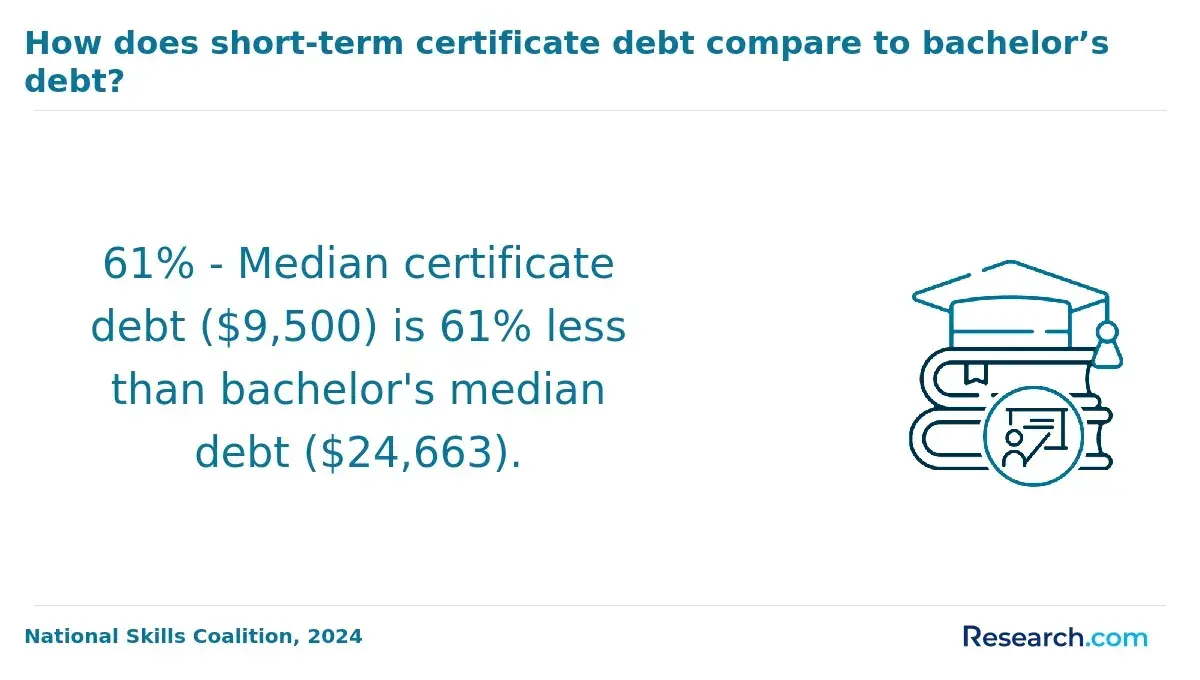
Mid-career public safety professionals face a critical calculation when returning to school: balancing tuition costs against lost income and time. Kennesaw State University's online BS in Criminal Justice offers a capped tuition rate of $190 per credit under the Georgia ONmyLINE program, resulting in an estimated $22,800 total cost. This per-credit model benefits those transferring previous credits or seeking accelerated formats by reducing overall debt and shortening time to degree completion.
Financial aid options such as federal Pell grants, employer tuition reimbursement, and targeted scholarships tied to criminal justice and government employment play a significant role in offsetting these costs. However, these often come with service obligations that can constrain job mobility or require continued employment in specific roles. For example, a professional aiming for promotion to detective or supervisor must weigh how education expenses align with anticipated salary progression and unpaid study hours.
Choosing programs with transparent per-credit pricing can simplify financial planning compared to traditional tuition models that often conceal fees or incremental charges. Prioritizing programs documented for clear cost structures and integrated financial aid minimizes unexpected expenses and helps optimize long-term returns on investment without introducing unwarranted flexibility constraints.
In sum, the practical value of an online BS in Criminal Justice hinges on a thorough assessment of direct costs, aid conditions, and career trajectory impacts within the public safety workforce.
What career paths, promotions, and leadership roles can an online criminal justice degree support?
Mid-career professionals pursuing an online criminal justice degree often weigh its impact against the demands and realities of their current roles. Such degrees facilitate transitions into supervisory and executive positions-like forensic analysts or homeland security specialists-where advanced knowledge in policy, technology, and management is non-negotiable. For instance, a law enforcement officer aiming for a forensic science leadership role must acquire skills in evidence analysis and lab oversight beyond typical policing competencies to remain relevant.
Workforce projections from Monroe University, citing U.S. Bureau of Labor Statistics data, indicate growth in master's-level specialties such as forensic science will outpace average employment gains through 2034. This creates openings for professionals equipped to tackle complex areas like cybercrime and terrorism.
However, earning an online degree is not without challenges. Students must balance coursework with irregular shifts and confirm that program curricula align with their target roles. Additionally, leadership roles frequently require certifications or security clearances beyond academic credentials, potentially delaying or limiting promotion.
Key considerations include:
- The necessity of specialized knowledge for advancement beyond fieldwork.
- Logistical tradeoffs between study, certification, and operational duties.
- Recognition that certain agency leadership roles may demand non-academic qualifications.
Ultimately, an online criminal justice degree can broaden career trajectories into policy development, instruction, or multi-agency administration where practical leadership skills complement graduate-level learning.
What are the salary expectations and job outlook for criminal justice and public safety roles?
Salaries in criminal justice and public safety increasingly reflect measurable progression tied to education and relevant experience. Mid-level professionals advancing from patrol roles to investigative or intelligence capacities typically encounter median pay increases from approximately $65,000 to a range between $93,790 and $106,040, according to ASU Online's 2024 criminal justice career data. This shift illustrates a clear financial and functional divide rather than a plateau in earnings and responsibilities.
Job growth forecasts from the U.S. Bureau of Labor Statistics predict roughly 5% expansion in detective and criminal investigator roles over the coming decade, closely matching overall labor market trends. Nonetheless, promotions are seldom automatic. Agencies demand specialized competencies including crime analysis, technological proficiency, and leadership acumen, often acquired through further education.
Key workforce implications include balancing demanding schedules with the need for flexible, recognized degree programs. Public safety professionals unable to upskill may remain restricted to frontline patrol work, limiting both earning potential and career trajectory. Budgetary constraints can also place lower-level positions at higher risk during fiscal cutbacks, increasing the strategic value of advanced qualifications.
Employers are placing growing emphasis on analytical skills that support data-driven policing models, which correlate with improved job security and compensation. Prospective candidates should weigh the tradeoffs between immediate job stability in entry roles versus long-term gains achievable through targeted academic advancement.
Other Things You Should Know About Criminal Justice
Online criminal justice programs are often structured with asynchronous coursework, but the level of rigor varies significantly between institutions. Mid-career public safety professionals must expect substantial weekly commitments to readings, case studies, and applied projects. Prioritizing programs with clear workload expectations and strong academic support services will improve success rates and help balance competing work and family responsibilities.
For mid-career professionals with significant field experience, internships or practicums might not be crucial. Instead, these professionals should prioritize programs offering advanced theoretical knowledge, leadership skills, and specialization relevant to their career goals, as these elements can better enhance their expertise and career advancement in 2027.
Employers in criminal justice agencies vary in their acceptance of online degrees depending on the program's reputation and accreditation. Mid-career professionals should target regionally accredited programs with industry recognition to avoid hiring bias. Demonstrated application of learning to workplace challenges and completed degrees from established institutions tend to weigh more than the mode of delivery alone.
General criminal justice degrees provide a wider knowledge base but may lack the depth needed for specialized leadership roles. Specialized tracks in areas like homeland security, forensic science, or cybercrime better address the skills employers expect for advanced positions. Professionals aiming for promotion should prioritize tailored curricula aligned with their career goals rather than accepting generalist programs that dilute focus.
References
- How criminal justice education supports modern policing https://www.police1.com/career-development/how-criminal-justice-education-supports-modern-policing
- The Best Degrees for a Career in Law Enforcement https://westliberty.edu/graduate-programs/best-degrees-police-officers-career-advancement/
- What Are the Entry Requirements for a Criminal Justice Program? | University of Bridgeport https://www.bridgeport.edu/news/entry-requirements-for-a-criminal-justice-program/
- Criminal Justice Careers | Accredited Schools Online https://www.accreditedschoolsonline.org/criminal-justice-degree/careers/
- Are Online Degrees Accredited? How to Identify Quality Distance Learning Programs https://www.umassglobal.edu/blog-news/online-degrees-accredited-identify-quality-distance-learning-programs
- Rewarding and exciting: What to know about public safety careers - Blue Ridge Community College https://www.blueridge.edu/2021/10/14/rewarding-and-exciting-what-to-know-about-public-safety-careers/
- Online Criminal Justice Degrees (Types, Benefits & FAQ) https://www.allcriminaljusticeschools.com/criminal-justice/criminal-justice-online-degree/
- Online Criminal Justice Degrees: Find the Right Program https://www.degreesforgood.org/online-degrees/criminal-justice-programs/
- Top 10 Careers in Public Safety Administration https://learn.neumann.edu/neuperspectives/top-10-careers-in-public-safety-administration
- How Long is a Master's in Criminal Justice (MSCJ) Program? https://www.forensicscolleges.com/blog/resources/how-long-to-earn-masters-in-cj