2027 Criminal Justice Career Paths That Move Fastest Into Leadership

Co-Founder and Chief Data Scientist
Mid-career professionals in criminal justice often confront a critical dilemma: selecting a path that accelerates leadership opportunities without losing traction amid increasing employer expectations for advanced credentials and real-world experience.
Agencies now prioritize candidates with not only hands-on expertise but also formal education aligned with evolving policies, as reflected in a 2024 National Center for Education Statistics report showing a 22% rise in adult learner enrollment in flexible online criminal justice programs since 2020. This reveals how program accessibility and structure heavily influence career mobility.
This article identifies the criminal justice careers that offer the fastest routes to leadership, helping readers navigate these trade-offs effectively.
Key Things You Should Know
- Data from the Bureau of Labor Statistics in 2024 shows accelerated leadership roles occur predominantly in federal agencies requiring master's degrees, implying higher upfront education costs but faster promotion within 5 years compared to local law enforcement.
- Employers increasingly prioritize candidates with specialized certifications in cybercrime and forensic analysis, shifting advancement corridors away from traditional patrol roles and redefining leadership pipelines in urban departments.
- A tradeoff exists between attending costly accelerated graduate programs versus gaining five years of supervisory experience; the former yields 25% faster executive-level entry but limits practical field exposure crucial for complex case management.
What criminal justice jobs lead fastest to leadership?
Detective and police supervisor roles offer the fastest advancement in criminal justice career paths to leadership roles, primarily through structured promotions within law enforcement. Officers moving from patrol to detective or supervisory positions report a median annual pay of $99,400 as of May 2024, nearly doubling the $50,580 median for all protective service roles. This accompanies heightened command responsibilities, competitive selection, and fewer openings at higher ranks.
Promotion timelines to sergeant or lieutenant generally span 3 to 7 years and require advanced training, strong performance, and skills in investigation, crisis management, and community relations. Specialized units—such as narcotics or cybercrime—can accelerate advancement but impose higher technical demands and limit mid-level supervision opportunities.
Paths beyond policing, including federal agents or correctional facility administrators, involve longer progress and stricter educational prerequisites, often necessitating a bachelor's degree in criminal justice plus relevant experience. Roles like public defenders and forensic analysts rarely lead directly to leadership but develop influence through legal or technical expertise.
Choosing between rapid promotion in patrol-to-command roles versus specialist tracks requires balancing salary gains against limited positions and geographic constraints. Candidates should align expectations with local department size and turnover, prioritizing leadership development, documented achievements, and personnel management skills to overcome common progression barriers.
What degree level is needed for criminal justice management roles?
Leadership roles in criminal justice management typically require a bachelor's degree due to the complex administrative, legal, and budgeting skills demanded beyond frontline responsibilities. Employers view this level of educational qualification as essential for eligibility and promotional pathways, emphasizing comprehensive coursework in organizational leadership and criminal justice theory over associate degrees.
For example, corrections leadership paying a median wage of $96,340 in 2024 requires broader expertise than tactical corrections roles, reflecting the workforce expectations tied to criminal justice management degree requirements for leadership.
Individuals with only associate degrees often encounter barriers accessing management positions, since many public agencies set the bachelor's as a minimum hiring standard. Pursuing a bachelor's in criminal justice, public administration, or related fields increases exposure to essential specializations such as ethics and interagency coordination, which directly impact leadership effectiveness.
Graduate degrees, such as master's programs in criminal justice management or public administration, can fast-track advancement to senior roles or strategic functions, but they entail greater cost and time investment that must be balanced against career timing and salary progression.
Prospective students should weigh these educational qualifications for criminal justice management positions alongside their work experience. Those currently in the field may combine professional experience with a bachelor's degree to move into leadership more swiftly, whereas new entrants generally need the full degree upfront.
For those reassessing their educational options, reviewing the best degrees for felons can also illuminate alternative pathways into criminal justice careers.
Which criminal justice programs are accredited and reputable?
Employers and federal agencies increasingly demand accredited criminal justice degree programs in the United States that combine rigorous theory with applicable leadership training. Programs recognized by regional accreditors like the Higher Learning Commission or the Southern Association of Colleges and Schools Commission on Colleges, alongside specialized accreditation by the Academy of Criminal Justice Sciences (ACJS), are non-negotiable markers of quality and relevance.
Candidates from ACJS-accredited institutions experience smoother access to supervisory roles, as their credentials meet documented standards for leadership readiness.
A practical example: an FBI GS-13 supervisory agent earns between $96,000 and $108,000, jumping to $113,000-$127,000 at the GS-14 senior leadership level, with metro-based locality pay adding further increases. Such precise pay scales reflect how federal hiring practices prioritize degrees from accredited programs blending policy, law enforcement, and management training.
Prospective students weighing reputable criminal justice schools with leadership training should focus beyond accreditation to include embedded internships and alumni networks aligned with government or security sectors. These elements create tangible career mobility, helping avoid credential gaps that complicate federal promotion paths and sometimes necessitate costly supplemental certifications.
Balancing cost against quality remains critical. Candidates should verify institutional listings through ACJS and regional accreditation directories, since choosing non-accredited or newer programs could delay advancement under strict federal pay scales.
For a comparative look at other fields emphasizing cost and duration alongside outcome, consider exploring options like the Spanish online degree.
How do online and campus criminal justice programs compare?
Choosing between online and campus criminal justice degree programs hinges on distinct tradeoffs between immediate workforce access and experiential learning depth. Online pathways offer crucial flexibility for working professionals aiming for roles in analytical areas like crime intelligence analysis, emphasizing theoretical frameworks and data interpretation. This route suits those targeting rapid advancement in intelligence leadership where a 5% job growth projection signals expanding opportunity.
In contrast, traditional campus criminal justice courses embed hands-on training through simulated investigations, internships, and faculty mentorship. These experiences align more closely with employer expectations for investigative and supervisory positions, especially when median salaries surpass $86,940 annually.
For example, a recent graduate targeting detective or supervisory roles will benefit significantly from immersive campus settings that foster practical skills employers demand.
Prospective students must weigh these differences alongside accreditation status, specialized criminal intelligence tracks, and industry partnerships. A mid-career officer seeking promotion might prioritize online program flexibility to maintain employment, while newcomers to the field often require the comprehensive skill-building found in campus programs.
Operational realities demand discerning evaluation of how each format supports career goals within the criminal justice sector. Additionally, individuals curious about allied roles can explore detailed guidance on how to become an autopsy technician for another specialized criminal justice pathway.
What coursework prepares students for criminal justice leadership?
Leadership preparation in criminal justice prioritizes managing complex, high-stakes environments where policy, ethics, and organizational oversight intersect. Emergency management and crisis leadership courses often yield higher labor market returns, as evidenced by emergency management directors earning premiums over many frontline roles according to U.S. Bureau of Labor Statistics data.
These courses focus on interagency coordination and rapid resource allocation, essential skills when responding to large-scale incidents like natural disasters or major public safety threats.
Employers expect criminal justice leaders to integrate data analytics and information systems capabilities, enabling them to interpret crime statistics and lead technology-driven investigations effectively. Ethics and legal frameworks are equally critical, given the increased scrutiny on accountability and decision-making transparency in leadership positions.
Students seeking executive roles face practical challenges if programs lack applied leadership scenarios or miss interdisciplinary approaches that bridge public administration and social services. For example, the absence of embedded internships or simulation labs on emergency scenarios can delay advancement since employers favor candidates with demonstrable frontline decision-making experience under pressure.
Programs that integrate hands-on leadership training position graduates to navigate organizational complexities more rapidly, a factor critical to fast-tracking promotions in competitive criminal justice careers.
What admissions requirements do criminal justice degree programs use?
Admission to criminal justice degree programs reflects employer and industry demands for candidates prepared for leadership within complex legal, social, and security frameworks. Minimum academic thresholds typically require a high school GPA between 2.5 and 3.0, with some programs still factoring standardized test results despite growing test-optional policies.
Preference is often given to applicants who demonstrate foundational knowledge through prior coursework in social sciences, psychology, or law. Background checks are mandatory in many programs, particularly those aligned with administrative or public safety roles, filtering out individuals whose records could undermine leadership credibility.
Professional experience materially strengthens applications. For instance, a corrections officer pursuing a leadership-focused degree translates frontline insights into strategic advantage, facilitating smoother postgraduate transitions into supervisory roles.
Graduate-level criminal justice programs require a bachelor's with a competitive GPA (3.0-3.5), letters of recommendation, and a statement of purpose emphasizing leadership objectives. GRE requirements are waning as admissions evolve.
These admission criteria reflect an operational emphasis on selecting candidates who can navigate the bridging of policy, research, and implementation. Those advancing into these roles may earn median salaries around $85,000, significantly surpassing the protective services median of $50,580, highlighting the tangible economic value of advanced credentials in policy and criminology sectors.
Prospective students must strategize early to develop relevant academic and practical experiences alongside strong professional references to position themselves effectively in competitive, leadership-focused criminal justice pathways.
How long do criminal justice degree programs usually take?
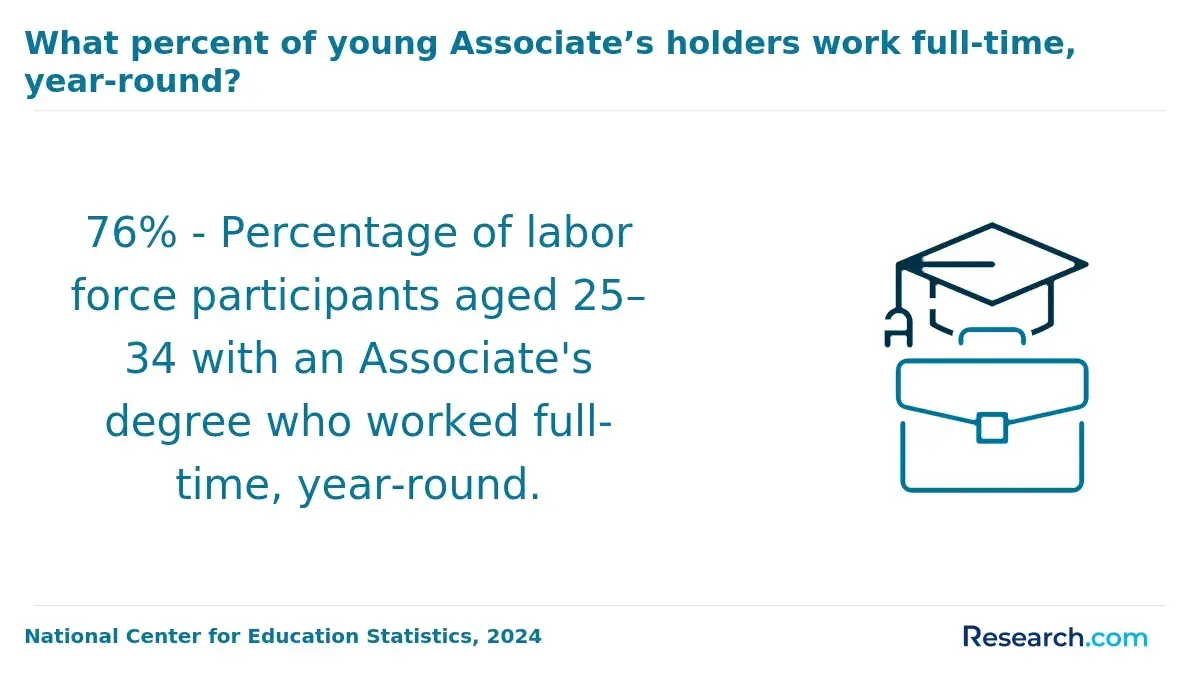
Completing a bachelor's degree remains the baseline for leadership roles in the criminal justice field, typically taking four years. Accelerated bachelor's programs can shorten this to two and a half to three years but demand full-time study and reduce earning potential during completion. Associate degrees, usually two years, open doors to entry-level roles but rarely suffice for leadership positions without further education.
Employers increasingly require at least a bachelor's degree and often prefer graduate credentials for specialized sectors such as cybercrime and digital forensics. For example, information security analysts, whose responsibilities align with justice-related cyber investigations, command median salaries of $103,590 in 2024, with a projected 33% job growth through 2030, adding 47,100 new positions, according to data from the U.S. Bureau of Labor Statistics via Boston University MET.
Working professionals must weigh extended timelines of part-time study, which can delay advancement by five or more years, against full-time programs that accelerate qualification but limit income during training. Specialized master's degrees or certificates in cybersecurity or digital forensics typically add one to two years yet significantly improve prospects in rapidly expanding fields.
Practical tradeoffs center on balancing educational duration and relevant experience. For those targeting leadership in cybercrime, selecting programs with employer-aligned curricula reduces unnecessary coursework and shortens time to role readiness, merging education with on-the-job learning for strategic career pivots.
What can criminal justice graduates earn in leadership careers?
Salaries in criminal justice shift sharply when graduates transition into leadership roles, with top administrative positions substantially out-earning frontline jobs. For instance, emergency management directors run complex disaster response operations and can expect salaries between $80,000 and $120,000 annually, depending on location and agency.
Prison wardens managing entire correctional facilities typically earn $90,000 to $130,000. In contrast, entry-level or patrol-based roles usually start closer to $45,000 to $60,000, underscoring the significant financial incentive tied to supervisory experience and management skills.
However, advancing into these higher-paying roles requires more than just a degree. Employers prioritize proven leadership abilities, familiarity with policy frameworks, advanced education, or professional certifications.
Graduates aspiring to lead must plan for additional training or qualifications, signaling a clear tradeoff: immediate employment often yields lower pay versus the longer-term investment in professional development that unlocks executive-level opportunities.
The U.S. Bureau of Labor Statistics anticipates a modest 3% job growth in criminal justice from 2022 to 2032, but leadership roles remain the primary source of substantial financial returns. Careers such as court administrators and criminal justice professors also rank among the highest earners, reflecting the value placed on specialized expertise and institutional authority.
Graduates should weigh the effort of meeting advanced role requirements against the payoff of significantly enhanced compensation and influence within the system.
What criminal justice leadership jobs have the strongest demand?
Supervisory roles in law enforcement stand out as the fastest route to leadership positions, offering a notable pay increase and clearer promotional pathways compared to standard policing roles. Officers moving into supervisory or detective positions earn a median salary near $99,400 annually, approximately 30% higher than typical officer salaries between $74,910 and $77,000. This differential reflects real-world employer demands for operational expertise combined with specialized management skills.
Promotions to sergeant, lieutenant, or detective occur more rapidly due to rising retirements and a heightened focus on investigative ability and administrative oversight. However, candidates must prepare with targeted training, clean disciplinary histories, and demonstrated community engagement to navigate the dual pressures of fieldwork and management duties effectively.
Key workforce considerations include balancing frontline responsibilities with personnel supervision, interagency coordination, and maintaining eligibility through ongoing leadership development. Without these competencies, officers risk stalled progression despite tenure.
Outside local departments, federal and corrections leadership roles exist but generally feature longer advancement timelines and stiffer competition, making them less viable for quick ascents. Targeting law enforcement supervisory tracks with certifications aligned to employer expectations offers the clearest advancement trajectory for those prioritizing practical outcomes and strategic career pivots.
What certifications help advance criminal justice careers faster?
Progression into senior leadership within law enforcement demands certifications that prove strategic and administrative competence rather than frontline experience alone.
Credentials like the Certified Criminal Justice Executive (CCJE) and Certified Law Enforcement Manager (CLEM) align closely with federal agency promotion standards, targeting roles with six-figure salaries such as those reported by the FBI and reflected in labor data from Indiana Wesleyan University and the U.S. Bureau of Labor Statistics.
Mid-level professionals pursuing supervisory positions should consider certifications including the Certified Fraud Examiner (CFE) and Certified Protection Professional (CPP), as these are frequently prerequisites for promotions to lieutenant or captain. These certifications signal readiness for responsibilities emphasizing personnel management and budget oversight instead of tactical tasks.
For example, a state police officer aiming for a supervisory post will need to prioritize leadership credentials over additional field service years; agencies often correlate pay scales with verified administrative expertise. Candidates must weigh the time and cost invested in maintaining certifications through continuing education, as neglecting these requirements can delay or derail advancement opportunities.
Key considerations include:
- Certification maintenance demands ongoing education and financial investment
- Some agencies embed certifications into formal career timelines, making early planning critical
- Frontline roles offer median salaries below $70,000, with certifications opening access to higher-paid executive tracks
Other Things You Should Know About Criminal Justice
Practical experience often outweighs academic credentials when progressing rapidly into criminal justice leadership roles. Employers prioritize candidates who demonstrate on-the-job problem-solving, decision-making under pressure, and supervisory skills over purely theoretical knowledge. While degrees provide foundational understanding, advancing fast usually requires documented leadership experience within public safety agencies or related organizations. Candidates should seek roles offering early supervisory responsibilities or specialized assignments to accelerate leadership opportunities.
Advanced degrees offer broad theoretical frameworks valuable for executive-level roles but take longer and demand significant investment. Specialized certifications, particularly those focused on management, ethics, or technical competencies, tend to yield quicker returns in mid-level leadership promotion. Prioritize certifications endorsed by recognized criminal justice bodies that align closely with agency needs. This approach balances credentialing with maintaining active work experience and visibility among leadership decision-makers.
Leadership advancement speed is heavily influenced by the size and type of the employing agency. Larger agencies frequently have more structured promotion pipelines but also greater competition and longer waiting periods for leadership openings. Smaller or specialized agencies may offer faster advancement due to fewer hierarchical layers, but leadership roles often require broader scope and multitasking. Candidates must weigh quicker leadership access against the narrower resources and support typical of smaller organizations.
References
- Types of Criminal Justice Careers https://www.criminaljusticeprograms.com/criminal-justice-careers/
- Beyond the badge: Expanding criminal justice career paths https://www.police1.com/police-products/training-education/beyond-the-badge-expanding-criminal-justice-career-paths
- Admissions Requirements for Masterâs in Criminal Justice https://www.ccu.edu/ccu/criminaljustice/masters/admission/
- How Quickly Can You Get a Degree in Law Enforcement? https://golawenforcement.com/articles/how-long-does-it-take-to-get-a-degree-in-law-enforcement/
- What do you learn in a bachelor's in criminal justice? | edX https://www.edx.org/resources/what-do-you-learn-in-a-bachelors-in-criminal-justice
- What Jobs Can I Get with a Criminal Justice Degree? https://www.pearsonaccelerated.com/blog/what-jobs-can-i-get-with-a-criminal-justice-degree.html
- What Are the Entry Requirements for a Criminal Justice Program? | University of Bridgeport https://www.bridgeport.edu/news/entry-requirements-for-a-criminal-justice-program/
- Online Criminal Justice Degrees (Types, Benefits & FAQ) https://www.allcriminaljusticeschools.com/criminal-justice/criminal-justice-online-degree/
- Criminal Justice: Police, Courts and Corrections https://www.farmingdale.edu/curriculum/bs-crj-pcc.shtml
- AU – Careers Available to Graduates with A BA in Criminal Justice https://online.aurora.edu/program-resources/careers-for-a-bachelors-in-criminal-justice/