2027 Online Criminal Justice Degrees With Veteran-Friendly Funding Support

Co-Founder and Chief Data Scientist
Midcareer criminal justice professionals face a pressing obstacle: balancing upward mobility with unpredictable schedules and financial constraints. Even motivated individuals often struggle to access high-quality degrees without interrupting employment or overextending debt.
Recent data from the National Center for Education Statistics shows a 15% surge in adult enrollment in online programs since 2023, reflecting growing demand for flexible learning that accommodates work commitments and family responsibilities. However, navigating funding options and program credibility remains complex, especially for veterans seeking to translate military experience into civilian criminal justice roles.
This article examines accessible online criminal justice degrees offering veteran-friendly funding tailored to these practical challenges and career goals.
Key Things You Should Know
- Veteran-friendly funding for online criminal justice degrees in 2026 largely hinges on GI Bill eligibility, where 58% of veterans exhaust benefits within 24 months, pressing for accelerated degree completion to avoid unexpected costs, per VA data.
- Employers in federal and state law enforcement increasingly prioritize experiential credentials and internship-based competencies over degree prestige, influencing veterans to seek programs with integrated practicum components noted in 2024 DOJ workforce reports.
- Tradeoffs emerge as rapid, online programs reduce tuition exposure but potentially limit deep specialization, creating tension between timely credentialing and comprehensive expertise necessary for career advancement, as tracked by 2024 Bureau of Labor Statistics employment projections.
What are online criminal justice degrees with veteran-friendly funding support?
Veteran-friendly online criminal justice programs provide critical financial pathways that directly impact the feasibility of completing a degree while serving or transitioning from military life. These programs leverage veteran funding options such as the GI Bill, Yellow Ribbon Program, and military tuition assistance to reduce direct costs, which otherwise pose a significant barrier to entry for many service members.
Balancing academic rigor with real-world experience is expected by employers in protective service roles, where practical skills and certifications often weigh as heavily as formal education.
Wage data highlights a practical return on investment: median earnings for protective service occupations increased from $48,070 in 2022 to $50,930 in 2024, reinforcing the degree's relevance when paired with veteran-specific financial aid to minimize debt.
Without these benefits, veterans risk delayed workforce entry or higher loan burdens, which can hinder career mobility in fields such as federal agencies, corrections, and law enforcement.
Online criminal justice degrees with veteran funding options often feature asynchronous coursework and flexible timelines, essential for veterans balancing ongoing commitments. However, prospective students must scrutinize program accreditation and military-friendly policies since some criminal justice career paths require additional certifications and related costs.
For an informed decision, examine how well veteran benefits cover both tuition and ancillary expenses to avoid unforeseen financial gaps. Further evaluation of the best online criminal justice degree programs can reveal cost-effective options aligned with veteran needs.
How do online criminal justice programs compare to campus-based options for veterans?
Veterans represent a disproportionate share of the U.S. law enforcement workforce, reflecting a strong connection between military experience and criminal justice careers. Choosing an online criminal justice degree offers flexibility but often requires veterans to independently secure internships or local practical training to meet credentialing requirements.
Veterans balancing family or employment obligations may find online curricula manageable; however, these programs typically lack the immersive, tactical training and networking opportunities available through campus-based programs.
Campus programs offer direct access to physical training, ride-alongs, and mentorship with law enforcement agencies—elements essential for bridging theory with practical skills valued by employers. Without these, veterans risk delays in career transitions or advancement, despite theoretical knowledge.
In contrast, online programs excel at delivering foundational and administrative law content but generally cannot replace structured cohort interactions or alumni networks crucial for informal job connections.
Veteran-friendly funding options for criminal justice programs vary and should be evaluated alongside the program's capacity to facilitate applied experience and advising tailored to veterans' needs. For those assessing educational pathways, understanding real-world tradeoffs between convenience, skill acquisition, and field immersion is key.
Additionally, those researching alternatives may find useful insights on what is the best degree for a convicted felon.
What veteran education benefits and funding options can be used for criminal justice degrees?
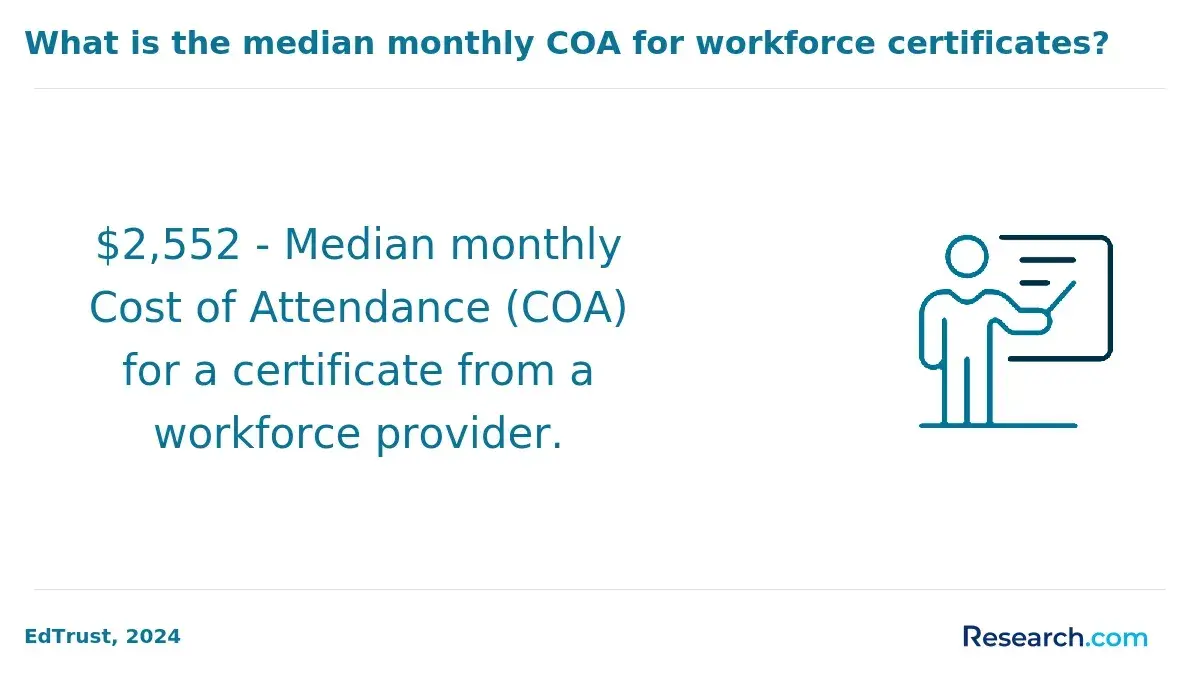
Veterans considering online criminal justice degrees must prioritize how education benefits align with practical licensing and hiring constraints commonly faced in law enforcement and corrections. The Post-9/11 GI Bill provides up to 36 months of tuition and fees plus a housing allowance, easing expenses significantly for fully online programs.
However, not all institutions or programs qualify, requiring veterans to ensure their chosen school participates in the VA's approval system. Meanwhile, the Montgomery GI Bill offers lower monthly stipends with strict usage periods, often necessitating precise timing to avoid benefit loss.
Funding options for veterans pursuing criminal justice degrees extend beyond GI Bills. Tuition Assistance supports active-duty soldiers taking concurrent classes but excludes housing benefits, affecting decisions between part-time and full-time enrollment. Yellow Ribbon programs and scholarships can offset costs exceeding GI Bill caps, though limited awareness often leaves these underutilized.
Practical tradeoffs include program accreditation and whether online curricula satisfy state certification or licensing prerequisites, which are essential for employment. Many employers still favor degrees with on-campus components, narrowing purely online pathways despite available veteran funding.
Veterans seeking a masters in digital marketing may notice different funding structures, underscoring the importance of program-specific benefit compatibility. Coordinating educational timelines with career objectives and benefit expiration minimizes out-of-pocket expenses and credentialing obstacles, helping veterans transition smoothly into civilian roles.
How can veterans verify that an online criminal justice program is properly accredited?
Veterans scrutinizing veteran-friendly accredited online criminal justice programs must prioritize accreditation validation to secure VA benefits and maintain employability in fields like federal law enforcement or corrections. Confirmation through the U.S. Department of Education's DAPIP or CHEA directories ensure the program meets federal and employer standards.
Failure here risks denial of benefits such as the Post-9/11 GI Bill, which currently reimburses up to $27,120.05 annually for private or foreign tuition, a 17% increase since 2017.
Checking accreditation for online criminal justice degrees for veterans goes beyond initial admission; annual re-verification is prudent since accrediting statuses may shift. Institutions with proper accreditation facilitate credit transferability and access to federal aid, which are crucial for flexible educational pathways in this field.
Conversely, programs lacking accreditation—despite occasionally lower tuition—often restrict licensure eligibility and diminish job placement prospects, undermining long-term career progression.
Veterans should also seek official accreditation documentation directly from program admissions offices to confirm transparency. This diligence aligns educational investment with tangible workforce outcomes rather than short-term savings.
For those exploring alternative degree pathways, understanding the cost structure remains important; for example, one can compare criminal justice program costs to those of other fields, such as the best online animal science degree, offering a practical benchmark for tuition expectations.
What are the typical admission requirements for online criminal justice degrees for adult learners and veterans?
Admission standards for online criminal justice programs oriented toward adult learners and veterans prioritize practical readiness over academic selectivity. Most institutions require a high school diploma or GED, official transcripts, and military service documentation when relevant. GPA minima around 2.0 to 2.5 indicate baseline eligibility designed to widen access rather than enforce competitive filtering as seen in conventional admissions.
Standardized tests such as the SAT or ACT are frequently waived, recognizing these metrics often misalign with adult learners' experience or veterans' professional backgrounds. Applicants benefit from accelerated credit transfers based on prior college coursework or military training, reducing time and cost burdens—a vital advantage given the financial and personal constraints common among service members balancing education with family and work commitments.
Background checks remain a consistent requirement due to licensure and employment considerations in law enforcement careers. Candidates must also submit essays that link career objectives to applied criminal justice fields, emphasizing operational competence over theoretical knowledge.
Financially, veterans leverage GI Bill benefits, supplemented by rising Federal Pell Grant caps now reaching $7,395, which materially lower net tuition. Completing FAFSA and validating VA benefits is essential to maximize aid. Successful navigation of asynchronous online coursework demands strong self-discipline and reliable internet access, especially as part-time enrollment extends degree timelines but may mitigate stress and sustain income flow during studies.
How long do online criminal justice degree programs usually take and what do they cost?
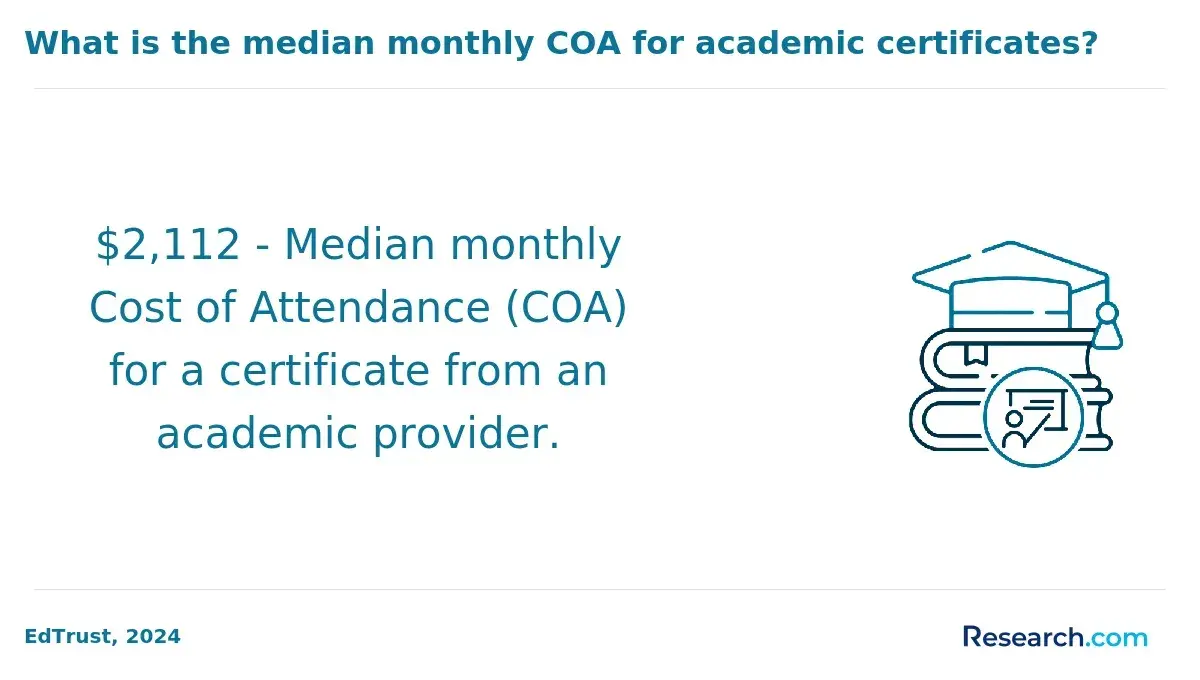
Choosing between associate and bachelor's degrees in criminal justice often hinges on the balance between time investment, tuition costs, and career objectives. Associate degrees typically take about two years and are common at community colleges pricing credits around $120-$180, making them financially accessible but sometimes limiting specialization and long-term advancement potential.
Bachelor's degrees require roughly four years, with public universities charging $250-$450 per credit, which may exceed $20,000 more for the full 120-credit program. This higher cost often reflects more rigorous academic standards, which some federal and law enforcement agencies prefer when considering candidates, linking tuition investment with perceived preparedness.
Real-world tradeoffs include:
- The potential need for part-time study among working professionals or veterans that extends completion times.
- Accelerated programs that compress timelines but increase course loads, challenging those juggling multiple commitments.
- Employer bias favoring either practical experience and associate degrees from community colleges or the credential weight of a bachelor's from accredited public institutions.
Veterans using education benefits must carefully align program costs with funding limits to avoid out-of-pocket expenses. Ultimately, weighing the tuition—direct and opportunity costs—against expected career entry points or progression is critical. This analysis supports a strategic choice balancing affordable credit rates, degree duration, and workforce recognition relevant to distinct criminal justice roles.
What core courses and specializations are offered in online criminal justice programs?
Choosing a specialization within online criminal justice programs requires careful alignment with market demands and career realities rather than broad theoretical knowledge. For example, focusing on forensic science prepares students for technical roles such as crime scene analysis, while cybersecurity specialization demands mastering digital defense tactics that increasingly define modern law enforcement's priorities. This practical differentiation impacts employability and skill relevance.
Students aiming for law enforcement positions must prioritize courses in investigative methods, patrol, and community engagement, reflecting agency expectations where tactical proficiency is mandatory. Corrections and rehabilitation tracks address operational challenges in offender management, stressing mental health and legal complexities prevalent in institutional or community-based settings.
The hiring landscape shows modest growth; police and sheriff's patrol officer jobs are expected to increase by 3% through 2033 with a median wage around $71,160, indicating steady but competitive opportunities.
Emerging specializations like cybercrime prevention may offer better differentiation but require technical upskilling often beyond typical curriculum, posing a notable friction point for career changers.
Veterans should assess how programs satisfy credentialing linked to military occupational specialties to leverage funding and avoid skill gaps during transition. The practical value of a specialization hinges on its direct applicability, credential compatibility, and alignment with measurable labor market trends.
What criminal justice careers can veterans pursue with an online degree?
Veterans pursuing an online criminal justice degree must navigate a complex balance of leveraging prior discipline and meeting evolving workforce demands. Roles in law enforcement, federal agencies, corrections, and cybersecurity fit veterans' experience but require attention to distinct industry certifications, licensing, and clearance procedures.
For example, a veteran aiming to become a federal agent benefits from coursework focused on federal law, investigative protocols, and criminal procedure, aligned with agency standards. Programs offering veteran-specific advising on VA benefits, security clearance navigation, and career placement demonstrably reduce employment delays.
Cybersecurity positions within criminal justice increasingly demand technical certifications alongside degrees, so integrated online curricula can amplify immediate employability. However, state-specific licensing requirements, mandatory background checks, and physical fitness prerequisites pose practical hurdles where veteran support services are essential to ensure compliance.
Also, employer expectations now extend beyond foundational knowledge to include advanced technology proficiency and interagency collaboration capabilities, pressuring programs to blend academic content with applicable real-world skills. Veterans must weigh these factors critically when selecting programs to avoid gaps between education and job market realities.
What salary ranges and job outlook can graduates of criminal justice programs expect?
Starting salaries for graduates with a criminal justice degree in 2026 typically range from $38,000 to $55,000 for entry-level roles such as probation officers or police officers, according to U.S. Bureau of Labor Statistics 2024 data. Mid-career professionals working in federal law enforcement, forensic analysis, or security management can expect earnings between $65,000 and $85,000, while specialized or supervisory positions often exceed $90,000.
These figures reflect a significant wage premium compared to high school graduates, demonstrating that a bachelor's degree remains a critical differentiator despite hiring challenges.
Employment projections show about 9% growth through 2032 in criminal justice-related roles, outpacing average occupational growth. However, the practical job landscape varies significantly by region and sector, with metropolitan areas exhibiting more intense competition.
Candidates who combine degrees with certifications, internships, or military experience—especially veterans—improve their prospects, accessing federal or state roles that offer pension benefits and career stability.
Choosing between public law enforcement and private sector compliance or security requires weighing tradeoffs: public roles often demand physical readiness and face competitive entry, while private opportunities emphasize analytical skills and may offer higher starting pay but less long-term security.
For many, aligning credential timing, location flexibility, and shift demands with career goals is essential to maximizing return on education investment.
How can veterans choose a reputable, veteran-supportive online criminal justice school?
The choice of regionally accredited online criminal justice programs directly affects veterans' educational ROI and job market mobility. Regional accreditation typically costs 20-35% less than nationally accredited for-profit programs, a significant consideration when stretching VA benefits against living expenses.
More importantly, regional accreditation enhances credit transfer potential and satisfies federal and state hiring prerequisites, which often exclude unaccredited credentials from consideration.
Veterans should look beyond GI Bill acceptance to prioritize programs offering tailored support services such as advisors versed in VA paperwork, flexible schedules accommodating military commitments, and career placement aligned with public safety and federal employment opportunities. Institutions partnered with veteran-focused organizations can streamline benefit processing and provide critical networking leverage.
Curriculum alignment with practical workforce demands matters: federal investigatory roles require coursework in federal criminal procedure and cybercrime, while reentry and probation careers benefit from restorative justice and social services content.
Veterans in physically intensive roles may prefer accelerated or competency-based formats to reduce time away from duties, whereas those targeting intelligence or analytical careers gain from hybrid programs combining online theory with localized practicums.
Choosing the right format and accreditation affects both immediate employability and long-term career flexibility, making this due diligence essential for veterans navigating criminal justice education.
Other Things You Should Know About Criminal Justice
Employers in law enforcement and related fields focus on accreditation and the reputation of the institution rather than the delivery format. However, some agencies still prefer candidates with traditional degrees due to perceived rigor and networking opportunities. Veterans should prioritize programs with regional accreditation and demonstrated connections to criminal justice agencies to maximize employer acceptance.
Online criminal justice programs require disciplined time management due to demanding readings, case studies, and research projects. Veterans balancing work or family need to account for the asynchronous nature of classes, which offers flexibility but increases the need for self-motivation and scheduling discipline. Programs with structured deadlines and active faculty engagement reduce risks of falling behind and support better learning outcomes.
In 2027, many online criminal justice programs provide strong support for veterans through funding options, including the GI Bill and Yellow Ribbon Program. These help cover tuition and fees, enabling veterans to focus on their studies without financial strain, making furthering education accessible and less stressful.
Specialized tracks like cybersecurity, forensic science, or corrections add value by aligning education with specific career goals and labor market demands. Veterans undecided on their focus should first complete broad foundational programs to avoid overspecialization too early. When career direction is clear, choosing programs with specialization options improves long-term job placement and relevancy in competitive fields.
References
- Find Top Online Bachelor's In Criminal Justice Programs https://www.accreditedschoolsonline.org/criminal-justice/bachelors/
- Why A Career in Criminal Justice is a Great Fit For Veterans https://www.criminaljustice.com/resources/criminal-justice-career-fit-for-veterans/
- Law Enforcement Jobs for Veterans | All Criminal Justice Schools https://www.allcriminaljusticeschools.com/blog/law-enforcement-jobs-veterans/
- Guide To Criminal Justice Degrees And Majors https://www.criminaljusticedegreeschools.com/degrees/
- Master's Degree in Criminal Justice: Salary & Career Options https://www.gograd.org/resources/criminal-justice-masters-careers/
- 2025 Best Military-Friendly Online Colleges https://www.onlineu.com/online-schools/military-friendly
- Trident Serves Those Who Serve Our Country https://www.trident.edu/military-and-veteran/veterans/
- How Long is a Master's in Criminal Justice (MSCJ) Program? https://www.forensicscolleges.com/blog/resources/how-long-to-earn-masters-in-cj
- Best Online Criminal Justice Degrees for Working Adults (2026) https://www.collegetransitions.com/blog/best-online-criminal-justice-degrees-for-working-adults/
- Top Online Criminal Justice Degrees https://www.criminaljusticeprograms.com/online-criminal-justice-degrees/