2027 Online Criminal Justice Degrees With Security and Protective Services Concentrations

Co-Founder and Chief Data Scientist
Law enforcement officers and security professionals increasingly confront a fragmented career landscape where traditional degrees often fail to keep pace with evolving operational demands. For those balancing unpredictable schedules and family responsibilities, gaining specialized education through conventional programs presents logistical hurdles. The National Center for Education Statistics reports over 40% of online higher education enrollees are adult learners seeking flexible, career-tailored pathways, signaling a decisive shift toward accessible, on-demand learning modes.
This trend matters as employers prioritize candidates who demonstrate both relevant specialization and adaptability. This article evaluates current online criminal justice degree options with security and protective services concentrations to guide strategic educational choices aligned with workforce realities.
Key Things You Should Know
- Security and protective services concentrations often extend program duration by 6-12 months due to mandatory specialized training, increasing total education costs by 15-20% without guaranteed immediate wage premiums.
- Employers prioritize candidates with field experience; data from the Bureau of Labor Statistics 2024 shows that 65% of hiring managers in security sectors prefer graduates with internships or active-duty law enforcement backgrounds over purely academic credentials.
- Projected 12% job growth in protective services by 2032 contrasts with stagnant salaries in many jurisdictions, causing candidates to weigh accelerated entry into the workforce against longer, more expensive degree tracks emphasizing security specialization.
What is an online criminal justice degree with a security and protective services concentration?
Choosing an online criminal justice degree with security and protective services specialization involves weighing the balance between theory and applied skills tailored to complex security environments. The program's emphasis on risk assessment and regulatory compliance addresses the need for professionals capable of managing security for critical infrastructure, corporate campuses, and government sites.
Consider the transition from traditional law enforcement to security management: this shift requires mastering surveillance technologies, coordinating crisis response involving multiple agencies, and understanding administrative protocols. These operational specifics distinguish the best online criminal justice programs focused on security and protective services from more generalized degrees.
Employers prioritize candidates demonstrating multidisciplinary expertise combined with relevant professional clearances or certifications, which often happen alongside degree completion. Workforce data from Southern New Hampshire University highlights a median weekly wage premium exceeding 17% for workers with master's degrees compared to bachelor's holders, signaling tangible returns for advanced study in this field.
Students must also critically evaluate accreditation and the delivery of virtual practicums to compensate for limited in-person training, a key consideration for effective skill acquisition. The flexibility of online formats supports working professionals seeking strategic pivots or specialization without compromising current job responsibilities. For a detailed comparison and to identify programs aligned with these criteria, prospective students should refer to the best online criminal justice degree programs.
How does an online security and protective services concentration compare to on-campus programs?
Online security and protective services degree comparisons reveal a crucial gap in experiential learning between online and on-campus offerings. While both modalities deliver foundational criminal justice principles, the absence of embedded hands-on training in online programs creates a significant barrier.
On-campus students typically benefit from simulation labs, role-playing, and live drills integrated into their curriculum, whereas online students must independently secure local internships or fieldwork to acquire comparable practical skills. This disconnect can delay workforce integration, particularly for skills requiring tactical communication and split-second decision-making.
Employers emphasize verified practical experience alongside academic credentials when hiring for security roles, an emphasis reflected in labor market growth projections: the U.S. Bureau of Labor Statistics estimates 6.0% growth for private detectives and investigators and 3.3% for police officers from 2022 to 2032. Accordingly, online students face the challenge of proactively networking and validating their experiential learning to meet these employer expectations.
The differences between online and on-campus security programs thus center on readiness for real-world contingencies rather than mere theory. Flexibility is a notable advantage for online learners, who often balance full-time employment while applying coursework immediately to their current security roles-potentially accelerating promotions.
Yet, this convenience may reduce access to informal faculty mentorship and peer networks common on campus, which support ongoing credentialing and career progression. Students exploring security and protective services should weigh these tradeoffs carefully while considering pathways toward high paying jobs in forensics and allied fields.
What types of criminal justice degrees offer security and protective services specializations?
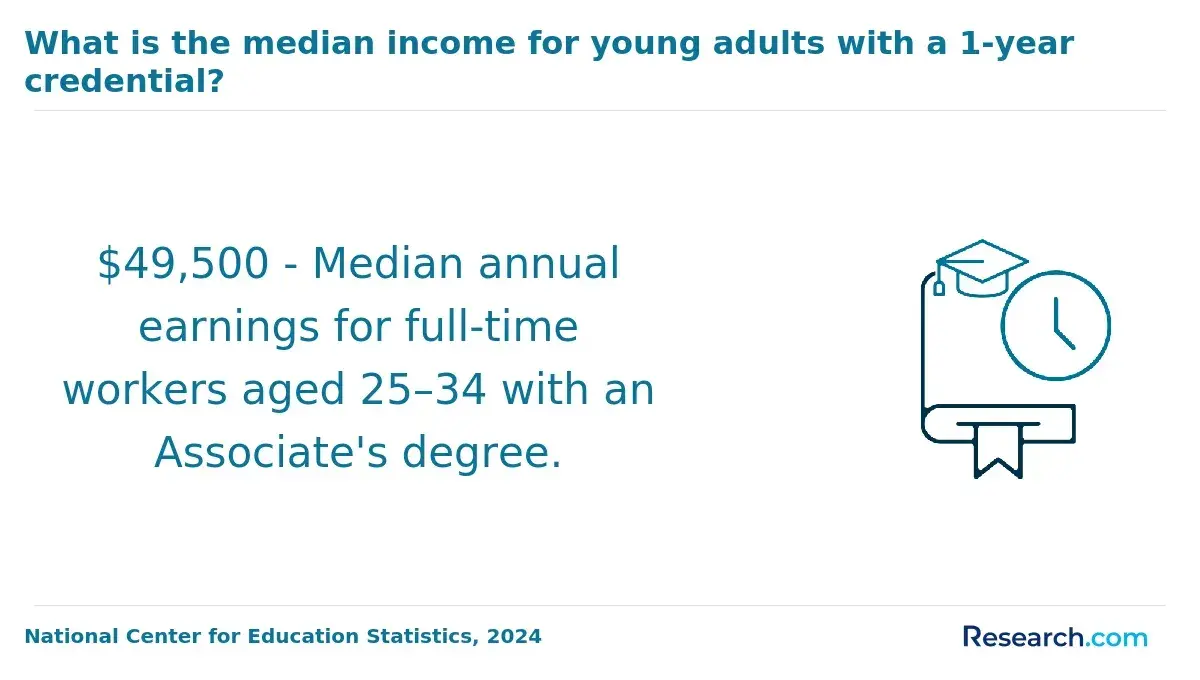
Security and protective services concentrations within criminal justice degree programs offer markedly different employability outcomes depending on degree level and curricular depth. Associate degrees primarily serve immediate workforce entry with foundational content but limit upward mobility due to their narrow focus.
Bachelor's degrees integrate theory with practical training in areas like risk assessment and emergency preparedness, aligning with expectations for roles such as detectives or private security consultants. Master's programs develop advanced expertise in cyber security and counterterrorism, positioning graduates for supervisory roles or federal agency careers.
Among these pathways, a bachelor's degree often represents the optimal balance between timely workforce entry and long-term career ceiling. For instance, detectives, who command a median wage of $91,100, typically require a bachelor's degree, underscoring this credential's impact on earning potential and job qualification.
Conversely, police patrol officers earning around $72,280 might enter with only a high school diploma plus academy training but gain competitive advantages through higher education. Practical choices hinge on weighing accelerated associate degrees against more comprehensive bachelor's programs, considering specialization depth and labor market demands.
Degree programs combining legal frameworks, surveillance technologies, and crisis management facilitate employment in high-stakes environments like airport security or government protective services. Students targeting these sectors should prioritize programs offering internships or fieldwork to meet employer expectations.
Additionally, professionals exploring educational pivots can research online criminal justice degrees focused on security and protective services careers to accommodate work-life constraints. For broader context on graduate education options, see masters in marketing as an example of how specialized degrees balance cost, duration, and earnings.
What courses and skills are covered in security and protective services degree curricula?
Degrees in security and protective services prioritize actionable skills over abstract theory, directly responding to employer demands for professionals who can navigate complex operational realities. Core curricula cover security and protective services course topics like criminology, cybersecurity fundamentals, physical security systems, and counterterrorism tactics, which prepare students to identify and address threats within diverse environments.
For instance, while a corporate security officer deploys risk assessment tools to protect assets, protective services personnel must blend executive protection with real-time threat mitigation during events. Programs incorporate hands-on skill development such as surveillance methods, conflict resolution, and emergency preparedness, adapting techniques according to law enforcement, corporate security, or critical infrastructure contexts.
Increasingly, graduates must integrate digital proficiency-network security and data protection-to meet hybrid workforce needs. These skills developed in security and protective services degree programs enable leadership in supervising multidisciplinary teams managing security incidents, emphasizing crisis communication and safety protocol design over purely academic knowledge.
Students face cost versus practical value tradeoffs, with reputable online degrees like Penn State World Campus' Bachelor of Science in Criminal Justice charging $638-$685 per credit for 120 credits. Evaluating tuition alongside credentials and internship opportunities is crucial since employers prioritize candidates with demonstrated applied abilities. For those balancing military experience or career transitions, exploring options such as the best online cybersecurity degree programs for veterans can provide targeted pathways merging protective services knowledge with digital expertise.
How can students verify accreditation for online criminal justice and security programs?
Employers in protective services consistently prioritize degrees from programs accredited by regional bodies like the Higher Learning Commission or Middle States Commission on Higher Education. These accreditations ensure curriculum rigor and adherence to industry standards, which national or program-specific accreditations alone cannot guarantee.
For instance, Southern New Hampshire University offers an online MS in Criminal Justice with specializations in public safety administration and counterterrorism-areas where accreditation validation directly affects employability in specialized security roles. Students should meticulously verify accreditation status by:
- Reviewing the institution's accreditation disclosures against databases maintained by the U.S. Department of Education or the Council on Higher Education Accreditation (CHEA).
- Consulting industry-specific licensure boards or potential employers to identify recognized accrediting agencies for criminal justice and security fields.
- Considering programmatic accreditations for specialized curricula beyond institutional approval to ensure relevance in niche sectors.
Ignoring this verification can result in degrees that lack federal financial aid eligibility, face transfer restrictions, or are dismissed by government and law enforcement employers where certification integrity is strictly enforced. Since specialization areas differ widely in workforce applicability, aligning accreditation and program focus with targeted career demands is critical to avoid costly credentialing dead ends or skill mismatches.
What are typical admission requirements for online criminal justice security concentrations?
Admission to online criminal justice programs with security and protective services concentrations often hinges on more than baseline academic qualifications. While a bachelor's degree and official transcripts with a GPA around 2.5 to 3.0 are typical, programs impose notably strict screening due to the field's sensitivity. Background checks and clear criminal records are non-negotiable, especially when protective roles require high trust and compliance with legal standards.
Applicants frequently face additional requirements such as statements of purpose that must clearly connect professional aims to the security track, alongside letters of recommendation from law enforcement or security professionals. This signals candidates' preparedness for the program's demands, including leadership responsibilities and operational security knowledge.
Standardized tests like the GRE may be waived, reflecting growing recognition of relevant work experience's value. Indeed, accelerated or master's-level tracks often require several years of field experience, where practical skills provide a crucial foundation for understanding complex security policies and protocols.
Given the estimated $9,000-$10,000 annual salary premium for master's holders in this specialty, these admission filters act as a workforce triage mechanism. Mid-career professionals pivoting into cybersecurity-inflected roles within criminal justice must overcome these hurdles to stay competitive in a market prioritizing both expertise and trustworthy backgrounds.
How long do online criminal justice degrees with security concentrations usually take to complete?
Selecting online criminal justice degrees with security and protective services concentrations requires weighing the balance between program length, practical experience, and workforce readiness. While associate degrees typically need two years, focusing on foundational law enforcement and security protocols, bachelor's degrees demand about four years of study, covering advanced topics like cybersecurity and emergency management.
Accelerated bachelor's tracks or credit-for-prior-learning options can shorten timelines but often involve heavier course loads and reduced flexibility, a consideration for working adults managing family or shift work. The labor market outlook for protective service roles forecasts an 8% growth through 2030, intensifying the need for credentials paired with relevant experience.
Employers frequently expect hands-on skills demonstrated through virtual simulations, internships, or field practicums, which may lengthen program completion depending on the specialization. For example, candidates aiming for law enforcement certification face additional state-specific academy training outside the degree's scope, unlike those pursuing security management in corporate settings who encounter fewer in-person requirements.
This divergence emphasizes the importance of aligning program choice with immediate job entry goals and long-term career pathways. Factors such as part-time enrollment, prior work experience, and the inclusion of practical components materially affect both duration and employability prospects. Ultimately, pragmatic evaluation of these tradeoffs clarifies the realistic commitment involved in securing a criminal justice credential optimized for protective services.
What do online criminal justice degrees with security concentrations typically cost?
Choosing an online criminal justice degree with a focus on security and protective services involves weighing varied cost structures against realistic employment outcomes. Bachelor's programs range from $15,000 to $50,000, heavily influenced by institution type and residency status. Public universities typically offer rates near $300-$400 per credit hour, while private institutions charge $600-$900 or more.
Flexible payment options can ease immediate expense, yet additional fees like technology and graduation costs increase the total investment. Assessment of return on investment requires aligning educational outcomes with labor market data. Roles such as fraud investigator and police sergeant/detective show steady job growth (3.1% and 2.9%, respectively) and median salaries of $81,100 and $106,040, presenting reasonable long-term value if graduates secure these positions promptly.
Practical hiring preferences increasingly demand updated expertise in cybersecurity, fraud detection, and leadership within these disciplines. This implies that accelerated or intensive coursework, although potentially costlier, may shorten time-to-advancement compared to lower-priced programs with slower pathways.
Students should carefully evaluate accreditation status, credit transfer policies, and the opportunity costs incurred when balancing full-time employment with part-time study, as prolonged completion times elevate overall expenses before reaching elevated salary thresholds.
What careers, job settings, and roles can these security concentrations lead to?
The demand for security and protective services roles within criminal justice sectors reveals significant workforce stratification tied to job function and setting. Municipal policing offers high-volume hiring-about one million new police and detective openings by 2026-but typically features lower compensation and high physical and procedural entry barriers, including academy training and state certification.
By contrast, the private sector prioritizes risk mitigation, with positions such as security analyst and corporate security manager emphasizing analytical skills, legal knowledge, and often digital security certifications. Correctional officers and emergency managers represent intermediary roles where safety oversight and crisis coordination require both practical field experience and policy familiarity.
Successful candidates must balance physical readiness with intellectual rigor, particularly when pursuing federal or specialized agency employment, where security clearances and ongoing professional education are mandatory. Practical constraints arise for online degree completers, who face additional requirements for in-person internships or ride-alongs to meet state-specific credentialing.
- Employers expect strong communication, legal framework knowledge, and analytical judgment alongside physical aptitude.
- Transitioning professionals should plan integrated study and fieldwork timelines to bridge online theory with hands-on realities.
- The job market demands clarity on sector goals given the tradeoff between volume and pay in municipal versus corporate security pathways.
What salary ranges and job outlook can graduates in security and protective services expect?
Salary outcomes for graduates concentrating in security and protective services within online criminal justice programs vary notably based on role and location. For instance, probation officers and correctional treatment specialists report median earnings near $55,690 annually, while social workers in rehabilitative roles typically see $60,000 to $65,000. Entry-level positions in law enforcement or private security could start closer to $40,000 but often compensate through overtime and shift differentials, which must be factored into total income expectations.
Employment growth projections through 2032 reveal modest to strong increases: 2.4% for probation officers and correctional treatment specialists, and 6.6% for social workers. This signals diversification within protective services and expanding opportunities outside traditional policing, particularly in community-based and rehabilitative settings where demand is rising.
Geographic wage disparities create a tradeoff between higher urban salaries and competition versus quicker rural advancement but lower pay. Employers routinely prioritize candidates pairing academic credentials with relevant internships or fieldwork, making certifications and experience decisive in hiring.
Professionals shifting from traditional law enforcement roles should anticipate starting salaries that reflect a step down but can leverage prior experience to pursue supervisory or specialist positions. Investing in specialized criminal justice education aligned with security and protective services can yield tangible returns by positioning graduates for stable, evolving workforce demands.
Other Things You Should Know About Criminal Justice
Online programs in security and protective services often demand higher self-discipline due to less synchronous interaction and a compressed timeline for assignments. Coursework is designed for flexibility, but compressed formats can increase weekly workload intensity. Students must balance reading, research, and scenario-based projects without the structured environment of on-campus classes. Prospective students should evaluate their time management skills carefully before committing to accelerated online tracks.
Prioritizing programs that incorporate practical simulations and require fieldwork is essential for developing applicable skills in security roles. These experiences translate to real-world competence in crisis response, surveillance, and protective tactics, which employers value highly. Programs lacking applied components may leave candidates less prepared for frontline duties, limiting job readiness. Therefore, students aiming for operational roles should select programs that offer hands-on learning in addition to theoretical instruction.
Security and protective services concentrations tend to narrow career paths toward operational and tactical roles, potentially limiting opportunities in policy, research, or legal sectors. Conversely, broader criminal justice degrees offer greater versatility for transitions into roles such as probation, forensic analysis, or criminal justice reform. Students focused on long-term adaptability in diverse criminal justice careers should weigh the tradeoff between immediate job-specific skills and wider future mobility.
References
- Criminal Justice Degree Requirements | University of Bridgeport https://www.bridgeport.edu/news/criminal-justice-degree-requirements/
- Find Top Online Bachelor's In Criminal Justice Programs https://www.accreditedschoolsonline.org/criminal-justice/bachelors/
- Top Online Criminal Justice Degrees https://www.criminaljusticeprograms.com/online-criminal-justice-degrees/
- Cybersecurity jobs – Roles and Responsibilities https://www.sophos.com/en-us/cybersecurity-explained/cyber-security-jobs-and-rolls
- Criminal Justice (BA) https://www.uagrantham.edu/online-degrees/criminal-justice-bachelors/
- Becoming a Security Guard: Skills and Training https://vetsecurite.com/en/blog/becoming-a-security-agent-skills-and-training-n448
- PSD Training | Protective Security Detail Course | T1G https://t1g.com/tactical-training/protective-security-detail-course/
- 20 Coolest Cybersecurity Careers and Jobs | SANS Institute https://www.sans.org/cybersecurity-focus-areas/cybersecurity-careers/20-coolest-cyber-security-careers
- Cybersecurity Jobs Overview | CyberDegrees.org https://www.cyberdegrees.org/jobs/
- Protective Services - Certificate of Higher Education https://www.blackpool.ac.uk/course/th1he0008