2027 Best Criminal Justice Degrees for Court and Community Supervision Careers

Co-Founder and Chief Data Scientist
For professionals navigating the complex demands of court and community supervision, selecting the right criminal justice degree can determine the difference between career stagnation and meaningful advancement. The Bureau of Labor Statistics projects an 8% growth in probation officers and correctional treatment specialists roles through 2031, underscoring rising workforce demand.
Yet the surge in online education-now comprising over 40% of higher ed enrollments according to the National Center for Education Statistics-has diversified program accessibility but also complicated assessment of program quality and relevance. This article evaluates top criminal justice degrees tailored for effective court and community supervision careers, guiding readers through strategic choices grounded in real-world applicability and employability outcomes.
Key Things You Should Know
- Employers prioritize candidates with degrees emphasizing court procedure and community supervision internships; 62% of agencies report stronger placement rates with experiential curricula, creating a strategic advantage for students who invest in hands-on programs.
- Tradeoffs between bachelor's degree duration and cost versus targeted associate programs yield divergent employment outcomes: bachelor's grads see 18% higher median wages but face $40K more debt, influencing timing and financial readiness for career entry.
- Labor market data from the Bureau of Labor Statistics shows a 7% job growth in probation officer roles through 2030, pressuring applicants to secure relevant certifications alongside degrees to meet evolving employer standards.
What are the best criminal justice degrees for court and community supervision careers?
For court and community supervision roles, selecting the best criminal justice degrees requires balancing foundational legal knowledge with specialized skills like offender rehabilitation and risk assessment. Bachelor's degrees focused on community corrections or court services typically offer targeted coursework and practical training that align with employer demands for probation officers and correctional treatment specialists. Associate degrees may provide entry points but often restrict career progression into supervisory roles that require deeper analytical capabilities.
The top criminal justice programs for community supervision jobs integrate real-world experience through internships or practicum placements, reflecting employers' preference for candidates with demonstrated field competence. Some programs also embed certification preparation, such as probation officer certification, which enhances job readiness. Advanced roles in supervision or policy development generally call for a master's degree in criminal justice or public administration that emphasizes case management and program design.
Growth in probation officer and correctional treatment specialist employment is steady, at roughly 3% through 2032, driven by replacement needs and sector demand. For working professionals, programs with online modular coursework and flexible scheduling support career shifts without sacrificing income. Choosing programs tied to local courts and correctional agencies often improves hiring prospects.
Given the practical limitations of sub-bachelor's credentials in accessing federally funded positions or promotions, a bachelor's degree that combines relevant certification and applied experience remains the most viable pathway. Those interested can explore options through a criminal justice major to identify affordable accredited programs tailored to career goals.
What court and community supervision jobs can you get with a criminal justice degree?
Positions in court and community supervision with a criminal justice degree require a mix of assessment expertise and practical case management tailored to diverse jurisdictional demands. Probation and parole officers enforce sentencing while navigating challenges like fluctuating caseload sizes or reintegration barriers such as securing stable housing and employment. Urban roles often involve managing higher caseloads and more complex social dynamics, whereas rural officers face logistical constraints impacting supervision frequency.
Correctional treatment specialists emphasize behavioral health evaluation and service linkage, demanding supplementary training in psychology or substance abuse. Employers typically require a bachelor's degree aligned with legal and social service frameworks, along with readiness for stringent background checks and state certifications. For those evaluating criminal justice degree jobs in court and community supervision, it is crucial to anticipate extended onboarding periods and continuous professional development.
The U.S. Bureau of Labor Statistics notes a median wage near $60,500 for probation officers and treatment specialists, with top earners surpassing $93,210, influenced by experience, specialization, and agency type. Advancement often hinges on graduate credentials or specialized qualifications, particularly for federal or large urban agency roles involving intense caseloads and complex decision-making.
Prospective students should weigh program content that reflects real-world complexities and workforce realities, including adapting to varying jurisdictional requirements. Those seeking pathways to entry or growth may also explore online paralegal programs as complementary or alternative options to expand legal system expertise.
How do online and campus criminal justice programs compare for community supervision work?
Choosing between online vs campus criminal justice programs for community supervision hinges on the capacity to secure meaningful experiential learning critical to licensure and employment outcomes. Campus and online criminal justice degree differences in court supervision careers are illuminated most clearly through fieldwork integration.
Campus programs embed supervised internships and direct agency interaction, facilitating skill development in relational judgment and situational awareness essential for roles like probation or reentry services. Online programs provide necessary flexibility for working adults or those in remote locations but require students to independently arrange supervised practice, which can be a significant barrier.
For instance, probation officer licensure typically mandates documented field hours that many online learners must actively seek rather than have provided. This difference impacts readiness and employer perception, as proven practical proficiency remains a top hiring criterion in community supervision.
Labor market data shows a 7% growth in social worker employment from 2022 to 2032, underscoring persistent demand across community supervision roles. Still, success depends on meeting hands-on training and certification demands. Decision-making should weigh location, cost, and one's ability to navigate internship placement outside of classroom time.
Those assessing these programs may also consider financial planning strategies, as degree costs vary widely. Resources such as marketing masters tuition comparisons illustrate how cost-efficiency is critical when investing in a career-focused degree.
What accreditation should criminal justice programs have for probation and parole careers?
Regional accreditation from one of the six U.S. Department of Education recognized agencies remains the primary standard for criminal justice programs targeting probation and parole careers, with tangible effects on employability and certification. Graduates of non-accredited or solely nationally accredited schools often encounter obstacles securing state licensure or employment in government supervision roles that demand stringent credential verification.
Employers in probation and parole commonly require degrees from regionally accredited institutions, ensuring curricula align with rigorous academic and professional standards. While specialized accreditation from the Academy of Criminal Justice Sciences (ACJS) for criminal justice supervision degrees is optional, it signals curriculum relevance to community supervision competencies such as offender rehabilitation and law enforcement collaboration.
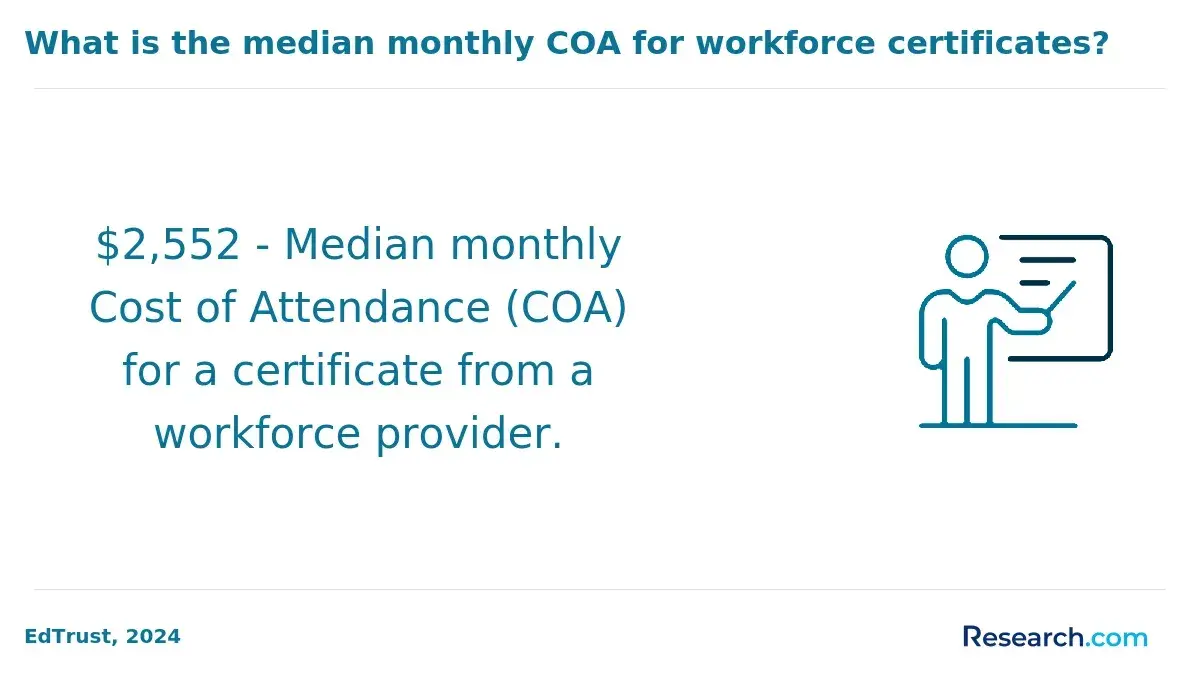
For students assessing the best regional accreditation for criminal justice supervision degrees, this distinction can influence program quality and alignment with employer expectations and state licensure prerequisites. Financial considerations play a significant role, given the average annual tuition gap of nearly $29,100 between public ($9,700) and private ($38,800) four-year institutions. This burden must be weighed against the often modest median salaries in community supervision roles, which usually fall below $60,000, necessitating a clear understanding of program reputation and career outcomes to avoid excessive debt.
Confirming a program's accreditation status upfront reduces risks of delays in certification and improves workforce entry. Students focusing on probation or parole careers should verify accreditation and licensure alignment before enrollment. For those considering similar shifts, resources like cybersecurity programs online for veterans illustrate how targeted programs can support specialized career transitions.
Which criminal justice degree level is best for community supervision roles?
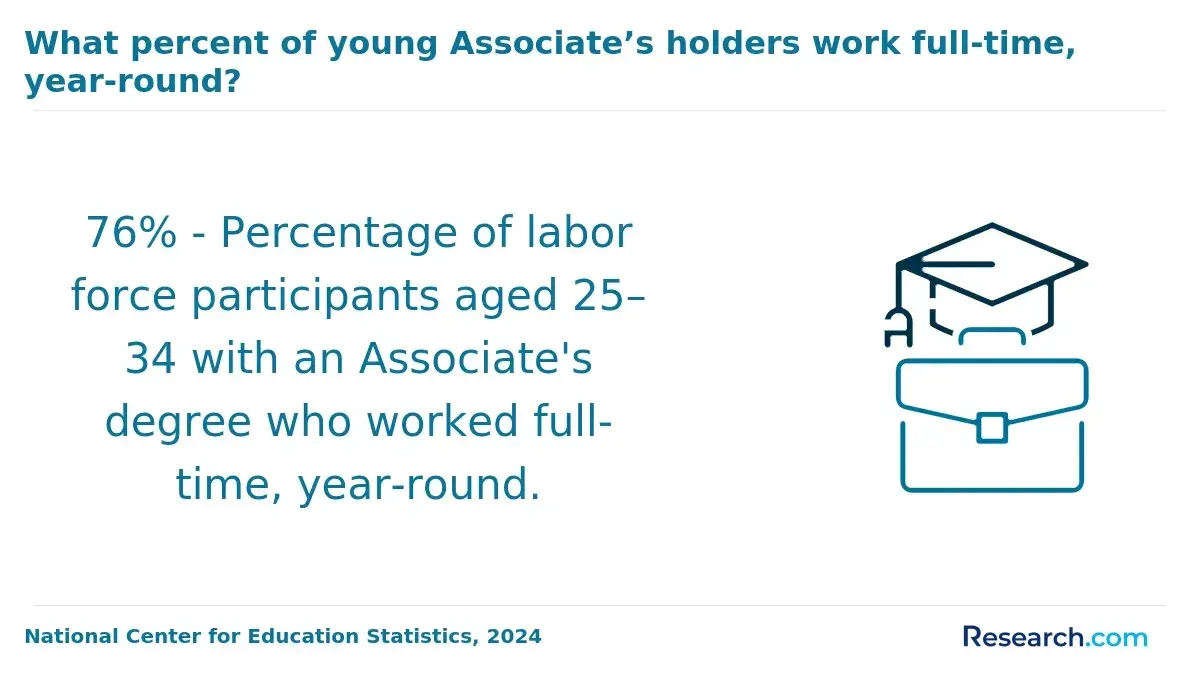
Choosing between an associate and a bachelor's degree in criminal justice significantly shapes one's access and advancement within community supervision roles. Entry-level positions like probation officer aides often accept an associate degree, facilitating quicker workforce entry but limiting upward mobility without additional certification or experience.
More substantive roles, such as probation or parole officers, generally require a bachelor's degree due to the complex legal knowledge, critical thinking, and social service skills needed. Employers prioritize candidates who combine legal procedural familiarity with strong interpersonal and case management skills. Training integrated into bachelor's programs often covers these areas more thoroughly, including community resource coordination and social work elements.
Projected workforce growth for court-related careers, including paralegals and legal assistants, is steady, offering competitive openings for those versed in legal process and client communication. This reinforces the benefit of a degree that blends criminal justice with practical legal and administrative competencies.
Practical tradeoffs include:
- Associate degrees offer faster completion and lower cost but constrain career flexibility and require on-the-job experience for advancement.
- Bachelor's degrees demand more time and investment but open pathways to supervisory duties, specialized roles like offender rehabilitation coordinators, and interagency communication positions.
Understanding these distinctions helps students align their educational choices with realistic employment expectations and long-term career strategy in community supervision fields.
What core courses and skills do criminal justice majors need for supervision jobs?
Supervision roles in criminal justice require more than foundational knowledge; candidates must master leadership, ethics, case management, and statistical analysis to effectively oversee community programs. Practical competence in risk assessment and conflict resolution directly impacts the ability to manage diverse caseloads while ensuring adherence to legal standards. For instance, supervisors in community supervision settings must interpret behavioral data to refine intervention strategies, demanding strong quantitative skills alongside interpersonal abilities.
Advanced criminology and rehabilitation knowledge equip supervisors to support teams managing reentry and probation, applying motivational interviewing and trauma-informed methods that reduce recidivism. Without this interdisciplinary approach, case management risks ineffectiveness and higher program failure rates. Proficiency with offender tracking systems and data analysis tools is increasingly non-negotiable for evidence-based decisions and compliance monitoring.
The U.S. Bureau of Labor Statistics notes a median annual wage of $77,030 for social and community service managers, with the upper decile surpassing $124,960. This wage range reflects premium compensation for those demonstrating a balance of field experience and thorough classroom instruction in leadership and legal compliance. Supervisors blending legal expertise with motivational skills tend to outperform peers limited to narrow academic backgrounds, particularly in probation offices where operational adaptability and stakeholder communication are essential.
What are typical admission requirements for criminal justice programs in this career track?
Admission into court and community supervision programs typically requires a high school diploma or GED, but many candidates enhance competitiveness with postsecondary coursework in social sciences or psychology. Employers demand applicants demonstrate relevant knowledge through transcripts and background checks due to the sensitive nature of supervision roles. Letters of recommendation often focus on interpersonal skills and ethical judgment, reflecting operational priorities in probation and diversion contexts.
A bachelor's degree pathway demands more than basic credentials; admissions committees look for completed general education credits and documented practical experience, such as internships in social services or corrections. This hands-on involvement is crucial since real-world engagement with client populations heavily influences hiring decisions in roles requiring nuanced understanding of behavioral and legal complexities.
Programs emphasize coursework in statistics and research methods, critical for evidence-based supervision. Notably, mental health and substance abuse counseling jobs within this field are forecasted to grow by 18% from 2022 to 2032, adding 71,500 positions according to the U.S. Bureau of Labor Statistics-making these skills highly market-relevant. Candidates without standard academic backgrounds may need remedial classes or standardized testing to qualify, which can delay entry but solidify foundational competence.
Flexibility is another factor for working students, with hybrid or online programs requiring digital proficiency and time-management to balance competing demands. Understanding these admission nuances is key for applicants aiming to align educational investments with realistic workforce outcomes.
How long do criminal justice degrees take and what do they cost for these careers?
Choosing a criminal justice degree requires close attention to how time, cost, and career objectives intersect with real employer expectations. For example, most court and supervision roles demand at least a bachelor's degree, with forensic and probation officer positions rarely advancing without it. Certificate or associate programs may offer faster entry but often restrict long-term growth and salary.
Public in-state undergraduate programs average $9,000 to $12,000 annually, whereas private institutions charge $20,000 to $40,000. Additional expenses-textbooks, licensing, background checks-can add $1,000 to $3,000 yearly, a factor often overlooked.
Consider a mid-sized jurisdiction candidate planning to become a probation officer. They likely face four years and about $40,000 in tuition alone, then mandatory post-degree training or certification, requiring a balance between study pace and maintaining income if working concurrently.
Practical program design influences workforce entry: accelerated three-year tracks reduce schooling time but may increase pressure and limit work options; part-time or online paths extend duration but provide financial flexibility.
Employment outlook favors roles such as forensic science technicians, projected to grow 13% through 2032, with a median wage near $64,940, emphasizing that financial and time investments can yield tangible returns when aligned with demand.
What are salary ranges and benefits for court and community supervision professionals?
Salary outcomes for court and community supervision professionals reflect a complex interplay of education, geographic variables, and agency funding. Entry-level compensation typically ranges from $40,000 to $50,000 annually but moving into mid-career roles with a bachelor's degree in criminal justice or related fields generally raises earnings to $60,000-$75,000. Supervisory or specialized positions can push salaries beyond $85,000, although these roles often require additional credentials or experience.
A probation officer in an urban area might earn near $70,000 but contend with higher living costs, while rural counterparts may start closer to $45,000 with significantly lower expenses, illustrating the necessity of weighing total compensation against local economic factors.
The median wage of around $52,000 for probation officers and correctional treatment specialists, according to U.S. Bureau of Labor Statistics data, exemplifies typical compensation but masks important variations linked to qualifications and employer type. Government-funded agencies generally offer more substantial benefits, including health coverage, retirement plans, paid leave, and tuition reimbursement, compared to private or nonprofit employers.
Prospective students and professionals should factor in a bachelor's degree's proven lifetime earning advantage-approximately $900,000 more than high school graduates per Georgetown University's Center on Education and the Workforce-when evaluating the cost-benefit of formal education in this field.
Advancement into management or niche community supervision roles often demands advanced credentials, making the value proposition for graduate studies or certification heavily context-dependent based on individual career goals and local market conditions.
What is the job outlook and promotion potential in court and community supervision fields?
Advancement in court and community supervision roles hinges on combining frontline experience with targeted education, not merely time served. For entry-level probation or parole officers, leadership roles typically become accessible within five to seven years, contingent on demonstrated skills in conflict resolution and legal knowledge. Employers distinctly favor candidates holding bachelor's or master's degrees in criminal justice or related fields for supervisory and case management functions.
The U.S. Bureau of Labor Statistics indicates a median annual wage of $68,680 for first-line supervisors of correctional officers, rising above $97,270 for top earners. Such figures underscore the financial incentives tied to promotions, which often require balancing ongoing education against job responsibilities and competitive exams.
Regional factors significantly influence career trajectories: large urban centers provide greater promotional opportunities due to volume and complexity of cases, while rural areas typically experience slower advancement because of fewer openings and budget limitations. This geographic disparity requires candidates to evaluate the practical tradeoffs between location and earning potential.
Key considerations for professionals planning their next step include:
- Leveraging advanced criminal justice credentials to meet supervisory benchmarks.
- Balancing the time and cost of education with immediate job demands.
- Navigating institutional variances in promotion criteria and training requirements.
This approach reflects the real-world complexity behind career growth beyond basic qualification, where strategic educational investment and operational skills determine upward mobility more than credentials alone.
Other Things You Should Know About Criminal Justice
Most state agencies and employers require at least a bachelor's degree for probation and parole officer roles, with criminal justice or related fields preferred. Holding only an associate degree often limits candidacy to entry-level or support roles without direct supervision duties. Prioritize programs that offer specialized coursework and practicums tied to supervision, as these better meet employer expectations and improve job readiness compared to generic criminal justice degrees.
Internships and fieldwork are essential for translating theoretical knowledge into practical skills critical for supervision roles. Programs with formal partnerships offering supervised placements tend to produce graduates who adapt faster to demanding caseloads and complex client interactions. Candidates from programs lacking applied learning often face a steep initial adjustment and slower career advancement in court and community supervision settings.
Choosing a program focused narrowly on community supervision better aligns with immediate employment demands in probation and parole, providing targeted skills with direct workplace application. Broader curriculums offer wider understanding but risk diluting practical training and require self-directed specialization. For career pivoters or those certain about court and community supervision, targeted programs maximize efficiency and relevance, reducing time and cost spent on unrelated courses.
Balancing work and pursuing a criminal justice degree can be challenging due to time constraints, as professionals must juggle demanding job responsibilities with academic commitments. The need for focused study time, completing practical experiences, and attending classes often conflicts with work schedules, making effective time management crucial.
References
- The Career Path of a Probation Officer | Pacific Oaks College https://www.pacificoaks.edu/voices/social-work/social-work-degrees-career-paths-probation-officer/
- PROBATION OFFICER CAREER GUIDE - BeMore https://lcrbemore.co.uk/news/probation-officer-career-guide/
- What to do With a Criminal Justice Degree - Paladin Security https://paladinsecurity.com/security-careers/become-security-guard-canada/
- Jobs with a degree in Criminal Justice | Monroe University https://www.monroeu.edu/academics/undergraduate-programs/school-criminal-justice/what-can-you-do-criminal
- What Are the Entry Requirements for a Criminal Justice Program? | University of Bridgeport https://www.bridgeport.edu/news/entry-requirements-for-a-criminal-justice-program/
- Probation/Parole Officer Careers https://www.dac.nc.gov/careers/probationparole-officer-careers
- Types of Criminal Justice Careers https://www.criminaljusticeprograms.com/criminal-justice-careers/
- Community Supervision Officer https://www.kaufmancounty.net/Jobs.aspx
- How to Become a Community Corrections Officer | 3CIR https://www.3cir.com/become-a-community-corrections-officer/
- Careers With a Criminal Justice Degree (Requirements & FAQ) https://www.allcriminaljusticeschools.com/criminal-justice/criminal-justice-careers/