2027 Questions to Ask Before Enrolling in an Online Criminal Justice Degree

Co-Founder and Chief Data Scientist
Mid-career professionals eyeing a shift into criminal justice face a critical challenge: how to choose an online degree program that genuinely aligns with evolving employer standards and accommodates complex schedules. The National Center for Education Statistics reports a 23% growth in online degree enrollment among adults balancing work and family since 2023, underscoring increased demand for flexible, credible credentials.
Yet, many programs vary sharply in practical training, accreditation, and graduate outcomes-elements that directly impact career mobility and law enforcement or legal sector hiring potential. This article identifies key questions to evaluate program quality, accessibility, and return on investment to guide informed enrollment decisions in this rapidly expanding field.
Key Things You Should Know
- Online criminal justice degrees often lack in-person practical training; Bureau of Labor Statistics data shows employers prefer candidates with field experience, requiring students to supplement online learning with internships or law enforcement shadowing.
- Graduates from regionally accredited online programs have 15% higher job placement rates in federal and state agencies, indicating accreditation status critically impacts employability within competitive public safety careers.
- Tuition for fully online criminal justice bachelor's programs averages 18% less than traditional routes, but slower part-time completion rates (up to 6 years) can increase overall opportunity costs for career changers, per National Center for Education Statistics.
What should you look for in an online criminal justice program's accreditation and credibility?
Accreditation standards for online criminal justice programs directly shape their practical value and labor market recognition. Employers and regulatory agencies usually require degrees from institutions with federal or regional accreditation to ensure that graduates meet operational and academic benchmarks.
For example, a candidate with a degree from a non-accredited provider often cannot access federal financial aid or qualify for crucial certifications, effectively stalling job eligibility within law enforcement or corrections.
How to verify credibility of online criminal justice degrees involves examining both institutional accreditation and discipline-specific validations, such as programmatic endorsements from bodies like the Academy of Criminal Justice Sciences.
Beyond credentials, students must investigate program rigor and experiential learning opportunities-virtual simulations, internships, or agency partnerships-that bridge theory with workforce-ready skills. Without these, online curricula risk producing graduates with limited practical competence.
The rapid expansion of online criminal justice enrollment, with 60% of 1.2 million U.S. students expected in remote courses, raises concerns about uneven quality and transparency.
Look for clear graduation and job placement data, plus curriculum updates in specialized fields like cybercrime and forensic technologies to maintain career resilience. State mandates often require specific accredited pathways for public sector licensure; ignoring this can block promotion or employment advancement.
Prospective students evaluating how much does a criminal justice degree cost should integrate cost considerations alongside outcome metrics and accreditation verification to avoid costly dead ends in professional advancement.
How do online and on-campus criminal justice degrees compare for quality and outcomes?
Online and on-campus criminal justice degree quality comparison reveals a critical divergence in experiential learning and networking, which materially impacts career outcomes. On-campus students benefit from immediate access to internships, live simulations, and direct mentorship that closely align with employer demands for hands-on experience.
In contrast, online programs typically offer virtual practicums or asynchronous case studies, which, while flexible, can hinder field-readiness-especially for roles requiring tangible exposure such as law enforcement or forensic analysis.
The average annual cost of an online bachelor's degree in social sciences, a reasonable proxy for many criminal justice programs, was $13,676 in 2024, making these options financially accessible compared to on-campus offerings.
However, this affordability may come at the expense of career resources and network development, crucial for breaking into competitive law enforcement and forensic sectors.
Working professionals pursuing online degrees need strong self-discipline and should proactively seek local internships or volunteering to compensate for less direct employer engagement, a strategy that complements the observed differences in career outcomes for online versus on-campus criminal justice degrees.
Employers frequently prioritize candidates with field experience, making on-campus immersion valuable despite higher fixed costs and reduced scheduling flexibility. The decision hinges on balancing financial constraints, desired experiential depth, and networking strategy.
Students aiming for specialized roles, such as forensic science, may benefit from researching specific forensic career paths to assess how educational delivery format affects practical skill acquisition and job market positioning.
What criminal justice careers can you pursue with an online degree?
Obtaining an online criminal justice degree can open pathways to roles such as police officer, probation officer, crime scene investigator, and compliance analyst, but licensure and hands-on training remain decisive factors in eligibility.
For instance, despite online coursework covering essential theories, becoming a police officer necessitates attending an accredited police academy in person. This nuance reflects a broader pattern across criminal justice degree careers in the United States where practical field experience often outweighs academic credentials alone.
Cost considerations further differentiate online from traditional on-campus options. National data shows tuition for online programs ranges from $6,000 to $36,000, contrasting with $10,000 to $100,000 for brick-and-mortar institutions. This affordability can increase access for candidates balancing work or relocation, but reduced expenses often accompany the tradeoff of fewer in-person skill development opportunities.
Top career options with an online criminal justice degree notably include specialized fields like forensic science, where additional certifications or technical training may be mandatory. Students interested in this area can explore relevant accreditation and pathways through resources such as the forensic science online degree guide. Similarly, supervisory and administrative positions within corrections and law enforcement stress demonstrated work history combined with academic achievement.
Prospective students must critically assess state licensing standards and employer expectations early to ensure alignment with career goals. Strategic program selection that offers partnerships with local agencies can facilitate essential internships, improving practical readiness and job placement in the competitive criminal justice landscape.
What courses and specializations are typically offered in online criminal justice programs?
Online criminal justice programs typically balance foundational coursework-such as criminology, criminal law, law enforcement procedures, corrections, and juvenile justice system studies-with specializations that directly influence employability.
Selecting between common online criminal justice degree specializations like cybersecurity, forensic psychology, or homeland security can determine whether graduates are prepared for roles in federal agencies, mental health facilities, or reform programs.
For example, cybersecurity tracks address the growing demand for digital crime prevention, often making programs with these options particularly appealing to agencies prioritizing technological expertise.
Another practical consideration in evaluating typical courses in an online criminal justice program is the presence of experiential components such as internships, virtual labs, or fieldwork partnerships. These elements are critical for developing hands-on skills required in investigative or enforcement roles. However, many online offerings vary in these provisions, and their absence may constrain readiness for operational tasks in the workforce.
The rapid increase in bachelor's degrees in criminal justice, evidenced by a 56% rise among Americans aged 25-29 since 2010, intensifies applicant competition and elevates the importance of specialization relevance and program quality. Prospective students must navigate this landscape by selecting programs aligned with labor market demands, including emerging fields, to maintain a competitive edge.
Students seeking specialized digital crime prevention knowledge might explore a veteran friendly online cybersecurity degree, which integrates domain-specific skills with criminal justice fundamentals, addressing both workforce needs and practical barriers veteran learners often face.
What are the admissions requirements for most online criminal justice degrees?
Admission criteria for online criminal justice degrees commonly demand a high school diploma or GED, with GPA minimums often set between 2.0 and 2.5. Official transcripts verifying secondary education completion are mandatory, while standardized tests like the SAT or ACT are increasingly waived due to accessibility concerns and holistic assessments. This shift reflects evolving admission practices but may affect comparability among applicants.
Applicants must typically submit detailed materials-application forms, statements of purpose, and sometimes letters of recommendation-which serve to evaluate motivation, reliability, and interpersonal skills. International candidates face additional hurdles, including proof of English proficiency via TOEFL or IELTS.
Transfer students should rigorously assess whether prior credits align with foundational criminal justice subjects; misaligned coursework can prolong degree completion and increase overall costs.
Working professionals often encounter fewer entry barriers but need to verify credit for relevant experience to leverage course waivers or accelerated pathways, especially in specialized areas like forensic science or law enforcement administration.
For instance, prospective attorneys must seek programs offering explicit pre-law tracks to align education with career trajectories, a decision that can influence employability and income potential. According to Intelligent.com, attorneys' median annual wage reached $145,760, illustrating the financial impact of targeted specialization within the field.
How long does it take to complete an online criminal justice degree?
Accelerated online criminal justice degrees shorten the path to qualification by compressing coursework into 2-3 years, a significant reduction from the traditional four-year timeline. This condensed schedule demands handling heavier credit loads and often includes synchronous sessions or mandatory fieldwork, which can strain working adults balancing employment and family.
Unlike standard programs with summer breaks, accelerated curricula reduce flexibility, requiring students to adapt quickly and demonstrate the ability to manage intensive academic and practical requirements simultaneously. For example, a full-time professional aiming to become a probation officer must weigh the intense weekly credit demands against the need to gain relevant experience without sacrificing quality.
Transferring prior credits is a strategic factor that can shorten completion times while preserving academic rigor, particularly for those with prior coursework in social sciences or legal studies. Employers in criminal justice fields tend to value both timely degrees and substantive field experience, so expedited programs must integrate hands-on learning to maintain workforce readiness.
Students should consider:
- The tradeoff between accelerated pace and practical experience acquisition.
- Employer preferences for candidates demonstrating sustained commitment and real-world competencies.
- Personal capacity to sustain high academic intensity alongside job or family duties.
What does an online criminal justice degree cost, and what financial aid is available?
Cost considerations for an online criminal justice degree extend beyond tuition, which ranges broadly from $15,000 to $40,000 for bachelor's programs and can reach $60,000 depending on factors like residency and institutional prestige. For professionals seeking promotion, assessing whether salary gains offset these expenses is essential, especially since employer tuition reimbursement varies notably by agency and location.
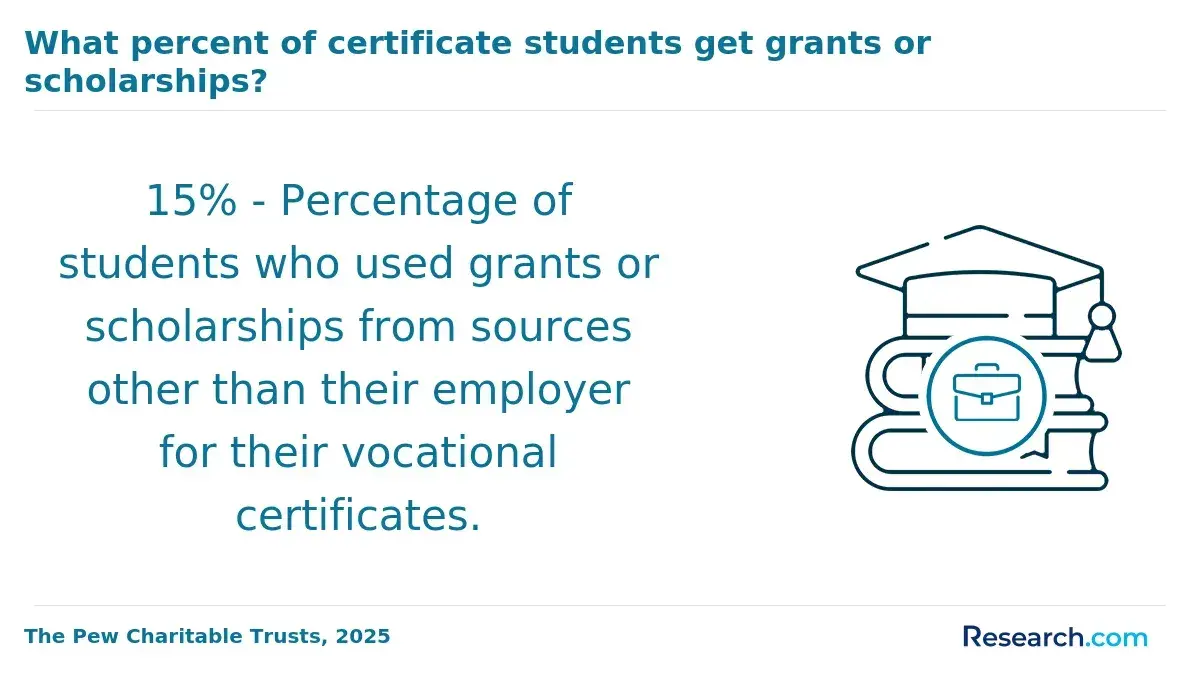
Federal aid through Pell Grants and Direct Loans is accessible to many, but grants rarely cover full costs, requiring a mix of loans or private funding. Scholarships aimed specifically at criminal justice students remain scarce; thus, applicants should investigate university-specific awards, departmental grants, and GI Bill benefits if eligible.
Some states with concentrated online criminal justice programs-such as New York, New Hampshire, and Arizona-offer additional state grants or fee waivers for residents in public institutions.
Employer expectations increasingly merge academic credentials with practical skills, favoring candidates from programs providing robust experiential learning, professional mentoring, and vocational-focused virtual simulations. These program features can drive tuition higher but often enhance employability and reduce time-to-hire.
However, students often underestimate indirect expenses-including mandatory technology fees and required materials-which can delay graduation and negatively impact return on investment.
Prospective students should balance tuition against tangible workforce outcomes and demand in metropolitan hubs where online program availability is robust, weighing direct costs alongside long-term career progression.
What is the salary outlook for criminal justice jobs you can get with this degree?
Salary prospects for criminal justice roles tied to an online degree depend heavily on specialization and location, with clear tradeoffs between immediate employment and long-term income potential.
Entry-level law enforcement officers typically start between $45,000 and $60,000 annually, while cybersecurity roles connected to criminal justice can command $70,000 to $90,000, reflecting the premium placed on technical certifications alongside academic credentials.
Probation officers and federal agents fall into a median salary range of $55,000 to $75,000, though smaller towns and rural areas often provide notably lower pay than urban or federal positions, influencing career trajectory and earning power over time.
Candidates must recognize that many criminal justice roles require physical presence and irregular hours, which can diminish the immediate advantages of an online degree unless paired with practical experience or internships.
Important considerations include:
- Early-career corrections or law enforcement jobs may offer lower salaries but valuable on-the-ground experience essential for advancement to supervisory or specialized roles with six-figure potential after 10 to 15 years.
- Security-focused paths like forensic analysis or cybersecurity generally start with higher pay and quicker wage growth but demand additional certifications and technical aptitude beyond the degree.
Employers prioritize a combination of education, demonstrated skills, and thorough background checks, meaning an online criminal justice degree alone rarely secures top-tier salaries without complementary hands-on training and strategic program selection.
How strong is the job market and long-term demand in criminal justice fields?
The criminal justice job market favors graduates with technical fluency, reflecting a labor shift away from traditional law enforcement toward roles integrating cybersecurity, data analysis, and compliance.
Enrollment data indicate a 15% rise at four-year programs, reflecting demand for advanced credentials and illustrating the strategic benefit of transferring credits from community colleges to reduce time and cost. This contrast demonstrates a critical tradeoff: broad criminal justice theory alone offers limited growth, while niche skills enhance employability in federal, private security, and tech-driven sectors.
Career changers-such as cybersecurity analysts moving into criminal justice-must prioritize programs recognizing relevant IT certifications, enabling accelerated degree completion and better positioning for evolving workforce needs. Prospective students often underestimate how transfer policies and the acceptance of prior learning credits materially affect affordability and graduation timelines.
Employers increasingly seek candidates beyond basic theory with demonstrated expertise in digital forensics and regulatory compliance. Graduates narrowly trained in traditional roles face slower market growth and fewer advancement opportunities. Decision-makers should scrutinize programs for career services and employer partnerships that facilitate direct pipelines into employment.
How can you evaluate and choose the best online criminal justice school for you?
Choosing an online criminal justice program requires weighing concrete outcomes over surface-level appeal. Programs reporting job placement rates exceeding 85% within six months offer measurable advantages by connecting graduates to law enforcement, corrections, or legal careers. Without transparent data on employment and graduation, prospective students risk investing in credentials that carry limited recognition or practical utility.
Regional accreditation is a non-negotiable baseline. Employers and credentialing bodies commonly reject qualifications from unaccredited schools, negating time and financial investment. Program-specific accreditation from recognized criminal justice entities further signals curriculum alignment with professional standards.
Curriculum design must prioritize applied experience. Internships, virtual scenarios, and agency partnerships provide essential exposure beyond theory, making candidates more competitive. Flexibility in scheduling and asynchronous learning are critical for working adults balancing education with job and family responsibilities.
Cost considerations demand scrutiny of Return on Investment. High tuition without strong industry network access or career services diminishes long-term value. By contrast, moderately priced, outcome-focused programs align better with employment stability in a field with historically low civilian unemployment rates near 1.8%, per labor data.
For mid-career professionals targeting federal law enforcement, the difference lies in pipeline integration. Generic programs lacking direct agency ties rarely facilitate swift transitions, underscoring the importance of strategic selection based on career goals and workforce connections.
Other Things You Should Know About Criminal Justice
The program should hold institutional accreditation from a U.S. Department of Education-recognized accreditor, and the college should publish that status on its website. If the degree leads to a state license or police academy pathway, check whether the state agency or employer also requires programmatic approval.
In 2027, online criminal justice programs often incorporate virtual simulations, scenario-based learning, and partnerships with local agencies to facilitate internships or field experiences. This approach helps students develop practical skills essential for the field without compromising the flexibility offered by online education.
In 2027, online criminal justice programs typically require a stable internet connection, a computer with an updated operating system, and specific software platforms such as Zoom or Blackboard for coursework access and discussions. Check individual program requirements for any additional software needs.
In 2027, online criminal justice programs typically offer specializations like cybercrime investigation, forensic psychology, homeland security, and juvenile justice. Each specialization can require specific courses and projects tailored to equip students with focused expertise for niche areas within the criminal justice field.
References
- Guide To Criminal Justice Degrees And Majors https://www.criminaljusticedegreeschools.com/degrees/
- Criminal Justice Degree Requirements | University of Bridgeport https://www.bridgeport.edu/news/criminal-justice-degree-requirements/
- Most Affordable Online Criminal Justice Degrees https://www.affordablecollegesonline.org/degrees/criminal-justice-programs/
- 7 Ways to Pay for a Criminal Justice Education | All Criminal Justice Schools https://www.allcriminaljusticeschools.com/blog/how-criminal-justice-students-pay-for-school/
- Find Top Online Bachelor's In Criminal Justice Programs https://www.accreditedschoolsonline.org/criminal-justice/bachelors/
- How to choose a bachelor's in criminal justice | edX https://www.edx.org/resources/how-to-choose-a-bachelors-in-criminal-justice
- Is Criminal Justice Really a Good Career Choice? | CSU Global https://csuglobal.edu/blog/is-criminal-justice-really-a-good-career-option
- Online Criminal Justice Degrees: Find the Right Program https://www.degreesforgood.org/online-degrees/criminal-justice-programs/
- Financial Aid Tips for Criminal Justice Students https://www.criminaljusticeprograms.com/financial-aid/
- Online Bachelor’s Degree in Criminal Justice https://www.monroeu.edu/academics/undergraduate-programs/school-criminal-justice/online-bachelors-degree-criminal-justice