2027 Best Online Bachelor's in Criminal Justice for Court Services Careers

Co-Founder and Chief Data Scientist
For professionals seeking advancement in court services, navigating the narrow hiring windows and stringent qualification requirements often proves daunting. Many employers demand a bachelor's degree paired with relevant experience, yet traditional programs rarely accommodate working adults' schedules or career pacing. According to the National Center for Education Statistics, over 40% of bachelor's degree enrollments now come from students aged 25 and older, underscoring growing demand for flexible, accessible education that integrates with ongoing employment.
This trend signals a shift in how aspiring court services specialists must choose programs aligning both with workforce timelines and evolving credential demands. This article evaluates leading online bachelor's in criminal justice designed to meet these exact needs, helping readers select pathways that balance rigor, access, and career mobility.
Key Things You Should Know
- Online bachelor's in criminal justice programs averaging 120 credits can delay workforce entry by 3-4 years; candidates must weigh immediate job availability in court services against longer-term credential gains, as found in recent NCES reports.
- Employers in state and federal court services increasingly prioritize candidates with internships or practicum components, with 68% of surveyed agencies listing hands-on experience as critical for hiring, according to the 2024 Bureau of Labor Statistics data.
- Cost variance among accredited programs-from $20,000 to $60,000 total-forces candidates to evaluate debt impact on career mobility, especially since median court services salaries stagnate near $50,000 annually, per 2024 PayScale metrics.
What is an online bachelor's in criminal justice with a court services focus?
An online bachelor's degree in criminal justice for court services careers demands a balance between foundational knowledge and practical skills specifically tailored to probation, parole, and correctional treatment. Candidates emerging from such programs must demonstrate both theoretical understanding and applied competencies like risk assessment and case management to meet employer expectations in this field.
For example, a probation officer in a mid-sized jurisdiction must rapidly synthesize risk factors from multiple sources and maintain compliance with shifting legal standards and departmental policies. An online criminal justice program with a court services focus that incorporates realistic scenarios and evolving procedural content better prepares students for such operational complexity.
Applicants should weigh the challenges of securing quality fieldwork or practicum placements, as court services roles require hands-on exposure beyond academic coursework. This tradeoff is especially relevant for working adults balancing local agency partnerships or externships with online study. Licensing and certification requirements vary by state, so understanding how programs support these credentials and ongoing professional development is essential.
Labor market projections predict a 12% employment growth for probation officers and correctional treatment specialists over the next decade, driven by increased preference for community-based supervision alternatives. This makes a court services focus in an online bachelor's program for criminal justice a relevant pathway for entry or advancement within the criminal justice workforce.
Graduates often pursue roles such as probation officer or correctional treatment specialist, roles demanding strong analytical and coordination skills with judges, attorneys, and social services. For insight into niche career paths, such as becoming an FBI profiler.
How do online criminal justice programs prepare graduates for court services careers?
Online criminal justice programs that equip students for court services careers must balance theoretical legal knowledge with indispensable operational skills to meet employer expectations in high-stakes environments. These programs focus on procedural law, case management, legal research, and ethics, directly targeting skills necessary for paralegals, legal assistants, and court staff who must manage document preparation and evidence organization accurately under pressure.
Employers prioritize candidates with a demonstrated ability to use legal databases and case management software, reflecting the digital proficiency required from day one. For instance, a graduate employed in a district attorney's office needs to quickly interpret judicial orders and file motions on tight deadlines to avoid costly case dismissals. This real-world demand reinforces the advantage of online programs that incorporate scenario-based training and capstone projects, which build practical readiness.
Skills gained from an online bachelor's in criminal justice for court services roles also include confidentiality adherence and independent navigation of complex legal terminology. Graduates typically present a portfolio that validates their operational competence rather than purely academic success. The U.S. Bureau of Labor Statistics projects steady 4% job growth with a median annual wage of $60,430 for paralegals and legal assistants, underscoring the sustained need for precise procedural compliance and legal document management skills.
Prospective students evaluating pathways should carefully consider workforce tradeoffs and skill alignment, with emphasis on programs that solidify both digital and administrative competencies. Exploration of options can begin with reputable online paralegal certificate programs to complement broader criminal justice credentials.
Which accredited online schools offer the best criminal justice degrees for court services?
Effective preparation for court services roles hinges on selecting accredited online schools with criminal justice degrees for court services that integrate specialized coursework directly relevant to the field. Programs at Southern New Hampshire University (SNHU), University of Cincinnati Online, and Arizona State University Online illustrate critical distinctions in curriculum design, emphasizing offender rehabilitation, probation officer specializations, and legal-ethical frameworks, respectively. For example, SNHU's inclusion of probation management courses equips students to immediately contribute in community supervision contexts.
Graduates benefit from regional accreditation that facilitates credit transfers and bolsters employer recognition, which can materially affect hiring prospects and salary trajectories. Given that probation officers and correctional treatment specialists earned a median wage of $64,520 with top earners exceeding $99,560, prioritizing programs that align with licensing standards and offer practicums in court service environments is essential to avoid underpreparation and stagnation in the workforce.
Working professionals will find asynchronous online delivery indispensable, allowing them to maintain employment while upskilling. However, students should critically assess whether a curriculum adequately addresses jurisprudence, client assessment, and relevant regulations to match the demands of court services careers.
Finally, those exploring avenues to advance in criminal justice would benefit from considering related fields such as forensic psychology. Resources like forensic psychology master's programs offer complementary expertise valuable for court services trajectories.
What admissions requirements do online criminal justice programs typically have?
Admission to online criminal justice bachelor's programs often hinges on more than just a high school diploma or GED; competitive state universities frequently require a minimum GPA around 2.5. The practical impact of these typical application requirements for criminal justice degrees is seen in how candidates must balance academic readiness with professional context. For example, working adults pursuing a career pivot benefit from programs that allow relevant experience or endorsements to substitute for some formal criteria.
Applicants should expect stringent documentation protocols, including timely submission of official transcripts and adherence to transfer credit policies, which directly affect graduation timelines. Traditional standardized tests such as the SAT or ACT have become optional or waived in many cases, mirroring shifting admissions trends analyzed in recent education statistics.
Financial planning is critical. Kennesaw State University exemplifies affordability at $190 per credit, which influences students negotiating employer tuition assistance or federal aid options. Alongside these considerations, technology requirements-stable internet and compatible devices-are non-negotiable for managing asynchronous coursework, exams, and virtual case studies necessary to meet employer expectations in court-related roles.
Evaluating an online criminal justice program admission criteria involves weighing tradeoffs between academic rigor, cost, and practical accessibility. Prospective students can also explore cross-disciplinary degree options such as an animal science bachelor degree online to assess alternative pathways for workforce entry and skill diversification.
What courses and specializations are included in a court services-focused curriculum?
Bachelor's programs centered on court services must balance legal theory with applied skills tailored to judicial environments. Emphasizing courses like Legal Foundations, Court Procedures, and Judicial Ethics provides the essential framework for understanding court systems, but the distinct advantage lies in specialized training around Probation and Parole Processes and Correctional Administration. These areas enable graduates to manage offender supervision effectively and navigate administrative challenges within justice agencies.
Employers in courts and related institutions prioritize candidates who can demonstrate proficiency in Evidence Collection, Conflict Resolution, and precise Report Writing, as these competencies directly impact case outcomes and operational efficiency. Alternative Dispute Resolution techniques further reduce court burdens by promoting settlements outside trial settings-an increasingly important strategy amid resource constraints.
Real-world readiness depends heavily on integrating internships or practicum experiences. For instance, a student gaining probation officer experience during their studies markedly improves employability by developing hands-on skills that purely academic programs often lack. This practical exposure also clarifies trade-offs when choosing between programs more focused on abstract legal theory versus those emphasizing court services workflow.
The U.S. Bureau of Labor Statistics projects a 5% growth in legal occupations from 2024 to 2034, spotlighting the value of court-focused curricula. Programs foregrounding Community Corrections, Juvenile Justice, and Court Technology address evolving hiring demands, enabling graduates to meet immediate competency requirements. Neglecting these elements risks producing candidates ill-prepared for dynamic court service roles that intertwine justice administration with offender oversight.
How does studying criminal justice online compare with campus-based programs for court roles?
Accelerated online criminal justice programs typically reduce degree completion from four years to two or three, directly impacting a candidate's time-to-employment in court services roles. This faster pathway suits individuals aiming to enter positions like probation officers or court clerks quickly, where showing current knowledge alongside actionable experience is prioritized by employers. However, this speed advantage often trades off with limited local networking opportunities, which are critical in community-centered legal environments.
Working professionals benefit from the flexibility of online study, enabling them to combine part-time internships with coursework. This arrangement can close the gap between education and relevant work experience but requires self-direction to secure meaningful hands-on engagement that campus programs often embed through structured simulations and mandated in-person internships.
For example, a student targeting juvenile court counselor roles may need in-person mentorship to fully develop procedural skills and community context, whereas a metropolitan online graduate with access to diverse internship sites might compensate through proactive field immersion.
Key considerations include:
- Faster completion accelerates workforce entry but may reduce embedded local networking and practical exposure.
- Campus programs integrate experiential learning such as labs and site-specific internships that foster essential procedural competence.
- Online learners must strategically plan additional field experience to match the professional readiness expected in court services.
Choosing between format and networking depth directly influences long-term employment viability and should inform educational strategy accordingly.
How long does an online criminal justice bachelor's take, and what does it cost?
Completing a bachelor's degree in criminal justice online demands strategic consideration of time and cost, both of which shape career prospects in roles like probation officer or paralegal. A full-time track typically spans four years, but accelerated options can reduce this to 2.5-3 years-advantageous for those with transfer credits or prior collegiate experience. Part-time study extends program length beyond five years, often necessary for working adults but delaying entry into mid-$60,000 salary positions.
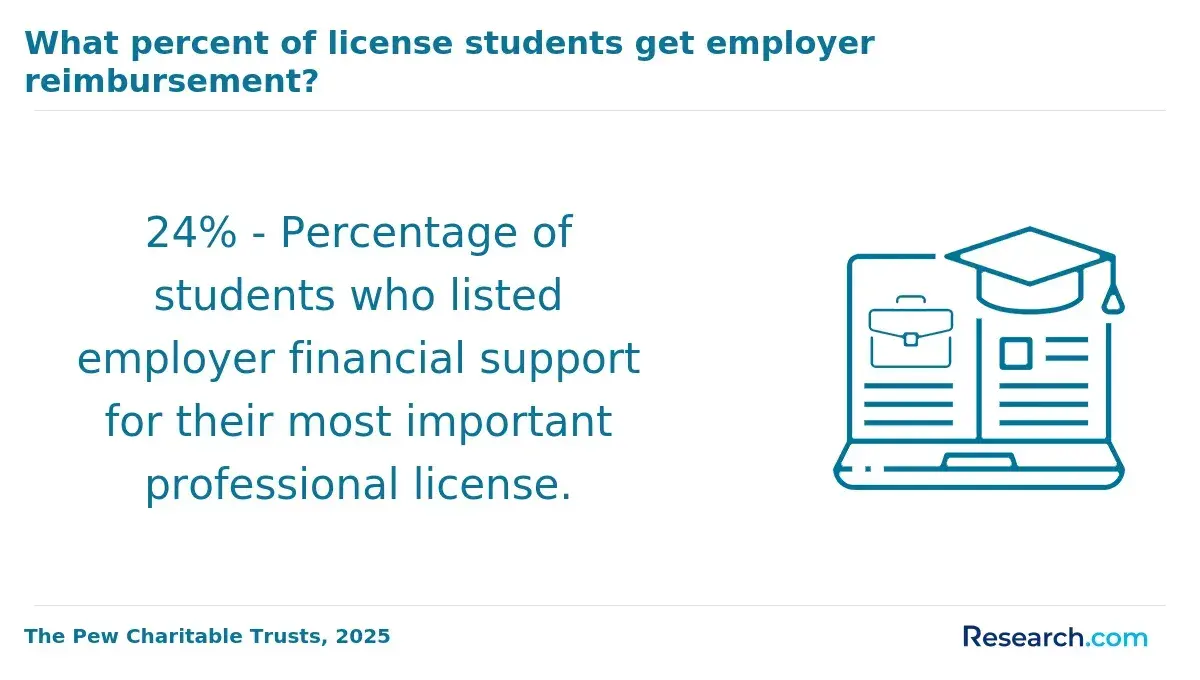
This tradeoff also impacts overall expenditure since shorter programs compress tuition payments but lower living and opportunity costs. Cost varies significantly across public and private institutions, ranging roughly from $15,000 to $90,000 total tuition, excluding extra expenses such as books and fees. Financial aid and employer tuition reimbursement options exist but require diligent effort to secure. prospective students must weigh these factors carefully to optimize investment versus timeline.
Employers increasingly value practical skill development through internships and practicum experiences integrated within the curriculum, which can lengthen study duration but enhance readiness for court services jobs. Credit transfer policies and program accreditation also pose important considerations influencing timely completion and credential legitimacy.
What court services jobs can you get with an online criminal justice bachelor's?
Among court services roles accessible with an online bachelor's degree in criminal justice, probation officer, court clerk, and victim advocate each present distinct operational realities and workforce challenges. Probation officers manage offenders under supervision rather than incarceration, requiring strong case management capabilities and legal acumen, often involving substantial client interaction and judicial coordination. Their median national salaries range broadly between $50,000 and $65,000, based on Southern New Hampshire University data.
Court clerks handle essential administrative duties such as maintaining records and scheduling, supporting judicial efficiency with less exposure to field risks compared to probation officers. This position suits candidates prioritizing organizational precision and stable office environments without the pressures of direct offender supervision.
Victim advocates navigate sensitive communication channels and provide emotional support grounded in victimology and ethics education. This role demands emotional resilience and thorough knowledge of victims' rights, reflecting a blend of empathetic engagement with legal advocacy.
Considerations for choosing among these careers include:
- Tolerance for physical and emotional stress, particularly in probation work.
- Preference for administrative versus direct client-facing roles.
- Willingness to manage caseload pressure and courtroom dynamics.
Understanding these factors sharply defines the tradeoffs in leveraging an online criminal justice degree for court services careers, guiding strategic decisions aligned with personal and professional priorities.
What salary ranges and job outlook can court services professionals expect?
Median salaries for court services professionals in 2026 will typically fall between $40,000 and $65,000, with probation and parole officers earning around $54,000 and entry-level court clerks or bailiffs near $40,000. Achieving salaries above $70,000 is usually tied to supervisory roles or positions within larger federal agencies and jurisdictions. Location plays a significant role: urban centers provide higher wages but bring stiffer competition, while rural areas offer more stability albeit slower wage growth.
Projected employment growth at about 5% through 2034 aligns with national trends in law enforcement support jobs, driven by rising caseloads and evolving sentencing reforms. Candidates who pursue accelerated online criminal justice programs can enter the workforce 25-50% faster, potentially amplifying lifetime earnings, yet this advantage must be weighed against employer preferences for practical experience and certifications.
Hiring practices often require a mix of formal education and field internships, with state-specific certification standards limiting promotion ceilings without additional credentials. Selecting programs that integrate practicum components can reduce common barriers for applicants lacking prior court or law enforcement exposure.
How can students evaluate accreditation and choose a reputable online criminal justice program?
Accreditation serves as a decisive filter for criminal justice students aiming to ensure their education translates into real workforce value. Regional accreditation validates that institutions meet broad academic standards necessary for credit mobility and federal aid, while specialized accreditation-such as from the Academy of Criminal Justice Sciences (ACJS)-directly signals alignment of curriculum with sector-specific competencies. Graduates from non-accredited programs frequently encounter hiring and certification obstacles, particularly for court services roles like court clerks or legal assistants.
Employers prioritize candidates from programs that demonstrate curricular relevance and faculty expertise, which often correlates with accredited status. Practical considerations extend beyond accreditation to include program outcomes such as graduate employment rates and internship opportunities with law enforcement or courts-elements that substantially influence job readiness and career trajectory.
Realistic expectations about career pathways are essential. Rowan University research emphasizes that criminal justice bachelor's graduates typically begin in entry-level court support but can progress to positions like federal agent or intelligence analyst only through structured advancement, often contingent on experience and ongoing education.
Prospective students should critically evaluate the program's curriculum for up-to-date industry standards and technology integration, which affect practical preparedness. A program's partnership network and practicum components are tangible indicators of employability support in court services environments.
Regional accreditation ensures transferability and financial aid access but does not guarantee specialized skill training. Specialized accreditation reflects a curriculum attuned to current criminal justice demands and court services roles. Internships provide crucial hands-on experience that employers seek, bridging theory and operational realities.
Other Things You Should Know About Criminal Justice
Online criminal justice programs require disciplined time management because the coursework often includes extensive reading, case studies, and applied writing assignments. Unlike some fields where learning is primarily objective-based, criminal justice demands critical thinking about legal and ethical scenarios, which can extend study time. Students working full-time should prioritize programs with flexible deadlines and asynchronous classes but must be prepared for a significant workload that can impact work-life balance, especially during intensive modules on court procedures or ethics.
Field experience is a critical differentiator in court services careers, as employers expect practical knowledge of courtroom environments and client interactions. Many online programs require or offer support in securing internships, but these opportunities vary greatly by school and region. Prioritize programs that actively facilitate local internships or partnerships, as lacking hands-on experience limits employability and reduces understanding of courtroom dynamics, which cannot be fully replicated online.
In 2027, top colleges like Arizona State University, University of Central Florida, and Penn State World Campus are known for outstanding online bachelor's programs in criminal justice. These schools provide comprehensive curricula and flexible learning environments tailored for those pursuing court services careers.
More rigorous programs tend to have higher academic standards, deeper legal content, and stricter grading, which better prepare students for the complexities of court services roles but demand greater time and effort. More accessible programs may offer easier entry and faster completion but risk producing graduates less equipped to meet employer expectations for critical analysis and ethical decision-making. Students aiming for advancement or specialized court positions should prioritize program quality over speed or ease, accepting the additional workload as an investment in long-term career outcomes.
References
- Types of Criminal Justice Careers https://www.criminaljusticeprograms.com/criminal-justice-careers/
- Jobs with a degree in Criminal Justice | Monroe University https://www.monroeu.edu/academics/undergraduate-programs/school-criminal-justice/what-can-you-do-criminal
- Find Top Online Bachelor's In Criminal Justice Programs https://www.accreditedschoolsonline.org/criminal-justice/bachelors/
- In-House Counsel Salary Guide 2026: What GCs and Lawyers Can Expect - Paragon Legal https://paragonlegal.com/insights/general-counsel-salary/
- Online Criminal Justice Degree & Career Information https://www.criminaljustice.com/online-degrees/
- Job Outlook for Lawyers in the Current Market https://nbi-sems.com/blogs/news/job-outlook-for-lawyers
- How to choose a bachelor's in criminal justice | edX https://www.edx.org/resources/how-to-choose-a-bachelors-in-criminal-justice
- Online Criminal Justice Degree | BS in Criminal Justice | King https://online.king.edu/online-degree-programs/bachelor-of-science-in-criminal-justice-and-criminology/
- Online Criminal Justice Program Tips | University of Bridgeport https://www.bridgeport.edu/news/succeeding-in-online-criminal-justice-program/
- NALP | NALP's Public Service Attorney Salary Survey Shows Pay Remains Lowest at Civil Legal Services Organizations https://www.nalp.org/0524research