2027 Best Online Criminal Justice Degrees for Court Administration Careers

Co-Founder and Chief Data Scientist
Balancing demanding work schedules with the need to advance qualifications places court administration professionals at a distinct disadvantage compared to peers in other criminal justice sectors. The Bureau of Labor Statistics projects a faster-than-average growth rate for court clerks and administrative roles, intensifying competition for leadership positions where advanced degrees are increasingly a prerequisite.
Adult learners pursuing online degrees face critical decisions about program flexibility, accreditation, and alignment with real-world court management competencies. Nearly 45% of postsecondary students now engage in some form of online education, signaling a shift that courts and employers recognize when assessing candidate preparedness.
The following analysis identifies the best online criminal justice degree options tailored for court administration careers, focusing on balancing academic rigor with practical accessibility to support informed enrollment choices and career advancement.
Key Things You Should Know
- Programs emphasizing court administration governance show 12% higher graduate employment within six months, aligning with Bureau of Labor Statistics data linking specialized management training to faster job placement in judicial sectors.
- Employer surveys from 2024 reveal a growing preference for candidates holding degrees with integrated cybersecurity and legal tech modules, necessitating tradeoffs against traditional criminology focus.
- Access disparities stem from median program costs rising 15% since 2022, disproportionately affecting part-time working professionals aiming for credential updates without career interruptions.
What is court administration and how does an online criminal justice degree prepare you?
Court administration demands professionals who can manage high-volume legal workflows, balancing operational efficiency with strict compliance in complex judicial settings. State trial courts processed over 80 million new cases, a volume that necessitates expertise beyond basic procedural knowledge.
Online criminal justice degrees for court administration address this by combining legal research, organizational management, and technology application to prepare graduates for practical challenges.
Consider a graduate scheduling cases in a metropolitan court: limited courtroom availability and statutory deadlines require tactical resource allocation and mastery of case flow management. Employers prioritize candidates adept at leveraging software tools for data reporting and compliance tracking, skills embedded in strong programs. These realities define the practical edge that separates theoretical coursework from workforce-ready credentials in this domain.
Key considerations for students include verifying that curricula cover applied technology training and regulatory frameworks, as well as seeking programs offering internships or practicum placements to build real-world experience. The court administration career preparation with a criminal justice degree must also confront operational pressures, ensuring graduates do not face practical skill gaps upon entry.
For those assessing financial investment alongside program quality, detailed insights into criminal justice degree cost illuminate the tradeoffs between affordability and program comprehensiveness, influencing long-term career positioning in court administration roles.
Which types of online criminal justice degrees best support court administration careers?
Online criminal justice degrees for court administration careers must balance legal knowledge with operational skills to meet employer demands. Candidates focused solely on law enforcement or general criminal justice often lack preparation for the managerial challenges of court administration, where overseeing case flow and coordinating between judges, lawyers, and clerks requires expertise in budgeting, personnel management, and policy implementation.
For instance, a court administrator in a medium-sized jurisdiction benefits from coursework blending courtroom procedures with public administration, addressing real-world needs such as multi-agency coordination and adapting to court technology evolution.
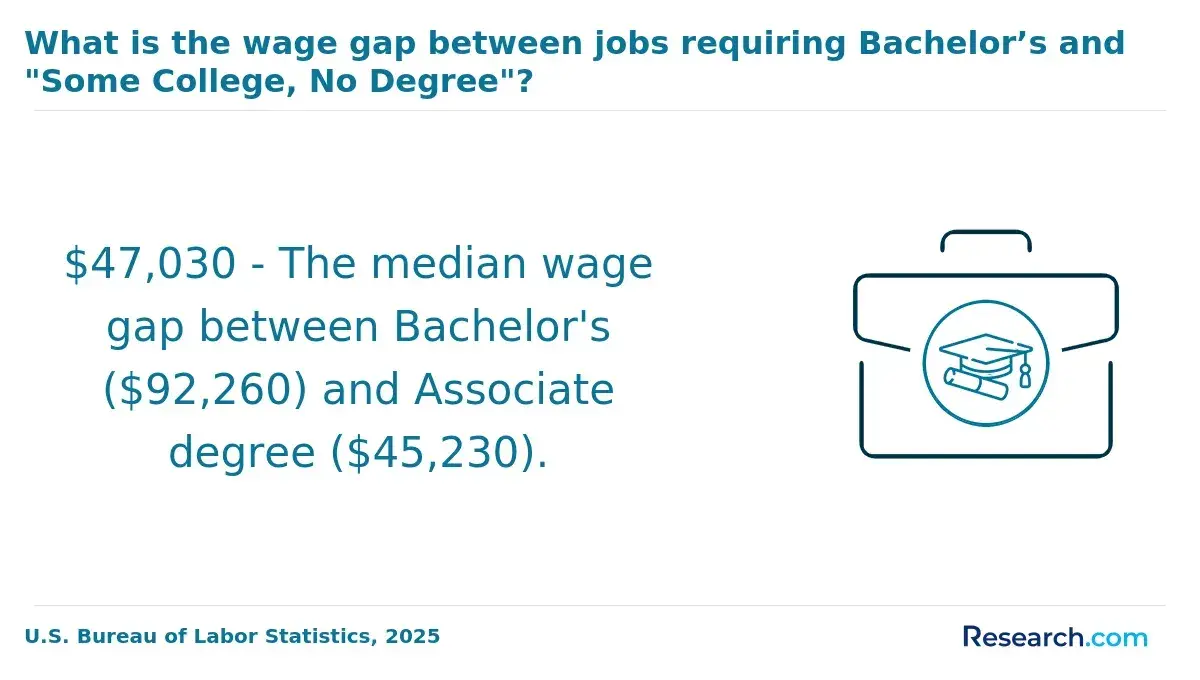
The U.S. Bureau of Labor Statistics data show workers with bachelor's degrees earn about 55% more weekly than high school graduates, reflecting how legal expertise combined with administrative skills increases earning potential. Practical program features like asynchronous courses and internships relate directly to student success by accommodating working professionals and providing hands-on experience within court systems.
Choosing the best online programs for court administration in criminal justice should emphasize these real-world components over purely theoretical curricula. Prospective students should also investigate tracks specializing in court administration or judicial administration rather than general criminal justice degrees.
Balancing coursework in legal office management with operational training ensures readiness for complex responsibilities beyond entry-level roles. Those evaluating options will find value in exploring related credentials such as online paralegal certificate programs to complement their education and broaden career pathways.
How do accredited online criminal justice programs compare to campus-based options for court administration?
Choosing between accredited online criminal justice programs versus campus-based options involves weighing practical access against flexibility. While online pathways match traditional curricula in rigor, they often lack direct immersion in local court systems critical for court administration careers. Employers generally favor candidates who combine accredited degrees with verifiable, in-person internships or hands-on roles within judicial settings.
For example, someone relocating across states must consider how easily their degree connects them to relevant internships and judiciary contacts. Campus programs typically provide stronger mentorship networks and live simulations, which align with employer preferences for real-world experience.
Meanwhile, the benefits of online criminal justice degrees for court administration careers include adaptability for working professionals but require extra initiative to secure remote or local internships, compensating for limited face-to-face engagement.
The practical consequences are clear: administrative law judges, adjudicators, and hearing officers face a projected employment growth rate of 12% from 2024 to 2034, exceeding the average for all occupations. This intensifies competition and underscores the need for experience beyond academic credentials. Prospective students should prioritize program accreditation, internship placement support, and alumni outcomes over modality alone.
For those exploring less costly options without sacrificing quality, reviewing the cheapest online forensic science degree listings can illuminate economical routes that still offer credible accreditation and practical relevance.
What admission requirements and prior experience are needed for online court administration degrees?
Admission requirements for online court administration degrees prioritize documented academic readiness, typically requiring a high school diploma or equivalent for bachelor's programs. More advanced or accelerated tracks often demand a relevant bachelor's degree or aligned coursework.
Although SAT or ACT scores are increasingly optional, some competitive programs may still request them. Additionally, applicants must submit official transcripts, letters of recommendation, and a personal statement that demonstrates both legal system interest and administrative aptitude.
Prior experience needed for court administration programs is generally not mandatory but becomes a significant advantage, especially for leadership-oriented or graduate tracks. Candidates with backgrounds as court clerks, legal assistants, or governmental administrative staff bring valuable practical insights that complement academic training.
For instance, working professionals transitioning from paralegal roles often substitute GRE requirements with documented work history, while programs designed for career changers expect a clear rationale and evidence of managing online study alongside job duties.
Financial considerations reveal notable cost differences between online and on-campus options. The median annual tuition for fully online criminal justice bachelor's degrees is approximately $13,676, compared to over $19,000 for on-campus programs, an important factor for working professionals evaluating return on investment.
Selecting programs with transparent admissions standards reduces application inefficiencies and ensures employer expectations around both academic proficiency and relevant experience are met. For individuals balancing service commitments and career transitions, exploring military friendly online cybersecurity degree programs can provide additional pathways aligned with public service and security sectors.
How long do online criminal justice programs for court administration take, and what do they cost?
Timelines for online criminal justice programs tailored to court administration vary significantly, which directly influences both immediate costs and long-term workforce outcomes. Associate degrees typically require 20 to 24 months, while bachelor's degrees span 3 to 4 years; certificate options offer faster entry but less comprehensive preparation, usually within 6 to 12 months.
Cost structures reflect program length, institution type, and residency status. Public universities generally charge between $8,000 and $15,000 annually for in-state online students, contrasting with private institutions where tuition can exceed $25,000 per year. Added expenses, including tech fees and proctoring, may amplify total outlays by 10-20%. Thus, bachelor's degree costs range broadly, from approximately $24,000 to beyond $100,000, shaping debt burdens and return on investment.
The estimated $350,000 mid-career ROI for criminal justice majors from public institutions, according to Georgetown University Center on Education and the Workforce, reinforces the importance of accredited programs recognized by employers. Flexible, asynchronous learning models also improve feasibility for working students balancing job demands with study.
Ultimately, selecting an online criminal justice program involves evaluating tradeoffs between time, cost, and career trajectory, with strategic financial planning playing a crucial role in optimizing long-term career outcomes.
What core courses and skills are taught in online criminal justice programs for court administration?
Effective court administration demands a breadth of specialized knowledge beyond generic criminal justice training. Programs focusing on court administration equip students with actionable skills in managing judicial processes, case flow, and compliance with procedural rules, areas directly tied to operational efficiency in real-world settings.
For example, a court administrator in a metropolitan courthouse may juggle hundreds of cases monthly, requiring precise coordination with judges, attorneys, and law enforcement agencies to meet statutory deadlines while optimizing limited resources.
Core coursework typically covers court systems and procedures, legal research, judicial administration, ethics, case management, records management, and the use of legal technology tools. These areas cultivate analytical skills necessary for interpreting statutes and policies and foster critical communication abilities for drafting accurate reports and interagency collaboration.
The increasing digitization of court operations places a premium on technology proficiency, including database and case management software, which over 70% of bachelor's programs in this field now incorporate. Understanding budgeting and personnel management is another vital but often underemphasized component, crucial for managing court staff and maintaining smooth operations.
Graduates gain a multidimensional skill set that aligns with the complex realities of court administration roles, combining legal, managerial, and technical expertise to meet employer expectations in a demanding environment.
What court administration jobs can you get with an online criminal justice degree?
Online criminal justice degrees open access to court administration roles such as court clerk, docket coordinator, and case manager, positions that fundamentally require expertise in legal documentation and procedural accuracy. These roles emphasize precise organizational skills and familiarity with legal terminology—competences that accredited online programs address rigorously.
For instance, court clerks maintain filings and ensure legal processes adhere strictly to standards, while docket coordinators optimize court schedules to reduce delays and improve workflow efficiency.
Employers' growing recognition of online degrees is evidenced by 18% of undergraduate criminal justice degrees being awarded fully online, yet hands-on experience remains a decisive hiring factor. Candidates often need internships or volunteer roles within actual court settings to prove applied skills beyond academic knowledge. Remote internship opportunities can partially bridge this gap but rarely replace in-person experience.
Advancement into roles like court administrator or compliance officer typically hinges on demonstrated leadership, budget oversight, and mastery of court technology systems—skills seldom gained through coursework alone. Graduates must therefore balance theoretical learning from online curricula with strategic acquisition of real-world experience.
Jurisdiction size influences role complexity: urban courts favor applicants with advanced technology proficiency and workflow management expertise, while rural courts require versatile multitasking across administrative functions. Prospective students should critically assess how well their chosen online program prepares them for such jurisdiction-specific demands and seek supplemental training or experience accordingly.
What salaries and earning potential can court administrators expect with these degrees?
Salaries for court administrators with an online criminal justice degree vary significantly by region, prior experience, and the size of the jurisdiction. Entry-level positions typically start between $50,000 and $65,000 annually.
Professionals with mid-career experience often see compensation rise to $75,000-$90,000, while senior roles in large metropolitan areas can exceed $100,000. These salary trends are based on 2024 labor market data from the U.S. Bureau of Labor Statistics and industry workforce studies.
Growth trajectories depend heavily on mastery of case management systems, budgeting, and regulatory compliance. Individuals transitioning from roles like legal secretary or court clerk benefit from a reported 12% growth rate in related administrative positions between 2014 and 2024. However, this transition may involve an initial salary plateau while acquiring management skills.
Location introduces clear tradeoffs. Smaller or rural courts can offer salaries 20-30% below urban centers but may provide quicker promotional opportunities due to less competition. Internships and part-time roles during an online degree program can offset income gaps and build practical expertise that commands higher salary potential over time.
What is the job outlook and hiring demand for court administration professionals?
Court administration roles demand more than basic organizational skills; candidates with graduate-level credentials hold a significant edge in navigating complex legal operations and leadership challenges within courts. Practitioners with master's degrees in criminal justice or public administration typically qualify for positions managing advanced systems like electronic case filing or dispute resolution programs, compared to entry-level roles that often focus on routine docket and facility tasks.
From an employment standpoint, federal and state courts prioritize administrators who combine legal knowledge with technology integration and policy expertise. This is reflected in wage disparities. Individuals with graduate degrees command about 21% higher median annual salaries than those with only bachelor's degrees, according to the U.S. Census Bureau Current Population Survey 2024.
Key considerations for prospective students include:
- Government hiring processes often require relevant experience, which may involve internships or related criminal justice work before qualifying for supervisory roles.
- Graduate credentials serve as formal validation for leadership readiness amid competitive applicant pools.
- Balancing tuition costs with increased earning potential and advancement opportunities is a critical decision factor.
For those aiming to pivot into court administration, understanding these tradeoffs helps frame realistic expectations about job responsibilities, career mobility, and the competitive landscape within judicial agencies.
How can you evaluate and choose a reputable, accredited online court administration program?
Choosing an online court administration program requires more than checking accreditation. It hinges on how well the curriculum aligns with the evolving landscape of court technology and employer expectations.
With over 85% of state courts employing electronic filing and document management by 2024, familiarity with digital workflows is no longer optional but essential for workforce readiness.
Programs that balance core legal principles, such as judiciary ethics and records management, with practical tech skills better serve students aiming to operate within diverse court environments, from civil to criminal tribunals. Graduates of programs lacking hands-on internships or applied practice often face difficulties securing roles that demand operational competence with specialized court software.
Employment outcomes tied to regional or jurisdiction-specific partnerships matter significantly. For instance, a student targeting courts in states with integrated e-filing systems should prioritize programs offering mentorship or placement support that connect them directly to those environments.
Conversely, generic online programs without instructors experienced in court administration risk producing graduates ill-prepared for sector-specific technical challenges.
Other Things You Should Know About Criminal Justice Degrees
An online criminal justice degree can meet basic educational requirements for supervisory and mid-level court administration roles, but advancement to senior management often demands additional qualifications like leadership experience or specialized training. Employers frequently prioritize candidates with practical exposure and certifications in court operations, budgeting, or human resources alongside the degree. Prospective students should assess if the online program offers opportunities for applied projects or internships that simulate these managerial skills before enrolling.
In 2027, having complementary hands-on experience, such as internships or volunteer positions in court settings, is vital alongside an online criminal justice degree for a successful career in court administration. Employers look for candidates with real-world exposure to legal processes and court operations.
The pacing and format of online programs directly influence skill acquisition and job market timing. Self-paced formats offer flexibility but risk extended completion times, potentially delaying entry or promotion in court administration. Cohort-based programs with fixed schedules tend to foster peer interaction and accountability, which enhances practical learning and professional networking. Candidates should select a program structure that aligns with their professional timeline and learning style.
Adding a certificate focused on court administration or judicial management strengthens career competitiveness, particularly when combined with an online criminal justice degree lacking specialized court-related coursework. Certificates provide targeted knowledge on court procedures, case management software, and regulatory compliance that employers consider essential. If budget and time allow, prioritizing certificate programs endorsed by professional judicial organizations delivers clearer pathways to advanced roles and salary improvements.
References
- Criminal Justice Administration Bachelor’s Degree | University of Phoenix https://www.phoenix.edu/online-criminal-justice-degrees/criminal-justice-administration-bachelors-degree.html
- Best Online Associate Degrees in Criminal Justice: A Comprehensive US Guide https://lakewood.edu/best-online-associate-degrees-in-criminal-justice-a-comprehensive-us-guide/
- Careers in the court community https://www.ncsc.org/careers-court-community
- Become a Master of Justice With a Certificate in Criminal Justice Administration https://www.ucumberlands.edu/blog/become-master-of-justice-with-a-certificate-in-criminal-justice-administration
- Online Criminal Justice Program Tips | University of Bridgeport https://www.bridgeport.edu/news/succeeding-in-online-criminal-justice-program/
- Online Criminal Justice Degrees: Find the Right Program https://www.degreesforgood.org/online-degrees/criminal-justice-programs/
- AU – Careers Available to Graduates with A BA in Criminal Justice https://online.aurora.edu/program-resources/careers-for-a-bachelors-in-criminal-justice/
- Types of Criminal Justice Careers https://www.criminaljusticeprograms.com/criminal-justice-careers/