2027 Criminal Justice Degrees That Work Best for Police Schedules

Co-Founder and Chief Data Scientist
Police officers juggling unpredictable shifts face a persistent barrier when pursuing degrees: rigid class schedules clash with compulsory on-duty hours, often stalling professional development. This friction creates a steep access gap, especially when FBI data signals a 25% surge in law enforcement continuing education enrollment via flexible online platforms since 2023. The pattern reveals a workforce craving adaptable learning models that accommodate 24/7 operations without sacrificing skill advancement or credentialing timelines. Yet, not all criminal justice programs equally align with these demands, leaving many to compromise between educational progress and operational responsibilities. This article evaluates degree options optimized for law enforcement schedules, guiding informed choices to balance career growth and shift work.
Key Things You Should Know
- Programs emphasizing asynchronous coursework correlate with 22% higher completion rates among active-duty officers balancing unpredictable shifts, per 2024 Bureau of Labor Statistics analyses, yet often sacrifice hands-on training vital for patrol readiness.
- Agencies increasingly prioritize degrees with specialized forensic or cybercrime modules; 39% of law enforcement bosses surveyed in 2024 by the Police Executive Research Forum favored candidates with targeted expertise over broad criminal justice generalists.
- Part-time, accelerated degree formats reduce opportunity cost by 35% but may extend exposure to outdated curriculum sections, complicating adaptation to evolving national policing standards updated in late 2023 by the Department of Justice.
What criminal justice degrees work best for full-time and rotating police schedules?
Effective online criminal justice degrees for full-time police schedules rely heavily on asynchronous course delivery and flexible deadlines to accommodate irregular shifts. Officers on rotating schedules benefit from self-paced designs, allowing them to engage in study during off-duty periods without compromising operational readiness. For instance, an officer on a 12-hour rotating shift can complete modules on days off, maintaining a consistent study workload of 8-10 hours weekly while balancing professional demands. This model aligns with data showing that 47% of undergraduates in online criminal justice programs work full-time while enrolled, emphasizing the need for adaptable frameworks.
Programs integrating credit-for-experience or competency-based education provide strategic value for law enforcement professionals by recognizing prior experience, streamlining the path to degree completion, and minimizing disruptions to work schedules. Hybrid models with mandatory in-person sessions present challenges for officers balancing shift work and family responsibilities; therefore, fully online formats or hybrids that limit on-site requirements to evenings or weekends are often preferable for those seeking the best criminal justice degree programs for rotating police shifts.
Employers prioritize graduates skilled in real-time practical application and critical thinking, particularly those trained in case analysis and policy evaluation, as these competencies are pivotal for incident response and legal procedures. Candidates weighing options should consult resources on criminal justice degree price to evaluate investment against potential career gains. Reliable programs publish academic calendars in advance, helping students manage deadlines and reduce stress.
criminal justice degree price remains a critical consideration alongside program flexibility, practical relevance, and scheduling demands for officers planning educational advancement.
How do online criminal justice programs accommodate shift work and overtime demands?
Online criminal justice programs tailored to police shift work enable law enforcement officers to navigate erratic schedules through asynchronous, competency-based formats. This flexibility is critical given the unpredictable overtime and rotating shifts that define many policing roles. For instance, a patrol officer on 12-hour night shifts can study during downtime without the constraints of fixed class times, which contrasts with traditional programs requiring synchronous attendance. Such programs allow progress based on mastery rather than seat time, accommodating those who can dedicate concentrated study periods when off duty.
However, these flexible criminal justice degrees for law enforcement overtime demand exceptional self-discipline and proactive planning to balance cognitive load against fatigue from extended shifts. Employers expect candidates to sustain academic momentum despite fluctuating work demands, making institutional support and progress tracking vital components in student success.
Tradeoffs include reduced real-time peer interaction and networking opportunities, which some students may find limiting for long-term career development. Despite this, asynchronous models provide a practical path aligned with operational realities.
Cost considerations are also salient; competitive pricing, such as Western Governors University's six-month term around $3,755, reduces financial barriers amid unstable work hours. Prospective students evaluating online criminal justice programs also might consider the broader context of flexible legal education, as seen in online paralegal programs, which share similar demands for scheduling adaptability and market-aligned outcomes.
Which criminal justice degree levels are most useful for police career advancement?
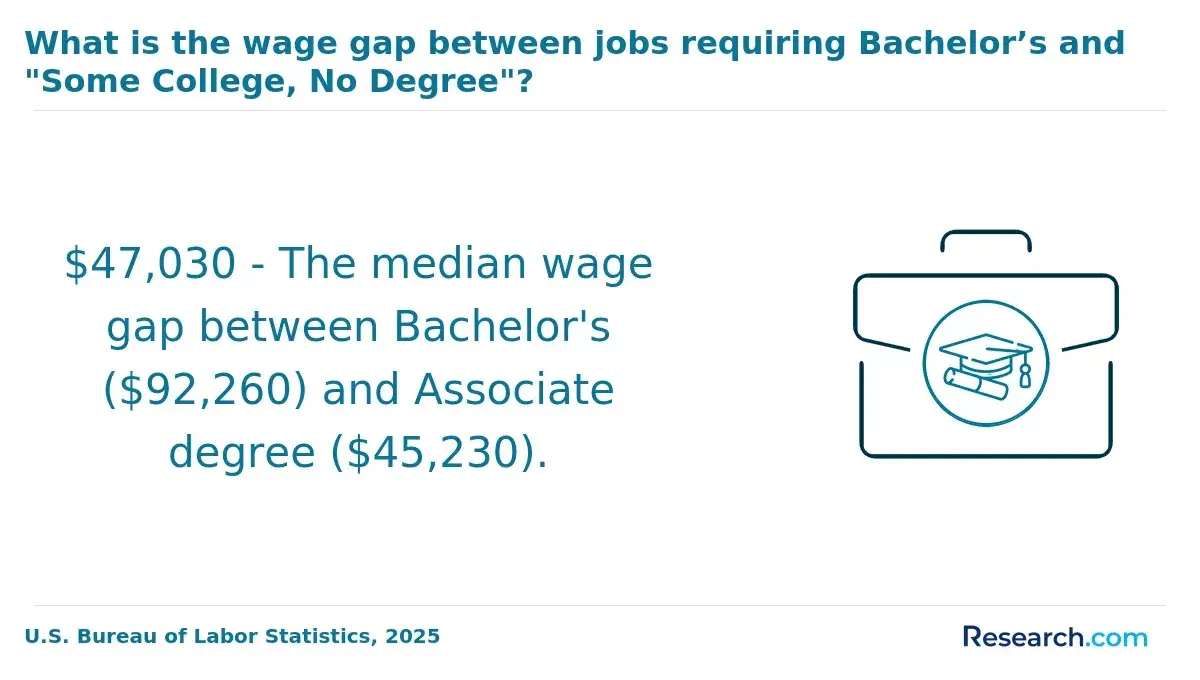
Advancement beyond patrol officer in law enforcement increasingly hinges on earning a bachelor's degree in criminal justice, reflecting real-world employer expectations for supervisory eligibility and specialized roles. Departments, especially larger ones, typically require a bachelor's for promotion to sergeant or detective, with degree programs demonstrating essential knowledge of criminal law, policy, and public administration. Officers with associate degrees often face promotional dead-ends despite on-the-job experience, highlighting why bachelor-level credentials are critical to mid-career advancement and specialized assignments.
Master's degrees further open pathways to senior management, federal agency work, or specialized roles such as criminal analyst, which also correlate with longer career longevity and improved earnings. Online and accelerated programs offer practical solutions for shift-working officers balancing family and employment. Some public universities provide accelerated online bachelor's programs at rates about 33% lower than traditional on-campus tuition, enhancing affordability for working professionals.
Key considerations for selecting these programs include asynchronous course delivery to accommodate night or rotating shifts, regional accreditation, and in-state tuition policies to minimize time-to-promotion hurdles. Integrating a best criminal justice degree for police promotion within these parameters can strategically leverage scheduling flexibility and cost-efficiency for meaningful career gains. Prospective students may also explore related fields through degrees like a forensic psychology major to complement law enforcement expertise.
What scheduling formats (evening, weekend, hybrid) do campus criminal justice programs offer officers?
Scheduling flexibility in campus criminal justice degree programs directly impacts an officer's ability to progress academically without disrupting operational duties. Programs offering evening and weekend classes accommodate predictable patrol shifts by holding sessions after 5 p.m. or consolidating coursework into one or two intensive days each week, mitigating conflicts with active fieldwork. For officers on erratic or extended schedules, hybrid scheduling options for criminal justice students-combining asynchronous online modules with periodic on-campus meetings-offer a realistic balance, maintaining continuous service availability while advancing education.
Consider an officer working 12-hour rotating shifts: asynchronous content lets them engage with coursework during downtime, while weekend seminars align with their schedule to fulfill institutional attendance requirements. Agencies also often mandate training or certifications alongside degree progress, making flexible models essential to prevent delays or career stagnation caused by rigid academic calendars.
Programs like those at the University of Maryland Global Campus can reduce time-to-degree by awarding up to 60 credits for police academy training, effectively halving traditional credit requirements. This credit recognition paired with flexible scheduling minimizes the cumulative burden on working officers.
Prospective students should verify policies on credit transfer for prior law enforcement experience and carefully assess how program formats intersect with their patrol patterns. Lack of such alignment risks prolonging degree completion and diminishing practical workforce readiness.
The pathways available also have repercussions beyond law enforcement; for example, a sport analyst role increasingly values analytical skills that can integrate with criminal justice expertise, underscoring the need for adaptable education frameworks.
How can police officers verify that a criminal justice program is properly accredited?
Choosing a criminal justice program without confirming recognized accreditation risks wasted time and financial resources. Police officers juggling unpredictable shifts should prioritize programs listed in the Council on Higher Education Accreditation (CHEA) or the U.S. Department of Education's databases, ensuring their credits will transfer and meet employer expectations for advancement.
Regional accreditation from bodies like the Middle States Commission on Higher Education or the Higher Learning Commission offers the most dependable validation. National accreditors that focus on career-specific education may be suitable but warrant scrutiny. In contrast, programs accredited solely by proprietary or for-profit entities often lack employer recognition, which can negate the typical 8-10% salary uplift reported by institutions such as the Bureau of Labor Statistics and the National Institute of Justice.
Officers pursuing online or hybrid formats must verify uninterrupted accreditation status to maintain eligibility for financial aid and smooth internal promotion processes. Departments rigorously verify educational credentials to justify pay increases and leadership appointments, making direct database consultation essential.
- Consult CHEA and Department of Education databases for institutional accreditation verification
- Prefer regional accreditation for transferability and employer recognition
- Beware programs accredited only by for-profit or proprietary agencies
- Ensure continuous accreditation to safeguard financial aid and career advancement
What typical criminal justice coursework aligns with patrol, investigations, and supervisory roles?
Educational pathways in criminal justice must align tightly with the distinct demands of patrol, investigative, and supervisory roles to avoid costly gaps in readiness. Patrol officers, for instance, gain practical advantage from courses in constitutional law and community policing, which prepare them for split-second decisions and public engagement under stress. Investigators, by contrast, need advanced proficiency in forensic science and evidence handling to navigate case complexities and legal standards. Supervisors rely on leadership theory, organizational behavior, and administrative law to effectively manage teams and resources, combining frontline experience with strategic oversight.
Increasingly, digital forensics and cybercrime knowledge have become non-negotiable, as departments confront sophisticated threats involving encrypted data and network breaches. Candidates without cybercrime law and network security training risk falling behind in roles demanding technical acuity. Employers expect demonstrated applied skills; pure theoretical grounding often fails in high-pressure scenarios involving digital evidence or inter-agency coordination.
Balancing coursework with hands-on practicums or internships is essential. Programs lacking simulation labs or real-world exercises produce graduates who face longer adaptation periods and restricted upward mobility. Effective preparation entails:
- Integrating forensic analysis labs
- Leadership simulations
- Exposure to cybercrime methodologies
How long do criminal justice degrees take and can prior training or academy credits shorten them?
Officers with prior academy training can significantly reduce the time needed to complete criminal justice degrees, often entering bachelor's programs with 30+ credits waived. This can shorten a standard 2-4 year timeline to as little as 1.5-3 years, depending on institutional policies. However, transfer credit acceptance varies widely across community colleges, state universities, and private institutions, making due diligence essential before enrollment.
Flexibility in delivery format is critical for law enforcement professionals managing shift work. Programs like Purdue Global's competency-based Master of Science in Criminal Justice offer accelerated timelines-around one year full-time-by allowing students to progress at their own pace, thus reducing opportunity costs tied to extended study periods without income interruption.
These accelerated options trade depth of immersion for speed, affecting readiness for complex leadership roles. Employers often prefer candidates demonstrating advanced policy knowledge combined with proven leadership aptitude, so choosing a program with rigorous credit transfer policies and balanced curriculum is key for long-term employment outcomes.
- Bachelor's programs generally require 2-4 years but can be shortened with academy credit transfers.
- Self-paced master's degrees allow credentialed officers to finish in roughly 12 months.
- Credit transfer inconsistencies can impact total time and academic focus.
Within this landscape, officers must weigh immediate time savings against comprehensive program content to ensure their education matches employer expectations for supervisory and investigative roles.
What are the admission requirements for criminal justice degrees geared toward working officers?
Flexibility remains a non-negotiable criterion for criminal justice degree programs aimed at active law enforcement officers, directly impacting completion feasibility and career timing. Programs typically require a high school diploma or GED, with associate degrees like the Criminal Justice A.A.S. at Community College of Philadelphia demanding around 60 credits, often deliverable through evening or hybrid classes to fit shift work schedules.
Standardized tests such as the ACT or SAT are frequently waived, emphasizing applicants' prior academic progress or relevant military experience instead. This practical admission approach acknowledges that officers' field experience holds significant value, sometimes translating into credit transfers or advanced standing, thereby shortening program duration.
Consider a patrol officer rotating between day and night shifts needing to strategically select courses scheduled on weekends or evenings. This reduces scheduling conflicts and preserves consistent progress toward graduation without compromising job responsibilities.
Program selection should weigh how well the institution accommodates rigorous work schedules and the intensity of compressed terms that demand substantial weekly time commitments. Employers increasingly recognize degrees gained under these conditions for promotion eligibility, but candidates must be realistic about balancing academic load with operational demands.
- Baseline criteria generally require a high school diploma or GED.
- Flexible delivery models are essential for sustained credit accumulation.
- Credit transfers from military or prior college coursework may expedite completion.
- Accelerated formats require disciplined time management to avoid burnout.
How does a criminal justice degree impact police promotion, specialized assignments, and leadership roles?
Police agencies increasingly view formal criminal justice education as a practical prerequisite for promotion, especially to supervisory roles such as sergeant or lieutenant. Degree programs covering management practices, ethics, and legal standards align closely with departmental expectations and prove critical when competing for higher ranks. Officers without a degree often face stagnation due to limited exposure to administrative and policy skills valued in leadership. For example, specialized assignments-ranging from K-9 units to cybercrime task forces-frequently require certificates or relevant degrees, combining formal education with technical skillsets.
Flexible delivery methods like online or asynchronous programs serve the operational realities of law enforcement, allowing officers to pursue credentials without compromising shift schedules. A certificate like Purdue Global's Crime Scene Technician credential exemplifies how focused, time-efficient coursework can accelerate entry into forensic roles that often lead to advanced task assignments.
Balancing education with unpredictable workloads demands off-duty study and can delay immediate earnings but tends to result in faster promotion and higher pay over time. Departments with stringent promotion criteria align these expectations with labor market analyses, reinforcing degree attainment as a strategic investment rather than a mere formality.
- Postsecondary education enhances eligibility for supervisory roles and specialized assignments.
- Specific certificates may be necessary for technical task forces beyond a degree.
- Online formats accommodate shift work but require disciplined off-duty commitment.
- Officers with degrees typically experience accelerated promotion and salary growth.
What tuition, financial aid, and employer tuition-reimbursement options exist for police seeking degrees?
Financial strategy for police officers pursuing degrees is critical, as education costs must align with fluctuating schedules and employer expectations. For instance, an officer might choose Purdue Global's stackable credential path, progressing from a 2-year Associate of Applied Science in Criminal Justice to a 4-year bachelor's completion, balancing steady work and education without overwhelming upfront costs.
Tuition rates vary notably: community colleges and public universities typically charge $4,000 to $8,000 annually for associate degrees, while bachelor's programs range from $10,000 to $20,000 depending on whether the institution is public or private, consistent with National Center for Education Statistics (2024) data. Officers earning less than $60,000 may offset expenses with up to $6,500 yearly Pell Grants, while employer tuition reimbursement can cover 50% to 100% of costs-but this often depends on ongoing employment and program relevance.
Employers, particularly larger municipal forces, tend to cap reimbursements between $5,000 and $7,500 annually with grade requirements, whereas smaller agencies may offer limited support. Officers juggling shift work should seek programs providing night or online classes as well as tuition discounts through institutional partnerships. Strategically, delaying bachelor's enrollment until after completing an associate degree can maximize financial aid and reduce debt, often accelerating progression within law enforcement career structures.
- Stackable credentials enable stepwise advancement without career disruption
- Combining federal aid with employer reimbursement typically reduces net costs by 40%-70%
- Flexible scheduling options mitigate common challenges tied to shift assignments
Other Things You Should Know About Criminal Justice
Specialized degrees, such as cybercrime or forensic science, offer targeted skills but often require more intensive lab work or internships that may conflict with irregular police shifts. Generalist programs provide broader knowledge and more flexible course options, making them more manageable alongside variable hours. Officers should prioritize programs with modular or asynchronous coursework to maintain consistency without sacrificing progression.
In 2027, employers increasingly value criminal justice degrees earned online, recognizing the flexibility these programs offer to working police officers. Many programs maintain rigorous standards equivalent to in-person classes, ensuring graduates possess the skills needed for advancement, without compromising their demanding schedules.
Bachelor's degrees hold more weight for promotions into supervisory and administrative positions because they cover leadership, management, and policy analysis. While associate degrees provide foundational knowledge, they often limit advancement beyond entry-level roles. Officers aiming for mid-level roles should invest in bachelor's programs that allow credit transfers or part-time study to better balance work demands.
Accelerated programs shorten completion time but increase weekly workload, which can clash with unpredictable police overtime and shift changes. Traditional pacing spreads out coursework, allowing more flexibility but delaying credential benefits. Officers should evaluate their current workload stability before choosing acceleration; stable schedules favor faster completion, while volatile schedules demand extended pacing to avoid burnout or incomplete courses.
References
- How to Accelerate a Degree in Criminal Justice: Flexible Pathways and Planning Strategies https://www.aiuniv.edu/degrees/criminal-justice/articles/accelerate-online-criminal-justice-degree
- Elevating Law Enforcement: The Impact of a Criminal Justice Degree on Skills, Leadership, and Career Opportunities https://www.snu.edu/blog/elevating-law-enforcement-the-impact-of-a-criminal-justice-degree-on-skills-leadership-and-career-opportunities
- What Can You Do With a Degree in Criminal Justice? | UMass Global https://www.umassglobal.edu/blog-news/what-can-you-do-with-a-criminal-justice-degree
- Online Bachelor's Degree: Criminal Justice (Law Enforcement Track) https://www.umgc.edu/online-degrees/bachelors/criminal-justice-law-enforcement
- What Jobs Can I Get with a Criminal Justice Degree? https://www.pearsonaccelerated.com/blog/what-jobs-can-i-get-with-a-criminal-justice-degree.html
- What Is Criminal Justice? Core Components, Majors, and Classroom-to-Career Skills https://www.ucumberlands.edu/blog/what-criminal-justice-core-components
- Which Criminal Justice Major is Right for You? | Tiffin University https://go.tiffin.edu/blog/which-criminal-justice-major-is-right-for-you/
- How Long Does it Take to Get a Criminology Degree? https://criminaljusticeonlineblog.com/01/how-long-does-it-take-to-get-a-criminology-degree/
- Law enforcement accreditation: Why it matters https://apbweb.com/2026/03/law-enforcement-accreditation-why-it-matters/
- Criminal Justice Studies - Associate Degree https://www.blackhawk.edu/Programs-Courses/Criminal-Justice-Studies