2027 How to Choose an Online Criminal Justice Degree for Corrections Careers

Co-Founder and Chief Data Scientist
Courts, prisons, and probation systems face acute staffing challenges, yet professionals often struggle to find flexible, career-relevant education tailored to corrections roles. The Bureau of Labor Statistics projects a 4% growth in correctional officer positions through 2032, underscoring the urgency for accessible pathways that balance work, training, and evolving credential requirements.
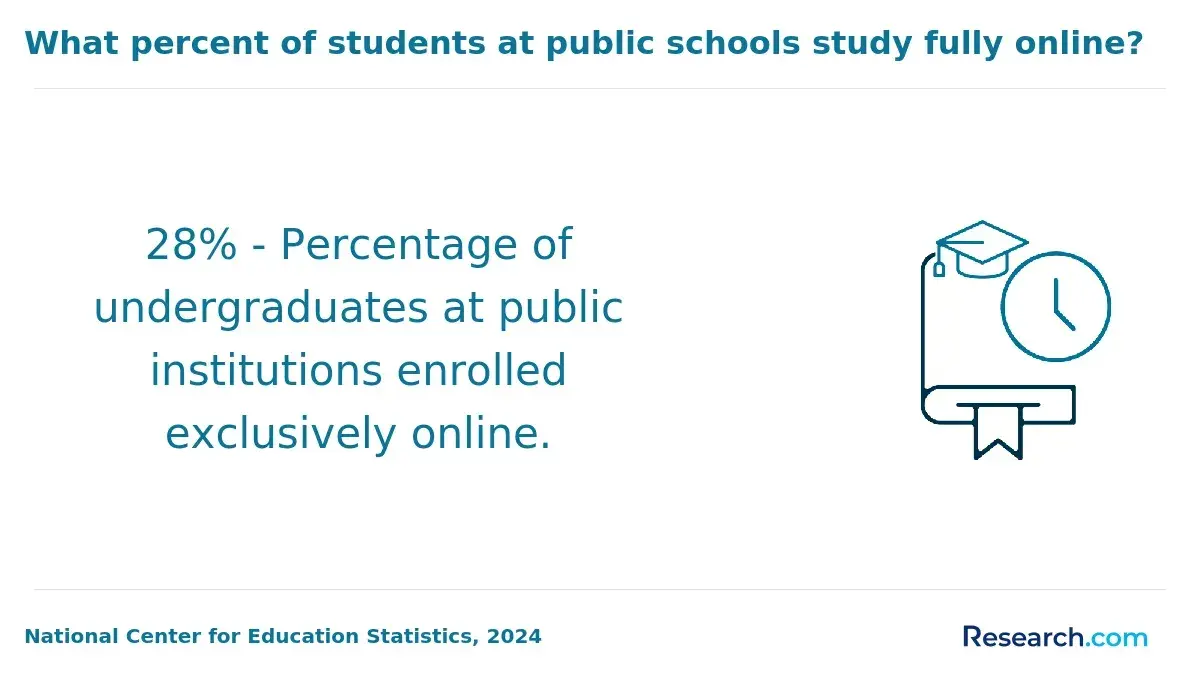
Online criminal justice degrees now enroll over 30% of adult learners nationwide according to the National Center for Education Statistics, signaling a shift to virtual learning that equally demands scrutiny of program rigor and employer recognition. This article guides prospective students through selecting an online criminal justice degree optimized for corrections careers by evaluating program structure, accreditation, career outcomes, and enrollment factors critical to advancing in this specialized workforce.
Key Things You Should Know
- National Institute of Justice data shows 40% of corrections agencies prefer candidates with degrees from regionally accredited programs versus for-profit colleges, affecting job access and promotion eligibility in correctional facilities.
- Bureau of Labor Statistics projects 6% growth in correctional officer roles by 2032, yet only 25% of employers prioritize online credentials without field-specific internships, increasing career entry friction.
- Analyzing 2024 NCES tuition databases reveals fully online criminal justice degrees average 15% lower costs but often extend completion times by 20%, impacting credential timeliness amid evolving correctional policy demands.
What is an online criminal justice degree for corrections careers and who is it for?
Online criminal justice degree programs for corrections officers are primarily valuable when paired with practical experience and local agency coordination. These degrees focus on management, supervision, and rehabilitation within corrections, preparing students for roles such as probation officers, parole agents, or administrative supervisors. However, candidates without prior corrections exposure face significant hurdles when entering the job market, as employers prioritize demonstrated knowledge of facility operations and inmate management.
For working professionals transitioning from related fields like law enforcement or social work, these programs can provide targeted instruction in correctional policy and leadership, enhancing promotion prospects. For instance, a probation officer seeking a supervisory role will find the program's curriculum more relevant than broad criminal justice degrees.
Key considerations when evaluating the best online criminal justice degrees for careers in corrections include accreditation, the availability of fieldwork options, and alignment with state-specific regulations. Most programs require in-person internships or practicums, which limit fully remote completion and necessitate local partnerships.
Enrolling in corrections-focused programs takes place within a highly competitive context: over 1.2 million students pursue criminal justice studies nationally, with about 60% studying online according to Criminal Justice GS University Statistics 2024. Balancing flexibility with experiential requirements is critical for employability.
For those interested in specialized career paths, understanding roles beyond corrections is useful; detailed education and workforce realities for roles such as a profiler job provide a useful comparative lens on skills and market expectations.
How does an online criminal justice degree compare to a campus program for corrections work?
An online criminal justice degree versus traditional campus program for corrections presents a critical tradeoff between accessibility and experiential rigor. Traditional programs embed students within supervised internships, labs, and direct connections to local law enforcement-elements that translate into practical skills like crisis intervention and conflict defusing highly favored by corrections employers. These hand-on experiences provide measurable proof of competency, especially vital in regions where networking influences hiring.
Conversely, online criminal justice education for corrections careers offers flexibility ideal for working adults or those in remote areas but often lacks structured practicum requirements. Students typically must independently secure external internships, which can introduce scheduling conflicts and less consistent oversight, potentially impacting job readiness in a field that demands immediate operational capability.
Employers gravitate toward candidates demonstrating verifiable hands-on skills and legal compliance knowledge-areas that campus settings replicate more thoroughly. Still, online degrees do hold value for career changers and those balancing full-time employment if paired with proactive pursuit of field experience.
With a median salary projected around $76,250 for corrections professionals in 2025, those targeting supervisory roles should favor programs integrating mandatory internships. Prospective students seeking flexibility may also explore related pathways such as online paralegal programs for alternative or complementary legal career options.
What types of criminal justice degrees best prepare you for corrections careers?
Bachelor's degrees explicitly focused on corrections, criminal justice with a corrections emphasis, or criminology offer the most direct preparation for roles in correctional facilities. Degrees lacking a corrections concentration often miss essential applied elements like prison administration and probation system management, which are critical to employer requirements. For those aiming at frontline correctional officer positions, programs should incorporate behavioral science, crisis intervention, and case management courses.
Individuals seeking supervisory or policy roles benefit from degrees blending leadership, ethics, and criminal law, as these align better with advancement demands than general criminal justice programs. For example, a current corrections officer targeting a shift supervisor role gains more practical value from a corrections-focused program addressing management topics alongside correctional operations.
Employers increasingly expect candidates to hold relevant certifications in addition to degrees, so programs offering integrated certifications or supporting state licensing pathways enhance employability. Cost considerations are also pivotal; according to data summarized by Affordable Colleges Online, the average annual expense for online social science bachelor's degrees-covering many criminal justice programs-is about $13,676 plus additional fees like technology and course materials. Those exploring the best online criminal justice programs for corrections should weigh both curriculum alignment and total cost.
Program accreditation and advisory boards involving correctional agencies ensure curriculum relevance to current workforce needs. Prospective students may also find useful insights on graduate affordability and specialization options through resources such as masters in forensic psychology online.
How can you verify that an online criminal justice program is properly accredited?
In corrections careers, employer recognition of online degrees hinges fundamentally on accreditation, not just whether a program exists. Most state departments of corrections require applicants to hold degrees from institutions accredited by agencies recognized by the U.S. Department of Education or the Council for Higher Education Accreditation. Without this validation, candidates risk automatic disqualification regardless of academic performance, illustrating the practical importance of verifying accredited online criminal justice programs for corrections careers.
Regional accreditation remains the benchmark, signaling institutional rigor and longevity. Beyond that, look for program-specific accreditation from bodies such as the Academy of Criminal Justice Sciences or the Commission on Accreditation for Corrections, which affirm curriculum alignment with industry standards and directly influence employability within law enforcement and corrections agencies.
Students should be cautious: enrollment in unaccredited or only state-accredited programs often results in non-transferable credits and lack of federal financial aid, limiting both mobility and affordability. For cost-conscious learners, online criminal justice bachelor's programs typically range from $6,000 to $36,000, whereas in-person options can exceed $100,000 in some cases. The average program cost can approach $50,400, underscoring the financial stakes involved.
To verify accreditation, use official sources like the Department of Education's database or CHEA's directory. Additionally, understanding how program costs compare across disciplines can be helpful; consider the pricing analysis of an animal science bachelor degree online for contextual perspective.
What core courses and specializations should a corrections-focused criminal justice program include?
Focusing a criminal justice degree on corrections demands more than a surface-level grasp of law enforcement; it requires concrete competence in managing incarcerated populations and navigating the systemic complexities of correctional institutions. Graduates lacking proficiency in offender management, correctional theories, and legal frameworks commonly underperform when facing employer expectations in custody and rehabilitation positions.
Aligning specializations with career trajectories introduces significant tradeoffs. For example, a forensic psychology focus equips students for behavioral assessment roles within rehabilitation settings, with median salaries near $92,740 and expected job growth of 6% through 2032, according to Intelligent.com's 2024 data. In contrast, entry-level institutional officers prioritize practical skills like security protocols and crisis intervention over psychological theory, reflecting different workforce demands within corrections.
Choosing a program hinges on balancing theoretical foundation against applied skill training. Those targeting parole or community corrections benefit more from courses on restorative justice and institutional policies than broad criminal procedure. Programs offering internships inside correctional environments produce graduates with better employability due to direct exposure to operational realities.
Students should critically evaluate how curricula address ethical issues in inmate classification and whether elective offerings support specific roles such as correctional counseling or probation services. This operational lens is essential for avoiding mismatches between training and the nuanced demands of various corrections careers.
What admission requirements do online criminal justice programs typically have for corrections students?
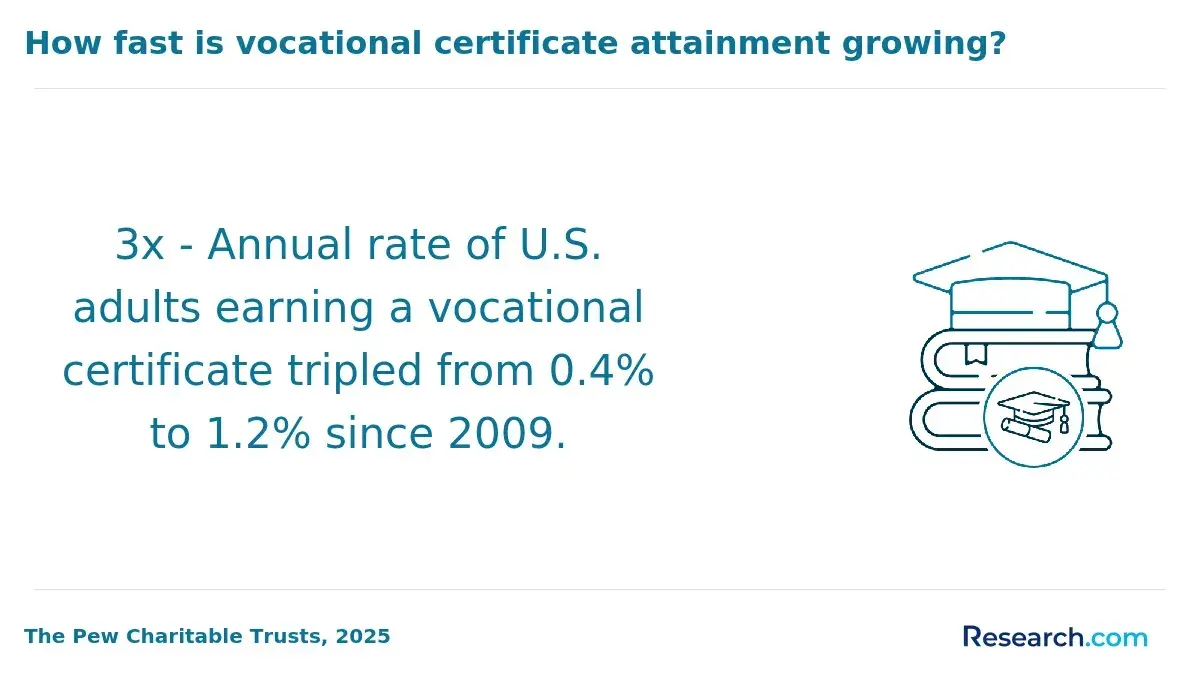
Entry into online criminal justice programs for corrections requires navigating varying academic and experiential thresholds that significantly influence career trajectories. Associate-level programs often accept applicants with a high school diploma or GED; however, bachelor's degrees demand official transcripts and standardized test scores for recent high school graduates, while transfer candidates must demonstrate a minimum GPA, typically between 2.0 and 2.5. Importantly, given the field's focus on security and reliability, background checks or criminal history disclosures are standard prerequisites, filtering candidates who can meet employer trust requirements.
Advanced degrees, such as master's programs emphasizing corrections leadership, expect a bachelor's degree with competitive academic standing-usually a GPA of 3.0 or higher-alongside letters of recommendation and a clear articulation of career goals. Applicants lacking relevant experience may face additional barriers, often requiring prerequisite courses in social sciences or law enforcement fundamentals to bridge gaps in foundational knowledge before progressing.
Practical challenges also impact working professionals pursuing these degrees: requirements like remote proctored exams and verifiable prior corrections work can complicate admission and completion. Prospective students without direct experience might find entry-level certifications a necessary stepping stone to remain competitive.
The labor market reflects these academic standards. Postsecondary instructors in criminal justice and law enforcement, frequently employed by accredited programs, command salaries averaging $83,470 annually, highlighting the premium placed on qualified educators and rigorous admission criteria that balance theory and applied skills.
How long do online criminal justice degrees take and what do they cost?
Duration and cost in criminal justice degrees are tightly linked to specific career outcomes and student circumstances rather than generic benchmarks. Associate degrees typically take about two years full-time, while bachelor's programs span three to four years without transferable credits. This timeline adjusts when considering accelerated or part-time formats but introduces tradeoffs in workload and schedule flexibility.
Cost disparities reflect program depth and institutional type: community colleges offer associate degrees near $6,000 total tuition, while public university bachelor's programs in-state range from $20,000 to $40,000; private and specialized online schools can exceed $50,000. Additional expenses-technology fees, textbooks, and exam proctoring-can significantly affect the total investment.
For working professionals targeting mid-career shifts, such as promotions within corrections, program selection should prioritize connections to employers and practical skill development since 80% of criminal justice graduates find jobs within six months, according to Criminal Justice GS University Statistics 2024. Those balancing family or outside work may trade longer completion for stability, but must weigh if extended timelines delay workforce entry.
Employer expectations favor accredited programs emphasizing legal frameworks, ethics, and corrections administration, influencing cost and duration to meet these professional standards. Ultimately, evaluating criminal justice programs requires balancing affordability and time with the quality and support that accelerate job readiness.
What corrections jobs can you get with an online criminal justice degree?
Online criminal justice degrees open direct access to a range of roles within corrections, but candidates must weigh how the credential aligns with workplace demands and advancement barriers. Initial positions such as correctional officer, probation officer, or parole officer hinge on both legal knowledge and effective inmate management skills. Graduates progressing beyond frontline tasks may pursue roles like rehabilitation specialist or case manager, focusing on inmate reintegration. More senior posts-program coordinators or facility administrators-require analytical aptitude shaped by comprehensive criminal justice curricula alongside operational experience.
Employers prioritize demonstrable competencies in behavior management, legal compliance, and precise report writing. Students who leverage transfer credits or recognize prior learning can reduce time to degree, a critical factor amid a reported 15% surge in enrollment in four-year criminal justice programs. This trend responds to increasing labor market demand and the flexibility online pathways offer busy professionals.
Consider a correctional officer balancing shift work and studies who uses transfer credits to accelerate graduation, aiming for parole supervisor eligibility. This strategy preserves income while positioning for roles that combine academic prerequisites and hands-on experience. Prospective students should critically examine how programs handle credit articulation and experiential learning to avoid delays that can impede entry into competitive corrections careers or slow professional elevation.
What is the salary outlook and job demand for corrections professionals in the U.S.?
Corrections professionals with a bachelor's degree in criminal justice typically start with median salaries near $45,410 for those aged 25-29, reflecting entry-level positioning within corrections and community supervision roles. However, earning a degree expands immediate eligibility to supervisory or specialized assignments that often come with 15-30% higher pay.
Geographical variation is significant, as hiring demand correlates with states' prison populations and the scope of community supervision programs. Local government budget fluctuations heavily influence openings and salary growth, so candidates must consider regional labor market conditions when planning career moves.
The field's evolving emphasis on rehabilitation and case management skills-fueled by diversion initiatives and sentencing reforms-favors candidates with certifications in mental health or substance abuse treatment for advancement beyond basic security duties. Corrections officers without degrees generally earn less with fewer promotion pathways, while graduates entering mid-career can leverage legal and analytical expertise for faster progression in parole, probation, or administrative roles.
Deciding on a program focus-whether concentrating on community corrections, law enforcement integration, or administration-has more impact on career trajectory and salary than degree title alone. Flexibility in geographic relocation and skill diversification remains crucial to maximize both employability and long-term earnings potential in this sector.
How do licensing, certification, and background checks affect corrections career eligibility?
Licensing, certification, and background checks create far more decisive employment barriers in corrections careers than holding a criminal justice degree alone. For example, candidates with a bachelor's degree without state-required certifications often remain ineligible for correctional officer roles regardless of academic achievement. Background checks typically uncover disqualifiers such as felony convictions or unresolved legal issues that credentials cannot offset.
Many agencies impose a clean record for 5 to 10 years, excluding drug offenses or domestic violence convictions, making it imperative for students to select programs that prepare them for licensure exams. Programs lacking this focus risk producing graduates who face significant entry barriers into state or federal agencies.
Prospective students should evaluate whether their criminal justice program offers guidance on certification protocols and has proven job placement success post-certification. Without this support, graduates may experience delays or outright denial despite degree completion.
Key considerations include:
- Alignment of programs with specific state licensing requirements.
- Inclusion of licensing exam preparation within the curriculum.
- Access to career services adept at navigating certification and background check hurdles.
- Documented placement rates that demonstrate effective transition from education to employment.
Ignoring these factors can transform educational investment into a credential without employability. This tradeoff demands pragmatic evaluation beyond academic reputation when pursuing criminal justice careers.
Other Things You Should Know About Criminal Justice
The reputation of an online criminal justice program significantly impacts employer perception and networking opportunities, especially in corrections. Programs known for rigorous curriculum and strong ties with criminal justice agencies usually have an advantage for graduates seeking entry or advancement. Prioritize programs with measurable graduate employment rates or partnerships with corrections departments instead of solely focusing on brand recognition or marketing.
Synchronous courses offer real-time interaction, which can simulate face-to-face discussions and support immediate feedback on corrections-related topics. However, they require strict scheduling, which may limit flexibility for working professionals. Asynchronous formats provide better time management but may reduce opportunities for direct engagement with instructors and peers, possibly impacting deeper learning of practical corrections protocols and decision-making skills.
Programs that incorporate fieldwork or practicum components bridge the gap between theory and real-world corrections work, improving job readiness and resume appeal. Select programs that require or facilitate supervised internships within correctional facilities or related agencies, as this experience often weighs heavily in hiring decisions. Purely theory-based online degrees without practical components can limit exposure to day-to-day corrections challenges.
References
- Correctional Officer Requirements https://www.correctionalofficer.org/faq/correctional-officer-requirements
- Minimum Qualifications & Disqualifiers https://www.wvarj.org/163/Minimum-Qualifications-Disqualifiers
- What Can You Do With a Degree in Criminal Justice? | UMass Global https://www.umassglobal.edu/blog-news/what-can-you-do-with-a-criminal-justice-degree
- Most Affordable Online Criminal Justice Degrees https://www.affordablecollegesonline.org/degrees/criminal-justice-programs/
- Types of Criminal Justice Careers https://www.criminaljusticeprograms.com/criminal-justice-careers/
- Earn An Online Criminal Justice Degree | OEDb.org https://www.oedb.org/rankings/online-criminal-justice-programs/
- Guide To Criminal Justice Degrees And Majors https://www.criminaljusticedegreeschools.com/degrees/
- Correctional Officers and Bailiffs: Salary, career path, job outlook, education and more - RaiseMe https://www.raise.me/careers/protective-service/correctional-officers/
- Criminal Justice Specializations https://www.southuniversity.edu/news-and-blogs/2024/02/criminal-justice-specializations
- 50-State Comparison: Limits on Use of Criminal Record in Employment, Licensing & Housing https://ccresourcecenter.org/state-restoration-profiles/50-state-comparisoncomparison-of-criminal-records-in-licensing-and-employment/