2027 Best Online Bachelor's in Criminal Justice With Prior Learning Credit

Co-Founder and Chief Data Scientist
Law enforcement professionals often face a critical obstacle: advancing their careers without sacrificing ongoing work or personal commitments. The surge in demand for accessible, flexible educational models reflects this urgent need.
According to the National Center for Education Statistics, online enrollment grew by nearly 7% in 2024, driven predominantly by adult learners seeking to leverage prior experience toward degree completion. This trend signals a shift toward recognizing practical knowledge through prior learning credit, which can drastically shorten degree timelines for Criminal Justice students.
This article evaluates the best online bachelor's programs offering prior learning credit, helping prospective students navigate choices that balance speed, cost, and credential relevance for timely career advancement.
Key Things You Should Know
- Prior learning credits reduce average completion times by 25%-40%, yet 42% of accredited online criminal justice programs cap transferable credits below 30%, limiting accelerated degree benefits for experienced professionals.
- Employers in law enforcement and corrections prioritize candidates with both formal education and documented real-world experience, making credit for prior learning a critical factor in hiring competitiveness.
- Reduced tuition through prior learning credits can save up to $10,000 per degree, but inconsistent acceptance of prior credits across states complicates workforce mobility for graduates in regional criminal justice sectors.
What is an online bachelor's in criminal justice with prior learning credit?
Applying prior learning credit in an online bachelor's degree in criminal justice with prior learning assessment can reduce time and tuition by recognizing military training, certifications, or relevant work experience.
For instance, a law enforcement officer who leverages agency certifications avoids retaking foundational courses, shortening their path to degree completion. Programs accepting prior learning credit often cap transfers at 30 to 45 credits, which can represent a significant cost reduction and less repetition.
Importantly, employers in criminal justice sectors demand practical competence beyond academic credentials. Prior learning credit aligns degree progress with real-world skills, boosting employability while avoiding redundant coursework. However, students should scrutinize transfer policies since not all prior achievements qualify, and schools may require portfolios or assessments for validation.
Administratively, these pathways involve credit evaluations and minimum GPA or residency rules that may delay progression if not managed carefully. Despite such hurdles, this model suits mid-career professionals juggling work and education who need an accelerated yet credible route to degree conferral.
Proactively, choosing accredited criminal justice programs accepting prior learning credit can improve affordability and efficiency without compromising workforce readiness. For those assessing occupational outcomes, it's instructive to consider specific career examples and salary expectations, such as forensic profiler salary, which reflects how education pathways and practical experience converge in specialized roles.
Which schools accept prior learning credit for criminal justice degrees?
Prior learning credit (PLC) acceptance in online bachelor's degree programs accepting prior learning credits for criminal justice degrees can significantly shorten completion time, but this benefit hinges on navigating each institution's specific policies.
Schools like Thomas Edison State University, Excelsior College, and Charter Oak State College allow credits from military service, police academy coursework, and national exams such as CLEP and DSST, sometimes covering up to two-thirds of degree requirements. This pathway suits experienced professionals aiming for administrative or federal law enforcement roles by enabling degree completion in 2-3 years instead of the typical four.
However, candidates must prepare detailed, verifiable portfolios to substantiate nontraditional credits, a step that can delay enrollment if not managed proactively. Not all programs have generous PLC policies. Some regionally accredited universities cap transfers, limiting experiential credit benefits.
This variation affects workforce readiness because employers increasingly value documented competencies, but missing anticipated credits may extend time and cost. Prospective students should request thorough credit evaluations pre-application and confirm alignment with state certification mandates.
Practical decisions in selecting colleges offering prior learning credit for criminal justice degrees must weigh institutional transparency and accreditation against real-world career goals. For those balancing work and study, maximizing PLC can accelerate progress toward higher positions or roles demanding formal qualifications without restarting foundational coursework.
Moreover, understanding the economic tradeoffs, including tuition savings versus administrative complexity, is essential. For additional context, reviewing paralegal salary associate's degree trends offers insight into how degree types relate to earnings in related legal and law enforcement fields.
How do you verify accreditation for online criminal justice programs?
Employers in law enforcement and federal agencies consistently prioritize degrees from regionally accredited institutions, making the accreditation verification process for online criminal justice degrees a practical gatekeeper rather than a formality. Regional accreditors like the Higher Learning Commission or Middle States Commission maintain standards critical to eligibility for federal financial aid and professional certification, elements often mandated in hiring decisions.
National accreditation may appear legitimate but typically holds less sway in workforce settings, potentially limiting employability or graduate school admission. Confirm accreditation status through the Council for Higher Education Accreditation (CHEA) and Department of Education databases, or request proof directly if not transparently stated. Failure to verify invites risk of falling into diploma mills that can derail career progression.
Understanding transfer credit policies is a key operational factor. Some accelerated online criminal justice programs permit up to 75% transfer of prior credits, shortening completion times substantially. Candidates with military or relevant prior coursework should prioritize programs with flexible transfer policies to avoid redundant classes and maximize return on existing knowledge.
For those seeking cost-effective options, consider reviewing an online bachelor's degree in forensic science, a related pathway with shared accreditation and workforce applicability considerations.
How does prior learning credit reduce degree time and cost?
Prior learning credit (PLC) offers a strategic shortcut for individuals in criminal justice professions by translating practical experience and specialized training into academic credits. This approach can shorten degree completion by 25% to 50%, allowing professionals such as law enforcement officers or corrections staff to bypass redundant coursework and mitigate tuition costs.
For example, Drexel University Online charges $497 per credit for criminal justice in 2026-27, a 52% reduction from its usual $1,035 rate. By applying PLC to reduce 12 credits, a student can potentially save over $5,900 in tuition alone. Such cost savings of prior learning credit in online criminal justice programs significantly affect overall educational investment, especially when factoring in indirect expenses like lost wages or childcare during full-time study.
Employers increasingly value degrees that reflect both academic achievement and real-world competence. However, many programs restrict how PLC applies, sometimes limiting credit to core or elective requirements, which requires students to review policies closely.
The process involves compiling thorough documentation, including training certificates and job performance evaluations, and navigating variable evaluation procedures that affect credit awards and timing. Early academic advising is key to maximizing benefits and aligning credits with program progression.
PLC supports a practical educational model aligning with workforce needs but presents tradeoffs, such as potentially slower credit processing and eligibility limits, that candidates must weigh when accelerating degree completion. For those assessing credential options, exploring resources like the online cyber security degree for veterans may offer comparative insights into how experiential credit functions across fields.
What admission requirements do online criminal justice programs usually have?
Admission to online criminal justice programs often extends beyond a high school diploma to include detailed documentation such as official transcripts, personal statements, and residency proof for tuition purposes. Background checks are increasingly mandatory, reflecting the profession's ethical scrutiny, especially for law enforcement-focused pathways. Some programs require standardized test scores but tend to waive them for applicants with relevant postsecondary or professional experience.
Applicants leveraging prior learning credits face a nuanced process: military records or certifications must be formally evaluated, potentially reducing both tuition and time to degree. For example, active-duty military pricing at the University of Louisville is $250 per credit compared to $559 for standard tuition, a significant cost differential often overlooked without careful planning.
Transfer credits require rigorous course equivalency reviews with minimum grade standards, typically a C or better, pushing students to prepare comprehensive course descriptions. Technical readiness, including proficiency with online platforms and reliable internet, is non-negotiable for successful progression.
Professionals shifting careers must provide verifiable work experience aligned with program outcomes, particularly for accelerated tracks. Early engagement with admissions advisors can prevent credit evaluation delays. The practical tradeoff between time saved through credit acceptance and the risk of submitting inadequate documentation impacts program length and cost.
What courses are included in an online criminal justice bachelor's degree?
An online bachelor's degree in criminal justice must do more than cover foundational knowledge; it needs to equip students with the ability to analyze evolving legal and social dynamics impacting public safety roles. Coursework often spans criminology theories, constitutional and criminal law, ethics, forensic science, and corrections, but value hinges on integrating data analysis tailored to crime trends and policy evaluation.
For working professionals, programs like William Paterson University's accelerated track that award up to 30 credits for professional experience reduce redundant coursework and speed degree completion, which can be decisive when juggling career demands. Yet, this credit transfer approach requires careful scrutiny regarding how well experiential learning aligns with academic rigor and up-to-date practices.
Employers increasingly seek candidates familiar with digital forensics, cybersecurity in law enforcement, and community-based policing methods rather than just theoretical knowledge. Students should prioritize programs that balance conceptual frameworks with applied learning, including case studies and scenario training that mirror real operational challenges.
Key considerations include:
- Whether the curriculum reflects current laws and technology to avoid training on outdated procedures
- The extent of flexibility for credit transfers and prior learning recognition
- Preparation to navigate the tension between legal protections and enforcement powers
Ultimately, a criminal justice degree's practical relevance correlates with how well it situates graduates within contemporary workforce expectations and promotes informed decision-making in complex systems.
How do online and campus criminal justice programs compare?
Choosing between online and campus criminal justice programs involves weighing flexibility against hands-on training and employer preferences. Online programs typically cater to working professionals, allowing asynchronous study that fits irregular law enforcement or corrections shifts.
For instance, a student with prior police experience can leverage programs like UMGC's law enforcement track, which awards up to 60 credits for academy graduation and service, significantly reducing time and tuition costs. Such credit recognition is rarely matched by campus programs, which tend to prioritize immersive, face-to-face experiences including internships and simulations favored by agencies hiring for entry-level or specialized tactical roles.
Federal and specialized agencies increasingly recognize online degrees when combined with relevant certifications and verifiable experience, but municipal or community-policing departments may still prioritize campus graduates for their opportunity to develop interpersonal skills and on-site collaboration.
This creates a distinct tradeoff:
- Online education accelerates progress for career changers and mid-career professionals managing work demands but requires strong self-discipline and digital literacy.
- Campus programs offer structured environments conducive to practical skill-building and networking essential for team leadership or field-intensive roles.
Prospective students must align their choice with targeted job functions, understanding that workforce readiness in criminal justice hinges on balancing credit transfer opportunities and experiential learning requirements.
What careers can you pursue with a criminal justice bachelor's degree?
A bachelor's degree in criminal justice opens pathways beyond basic law enforcement roles, requiring realistic assessment of the field's operational demands.
For example, becoming a police officer typically necessitates police academy completion and ongoing certification, extending timelines and costs beyond degree attainment. The degree also provides entry to federal agencies like the FBI or DEA, but these roles demand substantial field experience and security clearances that limit immediate employment post-graduation.
Career options vary widely:
- Probation officers and correctional treatment specialists depend on legal knowledge and offender management skills.
- Paralegal and court administrative positions require legal procedure fluency but are not direct law enforcement roles.
- Victim advocacy or juvenile justice in social work blend legal concepts with community support.
- Cybersecurity and private investigation demand technical certifications alongside investigative expertise.
Differences in workplace environment should inform decisions. Correctional administration typically involves unionized settings with structured advancement and public benefits, while private security offers less regulatory oversight but more diverse sectors and inconsistent certification requirements.
Prospective students must consider the competitive job market and the necessity of ongoing credentialing or graduate education to stay relevant. With an average online criminal justice degree tuition around $9,910 annually, weighing tuition costs against the reality of limited immediate openings and field prerequisites is essential for strategic career planning.
How much can you earn with a criminal justice degree?
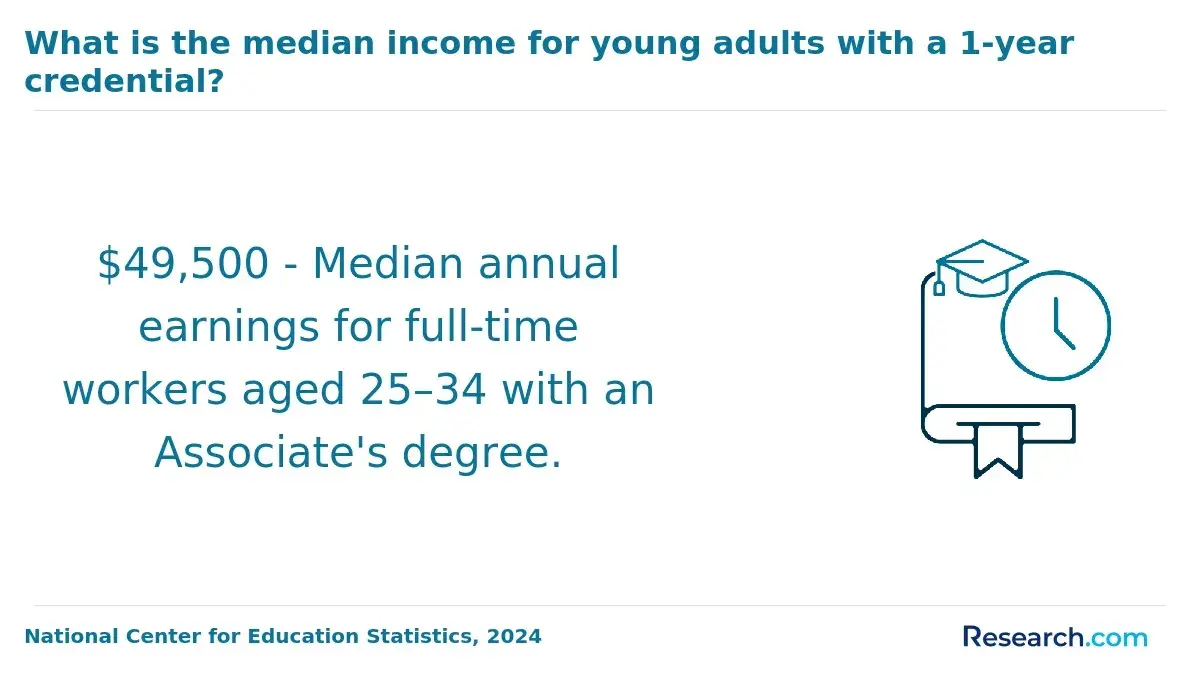
Graduates with a bachelor's degree in criminal justice see widely varying earnings influenced by their chosen career track and geography. Entry-level roles such as probation officers or correctional treatment specialists start near $50,000 annually, while specialized federal law enforcement or cybersecurity positions can surpass $75,000 within five years of relevant experience. These differences reflect distinct demands and credentialing requirements across criminal justice sectors.
Cost efficiency is a significant consideration: at $295 per credit online, programs like those offered by SUNY Empire provide a manageable tuition rate, especially when students apply prior learning credits. For instance, transferring 30 credits could reduce tuition costs by approximately $8,850, accelerating completion and reducing debt. This practical approach particularly suits working adults seeking to minimize financial burden without delaying entry into higher-paying roles.
Hands-on experience through applied practicums or internships often translates into 5-10% higher starting salaries, demonstrating the marketplace's preference for candidates who combine academic knowledge with field skills. However, wage growth in corrections or community service roles tends to be slower, highlighting the importance of further certifications or education for advancement.
Those prioritizing job security may find federal agency positions appealing, given the prerequisite of a criminal justice degree and the potential for more substantial compensation and benefits. Balancing immediate earnings with long-term growth requires realistic assessment of how degree choices align with career objectives and labor market conditions.
What certifications or licenses may criminal justice graduates need?
Securing certifications or licenses tailored to specific roles is non-negotiable for criminal justice graduates aiming for employment relevance. Law enforcement candidates must complete Peace Officer Standards and Training (POST), which is state-dependent and typically includes physical, written, and psychological evaluations. This requirement dramatically shapes entry timelines and financial commitments.
Correctional officers need institution-specific certification centered on inmate management and legal compliance. Private security work demands licensed security officer certification plus registration with state regulatory bodies, often involving thorough background checks. Probation and parole officers usually require state certification aligned with social work or criminal justice frameworks. Some states push for a master's degree as licensing precondition.
At the federal level, FBI, DEA, and similar agencies, applicants face agency-specific training and security clearance hurdles beyond academic credentials. Specialized certifications from entities like the American Board of Criminalistics are critical for forensic roles, enhancing both access and competitiveness.
Graduates should anticipate ongoing continuing education requirements to keep certifications active, impacting both long-term planning and finances. For instance, at Penn State World Campus, 2025-26 online criminal justice tuition is $638 per credit for students with 59 or fewer credits, an important cost factor when layering credential expenses onto degree costs.
Other Things You Should Know About Criminal Justice Degrees
In 2027, universities like Excelsior College and Liberty University are known for their generous policies in accepting prior learning credits for their online criminal justice programs. These institutions allow students to transfer a substantial number of credits, significantly reducing the time and cost to complete the degree.
Yes, many regionally accredited online criminal justice programs accept CLEP credits, usually up to 30 semester hours toward the degree. Acceptance depends on the school’s transfer policy, the exam score required, and whether the credits fit core or elective requirements.
While acceptance of online degrees has grown, some employers in law enforcement or government agencies may still prefer candidates from regionally accredited, traditional programs due to perceived rigor and networking opportunities. However, institutions with strong reputations and accredited online offerings reduce skepticism. Candidates should target programs known for alignment with professional standards and consider supplementing the degree with internships or certifications to demonstrate practical competence.
Online bachelor's programs in criminal justice usually accept prior learning credits for military service, law enforcement training, and relevant professional certifications. In 2027, these credits can significantly reduce the time and cost needed to complete a degree.
References
- Online Bachelor's Degree: Criminal Justice (Law Enforcement Track) https://www.umgc.edu/online-degrees/bachelors/criminal-justice-law-enforcement
- Prior Learning Credit Program https://www.althash.university/academics/prior-learning-credit-program
- Online Criminal Justice Bachelor’s Degree | University of Phoenix https://www.phoenix.edu/online-criminal-justice-degrees/bachelors.html
- Online Criminal Justice Degrees (Types, Benefits & FAQ) https://www.allcriminaljusticeschools.com/criminal-justice/criminal-justice-online-degree/
- Credit for Prior Learning - Complete College America https://completecollege.org/our-approach/momentum/credit-prior-learning/
- What Are the Entry Requirements for a Criminal Justice Program? | University of Bridgeport https://www.bridgeport.edu/news/entry-requirements-for-a-criminal-justice-program/
- Criminal Justice Certifications- Secrets You Need to Know https://lakewood.edu/criminal-justice-certifications/
- Should I Get My Bachelor’s Degree in Criminal Justice Online? | CSU Global https://csuglobal.edu/blog/should-i-get-my-bachelors-degree-criminal-justice-online
- Top Online Criminal Justice Degrees https://www.criminaljusticeprograms.com/online-criminal-justice-degrees/