2027 How to Choose an Online Criminal Justice Degree as a Working Adult

Co-Founder and Chief Data Scientist
Balancing shift work, mandatory overtime, and family obligations often forces working adults pursuing a criminal justice degree to confront limited time and rigid program schedules. According to the National Center for Education Statistics, over 40% of online postsecondary students in recent years have identified as working adults juggling multiple responsibilities, highlighting a critical demand for genuinely flexible yet accredited online programs.
This trend reveals that selecting an online criminal justice degree is not simply academic but a strategic decision directly impacting career advancement and retention. This article will examine how to evaluate program structure, admissions flexibility, and career outcomes to guide working professionals toward the most viable degree choices.
Key Things You Should Know
- Only 43% of online criminal justice graduates secure jobs directly related to their degree within two years, per the National Center for Education Statistics, highlighting the tradeoff between accessibility and direct employability.
- Employers increasingly prioritize candidates with internships or law enforcement certifications alongside degrees; purely academic online programs risk underpreparing students for practical workforce demands, according to the Bureau of Labor Statistics.
- Programs averaging $12,000 total cost with completion timelines beyond five years can delay career advancement and income growth for working adults, especially when competing against accelerated hybrid or certification routes, reports the Georgetown University Center on Education.
What is an online criminal justice degree and how does it work for adults?
Online criminal justice degree programs for working adults present a practical balance between continuing employment and education, primarily because asynchronous coursework accommodates irregular worker schedules. This flexibility is especially important for those in public safety sectors with unpredictable hours, as most courses do not require synchronous attendance, reducing conflicts with shift work.
For example, a correctional officer can use flexible online criminal justice courses for adult learners to study policy analysis, ethics, and offender rehabilitation theories during off-hours, enhancing decision-making skills directly relevant to their role. A legal analyst, on the other hand, might prioritize evidence law and forensic techniques remotely to facilitate a career pivot toward investigation. Such adaptability enables skill development without sacrificing income or job stability.
These programs demand disciplined time management and a degree of technological proficiency, placing a premium on self-directed learning. Selecting a program with strong academic advising and recognized accreditation is critical to ensuring employer acceptance and credential value. Opportunities for practical experiences, such as virtual simulations or local internships, improve real-world readiness.
Salary data reinforces the pathway's practicality: police officers, common graduates of these programs, earned a median annual wage of $76,250 as of May 2025, according to AffordableCollegesOnline citing BLS statistics. Those weighing options can examine curricula through an online associate degree in criminal justice to align study choices with career objectives.
How do I compare online versus on-campus criminal justice programs as a working adult?
Cost efficiency and scheduling flexibility are pivotal when choosing between online vs on-campus criminal justice degree for working adults. Online programs at public universities can cost as little as $1,250-$1,500 per year, sharply contrasting with an average total expense of around $50,400 for traditional in-person options. For professionals managing debt or financial constraints, this difference often outweighs the prestige associated with on-campus programs.
Flexible criminal justice programs for adult learners cater to irregular work hours, enabling law enforcement officers and probation staff to balance coursework with shift demands-something fixed in-person class schedules frequently cannot accommodate. On-campus degrees, however, offer tangible access to in-person networking, internships, and direct connections to local agencies, which can significantly benefit individuals aiming for roles in urban policing or community-focused positions.
Conversely, those targeting federal agencies or remote departmental roles may prioritize the adaptable pace and broader access of online study. The curriculum's relevance and accreditation remain essential. Prospective students must confirm that programs-regardless of delivery model-incorporate contemporary criminal justice policies, law enforcement technologies, and data analysis skills sought by employers.
Decision factors include:
- Budget constraints and debt tolerance.
- Work schedule compatibility.
- Access to experiential learning opportunities.
- Alignment with specific employer expectations and career goals.
For a broader perspective on related educational pathways and their financial outlook, consider insights on the paralegal associate degree, which shares some workforce overlaps with criminal justice fields.
What accreditation should I look for in an online criminal justice degree program?
Holding regional accreditation from agencies recognized by the U.S. Department of Education is the foremost quality indicator for any online criminal justice degree accreditation standards. Regional accreditation safeguards credit transferability, licensure eligibility, and employer recognition-critical factors for professionals navigating complex career trajectories.
For instance, a working adult balancing career and study must consider not only institutional credentials but also whether the curriculum meets industry expectations and practical applicability, especially when pursuing advancement in forensic science or law enforcement fields. Specialized accreditation, such as from the Academy of Criminal Justice Sciences (ACJS), further ensures alignment with contemporary professional competencies.
Graduates from programs lacking these accreditations often confront barriers to supervisory roles or forensic technician positions, despite market growth projections showing 14% job growth and median pay near $65,000 over the next decade. Tradeoffs with nationally accredited or non-accredited options may include lower upfront costs but incur long-term restrictions on career mobility and federal aid eligibility.
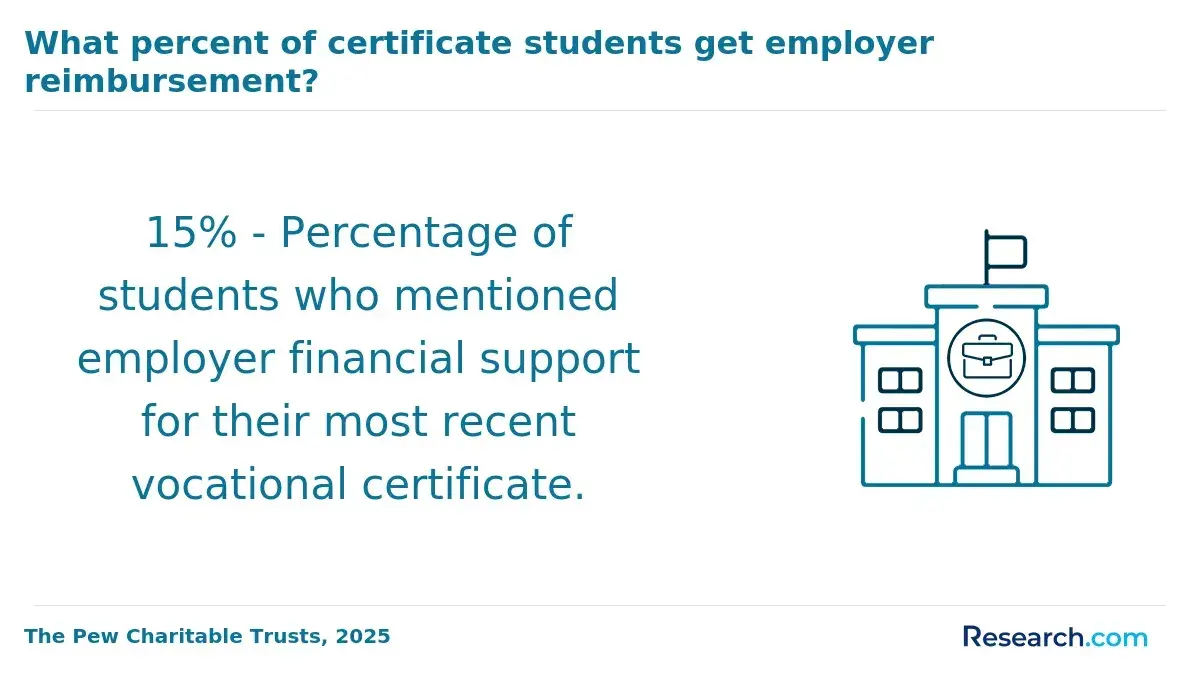
Prospective students seeking the best accredited criminal justice programs for working adults should verify accreditation status through official databases prior to enrollment. This due diligence protects against costly credential invalidation and secures access to vital employer reimbursements. Additionally, those contemplating interdisciplinary paths might explore related fields such as an online master's in forensic psychology to complement their criminal justice expertise with psychological insights relevant to investigative and correctional roles.
What admission requirements and prerequisites do online criminal justice programs typically have?
Admission protocols for online criminal justice programs reflect a critical balance between academic qualifications and practical experience, particularly affecting working adults navigating complex schedules. Most bachelor's degrees require a U.S. high school diploma or GED with a minimum GPA around 2.0 to 2.5, though competitive tracks often set higher thresholds. Associate programs generally impose fewer constraints, accepting proof of secondary education completion.
Many institutions adopt test-optional policies that de-emphasize standardized exams, focusing instead on prior college credits or relevant work history. Applicants with previous college coursework must submit transcripts to facilitate transfer credit evaluation, potentially shortening time-to-degree and reducing costs. Those with backgrounds in military, law enforcement, or security may bypass certain prerequisites through portfolio reviews or credit by examination.
While criminal background checks are usually unnecessary at admission, they become essential before practicum or internships, impacting placement opportunities in law enforcement or corrections fields-an important consideration for working professionals. Effective participation demands verification of technology preparedness and accommodation for asynchronous learning combined with synchronous engagements.
Programs emphasize written and verbal communication skills, reflecting employer expectations for strong report writing and interpersonal interaction. The 7.6% projected employment growth through 2026 and earnings ranging from approximately $5,000 to $144,000 annually highlight the workforce's diversity in roles and compensations. Candidates evaluating online criminal justice degree admission requirements should prioritize programs that align rigor with experiential entry routes to optimize career mobility.
For those comparing educational pathways, considering practical prerequisites alongside career outcomes is as critical as reviewing program costs or structure, much like analysis for animal science degrees online. For working adults, prerequisites for online criminal justice programs for working adults demand careful assessment of course formats, credit transfer policies, and real-world skills development to ensure alignment with employment goals and lifestyle constraints.
How long does it take to complete an online criminal justice degree and what does it cost?
Completing an online criminal justice degree typically requires four years of full-time study, but flexibility around pacing can significantly alter both cost and timeline. A law enforcement officer shifting careers might compress study into three years to reduce opportunity costs, while others juggling multiple responsibilities may extend the program over six years to manage workload-each choice carries distinct financial and professional tradeoffs.
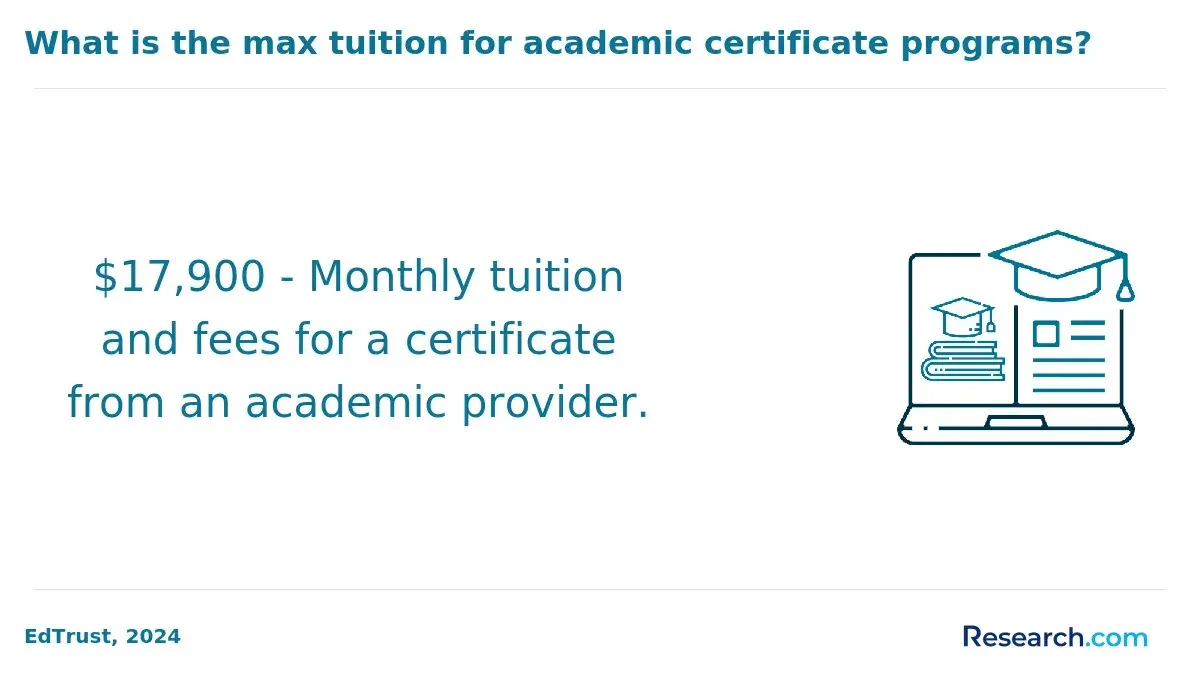
Tuition averages about $13,676 annually for social sciences degrees closely related to criminal justice, amounting to roughly $54,700 for a traditional four-year path before additional fees. Online formats often offer lower overall costs than campus-based programs but demand careful attention to part-time versus full-time enrollment impacts. Part-time students risk delayed graduation and slower returns on investment due to rule-bound financial aid and employer tuition assistance policies.
Practical strategies for reducing duration and expense include leveraging credit transfer options, competency-based assessments, and programs designed for prior experience-especially for military or law enforcement backgrounds. These can meaningfully shorten time to degree and lower tuition burden.
Full-time study accelerates career entry but may increase burnout risk. Part-time enrollment offers flexibility at the cost of longer completion time. Credit for prior experience cuts both cost and time requirements. Prospective students should weigh these factors against career timelines, employer expectations, and their own capacity to balance coursework with work and life demands.
What core courses and specializations are offered in online criminal justice programs?
Core courses in online criminal justice programs build essential competencies in constitutional law, criminology, criminal procedure, ethics, and research methods. These subjects develop skills in legal analysis, crime causation, policy evaluation, and ethical decision-making-areas vital to both public and private sector roles. Selecting a specialization, such as forensic science, cybersecurity, or corrections management, directly shapes employability and job function.
For example, cybersecurity tracks prepare graduates for technical roles in federal agencies and security firms, whereas corrections management focuses on inmate rehabilitation and administration, aligning with correctional institutions. Working adults must weigh specialization against program flexibility and duration. Programs like Kennesaw State University's online degree demonstrate how transferring 60 community college credits can reduce remaining tuition to roughly $11,400, cutting both time and financial investment substantially.
This consideration is critical for professionals balancing full-time employment with education, allowing for expedited career transitions without extended disruption. Effective decision-making also requires assessing employer priorities: law enforcement agencies commonly emphasize strong procedural and ethical training, while private sector employers often prioritize cybersecurity expertise. Mapping course content against real workforce demands reveals the practical returns on educational choices and helps avoid misalignment between academic pathways and career objectives.
Which criminal justice careers can an online degree prepare working adults to pursue?
An online criminal justice degree serves varied roles across law enforcement, legal, and security sectors, but its practical value hinges on specialization and alignment with employer demands. Entry positions like security officers or probation officers often earn median salaries near $31,470, whereas specialized federal agents may exceed $60,000 mid-career, reflecting the wage disparity tied to focused expertise and certification.
For instance, successful probation officers rely on coursework in psychology and law enforcement to satisfy state certifications, while forensic analysts require lab-intensive science training. Advancement to supervisory or judicial roles generally demands additional credentials, such as law degrees, underscoring that a bachelor's alone rarely suffices for higher-tier positions with median incomes around $148,030.
Working adults must weigh program components carefully-hands-on training, internships, or academy completion are often mandatory yet absent from some online offerings. Omitting these practical elements can stall growth despite degree attainment.
Key considerations include:
- Matching specialization choices with targeted career trajectories rather than pursuing a generalist criminal justice degree.
- Understanding employer prerequisites such as fieldwork or certifications beyond coursework.
- Assessing whether programs provide intern or practicum opportunities to connect theory with real-world demands.
Such a strategic approach helps ensure that time and investment yield tangible career mobility instead of credential gaps and limited job scope. These nuances matter critically for working professionals aiming to make informed decisions.
What salary ranges and job outlook can I expect with a criminal justice degree?
Mid-level salaries for those with a criminal justice degree typically range from $45,000 to $85,000 annually, but this average masks important sector and geographic differences. Entry-level positions like probation officers or forensic technicians often start near $40,000, while supervisors or analysts in metropolitan areas may earn $90,000 or more. Specialized roles in areas such as cybersecurity or federal law enforcement tend to surpass $100,000, emphasizing the premium placed on advanced technical skills and focused training.
Employment stability and salary progression diverge notably between public and private sectors: public agencies offer steadier roles with slower pay growth, whereas private security and consulting can accelerate earnings at the expense of job security. Urban hubs offer higher wages but increase competition for limited positions. Working adults pursuing online degrees in criminal justice must carefully verify employer recognition of their credentials to avoid diminishing returns on their educational investment.
Improving market value often requires supplementing an online degree with certifications, graduate study, or hands-on experience like internships. Aligning specialization with in-demand fields, such as digital forensics or criminal psychology, is essential to overcoming the common challenges online graduates face in this competitive labor market.
According to National University's analysis of BLS data, the civilian unemployment rate for criminal justice and fire protection workers stood at 1.8% in 2019, indicating robust demand. Prospective candidates should weigh the financial tradeoffs of education investment against realistic starting salaries and regional hiring conditions to inform strategic career pivots.
How do state licensing, background checks, and certifications affect criminal justice careers?
Licensing, background checks, and certification requirements create substantial barriers that shape entry and progression in criminal justice careers, often varying significantly by state and role. For example, a licensed private investigator in California faces different credentialing and ongoing compliance demands than a probation officer in Texas. Selecting an online criminal justice degree without matching these state-specific requirements risks disqualification regardless of academic performance.
Background investigations extend past simple criminal history, often including credit checks, employment verification, and drug tests. Individuals with prior offenses-even minor ones-may be outright barred or terminated if hired for positions involving sensitive data or vulnerable populations. Working adults with legal histories must find programs that offer legal guidance or rehabilitation support to overcome such hurdles.
Certification from recognized bodies like the American Correctional Association enhances practical competency proof, becoming increasingly necessary for employer consideration and salary improvement. Yet, broader workplace realities persist: for instance, women employed in criminal justice law earned roughly 95% of what men did, revealing ongoing pay disparities despite regulated qualification standards.
Effectively, working professionals should evaluate programs based on clear pathways supporting state licensing, certification preparation, and resources for mitigating background check challenges. This approach minimizes costly setbacks and aligns education with real workforce demands.
What criteria should I use to choose a reputable online criminal justice school?
Choosing a criminal justice program without verified regional accreditation from agencies like the Higher Learning Commission can undermine employment prospects and graduate school acceptance. Employers scrutinize whether a curriculum lends applicable skills, especially when targeting roles in law enforcement, corrections, or forensic science. For example, programs that omit current legal frameworks or technology leave graduates with gaps that slow professional progress.
Graduate outcomes illuminate actual value: probation officers and correctional treatment specialists earned a median salary of $59,860 in 2022, with the top 10% exceeding $101,080, according to National University citing U.S. Bureau of Labor Statistics data. Programs lacking transparent placement metrics risk investing time and money without commensurate returns.
Career services and internship alignment with local agencies are critical, particularly for working adults balancing job demands. Flexibility in course delivery-such as asynchronous formats-and accessible faculty support impact completion rates and degree utility. Technology disruptions in remote learning environments can produce setbacks that disproportionately affect working professionals.
Financial considerations must weigh tuition against realistic labor market outcomes; programs with very low tuition but poor accreditation or little career support often incur hidden costs through delayed employment or credential devaluation. Input from alumni and criminal justice professionals clarifies employer recognition and practical relevance, helping avoid degrees that stall advancement or limit hiring opportunities in a competitive field.
Other Things You Should Know About Criminal Justice
Online criminal justice programs vary significantly in structure, with some offering fully asynchronous courses while others require live sessions or synchronous labs. Working adults in law enforcement or corrections should prioritize programs that allow flexibility with deadlines and access to recorded lectures to manage shift work or overtime. Programs with rigid attendance or fixed weekly meeting times can create conflicts with unpredictable job hours, increasing stress and potentially delaying graduation.
Practical experience remains a critical factor for employability in criminal justice careers, even for online students. Some degree programs mandate internships or fieldwork, which can be challenging to schedule for working adults. Prioritizing programs that offer virtual internships or allow you to use your current job for credit can reduce scheduling conflicts and add relevant experience without requiring additional time commitments.
In 2027, online degrees are widely accepted, but some employers may have lingering biases favoring traditional degrees. However, accreditation and a school's reputation can mitigate these concerns. Prospective students should verify that their online program is accredited and recognized within the industry.
Specializations can offer a competitive edge if they align with clear career goals, such as cybersecurity for digital crime or forensic psychology for investigative roles. However, broad-based criminal justice programs provide versatility, which benefits those unsure of their path or seeking advancement across multiple sectors. Working adults should prioritize specialization only if the chosen field shows consistent employer demand and fits their current or planned career trajectory.
References
- Master's Degree in Criminal Justice: Salary & Career Options https://www.gograd.org/resources/criminal-justice-masters-careers/
- Find Top Online Bachelor's In Criminal Justice Programs https://www.accreditedschoolsonline.org/criminal-justice/bachelors/
- Online Criminal Justice Degree & Career Information https://www.criminaljustice.com/online-degrees/
- Online Bachelor's Degree in Criminal Justice | CSU Global | Accredited https://csuglobal.edu/academic-programs/undergraduate-degrees/bachelors-degree-criminal-justice
- Top Online Criminal Justice Degrees https://www.criminaljusticeprograms.com/online-criminal-justice-degrees/
- Earning a Criminal Justice Degree Online | University of Bridgeport https://www.bridgeport.edu/news/earning-a-criminal-justice-degree-online/
- How to choose a bachelor's in criminal justice | edX https://www.edx.org/resources/how-to-choose-a-bachelors-in-criminal-justice
- Online Criminal Justice Degrees (Types, Benefits & FAQ) https://www.allcriminaljusticeschools.com/criminal-justice/criminal-justice-online-degree/
- Guide To Criminal Justice Degrees And Majors https://www.criminaljusticedegreeschools.com/degrees/
- Online Bachelor’s Degree in Criminal Justice https://www.monroeu.edu/academics/undergraduate-programs/school-criminal-justice/online-bachelors-degree-criminal-justice