2027 Justice and Public Safety Careers That Are Growing Fast

Co-Founder and Chief Data Scientist
For professionals balancing full-time work with the pressure to pivot into more specialized justice and public safety roles, navigating which career paths truly offer growth and timely advancement is a dilemma intensified by rigid program schedules and inconsistent employer requirements. According to the National Center for Education Statistics in 2024, nearly 56% of adult learners prefer flexible, online programs that can adapt to unpredictable work hours, reflecting a critical shift in enrollment behaviors that justice students must consider when selecting credentials that align with workforce demands.
This article examines the fastest-growing justice and public safety careers and clarifies the education strategies that maximize both upward mobility and accessibility for working adults.
Key Things You Should Know
- Federal Labor Statistics project a 10% growth rate for cybersecurity roles within justice agencies by 2028, pressuring candidates to integrate advanced IT training despite longer, costlier credential pathways.
- State and local employers increasingly demand hybrid skill sets-combining investigative expertise with data analytics-reshaping recruitment to favor interdisciplinary education over traditional criminal justice degrees.
- Accelerated certification programs reduce entry barriers by up to 40% in time and cost but risk limiting foundational field experience, challenging candidates to balance rapid access against long-term career resilience.
What justice and public safety careers are growing fast in criminal justice?
Patrol officers and detectives represent one of the fastest growing jobs in criminal justice and public safety, with employment expected to rise by 7%-from around 820,000 to 880,000 by 2030. This surge stems from persistent demand for frontline intervention in community safety, but applicants should be prepared for demanding physical training, rigorous background checks, and ongoing professional development to remain competitive in hiring pools.
Meanwhile, roles such as cybercrime analysts and forensic specialists require a distinct educational investment, focusing on advanced technical certifications in network security and forensic software. These positions illustrate a significant shift from entry-level law enforcement toward specialized digital expertise, often necessitating collaboration across agencies to disrupt complex criminal networks. Students determining educational pathways here must weigh these tradeoffs carefully.
Probation and parole officers continue to experience steady growth tied to efforts in correctional population management that emphasize monitoring and rehabilitation over incarceration. These positions demand strong case management, crisis intervention skills, and frequent coordination with social services, while working under operational constraints like high caseloads and limited security protections.
Prospective students should align their training strategies with these career realities-an associate degree focusing on law enforcement tactics fits for patrol roles, whereas digital forensics specialization better suits cybercrime work. For a detailed perspective on compensation and job outlook, especially relating to profiler roles, see FBI criminal profiler salary.
What education do most criminal justice careers require?
Educational requirements in the criminal justice field reflect diverse workforce realities and advancement barriers. While entry-level roles like police or correctional officers may only need a high school diploma plus academy training, those aiming for supervisory or specialized positions typically require a bachelor's degree in criminal justice or related disciplines such as sociology or psychology.
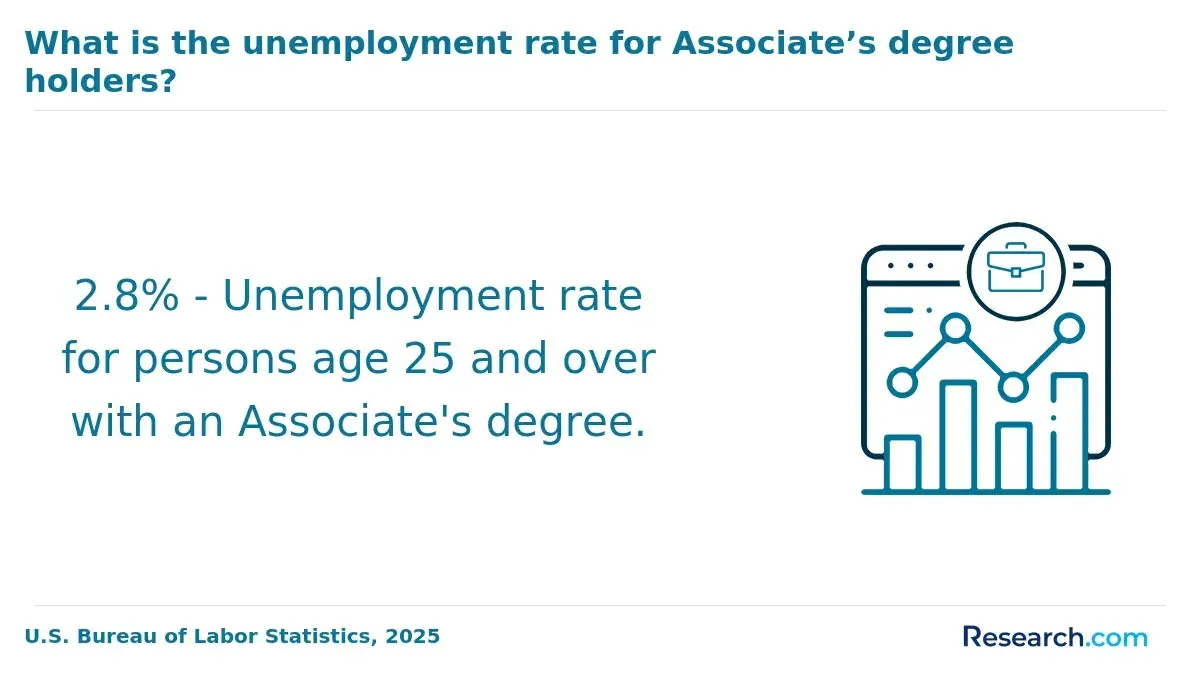
Legal services roles, including paralegals and legal assistants, often demand an associate's degree or certificate in paralegal studies. This pathway offers tangible returns given strong market demand and is a practical choice for many students navigating criminal justice degree requirements in the United States. Annual job growth projections indicate about 92,000 openings in legal services, with median wages around $59,000 for paralegals and legal assistants.
However, pursuing a law degree to become a lawyer entails significantly more time and financial investment, with complex tradeoffs involving debt and delayed workforce entry. Technicians and analysts frequently combine bachelor's degrees in forensic science or cybersecurity with specialized certifications to match evolving employer needs for digital evidence expertise.
Students must consider immediate employability versus long-term mobility. For example, starting as a correctional officer without advanced degrees limits promotion options, while those with associate's or bachelor's degrees gain access to federal roles and detective positions. Employers favor candidates blending accredited education with scenario-based training, underscoring the importance of program selection that balances theory with practical application.
For individuals evaluating what can a felon go to college for within criminal justice, there are viable educational pathways tailored to reentry and workforce integration. Detailed guidance on these options is available at what can a felon go to college for.
How do you choose an accredited criminal justice program?
Accreditation by agencies recognized by the U.S. Department of Education or the Council for Higher Education Accreditation is a non-negotiable filter for evaluating accredited criminal justice degree programs in the United States. Without this, degrees risk rejection by employers and disqualification from federal financial aid or advanced training. For example, correctional officers lacking an accredited degree may be barred from promotions that require credentials validated by bodies like the Academy of Criminal Justice Sciences.
Programs emphasizing theoretical coursework without substantial applied learning components-such as internships or partnerships with local law enforcement-often produce graduates unprepared for supervisory roles in corrections or parole. Given a 7.6% growth projection in this sector from 2016 to 2026, practical, skills-based education directly impacts employability.
When assessing the best online criminal justice programs for career advancement, it's vital to verify job placement rates and whether remote options provide fieldwork supervision that meets varied state certification requirements. Geographic factors influence hiring criteria, especially where stricter regulations limit which programs satisfy local standards.
Students weighing this pathway should also consider how curricula adapt to changes in legal frameworks and technological security measures, ensuring relevance beyond initial qualification. Additionally, understanding the pros of being a forensic psychologist can offer career pivot insights complementary to criminal justice expertise.
Should you earn a criminal justice degree online or on campus?
Deciding between earning a criminal justice degree online or on campus hinges on balancing skill development with practical constraints in a rapidly evolving job market. Positions such as forensic science technicians are expected to grow 13% through 2032, with median wages near $64,000, emphasizing the importance of hands-on experience often available only through campus-based programs. These provide access to labs, crime scene simulations, and networking with law enforcement agencies-critical components that online formats struggle to replicate at scale.
Online degrees cater to working professionals or individuals managing family commitments, offering scheduling flexibility but often limiting exposure to immediate internships and immersive laboratory work. Employers seeking forensic and investigative talent typically prioritize applied skills and real-world experience that hybrid or on-campus formats better accommodate. For those exploring the best ways to earn a criminal justice degree, evaluating these tradeoffs in relation to career goals is essential.
- High school graduates or career changers needing foundational experience often benefit from structured on-campus settings with agency partnerships for fieldwork.
- Professionals in related fields aiming to advance may prefer online programs to continue working while studying advanced theory.
- Hybrid models combining online coursework with in-person labs can offer an optimal balance of flexibility and hands-on training aligned with employer expectations.
Regardless of format, it is critical that programs provide pathways to internships and applied learning to align with workforce demands in forensic science and crime analysis sectors. For comparative insights on accelerated degrees in related fields, consider exploring options akin to an online architecture degree that reflect similar flexibility and outcome considerations.
What coursework is in a criminal justice degree program?
The value of a criminal justice degree hinges on how effectively it prepares students for operational demands and employer expectations in law enforcement, emergency response, and related fields. Core coursework covers the U.S. legal system, criminology theories, forensic science, and criminal investigation techniques-critical for accurate evidence analysis and case outcomes. Programs that lack substantial hands-on practica risk leaving graduates less competitive compared to those with documented field experience, a priority among police departments and public safety agencies.
The value of a criminal justice degree hinges on how effectively it prepares students for operational demands and employer expectations in law enforcement, emergency response, and related fields. Core coursework covers the U.S. legal system, criminology theories, forensic science, and criminal investigation techniques-critical for accurate evidence analysis and case outcomes. Programs that lack substantial hands-on practica risk leaving graduates less competitive compared to those with documented field experience, a priority among police departments and public safety agencies.
Workforce projections from the Bureau of Labor Statistics indicate robust demand, with over 18,000 EMT and paramedic positions and 26,000 firefighter openings annually through the next decade. This underlines the necessity for rapid decision-making skills developed through emergency response training and crisis intervention practice embedded in many curricula.
Ethics and constitutional law are pivotal components, given how civil rights considerations directly affect prosecutions and procedural legitimacy. Students must also gain proficiency in data analysis and research methods to interpret crime trends and assess policy effects-skills increasingly valued in nuanced public safety roles.
Prospective students should prioritize programs integrating applied experience with rigorous legal and scientific foundations to align education with frontline public safety realities and facilitate competitive entry into expanding job markets. Prospective students should prioritize programs integrating applied experience with rigorous legal and scientific foundations to align education with frontline public safety realities and facilitate competitive entry into expanding job markets.
What admission requirements apply to criminal justice programs?
Admission to criminal justice programs demands foundational academic qualifications paired with strict vetting, rather than merely meeting basic entry requirements. While most bachelor's programs insist on a high school diploma or GED, associate degrees may offer more flexible criteria, especially for adult learners. A critical, often overlooked factor is the mandatory criminal background check, which directly impacts eligibility for internships and career pathways-minor offenses can bar access to federal law enforcement roles or private security work.
Standardized test scores, when required, contribute to a holistic evaluation emphasizing analytical and communication abilities vital in this sector. Yet, many institutions now adopt test-optional policies, reflecting shifting norms but also introducing variability in candidate assessments.
Additional components such as letters of recommendation and physical fitness tests play specific roles in programs linked to police academies or specialized tracks like homeland security. These elements underscore the importance of maturity, ethical judgment, and physical preparedness in meeting employer demands.
- Delays or denial in program entry commonly stem from incomplete application elements like personal statements articulating commitment to public safety and problem-solving skills.
- Employment outlook varies, with roles like retail loss prevention specialists growing at 4.10% and security guards at 6.38%, per the U.S. Bureau of Labor Statistics.
Applicants must align preparation with realistic career objectives, as program prerequisites and background screening reflect practical workforce standards rather than academic formality alone.
How long does a criminal justice degree take, and what does it cost?
Choosing between associate and bachelor's criminal justice degrees requires weighing time, cost, and labor market impact. A bachelor's degree typically takes four years and serves as the standard entry point for law enforcement, corrections, or public safety administration roles. Accelerated options can shorten this to two or three years but often demand full-time, intense study that challenges work-life balance. Associate degrees, completed in about two years, provide a quicker path but usually limit advancement unless supplemented by further education.
Cost structures vary substantially: public universities charge between $9,000 and $22,000 annually for in-state students, whereas private institutions often exceed $30,000 per year. These figures exclude fees, books, and living expenses, which collectively push total costs over $40,000 for four years at public schools. Online programs may reduce some expenses but typically maintain similar tuition rates.
Transitioning into cybersecurity or digital public safety roles presents an added challenge. Criminal justice degrees alone rarely meet employer expectations in these fields, which prioritize specialized information security training and certifications. For example, information security analyst roles-projected to grow 28.5% according to the Bureau of Labor Statistics-require proficiency beyond traditional criminal justice curricula.
Students balancing employment might prefer part-time or online bachelor's programs despite longer completion times and rising tuition. Strategic credit transfers and employer tuition assistance become critical levers for managing timelines and expenses.
What jobs can you get with a criminal justice degree?
A criminal justice degree leads to varied roles that extend beyond frontline law enforcement, with distinct operational demands influencing both salary and work conditions. For example, victim advocates-whose median salaries range between $40,000 and $60,000, often engage directly with trauma-affected populations, requiring emotional resilience and adaptability to irregular schedules.
This contrasts with forensic technicians, who leverage specialized scientific training to analyze physical evidence, often commanding higher pay but facing technical rigor. The occupation landscape includes positions that vary widely in responsibilities and employer expectations, such as:
- Victim advocates facilitating survivors' navigation through legal and social support frameworks, a role emphasizing communication and empathy.
- Probation or parole officers tasked with offender rehabilitation and compliance monitoring, requiring conflict resolution skills.
- Forensic technicians applying scientific methodologies to investigative processes.
- Court clerks and legal support roles contributing operational organization to the judicial system.
Candidates should anticipate distinct requirements like background checks, state-dependent certifications, and sometimes mandated police academy training for law enforcement tracks. Social service roles may instead prioritize internship experience alongside academic credentials. Understanding these practical discrepancies is fundamental to aligning career objectives with realistic job market entry points and long-term professional sustainability.
What salaries do justice and public safety careers offer?
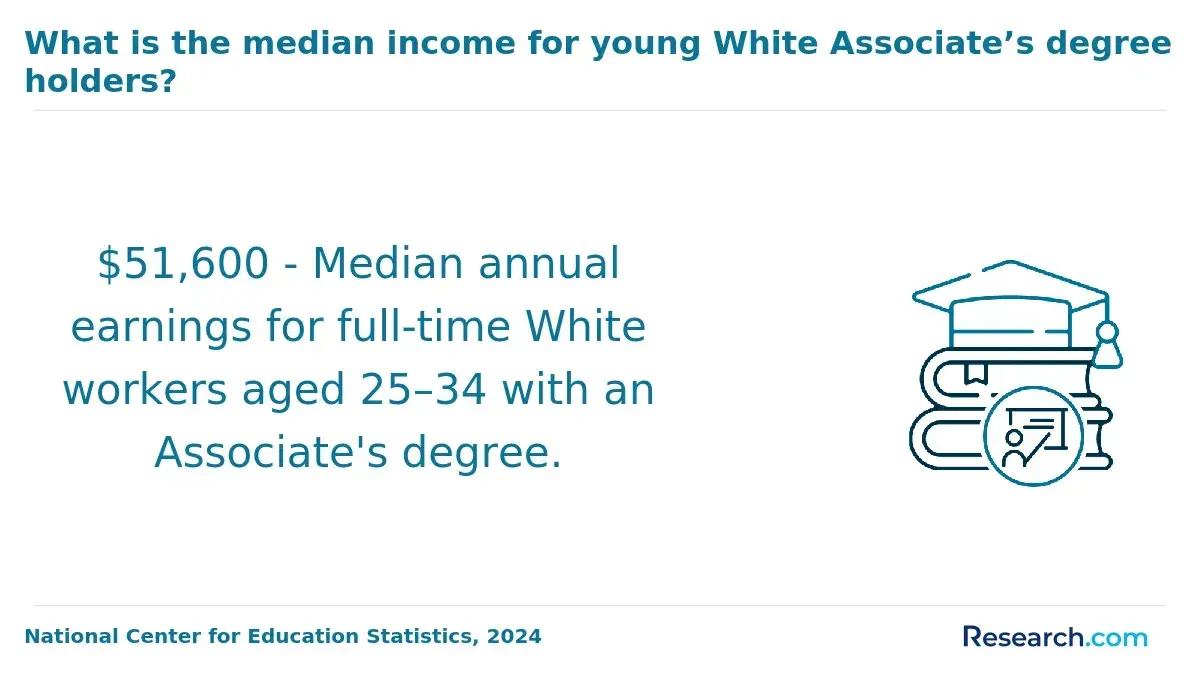
A bachelor's degree in criminal justice offers median annual salaries near $45,410 for early-career graduates aged 25-29, reflecting entry-level earning potential heavily influenced by practical experience and certifications. The total educational investment averages about $50,400, a moderate cost with viable returns primarily for those targeting public sector roles.
Salary variations closely follow geography and specialization. Law enforcement officers in metropolitan areas generally earn more than rural counterparts, while forensic analysts or cybersecurity specialists within public safety command higher wages. Entry-level firefighters and emergency responders typically start around the median but can achieve faster pay growth with tenure and advanced certifications.
The nearly $50,000 cost poses a critical tradeoff against relatively modest starting salaries, making long-term job stability, benefits, and potential loan forgiveness programs important factors in financial planning. Practical requirements such as physical fitness, ongoing training, and field experience often outweigh academic credentials alone in hiring decisions.
Graduates aiming to improve employability and earnings should pursue internships or specialized certifications. Different salary scales apply for private security or consulting roles, necessitating careful market analysis before commitment. For graduates focused on public safety careers, balancing education cost, skill acquisition, and sector-specific expectations is essential for assessing actual career and financial outcomes.
What certifications or licenses do criminal justice careers require?
Licensing and certification requirements in criminal justice vary widely depending on role and jurisdiction, shaping both employability and career trajectory. Police officers must complete state-certified academies and pass licensing exams, while federal agents handle additional federal training and clearances. Correctional officers face state-specific certification and local mandates.
Paralegals and forensic specialists often pursue voluntary professional credentials like the National Association of Legal Assistants (NALA) certification or forensic science technician credentials, which enhance job prospects but aren't universally required. The labor market outlook projects a 5% growth across over a million law enforcement roles by 2034, accompanied by median wage increases from $56,000 to $76,000 for key positions according to Bureau of Labor Statistics data. Candidates without the appropriate licenses usually encounter restricted job options and lower starting salaries, despite experience.
For example, career switchers lacking state certification may experience delays or denial when applying to agencies, incurring avoidable time and financial costs. Ongoing employment often requires recurrent certifications such as first aid, firearms proficiency, and defensive tactics, representing continual investment in time and money. Specialized positions, including K-9 units and cybercrime, demand additional technical qualifications, reflecting employer demands for targeted expertise.
Employers strongly prefer candidates with verifiable licenses from recognized authorities because without them, workers cannot legally perform essential duties. Prospective students must weigh upfront certification expenses, training duration, and state reciprocity when mapping out their career path in criminal justice, especially if geographic mobility is a factor.
Other Things You Should Know About Criminal Justice
In 2027, cybersecurity analysts, forensic scientists, and emergency management directors are among the fastest-growing justice and public safety careers. With the increasing reliance on technology and growing safety challenges, roles requiring data protection, crime analysis, and crisis response are in high demand.
Employers in local policing, federal agencies, private security, and social services each demand distinct skill sets and professional competencies. Federal roles typically require a stronger foundation in technology, law, and investigative techniques, while local agencies may prioritize community relations and physical fitness. Understanding these nuances helps students tailor their coursework and practical experiences to meet specific sector demands, increasing chances of job placement and long-term retention.
Specialized certifications can accelerate entry into niche roles like cybercrime analysis or forensic accounting but often limit flexibility across the broader criminal justice spectrum. Conversely, a general degree offers a wide foundation but may require additional training for highly technical positions. Prospective students should align certification choices with clear career targets while considering how transferable their skills will be if they change focus within the field later.
Maintaining full-time employment while completing a criminal justice degree demands rigorous time management and may extend program duration, which can delay career transitions or promotions. Part-time or online options reduce scheduling conflicts but sometimes sacrifice direct interaction, affecting networking and applied learning. Candidates must prioritize programs with strong employer engagement and flexible formats that support working professionals to minimize impact on learning quality and professional momentum.
References
- Online Bachelor's Degree Criminal Justice https://www.umgc.edu/online-degrees/bachelors/criminal-justice
- Salary Guide for Criminal Justice Professionals in New York https://www.allcriminaljusticeschools.com/criminal-justice/criminal-justice-salaries/new-york/
- Careers for a Criminal Justice Certificate - Lakewood University https://lakewood.edu/careers-for-a-criminal-justice-certificate/
- Public Service & Safety Overview Video | Career Cluster Videos | CareerOneStop https://www.careeronestop.org/Videos/IndustryVideos/law-public-safety-and-corrections-overview.aspx
- Top Online Criminal Justice Degrees https://www.criminaljusticeprograms.com/online-criminal-justice-degrees/
- Criminal Justice Careers - Criminal Justice Degree Schools https://www.criminaljusticedegreeschools.com/careers/
- Criminal Justice Jobs - June 2026 - The High Court https://thehighcourt.co/criminal-justice-jobs/
- What Can You Do With a Degree in Criminal Justice? | UMass Global https://www.umassglobal.edu/blog-news/what-can-you-do-with-a-criminal-justice-degree
- Bachelor of Arts inCriminal Justice Online or On Campus https://www.albany.edu/scj/programs/ba-criminal-justice
- Jobs with a degree in Criminal Justice | Monroe University https://www.monroeu.edu/academics/undergraduate-programs/school-criminal-justice/what-can-you-do-criminal