2027 Best Online Bachelor's in Criminal Justice With Accelerated Terms

Co-Founder and Chief Data Scientist
Law enforcement professionals and aspiring criminal justice practitioners confront a critical bottleneck: advancing careers while balancing shift work, family obligations, and financial strain. Accelerated online bachelor's programs offer an adaptive solution, yet the quality and flexibility vary widely.
The National Center for Education Statistics reports a 12% rise in online undergraduate enrollment among adult learners since 2023, signaling growing demand for accelerated terms that compress curricular timelines without sacrificing credential rigor. This shapes employer expectations and enrollment strategies as students prioritize timely completion to capitalize on workforce openings amid evolving public safety challenges.
This article evaluates top accelerated online bachelor's in criminal justice programs, focusing on practical outcomes and accessibility.
Key Things You Should Know
- Employers increasingly favor bachelor's graduates with internships; accelerated terms reduce experiential learning windows by up to 40%, potentially hindering readiness per 2024 National Institute of Justice workforce surveys.
- Faster degree completion often raises per-credit costs by 15-25%, forcing candidates to balance increased tuition expenses against earlier labor market entry, as reported by the National Center for Education Statistics.
- Criminal justice roles emphasize retention of procedural knowledge; compressed curricula risk lower mastery retention rates, affecting long-term career advancement, according to 2024 Bureau of Labor Statistics analyses.
What is an online bachelor's in criminal justice with accelerated terms?
Accelerated online programs offering an online bachelor's in criminal justice reduce traditional degree timelines by compressing courses into 5- to 8-week terms. This format suits students balancing employment with education, focusing intensely on fewer subjects to expedite completion by up to half the standard duration. However, this efficiency often requires tradeoffs in practical experience.
Employers recognize the time management skills demonstrated but scrutinize whether condensed schedules sufficiently cover hands-on training or internships necessary for roles in law enforcement, corrections, or cybersecurity.
A corrections officer working part-time, for instance, may utilize accelerated pathways to align academic progress with on-the-job experience, gaining promotions faster than peers in conventional tracks. Yet, the faster pace demands a strict balance between coursework and life commitments, and not all programs equally support transfer credits or provide extensive career services.
Given criminal justice's projected 8% job growth from 2022 to 2032, program selection impacts long-term employability. Prospective students evaluating a bachelor's degree in criminal justice with fast-track options should assess accreditation status, employer recognition, and experiential learning components critically.
Key considerations include:
- Managing coursework alongside personal and professional responsibilities
- Verifying that internships or practicums meet industry standards
- Confirming availability of career networking within compressed schedules
- Maximizing transfer credits from prior education or relevant experience
For foundational preparation, students may also explore an online associates in criminal justice to build relevant skills before committing to accelerated bachelor's programs.
Are accelerated online criminal justice degrees accredited and respected?
Law enforcement and federal agencies prioritize degrees from accredited programs when assessing candidate eligibility, often excluding those without recognized credentials.
Accelerated online criminal justice degrees, when offered by institutions accredited by entities such as the Council for Higher Education Accreditation or the U.S. Department of Education, satisfy these employment prerequisites and provide a legitimate foundation for advancement in policing or investigative roles.
For instance, applicants aiming for positions within the FBI or state police must typically verify accreditation to pass stringent vetting procedures.
Despite the condensed pacing of these programs, which demands sustained discipline and time investment, the academic standards remain intact. However, some employers may view the accelerated format skeptically, necessitating that candidates supplement their education with certifications or relevant field experience. This dynamic is especially critical since accelerated pathways can limit internship availability or reduce time to assimilate complex legal frameworks.
With a median annual wage of $74,910 for police officers and detectives reported by the U.S. Bureau of Labor Statistics and summarized by Intelligent.com, successfully navigating these fast tracks can hasten financial and occupational gains. That said, prospective students should rigorously evaluate how respected online criminal justice programs with fast tracks balance speed against depth, clarifying whether the program's rigor aligns with long-term career ambitions.
Students exploring alternatives should also consider online paralegal certificate programs, which may offer distinct professional opportunities within the legal and justice fields.
Overall, accredited accelerated online criminal justice degrees deliver respected credentials if candidates proactively address potential employer concerns about academic pacing through demonstrable competence and applicable experience.
How long does an accelerated online criminal justice degree take?
Accelerated online criminal justice degree completion times between 2.5 and 3 years reflect a deliberate shift toward condensing traditionally longer programs without sacrificing rigor. For example, law enforcement officers seeking supervisory roles or paralegals aiming for federal positions benefit from this compressed timeline, which reduces workforce absence while preserving core competencies valued by employers.
However, candidates must weigh faster trajectories against an intensified course load often requiring 30-36 credits annually in six- to eight-week terms, which demand disciplined time management.
The fastest online bachelor's in criminal justice program may appear appealing for efficiency, but students unprepared for sustained academic pressure risk burnout, delayed graduation, and increased costs, undermining the intended value.
Financially, these programs can reduce total tuition months, with some charging as low as $190 per credit hour for all students, well below the typical $330-$715 range referenced by AffordableCollegesOnline and Bachelor's Degree Center. This pricing structure is a practical consideration for midcareer individuals balancing budgets and timelines.
Decisive factors include verifying transfer credit policies, ensuring accelerated term availability, and assessing employer recognition, especially given specialized roles that might demand deeper experiential training or credentials beyond an accelerated degree. For students comparing pathways, broader financial and career implications appear alongside academic pacing.
Prospective students interested in related fields might consult resources like the masters in marketing guide for additional strategic education planning.
What courses are included in a criminal justice bachelor's program?
Completing a criminal justice bachelor's degree involves balancing broad foundational knowledge with targeted specialization to meet employer expectations and labor market needs. Core subjects consistently include criminology, criminal law, and policing techniques, while advanced courses cover corrections, juvenile justice, and forensic science.
These build critical capabilities valued in law enforcement and rehabilitation roles but require students to decide early on how much specialization aligns with their career objectives.
Several programs incorporate research methods and statistics, essential for evidence-driven roles in policy analysis and investigations. Applied areas like cybersecurity and homeland security address the increasing demand for expertise in counterterrorism and digital crime, signaling a shift where adaptability to emerging threats is a workforce priority.
Students evaluating accelerated criminal justice bachelor's degree curricula should anticipate intense course loads—often 18 credits per term, including summers—which demand robust time management but can reduce time-to-degree to about 2.5 years by leveraging CLEP exams and prior learning credits.
For working professionals, selecting courses aligned with specific roles—such as forensic psychology for crime analysts or security management for corporate positions—minimizes wasted effort and maximizes employability. This focus also supports smoother transitions into niches requiring specialized skills within a generalized curriculum.
Prospective students might also explore related pathways like autopsy technician school to diversify practical options within forensic and investigative careers.
Programs that integrate ethics, constitutional law, and legal boundaries better prepare graduates for the complex moral and regulatory landscapes of criminal justice professions, reflecting employer demand for nuanced judgment alongside technical skill.
Understanding these tradeoffs helps students make strategic decisions about the type and delivery of courses in online criminal justice programs to align education with labor market realities.
What are the admission requirements for accelerated online criminal justice programs?
Accelerated online criminal justice programs impose strict academic and professional entry requirements that reflect their intensive pace and real-world applicability. Most expect a minimum cumulative GPA between 2.5 and 3.0, supported by transcripts demonstrating relevant prior knowledge—often including foundational courses like sociology, psychology, or legal studies. These prerequisites help ensure students are equipped to manage a compressed curriculum without sacrificing comprehension or performance.
Applicants enrolling directly from high school typically must submit SAT or ACT scores, though transfer students and those with relevant work experience might be exempted.
Employment verification—usually 1 to 2 years in criminal justice roles—is commonly required when programs target working professionals, emphasizing the need to integrate practical experience with academic theory. Background checks, often including a clean criminal record, are standard due to the sensitivity of the field.
The accelerated format demands candidates who balance rigorous coursework with existing job duties, backed by a clear statement of purpose aligning career goals with specialized leadership or forensic roles. Reliable internet and familiarity with online learning tools are essential to maintain continuity during shortened terms or year-round sessions.
These admission criteria correlate with labor market realities where advanced positions earn median salaries of up to $92,740 for forensic psychologists and $145,760 for attorneys, confirming that screening aligns with workforce readiness rather than academic convenience.
How do online, hybrid, and campus criminal justice programs compare?
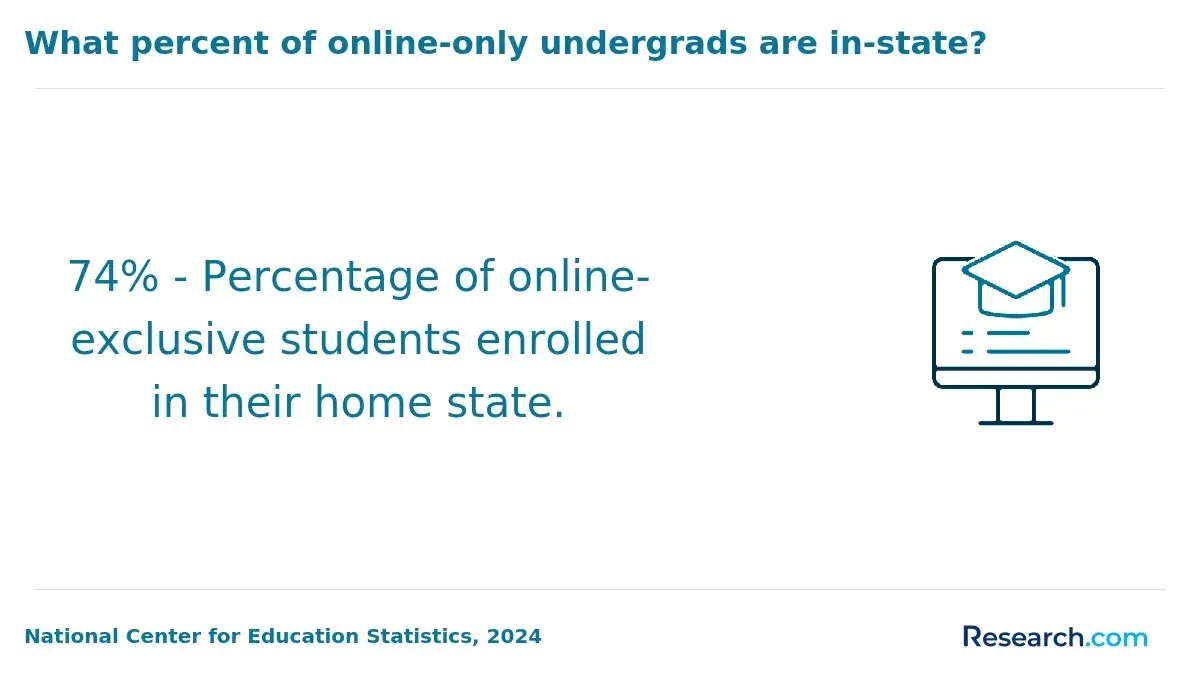
Choosing an online criminal justice program significantly reduces costs and enhances schedule flexibility, particularly for working professionals balancing career demands. Online options average $400 per credit, about 24% less than on-campus rates, directly influencing overall debt and investment returns. However, this financial advantage comes with limited in-person interactions, which can affect practical skill development crucial in areas like forensic analysis.
Hybrid programs offer a middle ground, combining online coursework with some campus engagement. This format benefits those needing hands-on experiences but willing to manage commuting or rigid schedules, though it typically costs more per credit than fully online paths.
Traditional campus programs remain essential for roles that require immersive, real-time practitioner interaction, such as law enforcement training, where physical presence is integral to career readiness.
Students must evaluate their professional goals against program delivery modes. For instance, a criminal investigator seeking supervisory promotion might prioritize an accelerated online program to minimize time away from work, while a forensic technician candidate should consider campus programs for lab access.
Key employer expectations center on accreditation and competency verification rather than delivery mode, emphasizing rigorous curriculum alignment with industry standards.
Prospective students should weigh these tradeoffs in relation to career specialization, employer standards, and personal constraints to ensure meaningful skill acquisition and long-term employability within criminal justice fields.
How much does an accelerated online criminal justice degree cost?
Cost considerations in accelerated online criminal justice degrees hinge critically on prior credit transfer and financial aid availability, shaping the real affordability for working adults. For example, Louisiana State University Alexandria's policy allowing up to 75% credit transfer cuts tuition from $42,360 down to $10,590, significantly easing financial barriers for students with existing college credits.
This underscores a key tradeoff: students with transferable credits can pursue faster, less costly paths, while those starting fresh face higher expenses, often $350 to $600 per credit hour at comparable institutions.
Working professionals must weigh paying more upfront for accelerated completion against extending time to spread costs, factoring in non-tuition expenses like fees, technology, and potential income loss during intensive study. Employers in fields such as law enforcement and corrections typically require a bachelor's degree but seldom cover full tuition, making a strategic approach to financing essential.
Key practical points include:
- Maximizing transferable credits to reduce total cost and duration
- Assessing eligibility and timing for federal loans, grants, and employer tuition assistance
- Evaluating the overall return on investment given workforce expectations and personal financial constraints
Prioritizing clear understanding of credit policies, as demonstrated by LSU Alexandria's data, provides a pragmatic foundation for evaluating accelerated criminal justice online programs in 2026.
What jobs can you get with a criminal justice bachelor's degree?
A bachelor's degree in criminal justice positions graduates primarily for frontline roles such as police officer, probation officer, or correctional officer, where median salaries range from $38,000 to $50,000. These roles demand physical endurance and acute judgment in high-pressure situations and often impose limited advancement without further specialization or credentials.
Specialization markedly changes career prospects. Individuals pursuing academic or research roles within criminal justice can secure more stable and lucrative positions, like college professorships, with median earnings near $69,030. However, this track requires additional education beyond a bachelor's degree, representing a significant time and financial investment.
Technical branches like forensic analysis or homeland security require supplementary certifications or on-the-job training. Forensic technicians, for example, benefit from STEM skills and can expect salaries around $60,000 but face constrained job availability. Similarly, federal agencies such as the FBI and DEA favor bachelor's degree holders for analyst positions that emphasize intelligence work over field duties, starting salaries typically above $50,000.
Students and professionals must weigh the tradeoffs: frontline roles provide immediate entry but limited upward mobility, whereas specialized or federal pathways afford higher earnings and career diversification but demand ongoing qualification efforts and patience.
Understanding these dynamics helps clarify the practical value of a criminal justice degree depending on one's career goals and willingness to navigate evolving workforce requirements.
How much do criminal justice graduates earn?
Wages for criminal justice graduates in the U.S. reflect considerable variability based on role and location, with median annual earnings near $67,000. Entry-level roles such as probation officers or correctional treatment specialists typically start around $40,000, whereas federal law enforcement or forensic specialists can earn over $90,000.
This underscores a key hiring reality: urban and federal positions offer higher pay but demand stringent qualifications and certifications, while local law enforcement jobs generally provide slower wage growth and greater regional job security through public pension plans.
Tuition costs for accelerated online criminal justice programs range widely—from $403 to $677 per credit hour, with some charging up to $11,000 per semester—creating substantial financial differences that impact net returns and debt burden.
Candidates opting for higher-cost programs without strong employer partnerships face diminished ROI. Practical decision-making here involves balancing term length and tuition affordability to minimize debt while entering the workforce swiftly.
Graduates with significant tuition expenses should strategically seek employers offering tuition reimbursement or positions with rapid promotion paths to offset initial financial strain. These dynamics are critical for aligning program expenses with realistic career trajectories and long-term earnings potential.
What certifications or licenses may criminal justice careers require?
Securing certifications or licenses is a defining gatekeeper in criminal justice careers, varying sharply by role and jurisdiction. Law enforcement candidates must typically complete state peace officer certification or a police academy diploma before employment—processes managed by state Departments of Public Safety that enforce strict eligibility standards.
For probation and parole officers, certification aligns with their state corrections departments and often includes mandatory background checks and continuous training.
Private investigators face licensing requirements in nearly every state, demanding fingerprinting, background checks, and sometimes minimum education or experience thresholds, creating barriers that differ regionally. Specialized technical roles like forensic analysts or crime scene investigators require professional credentials from bodies such as the American Board of Criminalistics, directly impacting employability and courtroom credibility.
Federal agency applicants, including the FBI or DEA, must navigate rigorous physical, psychological, and security clearances—essentially functioning as comprehensive licensing filters that extend beyond state protocols. This complexity demands strategic career planning, especially when accelerated bachelor's degrees intersect with certification schedules.
For example, using CLEP exams to fast-track credits for around $890 can reduce coursework, hastening entry into licensed roles and improving return on investment.
Ongoing certification maintenance through continuing education is non-negotiable; lapses can result in suspension or job loss. Furthermore, the lack of widespread reciprocity between jurisdictions complicates mobility, forcing professionals to repeat training or reapply for licenses if relocating. Such regulatory differences critically shape workforce flexibility and long-term career trajectories.
Other Things You Should Know About Criminal Justice
Employers focus more on accreditation and relevant experience than the pacing of a degree. However, rapid completion without practical internships or fieldwork can raise concerns about preparedness. Candidates should emphasize any hands-on experiences and internships completed during their studies to offset potential skepticism, as purely academic fast-tracked degrees may be questioned in roles requiring applied skills.
Online programs often limit face-to-face networking, which is significant in criminal justice careers where connections to law enforcement agencies or legal professionals matter. Students should proactively engage in virtual networking, internships, or local professional groups to build relationships that employers value. Without these efforts, graduates risk entering the job market with weaker practical ties, reducing immediate employment prospects.
Accelerated programs can provide a fast entry into the workforce but may sacrifice depth and comprehensive coverage compared to traditional terms. If graduate study is the goal, it's advisable to select a program with strong research components and opportunities for academic mentorship. Prioritizing program quality and academic rigor over speed will better prepare students for graduate-level demands and competitive admissions.
References
- What Are the Entry Requirements for a Criminal Justice Program? | University of Bridgeport https://www.bridgeport.edu/news/entry-requirements-for-a-criminal-justice-program/
- Online Criminal Justice Degree Programs | University of Phoenix https://www.phoenix.edu/online-criminal-justice-degrees.html
- Online Criminal Justice Degree & Career Information https://www.criminaljustice.com/online-degrees/
- Find Tennessee Criminal Justice Certificate Programs https://www.criminaljusticeprograms.com/programs/certificate-in-criminal-justice/tennessee/
- Criminal Justice Careers - Criminal Justice Degree Schools https://www.criminaljusticedegreeschools.com/careers/
- Criminal Justice Salary Guide | All Criminal Justice Schools https://www.allcriminaljusticeschools.com/criminal-justice/criminal-justice-salaries/
- Careers for a Criminal Justice Certificate - Lakewood University https://lakewood.edu/careers-for-a-criminal-justice-certificate/
- Criminal Justice, B.A. Hybrid https://www.pointloma.edu/adult-degree-completion/programs/criminal-justice-ba-hybrid
- Criminal Justice Salary - How Much Can I Make With a Criminal Justice Degree? - Grace Christian University https://gracechristian.edu/blog/criminal-justice-salary/
- Jobs with a degree in Criminal Justice | Monroe University https://www.monroeu.edu/academics/undergraduate-programs/school-criminal-justice/what-can-you-do-criminal