2027 How to Choose an Online Criminal Justice Degree as a Career Changer

Co-Founder and Chief Data Scientist
Transitioning into an online criminal justice degree often confronts career changers with a landscape of complex program formats and variable employer recognition. With over 40% of adult learners in the U.S. opting for online degrees according to the National Center for Education Statistics in 2024, the shift toward digital education expands access but complicates evaluations of program rigor and transferability. This prompts urgent questions about balancing flexible scheduling with credentials that truly enhance career mobility in law enforcement, legal services, or corrections.
This article unpacks the strategic criteria for selecting an online criminal justice degree tailored to career changers seeking practical, market-aligned education solutions.
Key Things You Should Know
- Nationwide, criminal justice bachelor's graduates see median starting salaries near $45K, but workforce data from the Bureau of Labor Statistics shows police and correctional officers often require additional certifications, limiting degree-only entry roles.
- Employers prioritize internships and law enforcement affiliations; the National Center for Education Statistics reports programs with integrated practicum placements increase graduate job placement by 27%, a critical factor for career changers without prior agency ties.
- Online programs range from $15K to $40K total cost; however, Department of Education data indicates accelerated tracks reduce total education-to-employment time by up to 30%, balancing higher tuition with faster ROI for mid-career pivots.
How do online criminal justice degrees work for career changers with no experience?
Online criminal justice degrees designed for career changers with no prior experience create a crucial bridge between theoretical foundations and practical skills, allowing students to build market-relevant competencies despite starting fresh.
Emphasizing flexible online criminal justice programs for career changers starting fresh, these curricula integrate core topics such as law enforcement, corrections, criminology, and legal studies with applied elements like case evaluations, policy analysis, and virtual simulations, compensating for limited real-world exposure.
Access to internships or practicum placements is a decisive factor in program effectiveness, directly influencing employability by providing situational judgment and professional connections.
For example, an aspiring federal law enforcement officer gains a competitive edge from programs with established government partnerships, while candidates focused on community corrections benefit more from experiential learning centered on rehabilitation.
Enrollment demands rigorous self-management and active engagement with faculty and career services, as employers weigh academic performance alongside internship outcomes. Labor market data shows over 80% of graduates secured relevant employment within six months of graduation, confirming the value of credible programs offering comprehensive career support.
Prospective students should also evaluate accreditation and state authorization closely, as credentials must satisfy regulatory requirements that differ notably between jurisdictions.
Those exploring a criminal justice bachelor degree option are advised to compare program features critically, focusing on practical pathways rather than generic promises.
What types of online criminal justice degrees are available and which level do I need?
Selecting the appropriate degree level in online criminal justice degree programs has significant implications for employability and career trajectory. Associate degrees mainly support entry-level roles like correctional officers but offer limited upward mobility.
Bachelor's degrees serve best for career changers targeting supervisory or investigative positions—law enforcement, forensic analysis, and security management—aligning with typical employer requirements for advancement or federal eligibility.
For example, a professional with less than two years of experience seeking immediate workforce reentry would likely benefit most from a bachelor's degree, which satisfies baseline hiring criteria in policing and private security.
Master's degrees cater to mid-career professionals with five or more years aiming for leadership, specialized roles (such as cybersecurity or criminal profiling), or policy formulation. These programs are instrumental for those looking to move into federal investigations or management, as employers prioritize advanced academic credentials combined with relevant experience.
As approximately 60% of criminal justice students engage in online study, choosing accredited programs with strong law enforcement partnerships ensures necessary experiential learning. Additionally, those considering specialized paths could examine options such as a paralegal certificate online for legal support roles that complement criminal justice expertise.
How can I evaluate the accreditation and legitimacy of an online criminal justice program?
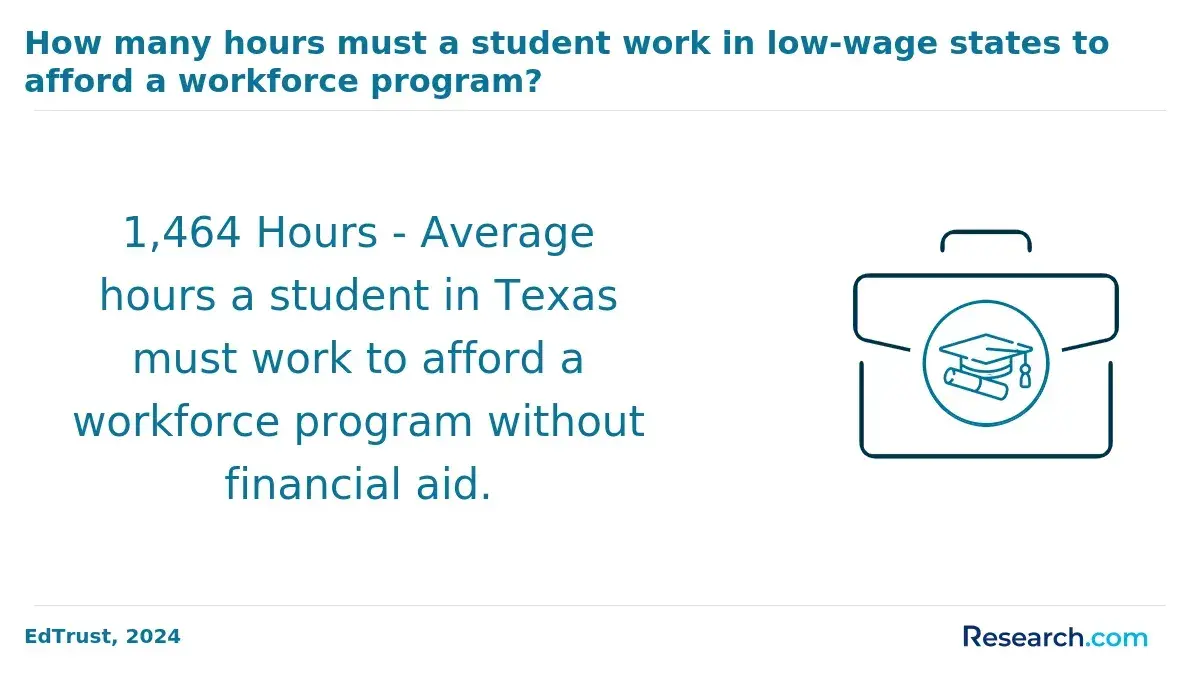
Accreditation verification is fundamental when assessing online criminal justice program accreditation standards to ensure a degree's legitimacy and workforce relevance. Regional accreditation from U.S. Department of Education-approved agencies such as the Higher Learning Commission is prioritized by employers and graduate schools, whereas national or specialized accreditations commonly supplement but do not substitute this credential. Confusion around accreditation often leads to limited career flexibility or challenges in credit transfer.
Curriculum alignment matters deeply: programs must integrate current criminal justice employment standards, including evidence-based practices and compliance with jurisdictional certifications.
Employers in corrections, law enforcement, and legal sectors often regard practical experiences—internships and case simulations—as essential for employability. Overlooking these components risks graduating without competencies matching on-the-ground demands.
The median criminal justice degree salary, approximately $84,910 per the Bureau of Labor Statistics and cited by Kent State University in 2024, establishes a realistic earnings benchmark. However, without transparent data on outcomes like placement rates and salary ranges, prospective students may overestimate financial returns.
Transitioning mid-career requires scrutiny of credit transfer policies and course flexibility to avoid prolonged timelines or increased costs, which can reduce return on investment despite promising salary data.
Those evaluating legitimacy verification for online criminal justice degrees should weigh these factors pragmatically and consider related pathways shown in fields like a masters in digital marketing as a comparative example of balancing cost, duration, and earnings potential.
What admission requirements do online criminal justice programs have for mid-career adults?
Mid-career adults considering an online criminal justice degree encounter admission requirements that carefully weigh practical experience alongside academic credentials. Typically, a high school diploma or equivalent suffices, but many programs prefer prior college credit or an associate degree. In some cases, demonstrated professional history in law enforcement or related fields can replace formal prerequisites, which aligns with the operational focus on applicable skills.
Prospective students should prepare to submit official transcripts, resumes that articulate evolving career goals, and recommendation letters that emphasize relevant expertise.
For career changers, admission criteria for online criminal justice programs often demand proof of technological aptitude due to the asynchronous nature of coursework, alongside essays that clarify motivation for the transition.
Background checks are common prerequisites when fieldwork or internships are involved, reflecting legal and safety standards in the profession. The ability to manage remote learning while maintaining employment is frequently scrutinized, given its impact on student persistence and completion rates.
Applicants can accelerate degree progress by submitting transfer credit documentation for earlier relevant coursework, reducing both time and cost burdens. This blend of academic readiness and real-world experience corresponds with employer expectations in a field where police and detectives earn a median annual wage of $72,280 with steady job growth forecasted through 2034.
Students comparing educational routes might also reference complementary pathways like the best military friendly online electrical engineering degrees as examples of programs designed for professionals balancing work and study.
How do online criminal justice degrees compare with campus programs in flexibility and learning?
Online criminal justice degrees offer significant schedule flexibility critical for professionals balancing work and personal obligations. Unlike on-campus programs with fixed class times and commuting demands, online formats provide asynchronous access allowing students to advance at their own pace or accelerate completion as needed. This accommodates irregular work hours common in law enforcement and related fields.
Cost remains a pivotal consideration. Tuition for these programs ranges widely-from $6,000 to $36,000 according to National University's 2026 analysis-while indirect expenses like transportation and housing are greatly reduced or eliminated online. This financial dynamic often makes remote study more accessible, yet one must weigh savings against potential gaps in practical training.
Hands-on experience is a non-negotiable in criminal justice employment, particularly in forensic science, investigations, or courtroom roles. On-campus students usually have easier access to labs, simulations, and fieldwork essential for skill development. Online students must actively pursue internships or local partnerships to build comparable credentials and demonstrate applied competence.
In environments where networking and physical presence influence immediate career advancement, campus programs may provide an edge. Conversely, for individuals pivoting careers while maintaining employment, the scalable commitment of online degrees offers a viable alternative.
What core courses and specializations are offered in online criminal justice curricula?
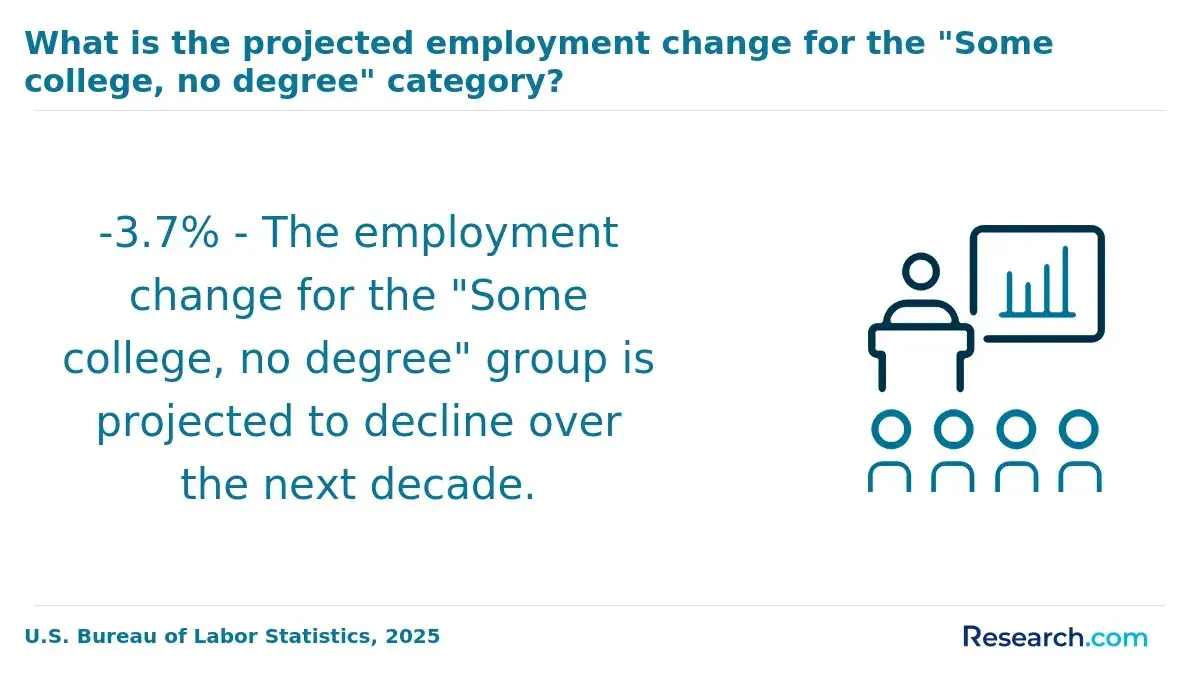
Employers in law enforcement and related fields increasingly expect candidates to hold degree qualifications directly aligned with operational demands. With National University data indicating that 34.5% of the criminal justice workforce has at least a bachelor's degree and 61% hold an associate degree, program selection must account for this credential threshold to remain competitive.
Foundational courses typically cover the U.S. legal system, criminology, criminal law, ethics, and research methodologies—essential for grasping statutory frameworks and analytical techniques crucial in investigative and policy roles.
Specializations introduce tradeoffs: focusing on cybercrime and cybersecurity suits federal agencies targeting digital threats, while corrections and rehabilitation tracks align better with state or local prison systems. For example, a student targeting a role in homeland security should favor programs emphasizing terrorism response and emergency management, including practical simulations to build operational readiness.
This is significant because employers increasingly favor candidates with coursework that reduces their training burden and ensures immediate field applicability.
For career changers lacking prior experience, programs that offer clear pathways to certification or internships bridge the gap between theory and practice—an essential element for successful transitions into the workforce.
How long do online criminal justice degrees take and what do they typically cost?
Completing an online criminal justice degree involves critical tradeoffs between time, cost, and specialization that directly affect employability and career trajectories. Bachelor's programs typically require four years full-time, while accelerated formats may shorten this to two or three years by increasing course loads or offering year-round terms.
Associate degrees generally take two years but provide more limited advancement opportunities. Part-time enrollment extends timelines beyond four years, forcing many working professionals to balance competing time demands.
Tuition ranges reflect institutional type and residency, with public in-state bachelor's degrees averaging $10,000 to $20,000 total, compared to $25,000 to $50,000 or more at out-of-state or private schools. Certificates or associate qualifications may cost as little as $5,000 but often lack recognition for specialized roles.
Employers increasingly value specialized training in cybersecurity, forensic science, or community corrections—sectors identified by Keiser University's 2025 analysis as high-growth areas. Choosing these tracks may improve job market positioning but usually lengthens programs through extra coursework, raising both duration and cost.
Online programs vary in flexibility; asynchronous delivery aids working students, yet local practicum or fieldwork requirements can disrupt schedules and add travel expenses.
What criminal justice careers can an online degree open for career changers?
Choosing an online criminal justice degree for career change requires careful evaluation of both program structure and labor market realities. For instance, probation officers benefit from curricula blending law, psychology, and social work—skills that online programs can tailor to working adults aiming for applicable knowledge alongside theory.
Yet, shifting toward local law enforcement or federal roles often demands certifications, physical tests, and academy training beyond the degree, with the degree mainly supporting investigative or administrative career tracks.
Cybersecurity and digital forensics represent expanding sectors within criminal justice, offering above-median salaries but requiring technical competencies integrated into select accredited online programs. Candidates focusing here should assess technical training rigor and employer partnerships delivering internships or practicum experiences.
Enrollment growth in four-year criminal justice programs intensifies competition, making program choices pivotal. Consider programs that incorporate synchronous instruction or local fieldwork to meet hands-on experience prerequisites and address state licensing reciprocity, since eligibility may be restricted by degree origin.
Career changers must balance academic demands with job responsibilities while targeting programs that facilitate internship connections and comprehensive advising. The practical takeaway: an online criminal justice degree is a foundational step best paired with real-world experience or certifications tailored to targeted roles.
What salaries and job outlook can I expect with an online criminal justice degree?
An online criminal justice degree's true value hinges on specialization choices and the reality of job market demands. Median salaries span roughly $50,000 to $78,000 annually, but these figures mask significant variation tied to roles and geography.
For example, probation officers and correctional treatment specialists typically earn closer to $55,000, while forensic science and cybersecurity professionals within the field can command salaries exceeding $78,000. This disparity signals the importance of aligning degree focus with high-demand areas.
Realistically, transitioning from unrelated fields often requires supplemental certifications—such as law enforcement academy training or forensic technician credentials—to achieve full employability and maximize earning potential. In contrast, positions emphasizing policy analysis, compliance, or cybersecurity primarily reward the degree combined with demonstrable technical skills, allowing for a more direct career pivot.
Diversity trends, with female enrollment at 55%, reshape workplace cultures, especially in community-based roles where communication and social justice are prioritized. However, fluctuating law enforcement budgets and regional crime statistics inject unpredictability into job security and wage ceilings.
Strategic specialization in niches like digital forensics or mental health-focused probation services offers stronger salary resilience and career longevity amid this volatility. Critical decision points include evaluating whether to invest time in additional credentials versus focusing on technical skills tied to emerging high-growth sectors, which together influence long-term employment prospects in criminal justice.
How do licensing, background checks, and certifications affect criminal justice career options?
Licensing and background checks fundamentally shape access and advancement in criminal justice careers, often outweighing academic credentials. For example, a felony conviction typically disqualifies candidates from police or federal law enforcement roles, redirecting them toward civilian or administrative positions with limited authority. These regulatory barriers demand early, strategic planning, especially for career changers balancing time, cost, and eligibility requirements.
Certifications serve as critical differentiators beyond degrees by validating hands-on skills essential for specialized roles like forensic analysis or cybercrime units. Candidates without relevant certifications frequently encounter stagnant career progression despite formal education.
The civilian unemployment rate of 1.8% in criminal justice and fire protection fields in 2019 underscores steady demand for licensed and credentialed professionals but masks the upfront investment required to meet these standards.
Licensing and background mandates vary widely by jurisdiction; federal agencies often impose stricter checks, limiting geographic flexibility for candidates with complex histories.
Conversely, research or policy-focused positions usually have fewer licensing obstacles but also divergent career trajectories. Practical advice includes prioritizing programs that integrate exam preparation and aligning education completion with background review timelines.
Other Things You Should Know About Criminal Justice
A criminal justice degree alone rarely meets all requirements for law enforcement positions. Most agencies mandate academy training and field experience beyond academic coursework. Prioritize programs that have partnerships with law enforcement agencies or offer practicums to gain hands-on skills; a degree focused solely on theory may limit readiness and hiring competitiveness.
Balancing full-time work with an online criminal justice degree in 2027's main challenge is time management. Students must juggle work responsibilities with coursework deadlines, requiring strong organizational skills and prioritization to avoid burnout and ensure academic success.
Specializations improve targeted employability but can limit flexibility if career goals shift. For career changers uncertain about their exact path, a generalist curriculum provides foundational knowledge adaptable to multiple roles. However, if targeting specific fields like cybercrime or forensic analysis, specialized programs enhance technical expertise and employer appeal.
Online criminal justice degrees offer flexibility but often demand significant time management to handle complex reading, research, and writing assignments. Programs with asynchronous content reduce scheduling conflicts, but expect a heavy workload during exam and project periods. Prioritize programs with clear scheduling transparency and support services to maintain progress without sacrificing job performance.
References
- Online Criminal Justice Degrees: Find the Right Program https://www.degreesforgood.org/online-degrees/criminal-justice-programs/
- Should I Get My Bachelor’s Degree in Criminal Justice Online? | CSU Global https://csuglobal.edu/blog/should-i-get-my-bachelors-degree-criminal-justice-online
- Earning a Criminal Justice Degree Online | University of Bridgeport https://www.bridgeport.edu/news/earning-a-criminal-justice-degree-online/
- Criminal Justice | Nevada Online https://nevadaonline.unr.edu/academics/undergraduate/criminal-justice
- Online Bachelor’s Degree in Criminal Justice | Warner Pacific https://www.warnerpacific.edu/programs/criminal-justice/
- Top Online Criminal Justice Degrees https://www.criminaljusticeprograms.com/online-criminal-justice-degrees/
- 50-State Comparison: Limits on Use of Criminal Record in Employment, Licensing & Housing https://ccresourcecenter.org/state-restoration-profiles/50-state-comparisoncomparison-of-criminal-records-in-licensing-and-employment/
- Guide To Criminal Justice Degrees And Majors https://www.criminaljusticedegreeschools.com/degrees/
- Online Criminal Justice Degrees (Types, Benefits & FAQ) https://www.allcriminaljusticeschools.com/criminal-justice/criminal-justice-online-degree/
- Most Affordable Online Criminal Justice Degrees https://www.affordablecollegesonline.org/degrees/criminal-justice-programs/