2027 How to Choose an Online Criminal Justice Degree With Strong Promotion Potential

Co-Founder and Chief Data Scientist
Mid-career professionals in criminal justice often face a critical bottleneck: identifying an online degree program that not only fits their demanding schedules but also credibly enhances promotional prospects within law enforcement and security agencies.
With 45% of adult learners now preferring flexible online formats, according to recent National Center for Education Statistics data, the choices multiply—but so do the risks of enrolling in programs lacking employer recognition or relevant specialization. Selecting a degree without a clear alignment to workforce needs or advancement criteria can stall career momentum instead of accelerating it.
This article guides readers through key factors to evaluate online criminal justice degrees to maximize promotion potential and informed career advancement decisions.
Key Things You Should Know
- Graduates with online criminal justice degrees from DOJ-recognized programs experience 12% higher mid-career salary growth but face tradeoffs in specialized law enforcement credentials often absent in purely online curricula.
- Federal and state agencies prioritize candidates with hybrid learning models reflecting field training integration, creating workforce demand disparities disadvantaging fully online degree holders despite degree equivalency.
- Programs averaging $15,000 total cost in accredited online formats reduce time-to-promotion by 18% compared to part-time in-person alternatives, yet compressed scheduling limits practical skill development critical for supervisory roles.
What is an online criminal justice degree and how can it support career advancement?
The value of an online criminal justice degree often lies in its direct impact on securing supervisory or federal investigative roles where formal education supplements field experience.
For working professionals, online formats present a realistic path to maintain employment while acquiring credentials necessary for promotion, such as moving into detective or supervisory positions with higher pay and responsibility. Without such a degree, candidates risk stagnation due to increasingly stringent preferences for academic qualifications combined with practical experience.
Employers weigh a degree as both a gateway and differentiator, often using it in lieu of or alongside certifications, particularly for federal and state investigative jobs. Forecasted growth rates for related occupations (5% for private detectives and investigators and 4% for detectives and criminal investigators) emphasize a competitive job market where candidates holding a criminal justice bachelor degree enhance promotion opportunities substantially.
An online criminal justice degree benefits career growth most when program selection is strategic: curriculum must align with specific career goals, such as cybercrime for cybersecurity units. Moreover, programs offering internships or police partnerships provide practical experience pivotal for networking and securing advancement in complex law enforcement environments.
How does accreditation impact the value and promotion potential of criminal justice degrees?
Accreditation materially influences outcomes for candidates pursuing online criminal justice degrees, shaping both their immediate employability and long-term growth opportunities. Law enforcement agencies and investigative employers explicitly favor degrees from regionally or programmatically accredited institutions to reduce onboarding costs and ensure proficiency in core skills.
For instance, federal bodies hiring detectives—whose 2024 median salary is $90,270—regularly exclude applicants lacking accreditation, directly affecting candidate pools and career pathways.
Without accreditation, graduates often hit advancement ceilings, missing access to leadership training and specialist roles that command salaries near or above the median. This dynamic reflects the impact of regional accreditation on criminal justice career advancement, where verified curricula cover investigative protocols, legal frameworks, and law enforcement procedures essential for readiness and competitiveness.
From a financial and professional development perspective, many employers condition tuition reimbursement and training subsidies on holding credentials from accredited institutions. Candidates who overlook accreditation risk not only stalled trajectories but also sunk investment costs in credentials that lack recognized validity.
Candidates aiming for a strategic career pivot must prioritize programs with an accredited curriculum aligning with workforce demands. For concrete salary context, exploring resources around forensic science degree salary helps benchmark remuneration expectations within the broader criminal justice field.
What criminal justice careers offer strong promotion potential with an online degree?
Advancing in law enforcement, federal investigative roles, and correctional management requires more than just an online criminal justice degree; it demands practical experience combined with specialized knowledge.
For example, police officers transitioning into detective or criminal investigator roles see median salaries rise from $72,280 to $90,270, reflecting a 24.9% increase per Bureau of Labor Statistics data. This illustrates how targeted investigative expertise impacts earning potential within state and local agencies.
Federal positions like FBI special agents or DEA agents increasingly prefer candidates with bachelor's degrees accessible through flexible online programs, though these roles also impose rigorous standards beyond academics, such as physical fitness and thorough background checks.
Correctional administration and probation officer roles benefit similarly from online criminal justice programs offering courses in ethics, law, and organizational management, but success hinges on mastering rehabilitation and conflict resolution competencies.
Promotion in these fields aligns closely with applied learning opportunities, internships, and agency partnerships that bridge academic credentials with field experience. Prospective students should carefully assess whether their chosen program integrates practical components to enhance employability.
Those seeking top advancement opportunities in criminal justice careers online must prioritize programs that balance theoretical instruction with real-world applicability. For candidates interested in intersecting fields, an online masters degree in forensic psychology can complement criminal justice knowledge and strengthen investigative skill sets.
How do online and campus criminal justice programs compare for working adults?
Professionals in corrections or law enforcement face a narrowing job market marked by a projected 3% employment decline through 2034, despite a median wage near $51,640. This places premium value on how criminal justice education integrates practical experience and professional networking.
Flexible criminal justice programs for adult learners balancing work can support continuous employment, especially through online formats that accommodate irregular shifts common in this sector.
However, on-campus degrees often offer superior access to local internships and networking opportunities with faculty and agencies, critical for those seeking to offset stagnant correctional officer advancement by building connections.
Accreditation and alignment with certification standards remain foundational requirements across formats, particularly for careers in federal law enforcement or forensic analysis where degree recognition directly impacts eligibility. The tradeoff comes down to prioritizing real-time experiential learning versus the ability to work simultaneously.
Online programs support gaining relevant work hours but frequently require supplementary strategies to secure internships or mentoring in person.
For working adults evaluating online vs. campus criminal justice degree benefits, it is essential to map the chosen program against specific career goals and employer expectations rather than convenience alone.
In some cases, accelerated architecture degree pathways—like those detailed by accelerated architecture degree resources—offer a model for compressed timelines that can inspire criminal justice candidates to seek similar options tailored to their field.
What types of criminal justice degrees best support long-term career growth?
Degrees in criminal justice with focused concentrations significantly influence career trajectories by aligning qualifications with employer expectations and federal job criteria. For instance, federal law enforcement roles starting between GS-10 and GS-14 pay grades command annual salaries roughly between $100,000 and $140,000+, reflecting the value of targeted credentials in forensic science, cybersecurity, or law enforcement administration.
Employers, especially at federal and large municipal levels, prefer graduate degrees or certifications in niche areas like digital forensics or criminal intelligence analysis. Candidates with a master's focused on cybersecurity find better footing in combating cybercrime, a sector that demands both technical skills and criminal justice expertise.
General criminal justice degrees without specialization often confine graduates to entry-level positions with limited upward mobility, such as corrections or patrol roles. Accredited programs that offer internships or align closely with federal qualification standards reduce hiring barriers and facilitate faster promotions.
Prospective students must balance program flexibility against specialization and cost considerations: programs integrating theory with applied workforce training serve professionals pivoting careers more effectively, while traditional academic paths may require additional training and result in slower advancement.
What core courses and specializations help maximize promotion opportunities in criminal justice?
Advancement in criminal justice careers increasingly depends on focused expertise rather than broad academic exposure. Core courses that combine legal analysis, leadership, and data-driven decision-making form the backbone of promotable skill sets. For instance, roles in federal agencies often demand specialized knowledge like cybersecurity operations or intelligence analysis, which decisively impacts upward mobility compared to generalist curricula.
Foundational subjects such as criminology theory and constitutional law provide critical system understanding, but progression into supervisory or specialized roles hinges on skills in organizational management, forensic science, and ethics.
Agencies prioritize candidates who can demonstrate applied capabilities, making internships or externships with supervisory responsibilities crucial complements to academic work.
Practical tradeoffs arise when students choose between time-intensive specialization and broader administrative skills. A prosecutor's office may value trial advocacy or legal research experience, while corrections or homeland security sectors may require distinct technical or procedural knowledge. This demands strategic course selection aligned with intended career paths rather than a one-size-fits-all approach.
About 34.5% of criminal justice professionals hold a bachelor's degree, correlating strongly with promotion potential per labor data. Degrees that emphasize applied research and statistical analysis support interpreting crime trends and shaping policy—competencies increasingly valued for leadership roles.
What admission requirements and prior experience strengthen applications to online programs?
Applicants with a high school diploma or GED and a minimum 2.5 GPA meet base eligibility for regionally accredited online criminal justice degrees, but practical experience substantially weighs in admissions and career advancement.
Military service, law enforcement roles, or internships in legal or correctional settings provide relevant exposure that can compensate for GPA shortcomings and improve employer appeal, given the $22,000 to $45,000 tuition investment for these programs.
Professional credentials such as Basic Law Enforcement Training (BLET), security licenses, or first responder certificates strengthen applications by signaling workforce readiness and reducing organizational training costs. Admissions committees frequently prioritize documented real-world experience over purely academic metrics.
For example, a corrections officer lacking a bachelor's but with years of service and investigative duties may qualify for credit waivers or advanced standing, facilitating an expedited degree path. Conversely, applicants without field experience typically must present higher GPAs (above 3.0), strong writing samples, or active criminal justice-related extracurriculars to remain competitive.
Logistical barriers also influence admissions: proof of residency or U.S. citizenship is often mandatory for state-sponsored programs, and technology proficiency is essential for successful online learning. Candidates should engage early with admissions to understand background check requirements, which are common due to the sensitive nature of criminal justice curricula and associated career pathways.
How long do online criminal justice degrees take, and what do they cost?
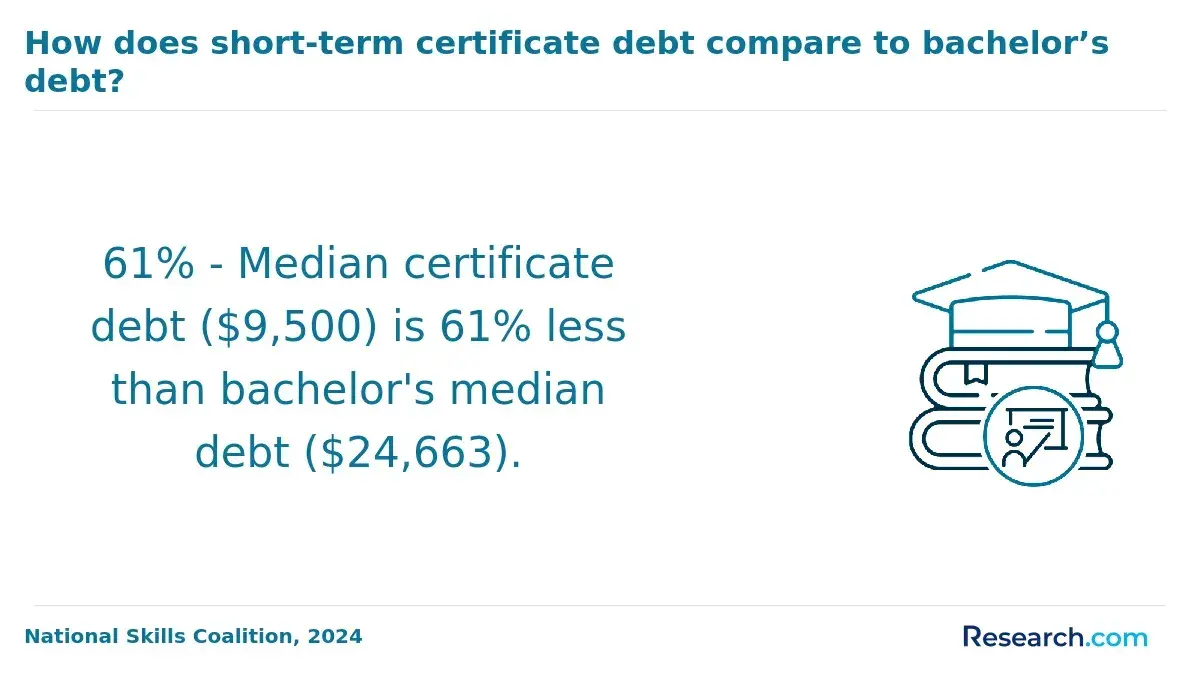
Choosing between an associate and a bachelor's degree in criminal justice involves significant tradeoffs in time, cost, and career trajectory. While associate degrees typically require about two years and cost between $10,000 and $40,000, bachelor's degrees demand closer to four years and $30,000 to $120,000, with accelerated online options reducing duration to three years for motivated students.
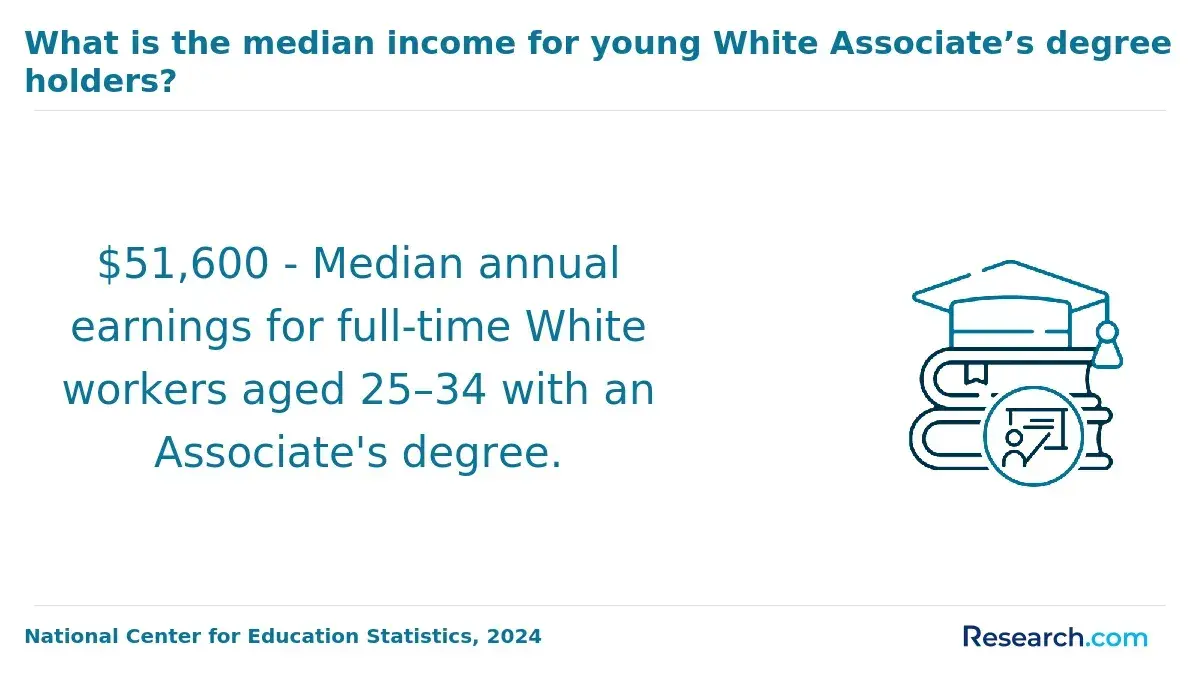
The practical implications become clear when examining federal pay scales: individuals with bachelor's degrees access GS-10 police officer pay grades of $80,000 to $90,000, whereas those holding associate degrees often remain at GS-7 levels with $49,000 to $55,000 salaries. This wage gap illustrates the financial returns of investing in higher-level credentials.
Online bachelor's programs offer flexibility to working adults but require discipline to avoid prolonging completion times and increasing total expenses. Additional costs like textbooks, technology fees, and licensing exams must also factor into the decision. Employer tuition assistance may help but typically hinges on clear alignment between the degree and job advancement goals within criminal justice fields.
For individuals targeting supervisory or federal roles, completing a bachelor's degree in three to four years presents a strategic advantage. Conversely, associate degrees suffice for entry-level local policing but limit upward mobility. Prospective students should weigh time, financial outlay, and expected pay scale improvements to determine the optimal path.
What certifications, training, or licenses enhance advancement in criminal justice roles?
Advancement beyond patrol roles in law enforcement hinges on carefully selected certifications and licenses that verify leadership and technical competence.
Mid-career officers targeting supervisory or investigative positions typically pursue credentials like Certified Law Enforcement Executive (CLEE) or CALEA accreditation, along with specialized training in incident command, crisis negotiation, or advanced investigations. These qualifications are not merely formalities but tangible indicators of skills prioritized by promotion boards and employers.
Officers must also navigate state-specific licensing requirements and often maintain ongoing in-service education to remain eligible for higher ranks. Specialized permits—such as concealed carry or narcotics handling certifications—can create competitive edges in promotion processes.
For instance, an officer in a technology-focused city might prioritize cybercrime training, whereas those in high gang activity areas would benefit from targeted gang enforcement credentials.
Market data reflects these distinctions in wage scales: base salaries rise from approximately $54,000 at patrol levels to over $105,000 for chiefs or sheriffs, reflecting the premium placed on certified expertise and leadership capacity. Without these focused credentials, officers risk career stagnation despite years of field experience.
How can prospective students evaluate and select a reputable online criminal justice program?
Selection of a criminal justice program demands more than checking accreditation; it requires scrutinizing faculty expertise, curriculum alignment, and hands-on experience opportunities. Programs staffed by instructors with doctoral credentials or substantial field backgrounds often reflect curricula tuned to employer needs and practical realities.
Curriculum design matters: courses addressing cybercrime, data analytics, or community policing mirror shifting law enforcement demands. Enrollment in programs with established internships or practicum placements enhances real-world readiness, critical for licensure and agency hiring where field experience outweighs theoretical knowledge.
Consider employment data cautiously—a graduate placement rate above 85% within six months often marks programs supplying relevant skills and networking leverage. For instance, sectors related to criminal justice maintained a civilian unemployment rate near 1.8% in 2019.
This contrasts sharply with variable licensure prerequisites across states, making it crucial to verify any program's compliance with local legal standards, particularly for law enforcement and probation roles.
Delivery mode also affects outcomes: fully asynchronous formats offer flexibility but may reduce mentoring chances, while synchronous settings facilitate interaction yet restrict scheduling. Cost analysis should weigh return on investment beyond tuition. Lower-priced programs without employer ties or field components may limit upward mobility.
Other Things You Should Know About Criminal Justice
Yes, practical experience is often essential for advancing beyond entry-level roles in criminal justice. Employers expect candidates to demonstrate applied skills gained through internships, law enforcement volunteer work, or related positions. When selecting an online program, prioritize those with integrated experiential learning or support connections to agencies that can facilitate hands-on experience, as degree coursework alone rarely suffices for promotion readiness.
Specializations significantly impact career trajectories and promotion potential. Fields like forensic psychology, cybersecurity, or homeland security align with high-demand sectors and enhanced advancement paths compared to general criminal justice studies. Choose a specialization that matches labor market trends and employer needs in your target region to maximize the return on investment in your degree.
Networking limitations in online programs can slow career growth since many criminal justice promotions rely on relationships and referrals. While some online degrees offer virtual networking events or professional groups, these often lack the depth and immediacy of in-person interactions. Prioritize programs with strong alumni networks and active career services to offset this gap and maintain access to professional connections crucial for advancement.
References
- Online Bachelor’s Degree in Criminal Justice https://www.monroeu.edu/academics/undergraduate-programs/school-criminal-justice/online-bachelors-degree-criminal-justice
- 15 Best Online Bachelor's In Criminal Justice https://www.criminaljusticedegreeschools.com/rankings/best-online-bachelors/
- Criminal Justice Certificate https://www.mchenry.edu/criminaljusticecertificate
- Advancing Your Career with Law Enforcement: Training, Skills, and Certification Programs https://www.goeis.net/post/law-enforcement-training-and-certification-programs
- Top Online Criminal Justice Degrees https://www.criminaljusticeprograms.com/online-criminal-justice-degrees/
- Earning a Criminal Justice Degree Online | University of Bridgeport https://www.bridgeport.edu/news/earning-a-criminal-justice-degree-online/
- Online Bachelor’s Degree in Criminal Justice | Warner Pacific https://www.warnerpacific.edu/programs/criminal-justice/
- AU – Careers Available to Graduates with A BA in Criminal Justice https://online.aurora.edu/program-resources/careers-for-a-bachelors-in-criminal-justice/
- Online Criminal Justice Degree & Career Information https://www.criminaljustice.com/online-degrees/
- Online Criminal Justice Degrees (Types, Benefits & FAQ) https://www.allcriminaljusticeschools.com/criminal-justice/criminal-justice-online-degree/