2027 Criminal Justice Salary Guide

Co-Founder and Chief Data Scientist
Professionals seeking advancement in criminal justice frequently confront a critical dilemma: balancing the demand for relevant credentials with the inflexibility of traditional program formats. The U. S. Bureau of Labor Statistics projects a 9% job growth for protective service occupations over the next decade, intensifying competition for positions that often require a bachelor's degree or specialized training.
Meanwhile, a recent National Center for Education Statistics report shows that 35% of adult learners prioritize flexible online offerings to accommodate work and family commitments. This shift demands careful consideration of program accessibility, cost, and industry recognition to avoid costly delays or dead-end qualifications. This guide outlines salary expectations across roles and education levels, helping readers align their investment with realistic career outcomes and strategic timing decisions.
Key Things You Should Know
- Median salaries for criminal justice graduates with a bachelor's have stagnated near $54,000 nationally in 2024, compelling candidates to weigh credential upgrades against costly delays and lost income over extended education timelines.
- Federal employer data shows advanced certifications boost hiring likelihood by 32%, but local agencies prioritize hands-on field experience, creating a persistent tradeoff between academic credentials and practical skills.
- Rising tuition inflation averaging 4.5% annually since 2020 pressures prospective students to evaluate accelerated programs' upfront costs against diminished long-term return on investment due to limited salary escalation.
What is a criminal justice salary guide?
Salary expectations in criminal justice roles hinge on distinct tradeoffs between entry-level accessibility and long-term earning potential, shaped by geographic and organizational variables. For instance, while police officers and detectives report a median wage of $70,030 annually as of May 2024, federal agents in GS-13 to GS-15 positions earn significantly more, between $130,000 and $175,000, reflecting advanced qualifications and specialized career tracks.
Such disparities underscore the importance of understanding average earnings for criminal justice professionals by state and the effects of overtime eligibility, agency resources, and local demand. Prospective workers must weigh direct entry into law enforcement against federal or supervisory roles that often require longer educational commitments but yield higher compensation and job security.
Employers calibrate offers based on these evolving salary trends in the United States, incentivizing additional certifications or degrees that translate into measurable pay premiums. Current personnel leverage updated wage data strategically for negotiations and advancement planning within increasingly competitive environments.
Students considering this field should analyze practical outcomes associated with different educational paths in relation to these salary benchmarks. Resources like criminal justice majors offer insights into program affordability and alignment with market realities, enhancing decision-making on career pivots or strategic specialization.
How much do criminal justice jobs pay?
Salary ranges for criminal justice jobs vary widely depending on experience and the size of the employing agency. Entry-level municipal law enforcement officers typically earn between $55,000 and $75,000, aligning with demand and budget constraints in mid-sized departments.
These figures illustrate the practical baseline for candidates assessing criminal justice job salary ranges in the United States, where initial compensation tends to be modest compared to the physical and psychological demands of the role.
With accumulated experience and rank advancement, pay increases to between $80,000 and $100,000, but progress can be slow due to capped pay scales and minimal step raises in many city budgets.
Officers aiming for higher earnings often need a five- to seven-year timeframe before reaching top-tier municipal salaries or must transition to federal agencies or specialized roles. These longer horizons and structural limits pose real workforce challenges for urgent financial stability.
State differences notably influence average earnings for criminal justice careers by state, requiring candidates to consider geographical tradeoffs carefully. Non-municipal paths like federal enforcement or private security consulting usually offer higher starting salaries but also involve additional clearances and qualifications that delay entry or add upfront costs.
Those evaluating career pivots within this field would benefit from reviewing resources such as the forensic science career pathway, which similarly involves balancing training investments against variable pay and advancement prospects.
What factors affect criminal justice salaries?
Criminal justice salary variations by state and role create tangible consequences for professionals deciding where to invest in their careers. Protective service roles averaged $45,450 annually, but this baseline masks significant gaps. For example, metropolitan forensic analysts earn up to 30% more than entry-level security personnel, amplifying the impact of specialization.
Urban centers like New York offer wages well above the national median due to higher living costs and operational demands, while rural areas often remain 15-25% below.
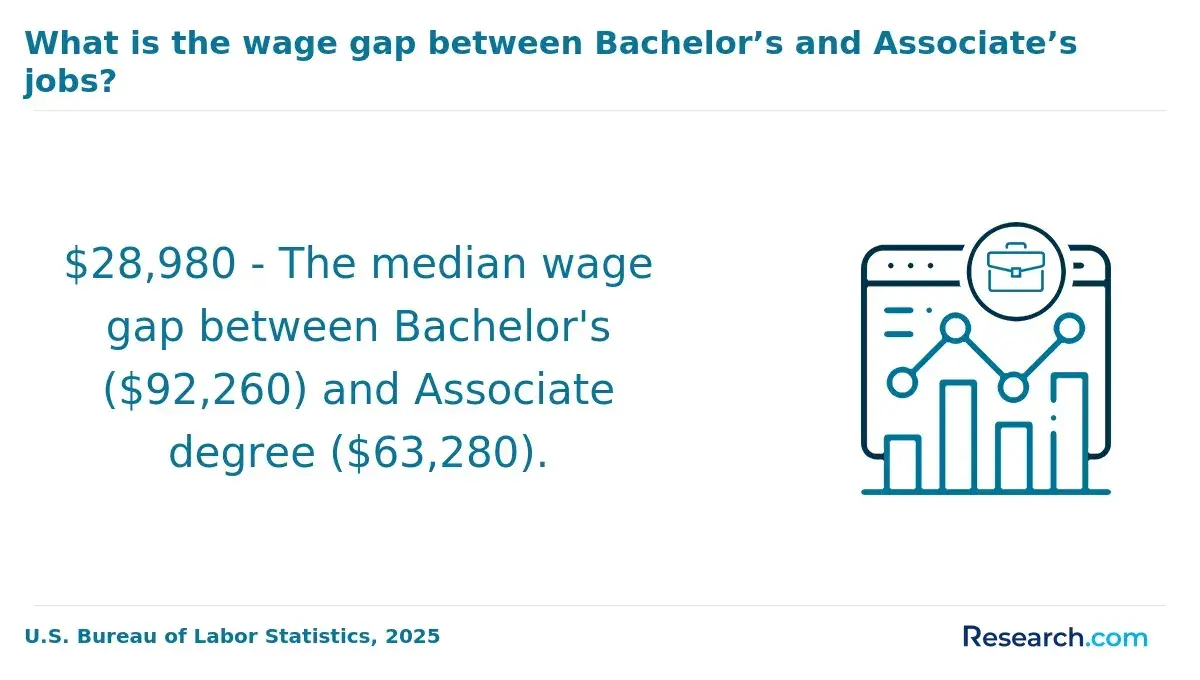
Education and experience compound these disparities. Those with associate degrees typically start near or below median pay, whereas bachelor's credentials combined with certifications in areas like digital forensics can boost wages by 10-40%.
Experience adds 15-35% over entry-level salaries after a decade, but salary growth stalls without further qualifications or promotions. This means professionals must carefully balance pursuing further education against geographic relocation or niche specialization to maximize earning potential amid budget and union constraints.
Understanding the impact of education and experience on criminal justice pay is critical for students and workers pivoting careers. Strategic decisions should weigh how credentials influence starting salary, advancement opportunities, and long-term compensation differences across states and roles.
For those exploring diverse academic routes, options like a Spanish online degree illustrate how choosing efficient, outcome-focused programs can reduce costs while enhancing employability in related fields.
Which criminal justice careers pay the most?
High-paying criminal justice careers in the United States concentrate around senior supervisory and specialized roles, particularly within corrections and probation services. Probation and parole officers earn a median salary of $64,520, compared to $51,000 for correctional officers, demonstrating a clear financial advantage tied to educational requirements and job functions.
Correctional officers typically enter with a high school diploma, while probation officers usually need at least a bachelor's degree, reflecting distinct entry barriers and workforce expectations in top criminal justice jobs with best salaries.
Progression into senior state or federal corrections positions can increase earnings to between $80,000 and $90,000; however, these roles often require years of relevant experience, specialized training, and sometimes security clearances. For example, a correctional officer advancing to a lieutenant or warden must assume administrative duties and manage complex institutional responsibilities beyond direct supervision.
Deciding between entry points involves weighing immediate accessibility against long-term earning potential, with employer preference frequently favoring candidates who combine degrees with demonstrable field expertise. Practical considerations include the interpersonal and case management skills probation officers employ during community-based supervision, highlighting divergent daily realities within criminal justice careers.
Strategic career planning may also incorporate allied educational pathways; for instance, students interested in quicker degree completion options might consider an architecture degree online as a comparative example of accelerated program structures applicable to their educational goals.
What degree do you need for criminal justice jobs?
A bachelor's degree in criminal justice remains the baseline credential for entry-level roles within law enforcement, corrections, and probation, but employers increasingly value specialized expertise that pairs practical skills with theory. Progression into supervisory or analyst positions typically requires a master's in criminal justice or related fields such as public administration, which correlates with higher salaries and broader responsibilities.
Federal agencies and corporate security entities prioritize degrees focused on cybersecurity, risk management, or compliance. For instance, corporate security managers often earn between $80,000 and $150,000 annually, illustrating how targeted academic backgrounds align with job market demands and risk mitigation strategies.
Compliance officer roles demand in-depth knowledge of regulatory frameworks and ethics, with median salaries starting at $75,000, but credentials like industry certifications rarely replace formal degrees in competitive scenarios.
Associate degrees typically channel graduates into support or technical roles with limited advancement options unless supplemented by further education. Police academy entry can override degree requirements for base-level law enforcement jobs but caps upward mobility without a bachelor's degree. Leadership, investigative, and analyst roles effectively require graduate-level education.
Key decision factors include program accreditation and curriculum balance-practical areas such as data analysis, criminal law, and ethical decision-making translate into career flexibility. Prospective students must weigh upfront educational costs against sustained earnings potential grounded in government workforce data and industry insights.
Is an online criminal justice degree respected by employers?
Employers prioritize verified skills and applicable certifications over whether a criminal justice degree was earned online or in person. For example, intelligence analyst roles, which often pay between $85,000 and $147,000 annually, reward candidates demonstrating operational competence and contextual knowledge, not just academic credentials. This creates a practical imperative: candidates must supplement online degrees with internships, federal training, or law enforcement experience to compete effectively.
Agencies require more than coursework; they expect hands-on expertise and security background checks. Programs that lack rigorous integration of emerging technologies, like data mining, cybersecurity, or forensic software-may leave graduates at a disadvantage despite accreditation. Employers also weigh program reputation and graduate success rates as indicators of workforce readiness.
Prospective students should critically assess online programs based on:
- Accreditation from recognized bodies such as the Council on Criminal Justice Education.
- Use of up-to-date software, legal frameworks, and analytical methodologies.
- Availability of internships, mentorship, and networking with criminal justice agencies.
Choosing an online program involves balancing logistical constraints-such as working while studying-against the necessity for experiential learning that builds practical qualifications. The key tradeoff lies in selecting a pathway that maximizes accessibility without sacrificing meaningful career connections or the skills valued by employers.
How do you choose an accredited criminal justice program?
Selecting a criminal justice program without verified institutional accreditation risks graduating from a credential that employers may discount. Regional accreditation or recognition by bodies like the Council on Criminal Justice Education confirms that curricula meet essential quality and ethical standards. Specialized accreditation from entities such as the Academy of Criminal Justice Sciences can further validate program rigor.
Prospective students face meaningful tradeoffs between theoretical depth and practical experience. Those targeting federal law enforcement roles should prioritize programs offering internships or partnerships with agencies, as these connections tangibly improve employability. Conversely, aspiring academics need curriculum with robust research components, reflecting the specialized demands and salary norms found in postsecondary teaching roles.
Program delivery modes also shape accessibility and degree value. Asynchronous online options serve working professionals but must maintain parity in graduation criteria and accreditation to ensure market legitimacy. Evaluating graduate employment data and state licensure compatibility is critical for roles requiring certification or peace officer status. Additionally, assessing credit transfer policies mitigates costly delays during mid-career transitions.
Beware of accelerated programs that forgo comprehensive fieldwork or faculty expertise; such shortcuts compromise preparation for criminal justice's operational complexities and reduce competitiveness. Transparency about employment outcomes and aligning program features with specific career goals prevent costly misalignments, ensuring that educational investment translates into long-term professional returns.
What courses are in a criminal justice degree?
Choosing courses in a criminal justice degree requires prioritizing practical skills aligned with intended roles rather than simply accumulating credits. For example, candidates pursuing law enforcement should focus on policing strategies, evidence handling, and tactical decision-making-areas that have immediate operational relevance.
Conversely, those aiming for research, policy, or academic positions benefit more from criminology and ethics coursework that sharpen analytical rigor and understanding of systemic influences. Employers in both spheres increasingly expect candidates to demonstrate competence in law enforcement technologies and applied internships, underscoring a tradeoff between classroom theory and hands-on experience.
Core subjects include criminal law for legal compliance awareness, criminology to study crime causality, and corrections to understand institutional management. Advanced electives like forensic science provide essential skills for investigative roles requiring technical precision. Students must weigh the workload and scheduling complexities associated with simulations and fieldwork, which are time-intensive but critical for employability in many agencies.
From a workforce perspective, salary data from Canada in mid-2025 reports average total pay near $70,000 annually for criminal justice officers, with top earners surpassing $110,000.
This range suggests that comprehensive curricular choices can directly affect earning potential by aligning skillsets with evolving employer demands. Choosing a program that balances practical internship opportunities and focused coursework often yields better job readiness and career mobility in a competitive field.
How long does a criminal justice degree take?
Completing a bachelor's degree in criminal justice generally requires four years of full-time study, forming the baseline credential for many entry-level roles. Accelerated three-year programs condense this timeline but often impose heavier course loads, which can be challenging for working adults.
Associate degrees take about two years and tend to funnel students into support positions like correctional officers or probation aides, yet these credentials limit upward mobility in legal or judicial careers.
Those pursuing legal professions such as attorneys face a much longer trajectory, requiring a bachelor's degree plus three years of law school, followed by passing the state bar exam. Judges typically need even more extensive experience after law school, reflecting median salaries near $109,000. This longer educational path often means delayed earning potential and higher upfront costs.
Key workforce considerations include:
- A two-to-four-year degree allows earlier entry but usually offers lower median salaries - for example, police officers or paralegals versus legal practitioners earning around $115,000.
- Part-time or online options can extend the timeline but offer flexibility for working students balancing education with existing responsibilities.
- Licensing exams and internships vary regionally and by specialty, emphasizing the importance of integrating practical experience alongside academics to meet employer expectations.
What is the job outlook for criminal justice careers?
Job prospects in criminal justice remain stable, fueled by consistent public funding and ongoing operational demands across law enforcement, corrections, and judicial sectors. However, employment volatility varies by role and region: urban police agencies often grapple with higher turnover influenced by social dynamics and budgeting, whereas state and federal corrections maintain steadier hiring due to sustained incarceration levels and regulatory obligations.
Educational credentials carry significant weight in this landscape. Specialized certifications such as forensic analysis or advanced tactical training offer clear advantages in a competitive market increasingly focused on skill diversification. Conversely, candidates with only basic qualifications may face limited mobility, especially within jurisdictions requiring extensive field experience or higher education.
Real-world employer demands prioritize candidates who can rapidly fulfill operational roles with minimal additional training. Those with military or related work experience frequently receive preference, reflecting a practical approach to workforce readiness. Prospective students should carefully evaluate the tradeoff between accelerated certification programs that speed entry versus more comprehensive degree paths that may open broader opportunities but require greater time and resources.
Understanding regional hiring patterns and employer expectations is essential. For example, a candidate targeting federal corrections should focus on compliance and administrative credentials, while those aiming for urban policing must be prepared for fluctuating budgets and community-specific challenges.
Other Things You Should Know About Criminal Justice
In 2027, criminal justice salaries are influenced by location, experience, education level, and job specialization. Urban areas often offer higher salaries due to cost of living. Specialized roles, such as forensic analysts or cybercrime specialists, typically command higher pay. Higher education levels, such as a master's degree, can also significantly increase salary potential.
Specializations such as cybersecurity, forensic analysis, or corrections administration can lead to faster salary growth compared to generalist criminal justice roles. Employers expect candidates to have up-to-date technical skills and certifications tied to their niche, which affects both entry-level opportunities and promotion pathways. Candidates should select specialization areas aligned with market demand and their long-term career goals rather than opting for the broadest possible focus.
While experience remains crucial, most leadership roles require at least a master's degree in criminal justice or a related field combined with significant field experience. An advanced degree signals strategic thinking, research ability, and management training that agencies increasingly demand. If career advancement into supervisory or policymaking positions is a priority, investing in graduate education is advisable alongside continuous professional development.
The criminal justice field generally involves high stress and irregular hours, especially in law enforcement and corrections roles, which affect job retention and satisfaction. Candidates should assess their capacity for shift work, exposure to traumatic situations, and emotional resilience before committing. Prioritizing roles with balanced workloads and strong organizational support systems improves sustainability and career longevity.
References
- Explore Bachelor's Degree in Criminal Justice | All Criminal Justice Schools https://www.allcriminaljusticeschools.com/criminal-justice/criminal-justice-bachelors-degree/
- Jobs with a degree in Criminal Justice | Monroe University https://www.monroeu.edu/academics/undergraduate-programs/school-criminal-justice/what-can-you-do-criminal
- Bachelor’s in Criminal Justice Salary Guide| University of Bridgeport https://www.bridgeport.edu/news/bachelors-in-criminal-justice-salary-guide/
- How to choose a bachelor's in criminal justice | edX https://www.edx.org/resources/how-to-choose-a-bachelors-in-criminal-justice
- Top Online Criminal Justice Degrees https://www.criminaljusticeprograms.com/online-criminal-justice-degrees/
- Criminal Justice Salary Guide: What Every Career Actually Pays in 2026 https://policeofficer.org/criminal-justice-salary/
- Top 10 Highest Paying Criminal Justice Careers - Best Colleges Online https://www.bestcollegesonline.org/highest-paying-jobs/top-10-criminal-justice-careers/
- Guide To Criminal Justice Degrees And Majors https://www.criminaljusticedegreeschools.com/degrees/
- Criminal Justice Careers | Accredited Schools Online https://www.accreditedschoolsonline.org/criminal-justice-degree/careers/