2027 Criminal Justice Skills Most Commonly Mentioned in Job Postings

Co-Founder and Chief Data Scientist
Facing a sudden shift in hiring priorities, many professionals aiming for roles in criminal justice find themselves stalled by a disconnect between their existing skills and what employers demand.
For instance, 67% of criminal justice job postings now emphasize digital evidence management and data analysis capabilities, a rise tied to expanded online crime reporting and forensic technologies, according to recent labor market analytics from the Bureau of Labor Statistics. This trend challenges traditional career paths and requires timely adaptation to avoid obsolescence.
This article identifies the most commonly mentioned skills in criminal justice job listings, equipping readers to align their development strategies with current workforce requirements.
Key Things You Should Know
- Data from the U.S. Bureau of Labor Statistics shows employers increasingly prioritize digital forensics skills over traditional investigative techniques, forcing candidates to balance steep upskilling costs with competitive hiring advantages in cybercrime roles.
- The National Institute of Justice reports a 38% rise in demand for intercultural communication proficiency, requiring practitioners to navigate complex workforce diversity without compromising technical expertise, reshaping recruitment criteria.
- Analysis of 2024 job listings reveals a median six-month certification gap hampers entry-level candidates, extending time-to-employment and prompting employers to prefer candidates with faster credentialing pathways or in-field experience.
What core criminal justice skills are most frequently required in entry-level job postings?
Entry-level criminal justice roles demand a precise combination of communication, critical thinking, and procedural expertise to ensure effective performance and legal compliance. Employers prioritize candidates who demonstrate strong verbal and written skills, enabling accurate incident reporting and professional interaction with courts, colleagues, and the community.
With a workforce surpassing 1 million jobs and a projected 5% growth by 2034, mastering these criminal justice skills employers seek in entry-level roles is essential for navigating competitive hiring environments.
Technical knowledge in legal terminology, evidence handling, and arrest protocols directly influences an applicant's ability to uphold case integrity. For example, a patrol officer's capacity to maintain chain-of-custody for evidence can determine success in both court proceedings and employment selection.
Additionally, digital literacy, including familiarity with database software and body camera technology, has become integral to meet evolving law enforcement demands.
Candidates must also balance interpersonal adaptability, such as de-escalation and conflict resolution, with strict procedural adherence to reduce organizational liability and foster public trust. These attributes form the core of the most demanded entry-level criminal justice competencies.
Prospective students evaluating educational options should carefully weigh the benefits of an accredited online criminal justice associate degree, which provides foundational skills aligned with current employer expectations while accommodating working professionals' schedules and learning styles.
Which specialized criminal justice competencies are employers prioritizing across different job roles?
Employers prioritizing specialized criminal justice skills demanded by employers increasingly seek candidates who blend technical proficiency with situational awareness. For instance, mastery of Geographic Information Systems (GIS) to analyze crime patterns enables law enforcement to allocate resources proactively, a capability distinguishing officers beyond routine patrol duties.
Protective service roles focus heavily on conflict resolution and crisis intervention certifications, responding to the professional challenges of community-centered policing.
In federal and private sectors, cybercrime investigation necessitates sophisticated knowledge of legal frameworks and advanced malware analysis. Corrections professionals face unique pressure to apply inmate behavior management and restorative justice to improve safety and reduce recidivism. Without these focused competencies, candidates risk stagnating in a labor market where dynamic technical and interpersonal skills dictate employability.
Soft skills remain a universal baseline; clear report writing and oral communication affect how judicial and administrative bodies interpret case data. Employers also value grant writing and policy development experience, supporting agency sustainability and reform. This linkage means choosing educational paths that address both practical law enforcement techniques and ancillary skills is essential.
Evaluating an educational route, such as an accelerated paralegal program online, can offer targeted legal training valuable for criminal justice roles emphasizing investigative and policy proficiency. Recognizing these key competencies for criminal justice job roles helps candidates align skill acquisition with sector demands and evolving workforce expectations.
How do required criminal justice skills differ between law enforcement, courts, and corrections careers?
Criminal justice career skills by sector reflect fundamentally different operational demands and employer priorities, making broad credentials insufficient for targeted employment outcomes. Law enforcement professionals must excel in tactical decision-making and stress communication while demonstrating de-escalation and cultural competency, skills vital for urban officers navigating complex social dynamics.
Courts personnel, conversely, require rigorous procedural knowledge, legal communication, and detail orientation to maintain evidence integrity and case flow, emphasizing cognitive over physical skill sets. Corrections roles center on behavioral management, conflict resolution, and compliance monitoring within secure environments, balancing enforcement with rehabilitation goals.
This differentiation shapes workforce trajectories and educational choices; prospective students evaluating a criminal justice career should understand these nuances to align skill acquisition with sector-specific expectations. For example, those pursuing roles in corrections might integrate mental health awareness training, whereas law enforcement candidates benefit from scenario-based tactical preparation.
This differentiation impacts wage potential as well: median advertised wages increased from $56,000 to $76,000 between 2021 and 2024, reflecting sector demand for specialized competencies beyond generic credentials.
Evaluating differentiating skills needed for law enforcement courts and corrections jobs helps clarify these distinct pathways. This analysis supports informed decisions about educational investments, whether pursuing targeted certificates or advanced degrees.
To deepen expertise with practical applicability, some students explore options like an online forensic psychology masters, which complements behavioral and rehabilitative skills valuable especially in corrections settings.
What education and degree levels are most commonly requested for criminal justice skill sets?
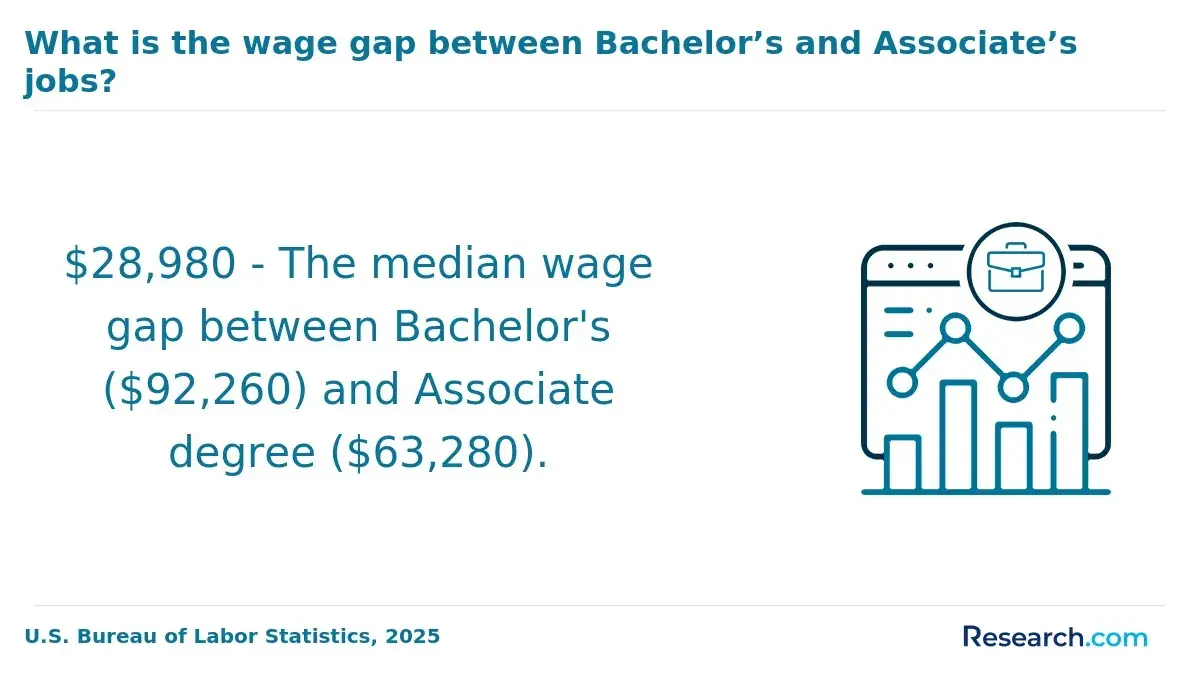
Bachelor's degrees dominate education requirements for criminal justice careers in the United States, particularly for frontline roles such as police officers, detectives, and federal agents. About 60-70% of job postings specify a bachelor's degree in criminal justice, law enforcement, or related social sciences as a minimum.
This preference aligns with law enforcement agencies' prioritization of candidates equipped with legal knowledge, ethics, and investigative skills, directly influencing starting salary levels and leadership prospects.
Associate degrees provide access to some entry-level positions, mostly in smaller agencies or support roles like corrections and dispatch. However, these roles come with tradeoffs: notably lower starting wages and fewer advancement opportunities. While certification programs or academy training can enhance qualifications, they rarely substitute for the foundational competencies a bachelor's degree offers.
Master's degrees tend to be valued in specialized or administrative functions, like policy development, forensic analysis, and upper management, where work experience combined with a solid foundational degree outweighs advanced degrees without practical fieldwork.
Given job growth projections of 3% and 62,200 annual openings in police and detective roles, students should weigh education costs and time against employment outcomes. For example, bachelor's degree holders access a median annual wage of $77,270 as of May 2024. Those pursuing associate degrees face longer routes or additional credentials to bridge salary and promotion gaps.
Prospective students considering a strategic career pivot in criminal justice should also explore related educational opportunities such as online electrical engineering degree programs for veterans when evaluating technical skill development pathways alongside law enforcement roles.
How do online criminal justice programs teach the skills employers mention in job ads?
Online criminal justice programs focus on delivering employer-valued skills through competency-based curricula that prioritize practical application over theoretical study. Core learning outcomes are tightly aligned with workforce demands, including investigative techniques, legal research, conflict resolution, and data analysis.
For example, students engage with simulated case studies and digital evidence tools that mimic real investigative workflows, ensuring immediate relevance to law enforcement and legal environments.
Soft skills such as communication and ethical decision-making are embedded through virtual group projects and scenario-based role plays simulating courtroom or negotiation contexts. These exercises prepare students for workplace collaboration and clear reporting, which significantly affect career trajectories in the field.
A key tradeoff in online formats is the absence of hands-on physical training typical in traditional programs. Students must independently secure internships or field placements to gain competencies like tactical operations or on-site crime scene processing, which can extend timeframes and require proactive planning.
To meet employers' rising demand for digital literacy, coursework often covers criminal databases, cybercrime fundamentals, and statistical software. This tech emphasis reflects labor market trends, such as California's MDCP region projecting a 12% job growth and average earnings near $114,738 for experienced professionals. Graduates with combined scenario-based training and digital proficiency are better positioned to navigate this evolving landscape.
Which technical and digital skills in criminal justice are showing the fastest growth in demand?
The technical skill set driving demand in criminal justice job markets is shifting decisively toward digital forensics, cybersecurity, and data analytics. Agencies prioritizing cybercrime investigations require expertise in tools such as EnCase and FTK, while proficiency in SQL, Python, and GIS is increasingly fundamental for crime pattern recognition and predictive policing.
This emergence reflects a broader evolution where officers must manage both the technical challenges of securing data infrastructure and the investigative complexities of digital evidence.
Career trajectories illustrate stark differences in application: federal agents tackling transnational cybercrime need advanced certifications in cybersecurity alongside forensics capabilities, whereas municipal detectives may rely more on crime mapping and data-driven case management. The evolving legal environment for digital evidence and limited access to practical training tools pose ongoing hurdles, especially in smaller jurisdictions with constrained budgets.
Employers value candidates who blend investigative acumen with IT knowledge, emphasizing a multidisciplinary profile. Salary data indicate a premium for this hybrid expertise, with federal agents at GS-12/13 earning roughly $85,000 to $115,000 annually, including LEAP incentives, and supervisory roles at GS-14/15 exceeding $130,000.
These figures reflect how integrating technical skills with criminal justice education can influence recruitment and compensation decisions, as reported by BLS data.
How do soft skills like communication and ethics impact hiring in criminal justice fields?
Employers in criminal justice increasingly filter candidates by their ability to communicate effectively and adhere to stringent ethical standards, not just their technical expertise.
The demand for investigators who produce clear, legally sound reports and for cybercrime specialists who distill complex data for nontechnical audiences reflects a market prioritizing transparency and accountability. Ethical lapses can fatally undermine investigations and damage agency reputations, especially in digital evidence handling or community-facing roles.
The projected 28.5% employment growth in cybercrime and tech-related criminal justice fields intensifies this expectation for candidates to integrate soft skills with certifications. For example, cybersecurity investigators must protect confidential data while conveying findings precisely to law enforcement and regulatory agencies.
Employers often rely on behavioral interviews and real-world scenario assessments to measure communication style and ethical judgment, sidelining those who lack these competencies regardless of background.
Practical hiring outcomes hinge on recognizing the tradeoff between technical knowledge and interpersonal integrity. Candidates unable to maintain ethical transparency under pressure risk disqualification despite having credentials. Advising prospective students and professionals involves emphasizing experiential learning like internships or simulations that mimic operational decisions and ethical dilemmas, thereby better aligning preparation with employer standards and frontline realities.
What certifications or training programs strengthen the most sought-after criminal justice skills?
Certifications aligned with employer priorities distinctly improve competitiveness in criminal justice roles, particularly when paired with a bachelor's degree. For example, holders of the Certified Criminal Investigator (CCI) or Certified Protection Professional (CPP) credentials benefit from enhanced job prospects and median earnings near $45,410 for younger adults with related degrees.
However, candidates must consider the practical implications of each certification's acceptance, cost, and required time commitment, since not all credentials hold uniform value across states or agencies.
Tactical training programs such as Advanced Law Enforcement Rapid Response Training (ALERRT) address increasing employer demand for actionable skills in scenarios like active shooter responses, reflecting real requirements in campus safety and municipal departments. Cybercrime investigation certificates meet jurisdictional gaps in digital forensics as law enforcement adapts to expanding technology challenges.
Certifications function best as proof of applied expertise rather than mere résumé additions. For instance, a probation officer equipped with Substance Abuse Counseling certification is positioned to manage caseloads effectively, mitigating recidivism. Yet, without relevant field experience, many certifications offer limited career advancement.
Strategic planning is necessary. Weighing credential recognition by accrediting bodies and balancing costs against prospective income gains is critical. Early integration of certifications during a bachelor's program can significantly expand role flexibility and earning potential within evolving criminal justice sectors.
How can prospective students evaluate if a criminal justice program builds in-demand skills?
Employers increasingly demand that criminal justice programs deliver specific, applicable skills rather than broad theoretical knowledge. For example, federal law enforcement candidates benefit from programs with advanced digital forensics and counterterrorism courses, while those seeking roles in probation or community service should focus on rehabilitation techniques and social justice frameworks.
Aligning curriculum with employer expectations, including data analysis, investigative methods, cybercrime awareness, and law enforcement technology, is essential to avoid gaps between academic preparation and workplace realities.
Evaluating a program's connection to the job market means scrutinizing partnerships that provide internships or practicum experiences, along with verified graduate employment outcomes. Without these, students risk lacking practical exposure and professional networking opportunities critical for competitive hiring in an evolving field.
The split between theory and applied skills should be assessed carefully, as programs overly centered on academic content may underprepare graduates for operational demands like crime scene management and legal documentation.
The average total cost for a criminal justice bachelor's degree is about $50,400, per National University's 2024 higher education cost analysis; prospective students must weigh this against programs' reputations, skill relevance, and graduate success data. Working professionals may find value in part-time options offering focused certificates to reduce opportunity costs and enhance return on investment.
This evidence-focused method grounds choices in verifiable competencies critical to advancing within criminal justice professions.
How do the criminal justice skills listed in postings affect salary and career advancement?
Skill mastery in criminal justice fundamentally shapes salary outcomes and career trajectories by aligning workforce capabilities with specific employer requirements.
For instance, police officers in New York State see median earnings around $93,050 annually, yet those proficient in niche areas like digital forensics or crisis negotiation can access supervisory or specialized unit roles where pay climbs substantially, with top earners nearing $117,000. Such disparities reveal how geographic and skill-based factors intersect to create distinct financial incentives.
Employer demand varies with operational context and local crime trends, meaning urban officers benefit more from expertise in community policing and de-escalation, while rural professionals gain advantage through multi-agency coordination and resource management skills. This divergence necessitates deliberate skill selection rather than broad, unfocused credential accumulation, which often dilutes perceived expertise.
Professionals aiming for advancement do well to prioritize certifications tied to emerging challenges such as cybercrime investigation and integrated reporting systems. Doing so offers measurable leverage during salary negotiations, provided there is sustained commitment to keeping pace with evolving law enforcement technologies and protocols. Failing to specialize risks stagnation amid competitive applicant pools.
Other Things You Should Know About Criminal Justice Degrees
In 2027, job postings for criminal justice roles frequently highlight skills such as data analysis, cybersecurity, and effective communication. There is a strong emphasis on proficiency with technology, understanding legal standards, and problem-solving, indicating the dynamic nature of the field and the need for versatile professionals.
Entry-level job postings typically ask for foundational knowledge and basic applied skills, but supervisory and specialized roles expect advanced analytical ability, leadership, and strategic decision-making. Employers often interpret advanced skills as evidence of practical experience and critical thinking rather than just academic achievement. Prioritizing work experience and measurable accomplishments alongside formal education improves outcomes more than focusing solely on credential accumulation.
Recent graduates frequently lack proficiency in data management tools, report writing under pressure, and situational judgment used in real cases. Job postings reveal a demand for practical application skills rather than just theoretical knowledge. Candidates should seek programs or internships offering hands-on experiences that mirror workplace conditions to bridge these gaps and increase immediate employability.
While certifications signal specialized knowledge, practical experience often weighs heavier in hiring decisions within criminal justice fields. Certifications add value mainly when paired with relevant work history or field placements. For those entering the field, prioritizing internships, volunteer roles, or entry-level jobs before or alongside certification can yield stronger career momentum.
References
- The Value of a Criminal Justice Degree: Skills, Evolution, and Degree Pathways | University of Arkansas Grantham https://www.uagrantham.edu/blog/the-value-of-a-criminal-justice-degree/
- Jobs with a degree in Criminal Justice | Monroe University https://www.monroeu.edu/academics/undergraduate-programs/school-criminal-justice/what-can-you-do-criminal
- Soft Skills' Impact in Law Industry: Enhancing Professional Success https://www.talentlens.com/blogs/legal-profession-soft-skills.html
- Guide To Criminal Justice Degrees And Majors https://www.criminaljusticedegreeschools.com/degrees/
- Criminal Justice Jobs - June 2026 - The High Court https://thehighcourt.co/criminal-justice-jobs/
- Criminal Justice vs. Criminology| University of Bridgeport https://www.bridgeport.edu/news/criminal-justice-vs-criminology/
- Criminal Justice Degree Program Courses & Skills https://www.aiuniv.edu/degrees/criminal-justice/articles/courses-to-take-and-skills-to-study-in-a-criminal-justice-degree-program
- Careers in Criminal Justice https://www.warnerpacific.edu/blog/careers-in-criminal-justice/