2027 Online Criminal Justice Degrees With the Best Value for Mid-Career Adults

Co-Founder and Chief Data Scientist
Mid-career professionals in criminal justice often confront a stark barrier: advancing their qualifications without sacrificing current employment or family commitments. Over 60% of adult learners now prefer fully online degree options according to the National Center for Education Statistics, highlighting a shift towards flexible education models designed to fit irregular schedules.
However, not all online programs deliver comparable rigor or employer recognition, complicating one's return on investment. This dilemma intensifies for those seeking meaningful career mobility amid tightening hiring standards and evolving law enforcement and legal environments.
This article identifies the best-value online criminal justice degrees that align with real-world constraints and professional goals, enabling informed choices for career advancement.
Key Things You Should Know
- Mid-career students face a cost-duration tradeoff: programs averaging 24-30 months with $15,000-$25,000 tuition yield faster re-entry but limit advanced specialization crucial for leadership roles, per NCES 2024 data.
- Employers increasingly prioritize accredited online degrees with practical simulation labs, a shift confirmed by the 2024 Bureau of Labor Statistics survey indicating a 27% hiring preference for hands-on experiential credentials.
- Time-to-completion strongly impacts wage growth trajectory; Georgetown Center on Education reports a $7,500 median annual salary premium realized only after degrees finish within three years, highlighting access and scheduling as strategic filters.
What makes an online criminal justice degree a good value for adults?
Mid-career adults evaluating online criminal justice degree affordability must weigh program relevance against workforce outcomes. Degrees that emphasize applied skills like legal research, forensic analysis, and case management better position professionals for tangible advancement in public safety sectors. For instance, an officer enrolled in an accredited program incorporating scenario-based training can move into supervisory roles demanding evidence-based judgment more smoothly than through a purely theoretical curriculum.
Employers expect clear alignment between academic content and on-the-job competencies, making accreditation and transparent graduate outcomes crucial decision points. Prospective students should assess job placement rates and employer feedback to avoid programs offering credentials with limited market value.
The U.S. Bureau of Labor Statistics projects a 3% growth and about 64,500 annual job openings for police and detectives, sustaining opportunities for promotion and lateral movement through relevant degrees.
Financial practicality influences completion odds for working adults balancing multiple commitments. Programs with streamlined credit transfers, asynchronous courses, and competency-based assessments reduce time-to-degree and income loss. Conversely, excessive general education or unrelated electives can inflate costs without improving prospects.
Understanding the career advancement benefits of online criminal justice programs depends on how well they integrate practical training, employer needs, and flexibility. Additional insights into program costs and structures can be accessed via criminal justice degree online cost.
Which criminal justice schools have the strongest accreditation?
Employers and federal agencies explicitly require criminal justice degrees from regionally accredited institutions that also hold specialized recognition from the Academy of Criminal Justice Sciences (ACJS). The combination of these accreditations ensures rigorous alignment with law enforcement, judicial, and corrections standards, which directly impacts graduate eligibility for public safety roles and federal security clearances.
Choosing programs without this dual accreditation carries clear consequences: employers may reject credentials, professional certifications like the Certified Protection Professional (CPP) become unattainable, and pursuing advanced degrees can be more difficult.
For instance, a mid-career federal law enforcement officer seeking upward mobility must prioritize degrees from top criminal justice schools with regional accreditation and ACJS endorsement to meet strict agency hiring and clearance requirements.
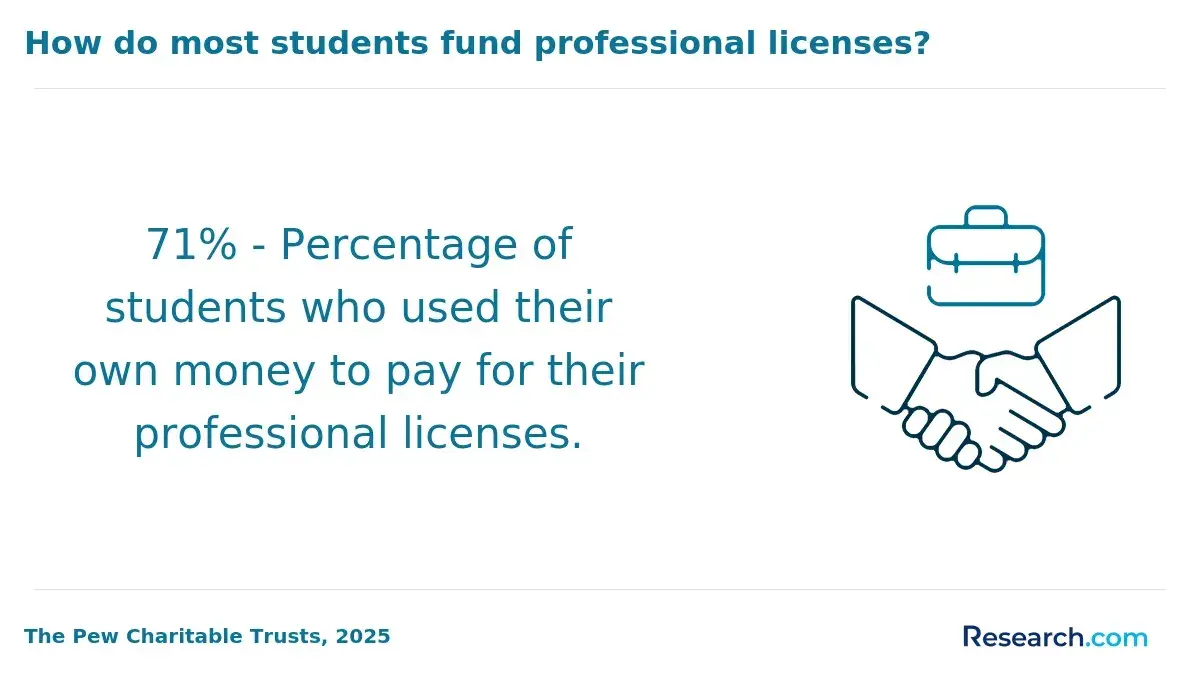
Cost is a significant consideration for mid-career adults balancing work and study. Accredited online programs offering valid credentials typically average around $10,000 annually—about half the price of traditional on-campus options, according to NCES data reviewed by BestColleges. This explains why verifying accreditation is a practical necessity, as quality online degrees deliver the same recognition with added scheduling flexibility.
Prospective students aiming for practical career impact should confirm regional and ACJS accreditation status directly on university websites and through ACJS to ensure degree relevance for evolving workforce demands. For those evaluating affordable ABA paralegal programs or considering the best accredited online criminal justice programs, this due diligence is critical.
How do online and campus criminal justice programs compare?
Choosing between online and campus criminal justice degree benefits requires assessing real-world constraints and career objectives more than generalizations. Mid-career students often gravitate toward online programs for their flexibility.
Southern New Hampshire University's 2025 data indicates students can transfer up to 90 prior learning credits, potentially cutting required coursework by 75%, thus accelerating degree completion while maintaining employment. Such flexibility aligns with the modern workforce's needs but may trade off the immersive, hands-on training typically found in campus settings.
Campus programs still hold an edge for roles demanding direct field experience, like probation officers, where access to training facilities, internships, and mentorship strongly influences employability. Conversely, online curricula use virtual labs and asynchronous interaction that might not fully replicate these benefits, though they serve well for policy analysts or criminologists working remotely who prioritize upskilling efficiently.
Employers in law enforcement, corrections, and legal sectors generally accept accredited online degrees, but the value placed on practical experience varies widely.
Decision-making hinges on weighing time investment against specialization and access to internships—typically more supported on campus—alongside financial factors such as tuition savings from prior credit transfer.
For students evaluating options, understanding employer expectations within their target sector and planning for practicum requirements is critical. Those interested in areas intersecting psychology and law enforcement should consider programs like a forensic psychology degree that integrate relevant competencies.
What coursework is included in a criminal justice degree?
Criminal justice degree coursework targets operational competencies essential for workforce integration across law enforcement, courts, corrections, and criminology. For mid-career adults specifically, the curriculum balances foundational legal studies with practical applications like procedural accuracy and ethical judgment, recognizing employer demands for graduates who can navigate complex statutory environments without extensive on-the-job training.
Programs frequently incorporate data analysis and research methods, equipping students with skills to assess crime trends and policy effectiveness—a critical edge for those aiming to shift into supervisory or federal roles.
Students evaluating online criminal justice degree coursework should prioritize programs offering authentic internships or simulations tied directly to the justice system to ensure applicability beyond theory.
Tuition rates markedly affect access; for example, Kennesaw State University's $190 per credit rate for 2025-26 provides a cost-effective pathway for adults balancing work and education, a significant consideration given the need for ongoing certifications in the field. Understanding these financial tradeoffs is vital for professionals considering upward mobility or lateral transitions.
Course offerings tailored to mid-career students often highlight organizational management and constitutional law, reflecting the sector's increasing focus on civil rights and leadership capacity. Attention to these specialized classes supports readiness for roles demanding both legal knowledge and strategic oversight.
Additionally, comparable pathways in related fields may offer updated insights, such as the best online cybersecurity degree programs for veterans, revealing the growing intersection between criminal justice and digital security domains.
What admissions requirements do adult learners need?
Admission criteria for online criminal justice degree programs emphasize prior educational attainment and practical experience over traditional testing metrics. Applicants typically must hold a high school diploma or equivalent, with many institutions requesting official transcripts from previous postsecondary coursework, particularly when transferring credits or pursuing accelerated bachelor's completion tracks aimed at working adults.
Practical experience often substitutes for standardized tests like the SAT or ACT, reflecting employer preferences for real-world competencies over academic scores.
Programs increasingly require a personal statement addressing career objectives, helping institutions evaluate candidate suitability beyond transcripts. A mandatory criminal background check arises from employment realities in fields such as law enforcement, where disqualifying records directly impact licensure and job prospects. This gatekeeping function can significantly affect return on investment and post-graduation employability.
Financial planning is vital. Given median salaries—around $76,250 for police officers and $58,940 for correctional officers, according to the U.S. Bureau of Labor Statistics—students must pragmatically assess tuition costs against potential earnings uplift. Many applicants leverage veteran or workforce development benefits to offset expenses.
Success also hinges on navigating asynchronous course delivery and mastering online learning platforms while balancing professional and family commitments. Reliable internet access and digital literacy are non-negotiable for degree completion, especially when accelerating through credit transfers or working mid-career.
How long does an online criminal justice degree take?
Completion time for an online criminal justice degree varies significantly based on enrollment status, transfer credits, and program structure, factors that deeply influence career trajectory and economic return. Associate degrees typically require two years full-time, while bachelor's programs extend to four; accelerated tracks or transferable credits can shorten this to 18-24 months, crucial for mid-career adults balancing professional demands.
Transfer credits offer a pragmatic advantage for those with prior academic or professional credentials, reducing both time and tuition burden. Financial aid can halve out-of-pocket costs, with 2024 NCES data showing net annual expenses around $5,000 after grants and scholarships, enhancing feasiblility without incurring unsustainable debt.
This temporal flexibility directly impacts workforce reentry and promotion timelines. For example, a law enforcement officer attending part-time must reconcile shift work and studies, potentially extending degree completion to four years, while others pursuing administrative roles may choose accelerated, full-time programs to gain quicker eligibility for leadership positions.
Employers increasingly prioritize candidates who efficiently combine relevant experience with timely degree completion. Strategic use of transfer credits and financial support is therefore essential for those optimizing both career and financial investment in criminal justice education.
What does an online criminal justice degree cost?
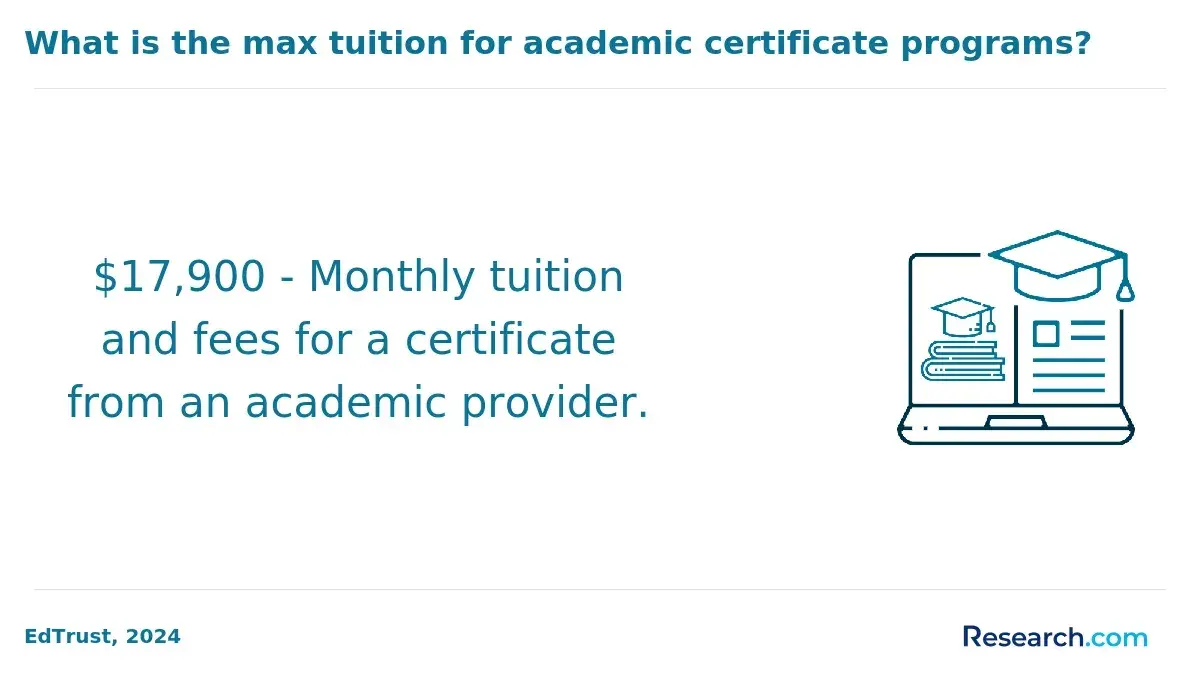
Choosing an online criminal justice degree requires balancing tuition costs with program outcomes and workforce demands. Bachelor's programs typically range from $15,000 to $45,000, with public, in-state institutions offering the most affordable options often under $20,000, while private or out-of-state programs frequently exceed $40,000.
Graduate degrees start around $25,000, scaling higher based on specialization and prestige. These figures exclude ancillary expenses like fees and textbooks, which add about 10%-15% annually.
Mid-career professionals must weigh accelerated program options that shorten duration and reduce tuition but demand a significant weekly time commitment. This intensity can conflict with full-time employment, making realistic scheduling crucial. Employer tuition reimbursement and GI Bill benefits present valuable cost offsets, yet eligibility and coverage limits require thorough upfront planning.
Critically, cost should not overshadow verification of program accreditation and alignment with employment standards in law enforcement, corrections, or federal agencies. Without such alignment, lower-cost programs risk burdening graduates with debt and limited job prospects. Conversely, investment in programs with demonstrated graduate placement can enhance hiring potential and salary growth.
Students should consider:
- Program pacing versus work-life constraints
- Affordability relative to total cost including ancillary fees
- Graduate employment outcomes tied to program accreditation
- Use of employer or military tuition assistance
Which careers can a criminal justice degree prepare you for?
Choosing a criminal justice degree requires weighing employer expectations with real-world career trajectories. Agencies increasingly demand a combination of academic credentials and practical experience for advancement beyond entry-level positions. For instance, a corrections officer seeking a supervisory role typically needs both years on the job and specialized knowledge in investigative methods and criminal law.
Mid-career professionals can use this degree to pivot toward roles in federal agencies, private security firms, or specialized units focusing on cybersecurity and intelligence analysis, where legal expertise and analytical skills intersect.
However, this transition often entails managing educational costs alongside ongoing employment obligations—a balancing act well exemplified by programs like Western Carolina University's online criminal justice degree, notable for its $1,250 in-state tuition and an aligned median graduate salary of $53,478.
Key considerations for prospective students include:
- Program flexibility to accommodate working professionals.
- Cost-effectiveness relative to potential salary increases.
- Alignment of curriculum with evolving sector demands, such as technology integration and victim advocacy.
Graduates who leverage this degree often gain access to certification paths and collaborative roles across agencies, especially in corrections and social services, sectors where legal and ethical training extends beyond initial job functions. The practical value of criminal justice education depends on situating learning within the broader labor market realities and long-term professional goals.
How much can criminal justice graduates earn?
Graduates with a bachelor's degree in criminal justice typically start with a median salary between $50,000 and $60,000, but advancing to a master's level can raise this to $75,000-$95,000 or more, depending on specialization and geography. Federal agencies and specialized law enforcement roles often offer higher initial salaries, though they require relevant experience and advanced credentials.
Specialized online master's degrees costing around $659 per credit (approximately $23,724 total) align with promotion pathways in fields like counterterrorism and homeland security, where earnings can surpass $100,000 mid-career in government or corporate security roles. However, full-time workers pursuing these degrees must balance flexibility with disciplined time management to avoid wage stagnation during study.
Employers increasingly value professional certifications such as the Certified Protection Professional (CPP), which can boost salary offers by 10-20% when earned alongside a degree. Candidates should also consider state-specific licensing and clearance requirements that affect eligibility and earning potential, since failure to meet these can limit advancement despite advanced degrees.
Strategically selecting programs that address these professional constraints reduces time-to-promotion and maximizes return on education investment in law enforcement and public safety administration tracks.
Students exploring forensic career paths should recognize that opportunities extend beyond crime scene investigation to areas such as digital forensics, forensic accounting, intelligence analysis, and forensic psychology. Combining a criminal justice degree with specialized training or certifications can broaden career options and improve long-term advancement in both public and private sector organizations.
What certifications or licenses may criminal justice careers require?
Licensing and certification requirements in criminal justice reflect a complex landscape where credentials often dictate employability and role eligibility. For example, law enforcement mandates the Peace Officer Standards and Training (POST) certification in nearly every state, a threshold that typically involves a dedicated academy lasting several weeks. Skipping this step is not an option in practical terms, as unlicensed candidates cannot be employed legally.
Corrections officers commonly pursue Certified Correctional Officer (CCO) credentials that focus on inmate management and security protocols, while probation and parole officers must meet state-specific licensure involving coursework, testing, and supervised experience. Legal workers like paralegals gain competitive advantage through certifications such as the National Association of Legal Assistants' Certified Paralegal, but this credential remains voluntary with varying employer demands.
Specialized disciplines such as forensic science and cybercrime investigation add layers of complexity. Earning credentials from recognized bodies, including the American Board of Criminalistics or GIAC certifications for digital evidence handling, can be decisive for career progression but often require long-term study and investment.
For practitioners or prospective entrants weighing these options, the time and cost commitment vary widely-weeks for POST academies versus months or years for specialized legal or forensic certifications. Given the projected addition of approximately 91,700 criminal justice and legal sector jobs annually through 2032, credentials serve as gatekeepers amid growing competition, shaping real-world hiring dynamics and long-term workforce stability.
Other Things You Should Know About Criminal Justice
Most online criminal justice degree programs do not require prior work experience, but having relevant experience can significantly enhance learning and career prospects. For mid-career adults, aligning your past roles with course concepts improves comprehension and practical application, especially in leadership or policy-focused tracks. Programs that integrate real-world casework or internships tend to favor students with some background, so prioritizing experience can reduce the academic-to-practical gap and accelerate career advancement.
Specialized criminal justice degrees offer targeted skills and expertise in areas like cybercrime or forensic science, often leading to advancement or niche roles for mid-career adults. General degrees, while less focused, provide broader knowledge and diverse career options, but may not yield the same immediate advancement opportunities in specific fields.
Employer respect varies widely depending on program reputation, faculty expertise, and evidence of applied skills rather than the delivery format alone. Degrees from universities known for criminal justice or public safety programs carry more weight, especially those incorporating experiential learning elements aligned with current criminal justice challenges. Prioritize programs that maintain strong advisory boards or partnerships with criminal justice agencies, as these connections positively impact hiring outcomes.
Specialized degrees-such as in cybersecurity, forensic science, or corrections-offer clearer pathways to niche roles but can limit flexibility if career goals shift. General criminal justice degrees provide broader knowledge useful for advancement in management and policy but may require additional certifications for technical positions. For mid-career adults, selecting a specialization should be based on tangible demand in the current labor market and personal career trajectory, with an understanding that generalist degrees often demand supplementary training for specialized roles.
References
- College Admissions for Adult Learners https://www.mefa.org/article/college-admissions-for-adult-learners/
- Online Criminal Justice Degrees | OnlineColleges.net https://www.onlinecolleges.net/degrees/criminal-justice/
- Criminal Justice Salary Guide | All Criminal Justice Schools https://www.allcriminaljusticeschools.com/criminal-justice/criminal-justice-salaries/
- AU – Careers Available to Graduates with A BA in Criminal Justice https://online.aurora.edu/program-resources/careers-for-a-bachelors-in-criminal-justice/
- Criminal Justice Salary - How Much Can I Make With a Criminal Justice Degree? - Grace Christian University https://gracechristian.edu/blog/criminal-justice-salary/
- Accredited Colleges Offering Criminal Justice Degrees https://www.collegesanddegrees.com/programs/criminal-justice
- Top Online Criminal Justice Degrees https://www.criminaljusticeprograms.com/online-criminal-justice-degrees/
- Jobs with a degree in Criminal Justice | Monroe University https://www.monroeu.edu/academics/undergraduate-programs/school-criminal-justice/what-can-you-do-criminal
- Criminal Justice (Online) https://www.lmc.edu/online-programs/criminal-justice/index.htm
- Criminal Justice Careers - Criminal Justice Degree Schools https://www.criminaljusticedegreeschools.com/careers/