
2027 Online Criminal Justice Degrees That Help Build Compliance Investigation Skills

Co-Founder and Chief Data Scientist
Facing a volatile compliance landscape, professionals tackling investigations must swiftly interpret evolving regulations while managing limited on-site resources. According to the National Center for Education Statistics, over 60% of adult learners now seek online programs for career flexibility, underscoring a fundamental shift toward accessible upskilling in demanding fields like criminal justice.
This trend reflects a growing need for education models that accommodate working investigators balancing case loads without sacrificing depth in regulatory frameworks. Employers increasingly prioritize candidates demonstrating applied compliance investigation skills proven through rigorous, flexible online study.
This article evaluates online criminal justice degrees designed to build these critical competencies, highlighting programs that align with workforce demands and adult learner constraints.
Key Things You Should Know
- Compliance investigation skills, emphasized in 2026 online criminal justice degrees, face a workforce bottleneck: 23% of relevant roles require 5+ years' practice, limiting direct entry for recent graduates (BLS 2024).
- Employers prioritize demonstrated expertise in federal regulations and data privacy laws, creating high demand for graduates versed in evolving compliance frameworks, impacting hiring competition in larger firms.
- Online degrees reduce geographic barriers but often extend completion times by 20% versus on-campus, increasing costs and delaying qualification amidst accelerating regulatory changes that favor rapid credentialing.
What is an online criminal justice degree, and how does it build compliance investigation skills?
An online criminal justice degree programs for compliance investigation demand practical skills that go beyond academic theory, focusing on real-world regulatory frameworks and investigative procedures. Graduates learn to interpret complex laws such as HIPAA, SOX, and FCPA, which are critical for corporate compliance roles in finance, healthcare, and governance sectors.
For instance, a compliance investigator analyzing suspicious financial transactions uses skills developed in criminal law and forensic accounting courses to identify fraud risks and regulatory breaches. This blend of legal theory and business risk management differentiates such programs from traditional law enforcement training, tailoring graduates' capabilities to corporate environments.
The labor market outlook reinforces this demand: with 2.9 million criminal justice jobs projected to grow 7.9% from 2025 to 2035 and over 207,000 annual openings, employers seek candidates with demonstrated compliance investigation expertise. Balancing coursework with job demands remains a challenge for many students, making it vital to select programs offering practical experience and accredited credentials.
Specifically, an online criminal justice degree enhances compliance investigation skills by integrating case law analysis and real-world scenarios, preparing students for tasks like auditing records, interviewing witnesses, and managing internal investigations effectively. For those assessing investigative roles within compliance, exploring how to become a criminal profiler can provide valuable comparative insights on skill requirements and career pathways.
How do online criminal justice programs compare to campus options for compliance-focused study?
Online criminal justice degrees for compliance investigation often equate with campus programs in theoretical depth but fall short in delivering critical hands-on experiences employers demand. For example, financial regulatory compliance roles require direct audit exposure, typically accessed through on-site internships in campus settings; online learners must independently secure such opportunities, which can be a significant barrier.
Employer skepticism remains palpable: 74% of protective service positions emphasize demonstrable application skills, and hiring managers frequently view purely online credentials as insufficient without complementary practical training.
Between 2021 and 2031, protective service roles, including compliance and investigative functions, are projected to grow 2% according to the U.S. Bureau of Labor Statistics, indicating steady but specialized demand in government and security sectors. This growth reinforces the importance of programs that integrate real-world compliance standards with experiential learning.
Tradeoffs between campus and online criminal justice compliance programs center on flexibility versus engagement depth. Online formats offer asynchronous schedules and geographic freedom, beneficial for working professionals, yet they often lack embedded partnerships for internships or simulations. Without structured fieldwork or collaborative projects, graduates risk underdeveloped investigative competencies.
Prospective students should evaluate programs on their capacity to connect learners directly to compliance investigation work environments and industry networks. Reviewing a program's placement success and access to practical exercises is vital. To understand applicable career trajectories and compensation, consulting resources like forensic career paths and salary can provide targeted insights for decision-making.
Which types of criminal justice degrees best support careers in compliance investigations?
Degrees focused on compliance investigation within criminal justice require a precise blend of legal acumen, forensic techniques, and ethical grounding to meet employer demand in government, financial, and corporate sectors. Programs labeled Compliance and Regulatory Affairs or Criminal Justice with a Compliance focus deliver targeted skills essential for roles tasked with fraud detection, regulatory enforcement, and procedural integrity.
criminal justice programs for careers in compliance investigations that incorporate investigative methodologies, such as forensic accounting or digital forensics, notably improve job prospects.
For instance, a compliance officer in finance must navigate complex regulatory standards and identify suspicious activities, skills sharpened by integrating criminal procedure with financial crime investigations. This specialization addresses employer preferences for candidates able to interpret legal mandates while conducting rigorous investigations.
Practical experience is a critical differentiator. Degrees embedding internships with regulatory agencies, case-based exercises, and compliance-focused certifications better prepare graduates for specialized audits and governance roles. Programs lacking explicit compliance or regulatory courses risk underpreparing students for these nuanced challenges.
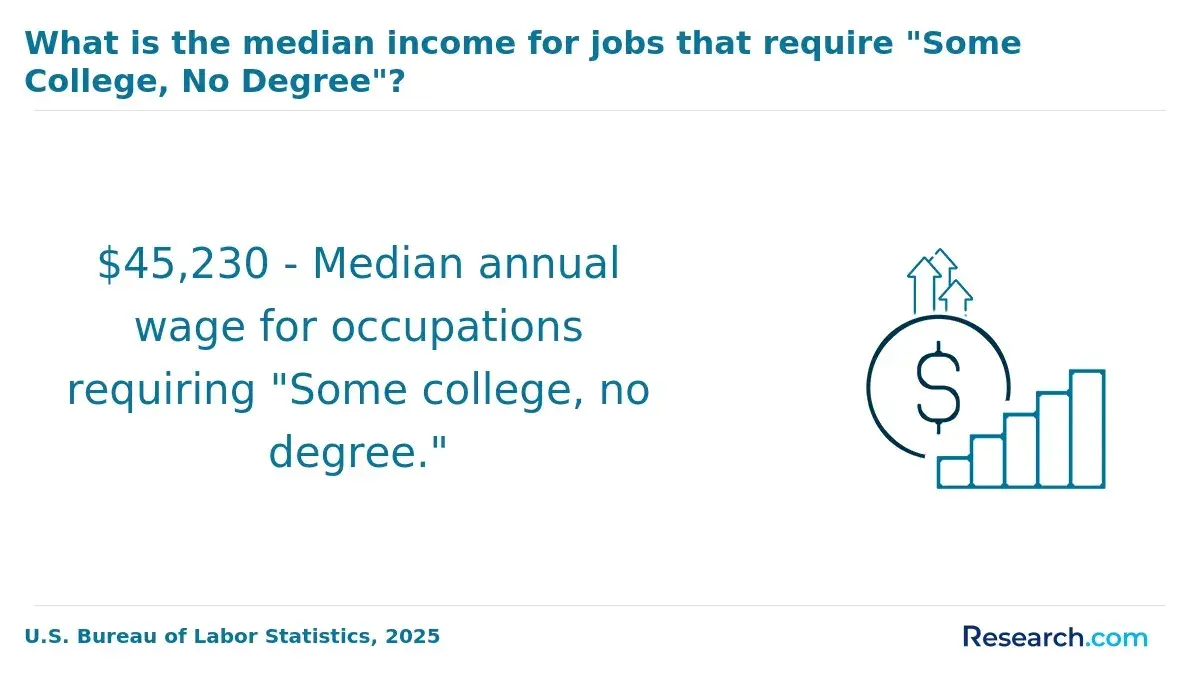
Lightcast data project median annual earnings of $66,800 for criminal justice professionals in compliance investigation roles, indicating favorable economic outcomes within this subset of law enforcement careers. Prospective students should also consider interdisciplinary pathways. For example, exploring what can you do with a masters in forensic psychology may complement compliance investigation skills and broaden career options.
What courses and skills should a compliance-oriented online criminal justice curriculum include?
Effective compliance investigation courses in online criminal justice degrees emphasize not just regulatory knowledge but the capacity to apply it within sector-specific contexts. For example, a healthcare compliance investigator must navigate complex patient privacy regulations, whereas finance professionals prioritize anti-money laundering controls.
These programs cultivate skills developed in compliance-focused criminal justice programs that include forensic accounting, investigative techniques for compliance environments, and interpreting laws like the Sarbanes-Oxley Act and HIPAA.
Employers expect actionable expertise in managing large datasets for fraud detection, making proficiency in data analytics critical for uncovering irregularities in real investigations. Practical skills like report writing and legal documentation are necessary to produce clear, admissible records. Online curricula intentionally cater to working adults by offering flexible schedules and accelerated learning, reflecting real-world workforce conditions.
Students encounter training in digital investigation tools and cybersecurity concepts since compliance cases often involve sensitive electronic data. The programs also focus on ethics and conflict resolution, preparing graduates to address organizational pressures, and internal audits to ensure policy adherence and risk mitigation. Integrating case studies from government contracting to finance reinforces the situational adaptability required by compliance roles.
Those considering a career pivot or growth within criminal justice should assess how compliance investigation courses in online criminal justice degrees align with their professional demands. For individuals with technical and regulatory interests, exploring online electrical engineering degrees for veterans might also reveal complementary pathways blending cybersecurity and investigative skills.
How can students verify accreditation and program quality for online criminal justice degrees?
Accreditation remains the primary filter for confirming the legitimacy and transferability of online criminal justice degrees, especially from bodies recognized by the U.S. Department of Education or the Council for Higher Education Accreditation.
Without this verification, students risk earning credits that will not qualify for federal financial aid or be accepted by employers, particularly those requiring security clearances or advanced certifications. Programs with additional accreditation, such as from the Academy of Criminal Justice Sciences, signal focused academic standards aligned with compliance investigation demands.
Employers focus heavily on skills that address rising threats in cyber and financial compliance due to the escalation of cybercrime complaints and related financial losses. Degrees lacking coursework in digital forensics, regulatory frameworks like Sarbanes-Oxley, and practical compliance tools may leave graduates underprepared. Hands-on training in these areas directly supports employability in both private sector and federal roles.
Verifying a program's real-world value involves direct inquiry: requesting detailed curriculum maps, articulation agreements, and documented industry partnerships from the registrar or program director. This practical step often reveals whether a program facilitates critical certifications like Certified Fraud Examiner or has pathways into financial institution compliance roles.
Students should also scrutinize graduation rates, job placement outcomes, and alumni career paths to judge program effectiveness beyond promotional materials. Cross-checking state authorization and licensure eligibility further ensures alignment with employer expectations and evolving compliance challenges in criminal justice professions.
What are the typical admission requirements for online criminal justice and compliance programs?
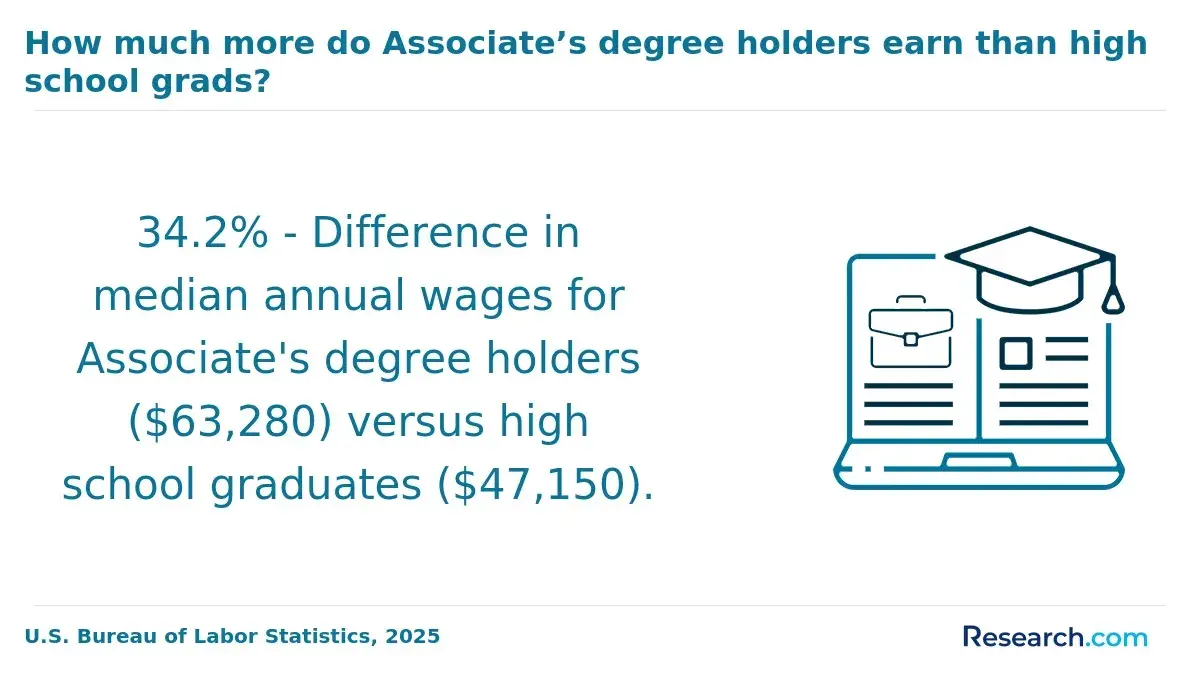
Admission criteria for online criminal justice and compliance programs often reflect a balance between academic foundation and workforce readiness, which can directly influence career trajectory. Bachelor's programs typically require a high school diploma or GED, with transfer or accelerated tracks requiring prior college coursework and a minimum GPA ranging from 2.0 to 3.0.
Graduate programs, by contrast, demand a completed bachelor's degree, frequently emphasizing relevant criminal justice or social science backgrounds. For compliance-focused master's tracks, professional experience in investigations or regulatory roles is sometimes essential, reflecting employer expectations for practical maturity.
Applicants usually must provide official transcripts and sometimes standardized test scores, although many institutions waive these requirements for mid-career professionals or those with significant postsecondary credits. Background checks and proof of legal status are often necessary, especially for positions tied to government or law enforcement sectors with security clearance demands.
Letters of recommendation and personal statements serve as tools to evaluate candidates' analytical capabilities and ethical judgment, which are vital in compliance and investigative roles.
Given the 207,786 criminal justice-related job openings projected by Lightcast data, candidates should weigh the tradeoffs between programs with strict prerequisites versus those with flexible pathways crediting work experience.
Mid-career professionals shifting into compliance investigations benefit from programs that accommodate prior learning and professional history, reducing delays in entering a market where timely credentialing aligns closely with employer demand across public safety, private, and government sectors.
How long do online criminal justice degrees take and what do they cost?
Completion time and cost present significant tradeoffs for students pursuing online criminal justice degrees focused on compliance investigation. Associate programs commonly take about two years, while bachelor's degrees, required by most employers for advanced investigative roles, typically demand four years of full-time study. Accelerated or part-time formats offer flexibility but often extend total duration or increase immediate financial strain.
Tuition ranges sharply, from roughly $10,000-$20,000 for public in-state bachelor's programs to $25,000-$50,000 or more at private universities. Beyond tuition, students must budget for technology fees, textbooks, and potentially lost income if they reduce work hours to study full-time. This financial calculus influences whether to prioritize faster completion or steady pacing that preserves employment and income.
Employers prioritize candidates from accredited programs that integrate practical investigation techniques, regulatory knowledge, and risk assessment skills. Graduates combining degree completion within four years with internships or relevant work experience are positioned well in sectors such as finance, healthcare, and government compliance.
Decision-making should consider these operational realities rather than treat credentials as interchangeable credentials, especially for professionals pivoting from unrelated fields. Prioritizing programs offering integrated, real-world compliance investigation curricula will best support sustainable career transitions and competitive positioning.
What entry-level and advanced careers can online criminal justice graduates pursue in compliance investigations?
Success in compliance investigation roles demands more than a criminal justice degree; employers prioritize candidates with professional credentials like the Certified Compliance and Ethics Professional (CCEP).
Graduates often start as compliance analysts or investigations specialists but must develop expertise in interpreting regulations alongside investigative data to progress into managerial or director positions. For instance, healthcare compliance officers must navigate HIPAA regulations while conducting investigations, balancing legal, regulatory, and forensic knowledge.
Specializations in forensics, crime scene investigation, corrections administration, or private security significantly affect employability and role focus. Those with forensic electives can pursue digital forensics or evidence analysis roles, which are increasingly valued where physical and cyber investigations overlap.
Meanwhile, corrections administration graduates often enter compliance roles within correctional facilities or private security firms, confronting unique detainee-related challenges.
Job demand for compliance investigators grows at roughly 8% annually, concentrated in financial services and corporate governance sectors. However, a major hurdle is the employers' expectation for combined academic and certification credentials due to regulatory complexity and liability risks. Students should strategically choose programs with electives aligned to target industries and certification pathways, as noted by LSU Online, to optimize long-term career advancement potential and market relevance.
What salary ranges and job outlook can compliance investigators expect in the U.S.?
Compliance investigator salaries in the U.S. vary significantly by sector, region, and experience, ranging from about $55,000 for entry-level roles in smaller firms or government to over $100,000 in finance and healthcare organizations with complex regulatory demands. The premium for specialized expertise in federal and state compliance, such as data privacy and anti-money laundering rules, reflects how critical niche knowledge is in compensation.
Job growth for criminal justice professionals, particularly in compliance roles, is projected at 7.9% between 2025 and 2035, outpacing overall employment expansion. This highlights a strong market demand but also intensified competition requiring candidates to maintain current certifications and technological fluency, particularly with investigation and AI audit software.
Employers expect a hybrid profile: analytical skills, ethical judgment, and hands-on investigative experience combined with continuous education. Without up-to-date credentials or practical field success, candidates may face stalled progression even with a degree.
Professionals aiming for sectors like healthcare or finance must anticipate extended onboarding involving rigorous background and compliance clearance, which can impact time-to-productivity and job stability. Balancing immediate work experience against advanced certification is a key strategic decision for those entering or pivoting within criminal justice compliance roles.
Are certifications or licenses needed for compliance investigation roles, and how do degrees help?
Compliance investigation roles commonly demand more than certifications or licenses; a degree in criminal justice delivers foundational expertise that certifications alone cannot provide. For instance, federal investigators often require certifications like Certified Fraud Examiner (CFE), but without a solid grasp of investigative methodologies and legal frameworks furnished by a criminal justice degree, candidates may struggle to obtain or effectively utilize such credentials.
Employers in healthcare or finance, sectors with stringent regulatory environments, expect candidates to blend formal education with licensure to manage complex tasks such as interpreting medical privacy laws or financial regulations alongside investigative work.
Workforce data from UMGC projects approximately 62,200 annual openings in police and detective sectors, underscoring sustained demand driven by expanded enforcement and compliance expectations. Yet, hiring practices frequently favor candidates with comprehensive academic preparation because degrees help demonstrate capacity to navigate regulatory complexities and produce legally sound documentation.
Key practical considerations include:
- Selecting programs that integrate law, ethics, and industry-specific regulations.
- Understanding that certifications like Certified Compliance and Ethics Professional (CCEP) complement but do not replace coursework-based skills.
- Recognizing that without academic grounding, passing certification exams and securing competitive roles becomes significantly more difficult.
This intersection of education and credentialing reflects clear tradeoffs: a criminal justice degree facilitates essential analytical skills and legal knowledge that improve both certification success and on-the-job performance, especially in sectors where regulatory interpretation is critical.
Other Things You Should Know About Criminal Justice Degrees
Employers increasingly accept online criminal justice degrees when the institution is regionally accredited and the coursework includes applied compliance investigations training. However, graduates from fully online programs must demonstrate practical skill application through internships or projects to offset potential bias favoring campus degrees. Prioritizing experiential learning components within online programs is essential to meet employer expectations and improve job readiness.
Students targeting compliance investigation roles benefit from specialized tracks that integrate regulatory knowledge with investigative methods, as broad criminal justice programs may lack this focus. Specialized degrees allow for deeper understanding of compliance frameworks and risk management, which are important to employers. For career advancement, selecting programs with a compliance-centered curriculum and relevant case studies significantly improves employability.
Fully online formats restrict face-to-face interaction, which reduces spontaneous networking opportunities that often lead to job referrals in criminal justice fields. Students should assess whether programs provide virtual networking events, mentorship, or partnerships with local agencies to build connections remotely. Prioritizing programs with active professional engagement components is crucial to compensate for the limited in-person networking inherent in online learning.
References
- Most Affordable Online Criminal Justice Degrees https://www.affordablecollegesonline.org/degrees/criminal-justice-programs/
- Online Bachelor's Degree Criminal Justice https://www.umgc.edu/online-degrees/bachelors/criminal-justice
- Top Online Criminal Justice Degrees https://www.criminaljusticeprograms.com/online-criminal-justice-degrees/
- Top Online Criminal Justice Program Skills | University of Bridgeport https://www.bridgeport.edu/news/online-criminal-justice-program-skills/
- How to Become a Compliance Officer: Jobs & Career Paths https://www.oneeducation.org.uk/become-compliance-officer/
- Earn An Online Criminal Justice Degree | OEDb.org https://www.oedb.org/rankings/online-criminal-justice-programs/
- Criminal Justice Degree Program Courses & Skills https://www.aiuniv.edu/degrees/criminal-justice/articles/courses-to-take-and-skills-to-study-in-a-criminal-justice-degree-program
- CTX | Comparing Schools with Criminal Justice Majors https://www.concordia.edu/blog/comparing-schools-with-criminal-justice-majors.html
- 25 Jobs You Can Get With A Criminal Justice Degree https://www.criminaljusticedegreeschools.com/careers/best-criminal-justice-jobs/
























![2027 Best Advanced Standing Online MSW Programs [CSWE Accredited] thumbnail](/uploads/Online_Advanced_Standing_MSW_301dbd5368.jpg)


